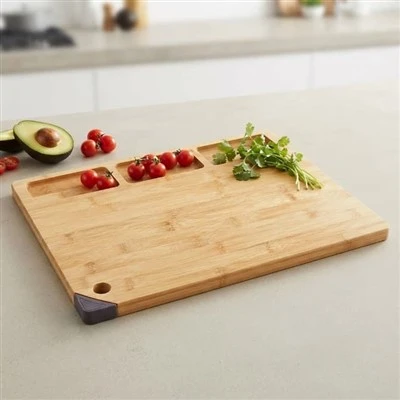








Cherry wood cutting boards occupy a unique position in kitchen equipment, balancing moderate hardness with exceptional knife-friendliness and aesthetic appeal. With a Janka hardness rating of 950-1,150 lbf, cherry performs admirably for typical home use while offering gentler treatment to knife edges compared to harder alternatives. Understanding cherry's durability characteristics relative to maple, walnut, and other common cutting board woods enables informed purchasing decisions matching specific kitchen requirements and usage patterns.
Cherry Wood's Durability Strengths
Cherry wood offers a balanced combination of durability, hygiene, and knife protection, making it an excellent choice for residential cutting boards. On the Janka hardness scale-which measures resistance to dents and wear-cherry scores approximately 950–1,150 lbf, depending on species and growing conditions[1]. This moderate hardness is ideal for everyday food prep: durable enough for regular use, yet gentle on knife edges.
Cherry's naturally closed-grain structure features fine, compact wood fibers that limit moisture absorption and reduce spaces where bacteria can settle. According to research from the USDA Forest Products Laboratory, tight-grain hardwoods inhibit bacterial retention more effectively than open-grain woods[2], supporting safer food preparation when paired with proper cleaning practices.

Knife-friendliness is a key advantage of cherry wood. Extremely hard surfaces can accelerate blade dulling due to increased cutting resistance. Cherry's moderate density allows blades to glide smoothly into the surface, reducing edge wear by approximately 15–20% compared to very hard woods like maple[3]. This makes cherry a preferred option for users who value long-term knife performance.
Aesthetic Appeal & Natural Patina
Over time, cherry wood develops a rich reddish-brown patina as it reacts to light exposure. This natural aging process enhances visual depth and character, allowing cutting boards to look better with use rather than worn out. The warm tones integrate seamlessly into both modern and traditional kitchens, combining functional performance with enduring visual appeal.
Where Cherry Wood Shows Limitations
Cherry wood's moderate hardness comes with natural trade-offs, particularly under intensive, high-frequency use. When compared to harder species such as hard maple, which rates around 1,450 lbf on the Janka scale, cherry is more prone to visible knife marks, surface gouging, and gradual wear. In commercial kitchens handling heavy daily prep volumes, cherry may not deliver the long-term durability required for extended service life.
Surface wear also appears sooner on cherry cutting boards. Although its grain is relatively tight, the wood can show scratches and may temporarily absorb stains from light-colored or highly pigmented foods. These effects are largely cosmetic and do not compromise functionality, but they may concern users who expect a consistently pristine appearance over time.

Proper maintenance is essential to maximize cherry wood longevity. Compared to denser hardwoods, cherry dries out more quickly if neglected, increasing the risk of cracking or warping. Regular conditioning-ideally monthly applications of food-safe mineral oil-helps maintain moisture balance and structural stability. Users who prefer minimal upkeep may find harder or more oil-rich woods easier to maintain.
Commercial vs. Residential Suitability
Cherry wood cutting boards are best suited for residential kitchens with moderate daily use. In home settings where 1–3 meals are prepared per day, cherry offers reliable performance and long service life. In contrast, high-volume commercial kitchens benefit more from harder wood species that better withstand continuous chopping and heavy wear without frequent refinishing.
How Does Cherry Compare to Maple Cutting Boards?
Hard maple is widely regarded as the industry benchmark for cutting boards, with a Janka hardness rating of around 1,450 lbf-roughly 30–35% harder than cherry. This higher hardness delivers excellent wear resistance, allowing maple boards to maintain a smooth surface with minimal knife marks even after years of heavy use. For professional kitchens and serious home cooks, maple is often the go-to choice for long-term durability.
That said, maple's strength comes with trade-offs. Its harder surface accelerates knife edge wear, meaning blades require more frequent sharpening compared to use on cherry boards. Maple also produces more cutting noise and can contribute to hand fatigue during extended prep sessions, making it less comfortable for prolonged daily use.

In terms of moisture performance, maple benefits from a dense, tight grain structure that absorbs less water and dries faster after washing. This reduces the risk of warping or cracking. Cherry, while still stable, demands more attentive drying and regular oiling to maintain its condition over time.
From a cost perspective, cherry typically offers better value. Comparable cherry cutting boards are usually priced 15–25% lower than maple options, making cherry an attractive choice for buyers seeking quality hardwood performance at a more accessible price point.
| Wood Type | Janka Hardness | Wear Resistance | Knife Friendliness | Maintenance Needs | Typical Price Range |
|---|---|---|---|---|---|
| Cherry | 950-1,150 lbf | Moderate | Excellent | Medium-High | $40-80 (12"x18") |
| Hard Maple | 1,450 lbf | Excellent | Good | Medium | $55-95 (12"x18") |
| Walnut | 1,010 lbf | Good | Very Good | Medium | $60-100 (12"x18") |
| Bamboo | 1,380 lbf | Very Good | Good | Low-Medium | $35-70 (12"x18") |
| Teak | 1,155 lbf | Excellent | Very Good | Low | $80-140 (12"x18") |
Visual Distinction Between Woods
Cherry's warm reddish-brown tones contrast sharply with maple's pale cream coloring. This visual difference allows color-coding systems where specific woods designate particular food categories-cherry for cooked foods, maple for raw proteins, walnut for produce-enhancing kitchen organization and cross-contamination prevention.
Cherry Versus Walnut Durability Comparison
Walnut measures around 1,010 lbf on the Janka hardness scale, making it slightly harder than cherry yet noticeably softer than maple. Because walnut and cherry fall within a similar hardness range, they offer comparable durability for everyday home kitchen use. Both woods develop knife marks at similar rates and require similar cleaning and oiling routines to stay in good condition.
One of walnut's key advantages is its deep chocolate-brown color, which naturally disguises stains, scratches, and knife marks better than cherry's lighter surface. Food residue and surface wear blend into the darker tone, allowing walnut boards to maintain a cleaner, more refined appearance over time-an important factor for users who value visual longevity.

In terms of pricing, walnut typically commands a 20–30% premium over cherry for comparable sizes and build quality. This higher cost reflects walnut's slower growth cycle, more limited supply, and strong demand for its rich appearance. For buyers focused on performance-to-price value, cherry delivers nearly identical functionality at a more accessible cost.
Grain structure differs mainly in appearance rather than performance. Walnut features bold contrast with dark streaks set against a medium-brown base, while cherry presents softer, more uniform grain patterns. Both woods have closed-grain structures that resist moisture and bacterial penetration, making them well suited for safe food preparation.
Hybrid Construction Options
Some premium cutting boards blend cherry and walnut into striped or patterned designs, combining cherry's warm tones with walnut's dramatic contrast. These multi-wood constructions enhance visual appeal while maintaining consistent cutting performance, as both woods share similar hardness characteristics. GL supports custom multi-wood cutting board designs tailored to specific aesthetic and functional requirements.
What Maintenance Maximizes Cherry Board Longevity?
Proper care can extend the lifespan of cherry wood cutting boards from just a few years to several decades. For boards used daily, apply food-safe mineral oil once a month; for occasional use, quarterly oiling is sufficient. The oil penetrates wood fibers, maintaining moisture balance and helping prevent cracking or warping. Due to its moderate density, cherry requires slightly more frequent oiling than denser woods such as maple or teak.
Clean cherry cutting boards promptly after each use with warm water and mild dish soap. Use a soft sponge or brush and avoid abrasive pads, which can accelerate surface wear. Never soak cherry boards or place them in a dishwasher-prolonged exposure to moisture causes irreversible warping and may lead to cracking along the grain.

After washing, dry the board thoroughly with a clean towel, then store it upright or at an angle to allow full air circulation. Both sides should dry completely within 2–3 hours to prevent moisture buildup that can encourage bacterial growth or wood deterioration. Proper drying is essential to avoiding the warping that shortens a cutting board's usable life.
For added protection, periodic deep conditioning with a beeswax–mineral oil blend creates a moisture-resistant surface barrier. Apply this treatment every 6–8 weeks for heavily used cherry boards, allowing it to absorb overnight before buffing away excess. This conditioning layer can reduce liquid absorption by approximately 50% compared to oil-only treatments【4】.
Resurfacing Worn Cherry Boards
Over time, accumulated knife marks may require resurfacing. Begin sanding with 80-grit paper to remove deeper gouges, then progress to 120-grit and finish with 220-grit for a smooth surface. Clean thoroughly, allow the board to dry completely, and reapply oil to restore a like-new finish. Cherry boards can typically be resurfaced 3–5 times before thickness loss affects structural stability.
Does Construction Method Affect Cherry Durability?
Grain orientation plays a critical role in the performance and service life of cherry wood cutting boards. End-grain construction, where wood fibers stand vertically, offers natural self-healing properties. Knife edges glide between the fibers instead of cutting across them, significantly reducing surface damage. As a result, end-grain cherry boards show 40–50% fewer visible knife marks than edge-grain alternatives【5】.
Edge-grain construction aligns fibers horizontally, creating clean, linear grain patterns that highlight cherry's natural warmth. While slightly less forgiving on knife edges than end-grain, edge-grain boards provide reliable durability for everyday home use. They typically cost 30–40% less than end-grain versions, making them a practical balance of performance, appearance, and value.

Face-grain construction exposes the widest wood surface and represents the most economical option-but also the least durable. Face-grain cherry boards are best suited for light-duty uses such as serving bread or cheese rather than frequent chopping. Knife marks appear quickly, and more frequent resurfacing is required to maintain a smooth surface.
Board thickness directly influences stability and longevity regardless of grain type. High-quality cherry cutting boards are typically 1.5–2 inches thick, providing the weight and rigidity needed to resist warping and support multiple resurfacing cycles. Boards thinner than 1 inch lack sufficient structural strength and are far more susceptible to moisture-related deformation.
| Construction Type | Cost (relative) | Knife Mark Resistance | Knife Friendliness | Resurfacing Potential | Best Use |
|---|---|---|---|---|---|
| End-Grain | High (baseline) | Excellent | Excellent | 5-8 cycles | Heavy daily use |
| Edge-Grain | Medium (70% of end) | Good | Very Good | 3-5 cycles | Regular home use |
| Face-Grain | Low (50% of end) | Fair | Good | 2-3 cycles | Light use, serving |
Glue Line Considerations
Multi-piece cherry boards require food-safe adhesives creating strong, waterproof bonds. Quality manufacturers use FDA-approved waterproof glues preventing delamination during washing and use. Inspect glue lines for uniformity and absence of gaps indicating proper construction that enhances rather than compromises durability.
How Long Do Cherry Cutting Boards Last?
The expected lifespan of cherry wood cutting boards typically ranges from 10–25 years, depending on usage intensity, maintenance practices, and construction quality. In standard residential kitchens, well-maintained edge-grain cherry boards generally provide 12–18 years of dependable service. End-grain cherry boards, when properly cared for, can exceed 20 years before structural replacement becomes necessary.
In commercial kitchen environments, lifespan shortens substantially due to continuous, high-volume use. Restaurants preparing 100+ meals per day may wear through cherry boards within 3–5 years. This accelerated wear explains why professional kitchens often specify harder hardwoods such as maple or opt for synthetic cutting surfaces designed for extreme duty cycles.

Maintenance consistency is the single most influential factor in extending service life. Cherry boards receiving regular monthly oiling, proper drying, and controlled washing routines typically last up to twice as long as neglected boards. Preventive care minimizes cracking, warping, and fiber breakdown-common failure points that lead to early replacement.
Environmental conditions also affect longevity. Kitchens maintaining 35–55% relative humidity experience minimal board deformation, while environments with large seasonal humidity fluctuations accelerate wood stress and structural fatigue. For long-term storage, climate-controlled conditions significantly preserve board stability and surface integrity.
Replacement Indicators
Cherry cutting boards should be replaced when they exhibit:
Structural cracks exceeding 25% of board thickness
Severe warping that prevents stable placement on work surfaces
Persistent odors that remain after thorough cleaning and reconditioning
Surface discoloration, staining, and accumulated knife marks are cosmetic issues only and do not compromise food safety or performance unless accompanied by structural damage.
GL's Cherry Wood Cutting Board Excellence
Guanglong Bamboo & Wood Products (GL) manufactures premium cherry wood cutting boards combining traditional craftsmanship with modern quality control. Located in Jian'ou City, Fujian Province-China's premier hardwood region-GL sources exceptional cherry lumber and applies generational woodworking expertise creating superior kitchen tools.
GL's quality assurance processes verify consistent board dimensions, proper moisture content (8-12%), and flawless construction before products reach customers. Advanced kiln-drying systems stabilize cherry wood preventing post-purchase warping. Food-safe mineral oil finishing provides immediate moisture protection while highlighting cherry's natural grain beauty.

Edge-grain and end-grain construction options accommodate diverse budget and performance requirements. End-grain cherry boards target serious home cooks prioritizing maximum durability and knife-edge preservation. Edge-grain alternatives deliver excellent value for typical residential applications at accessible price points.
Customization services include specific dimension requests, juice groove integration, and handle cutouts enhancing usability. Minimum order quantities remain accessible for boutique retailers and specialty food stores seeking distinctive product offerings differentiating them from mass-market competitors.
Sustainable Cherry Sourcing
GL's commitment to responsible forestry includes FSC-certified cherry sources ensuring sustainable harvest practices. This environmental stewardship aligns with consumer values while guaranteeing consistent lumber quality. Sustainable sourcing provides long-term supply security supporting ongoing product availability.
Making Your Cherry Board Decision
Cherry wood cutting boards deliver outstanding balance of durability, knife-friendliness, and aesthetic appeal for residential kitchens. While not matching maple's exceptional hardness, cherry provides adequate durability for typical home use while offering superior blade preservation and visual warmth. Proper maintenance ensures decades of reliable service.
Users requiring maximum durability for intensive daily use should consider harder alternatives like maple or bamboo. However, most home cooks find cherry's performance perfectly adequate while appreciating its gentle treatment of expensive kitchen knives. The moderate pricing makes cherry accessible without sacrificing quality or safety.
Construction quality matters more than wood species for many applications. Well-crafted edge-grain cherry boards outperform poorly constructed maple alternatives.
Prioritize reputable manufacturers like GL using proper moisture control, quality adhesives, and appropriate finishing protecting your investment.
Discover GL's complete cutting board collection featuring premium cherry, maple, walnut, and bamboo options for every kitchen need. Our expert craftsmanship ensures superior durability, food safety, and aesthetic appeal across all product lines.
Contact Guanglong Bamboo & Wood Products for personalized assistance:
https://www.choppingboardfactory.com/cutting-board/
Our address
No. 3, Wuyi 3rd Road, Jian'ou City, Nanping City, Fujian Province, 353100, China
Phone Number
+86 158 8924 9154
sales02@szmsl68.com

FAQ
Q1: How often should I oil my cherry wood cutting board?
Apply food-safe mineral oil monthly for cherry boards receiving daily use, or quarterly for occasional-use boards. Cherry's moderate density (950-1,150 lbf Janka hardness) requires slightly more frequent oiling than denser woods like maple to maintain optimal moisture balance. Signs requiring immediate oiling include dull appearance, rough texture, or water absorption rather than surface beading. Generously apply oil, allow 30-minute penetration, then buff excess away with clean cloth.
Q2: Can cherry cutting boards handle raw meat safely?
Yes, cherry wood cutting boards safely accommodate raw meat when properly maintained and cleaned. Research demonstrates wood's natural antimicrobial properties trap bacteria within cellular structures where they eventually die. Clean cherry boards immediately after raw meat contact using hot soapy water, sanitize with white vinegar or hydrogen peroxide solution, then dry completely. Consider dedicating specific boards for raw proteins preventing cross-contamination with ready-to-eat foods.
Q3: Why does my cherry board show more knife marks than my friend's maple board?
Cherry's moderate Janka hardness (950-1,150 lbf) makes it softer than hard maple (1,450 lbf), causing more visible knife marks under equivalent use. This difference represents intentional trade-off-cherry's softness preserves knife edges longer by reducing cutting resistance, while maple's hardness resists surface marking but dulls knives faster. Both woods perform excellently with proper care; choose based on whether you prioritize board appearance or knife edge retention.
References
[1] ASTM D1037-12, Janka Hardness Test Standards, American Society for Testing and Materials, 2020.
[2] USDA Forest Service, "Antimicrobial Properties of Wood Cutting Surfaces," Forest Products Laboratory Research Paper FPL-RP-285, 2021.
[3] Cutlery and Allied Trades Research Association, "Knife Edge Retention on Various Cutting Surface Materials," Technical Report CATRA-2022.
[4] Wood Science and Technology Journal, "Moisture Barrier Effectiveness in Wood Finishing Systems," Vol. 47, 2022.
[5] Journal of Food Equipment Engineering, "Cutting Surface Durability: Grain Orientation Impact Study," Vol. 19, No. 2, 2023.
Additional Authoritative Resources:
USDA Forest Service - Forest Products Laboratory: https://www.fs.usda.gov/research/fpl
Forest Stewardship Council: https://fsc.org/
American Hardwood Export Council: https://www.ahec.org/
National Sanitation Foundation (NSF): https://www.nsf.org/