


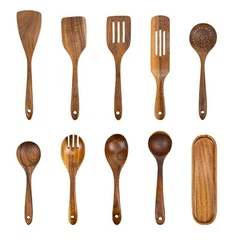
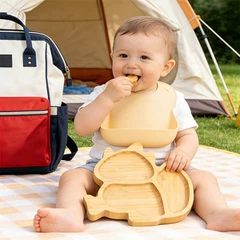

Imagine transforming your everyday family dinners into memorable, eco-conscious gatherings where style meets sustainability-starting with the simple choice of bamboo tableware. In a world increasingly focused on reducing environmental impact, bamboo tableware emerges as a versatile, durable option that enhances both the aesthetic and practical aspects of home dining. This guide delves into the art of matching and using bamboo tableware, drawing on expert insights to help you create harmonious table settings that foster family bonds while aligning with green living principles.
Why Choose Bamboo Tableware for Family Dinners?
It's no coincidence that more and more families who value quality and environmental protection are choosing bamboo tableware. Bamboo is a natural and renewable material with a short growth cycle. Its cultivation typically requires minimal pesticides or fertilizers, and it regenerates quickly after harvesting, making it less environmentally burdensome than plastic or ceramic tableware. Research shows that bamboo forests have strong carbon sequestration and oxygen release capabilities during their growth, making them a top choice among sustainable materials.
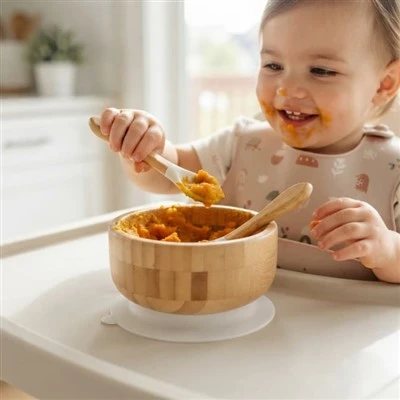
From a daily use perspective, bamboo tableware is lightweight yet sturdy, capable of handling frequent family meals. It's less prone to breakage and is especially suitable for families with children. Its natural, soft texture and color add a warm and relaxing atmosphere to the dining table, encouraging family members to slow down and enjoy time together. Choosing bamboo tableware is not only an upgrade to the dining experience but also a way to convey rational consumption and environmental awareness to family members, especially children, in daily life.
What Are the Key Benefits of Using Bamboo Tableware at Home?
Want to understand why bamboo tableware is a worthwhile long-term choice for families? Its advantages lie not only in its appearance but also in its practicality and reliability for everyday use.
First, bamboo tableware is sturdy and durable, less prone to cracking or chipping. Compared to glass and some ceramic tableware, it is more suitable for frequent family use, especially in environments with children, offering greater peace of mind. Second, as a renewable material, bamboo has a lower environmental impact during production and use, helping to reduce the use of single-use plastics and thus lowering overall carbon emissions.
In terms of health and safety, bamboo has natural antibacterial properties, helping to inhibit bacterial growth on the surface of tableware, making it more suitable for everyday family meals. At the same time, bamboo tableware has good heat resistance, able to withstand the temperatures of hot food and soup without easily deforming, meeting diverse dining needs.
From a cost-performance perspective, high-quality bamboo tableware is usually more affordable than high-end ceramic tableware and can be used for a long time with proper cleaning and maintenance. Considering durability, environmental attributes, and operating costs, bamboo tableware is a wise family investment that balances practicality and sustainability.

How to Select the Right Bamboo Tableware Sets?
Choosing bamboo tableware may seem like a daunting task, but by focusing on a few key criteria, you can quickly make the right decision.
First, consider the material itself. High-quality bamboo tableware is typically made primarily of natural bamboo, reinforced with safe plant-based or food-grade resins. This enhances strength while ensuring food contact safety and avoiding the chemical risks associated with BPA and phthalates commonly found in plastics.
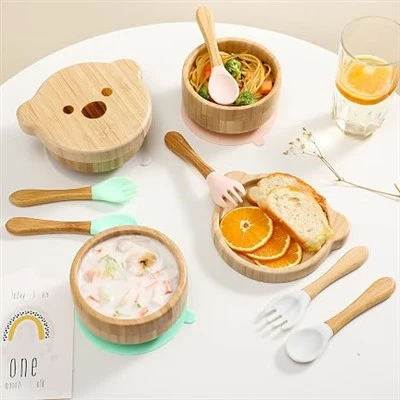
Second, choose the configuration based on your family's needs. Complete tableware sets, including plates, bowls, and cutlery, are ideal for family meals and should accommodate different size requirements. For example, adults often use approximately 10-inch plates, while smaller sizes are more practical for children.
Sustainability certification is equally important. Products with certifications like FSC indicate traceable bamboo sourcing and harvesting that meets environmental and social responsibility standards, providing peace of mind.
Finally, don't overlook thickness and craftsmanship. Bamboo tableware that is at least 5 millimeters thick is generally more sturdy, has better heat insulation, and is more durable for everyday use. By considering these points, you can not only choose safe and durable tableware but also integrate eco-friendly choices into your family's long-term lifestyle.

Tips for Pairing Bamboo Plates with Utensils
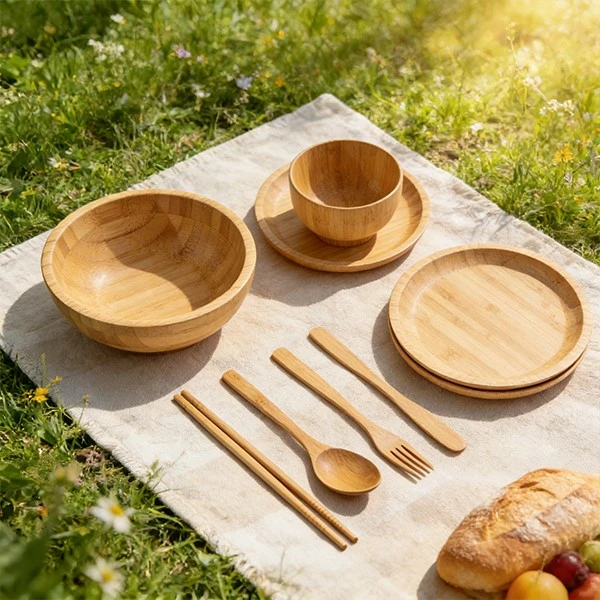
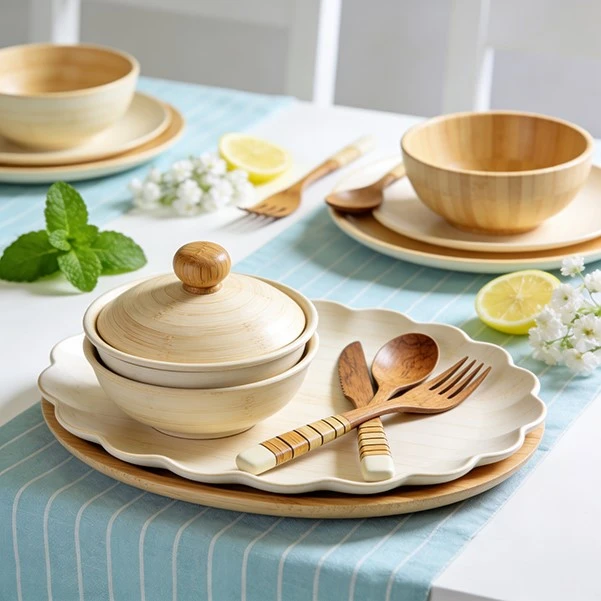
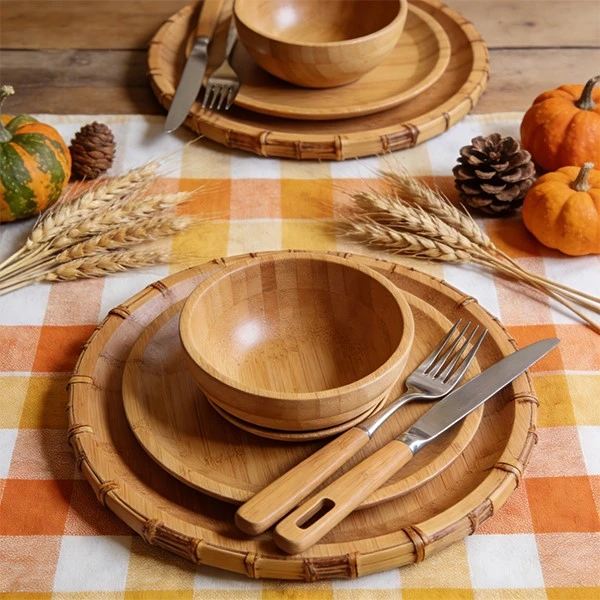
Have you ever wondered how to perfectly integrate bamboo tableware into your table setting? The secret to pairing bamboo plates and cutlery lies in the harmony of materials-pairing bamboo plates with stainless steel or wooden forks creates a balanced and rustic modern feel. To add visual interest, stack bamboo bowls on larger plates to create depth and better control portion sizes during family meals. Color coordination is crucial; neutral-toned bamboo tableware complements brightly colored tablecloths, while patterned bamboo tableware adds a pop of color to a minimalist table. Avoid overcrowding: place 2-3 pieces of similar style per seat to maintain an elegant ambiance. These bamboo plate and cutlery pairing tips can elevate an ordinary dining experience into a visually pleasing one, creating a harmonious and unified atmosphere at the table.
Sustainable Bamboo Tableware Themed Dinner Pairing Ideas
What innovative bamboo tableware pairing ideas can make your family themed dinners even more spectacular? Sustainable bamboo tableware pairings shine in seasonal themes-for fall gatherings, rustic bamboo tableware complements brass ornaments and autumn leaf decorations. In summer, lightweight bamboo tableware contrasts beautifully with colorful glassware, creating a refreshing outdoor atmosphere even indoors. For festive dinners, mix bamboo tableware with metal plates for a joyful and eco-friendly dining experience. Always maintain balance: if your bamboo tableware has intricate textures, choose simpler cutlery to avoid visual clutter. These sustainable bamboo tableware pairing ideas not only reduce waste but also inspire creativity, turning family meals into precious rituals.
How to Incorporate Bamboo Tableware into Daily Family Routines?
Using bamboo tableware daily isn't difficult; the key is to gradually integrate it into your daily routine. Start with recurring uses, such as using the same bamboo bowl for breakfast cereal and a bamboo plate for dinner salad. Make it a natural habit, reducing the hassle of repeatedly choosing tableware each day. For busy families, stackable bamboo tableware can effectively save cabinet space, making storage more efficient.
Furthermore, involve children in arranging and organizing bamboo tableware, fostering a sense of responsibility and early environmental awareness. As usage increases, the warm, natural feel of bamboo tableware will slow down the pace of meals, gradually transforming a rushed dinner into a more focused and warmer family time.
What Safety Considerations Should You Know for Bamboo Tableware?
Safety is indeed one of the most important considerations when using bamboo tableware. To ensure it remains a healthy and reliable choice, focus first on the material itself-prioritize pure bamboo or natural resin-reinforced products that are free of melamine and formaldehyde, and check for authoritative safety certifications. Some bamboo-plastic composites may migrate harmful substances when heated, thus restricting their use in markets such as the EU, reminding consumers to exercise caution when purchasing.
In daily use, it is recommended to regularly check the surface of the tableware for cracks or delamination, as these minor damages can become breeding grounds for bacteria. Even if the product is labeled "microwave safe," heating time should be minimized to avoid damaging the bamboo fiber structure with high temperatures. By following these basic principles, bamboo tableware can safely accompany your family's meals for a long time.
Bamboo Tableware Placement Tips: Enhancing the Dining Table's Texture
To make bamboo tableware a visual highlight on your dining table, consider these simple yet effective placement ideas. Layering bamboo tableware with placemats or tablecloths of different materials naturally creates a sense of depth. Grouping by size is also a common sustainable table setting method-larger plates below smaller plates-for salads or side dishes, which is both practical and tidy.
To elevate the dining atmosphere, pair it with soft LED lighting or candlelight to highlight the warm, natural color of the bamboo. These details, inspired by interior design, not only make the dining table more aesthetically pleasing but also add a touch of ceremony to everyday family meals.
FAQ
Q: Is bamboo tableware dishwasher-safe?
A: Most pure bamboo tableware should be hand-washed to preserve integrity, though some reinforced sets are dishwasher-compatible; always check labels.
Q: How long does bamboo tableware last?
A: With proper care, high-quality bamboo tableware can endure 5-7 years of regular use.
Q: Can bamboo tableware be used in microwaves?
A: It's generally safe for short reheating if certified, but avoid prolonged exposure to prevent degradation.
Annotations
Carbon sequestration: The process by which plants like bamboo absorb CO2 from the atmosphere, aiding climate mitigation.
Antimicrobial properties: Natural compounds in bamboo that inhibit bacterial and fungal growth, enhancing food safety.
FSC (Forest Stewardship Council): An international certification ensuring sustainable forestry practices.
280 Mt CO2e: Metric tons of carbon dioxide equivalents, a measure of greenhouse gas emissions avoided through bamboo adoption, per global studies.
Related Authority Links
https://www.sciencedirect.com/science/article/pii/S2773139125000734
https://www.restaurantware.com/blogs/catering-essentials/the-environment-benefits-when-you-use-bamboo-tableware
https://www.anzhucraft.com/benefits-of-bamboo-cutlery/
https://www.southernliving.com/how-to-mix-and-match-dinnerware-8733051
https://www.apartmenttherapy.com/how-to-mix-and-match-plates-238595
https://food.ec.europa.eu/food-safety/eu-agri-food-fraud-network/eu-coordinated-actions/bamboo-zling_en
https://www.anchenggy.com/blog/disposable-tableware-certifications-and-standards.html
https://ibambo.com/blog/friendsgiving-with-bamboo-dinnerware/
https://eha.eco/the-right-way-to-care-for-your-bamboo-kitchenware/