





Creating an impressive do it yourself meat and cheese tray has become increasingly popular among home entertainers, with the global charcuterie board market projected to reach $8.2 billion by 2028[^1]. Whether you're hosting an intimate gathering or a large celebration, mastering the art of assembling your own meat and cheese presentation offers both cost savings and creative satisfaction. This comprehensive guide will walk you through professional techniques, expert selection criteria, and strategic arrangement methods to elevate your entertaining experience.
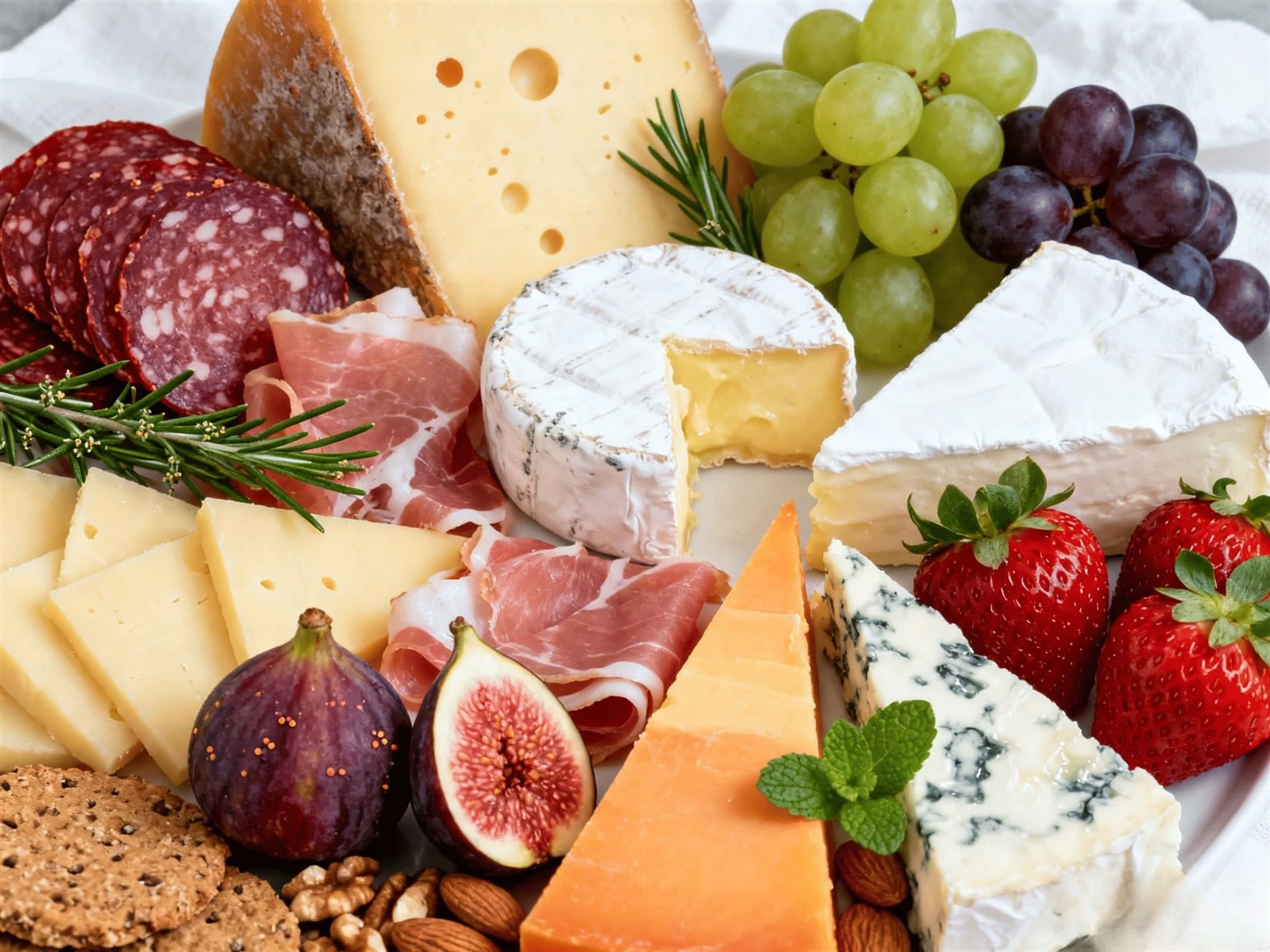
Understanding the foundational elements of a well-constructed do it yourself meat and cheese tray is crucial for achieving professional results. Industry standards suggest that a balanced charcuterie presentation should include five core categories: cured meats, artisan cheeses, complementary accompaniments, textural elements, and visual garnishes[^2].
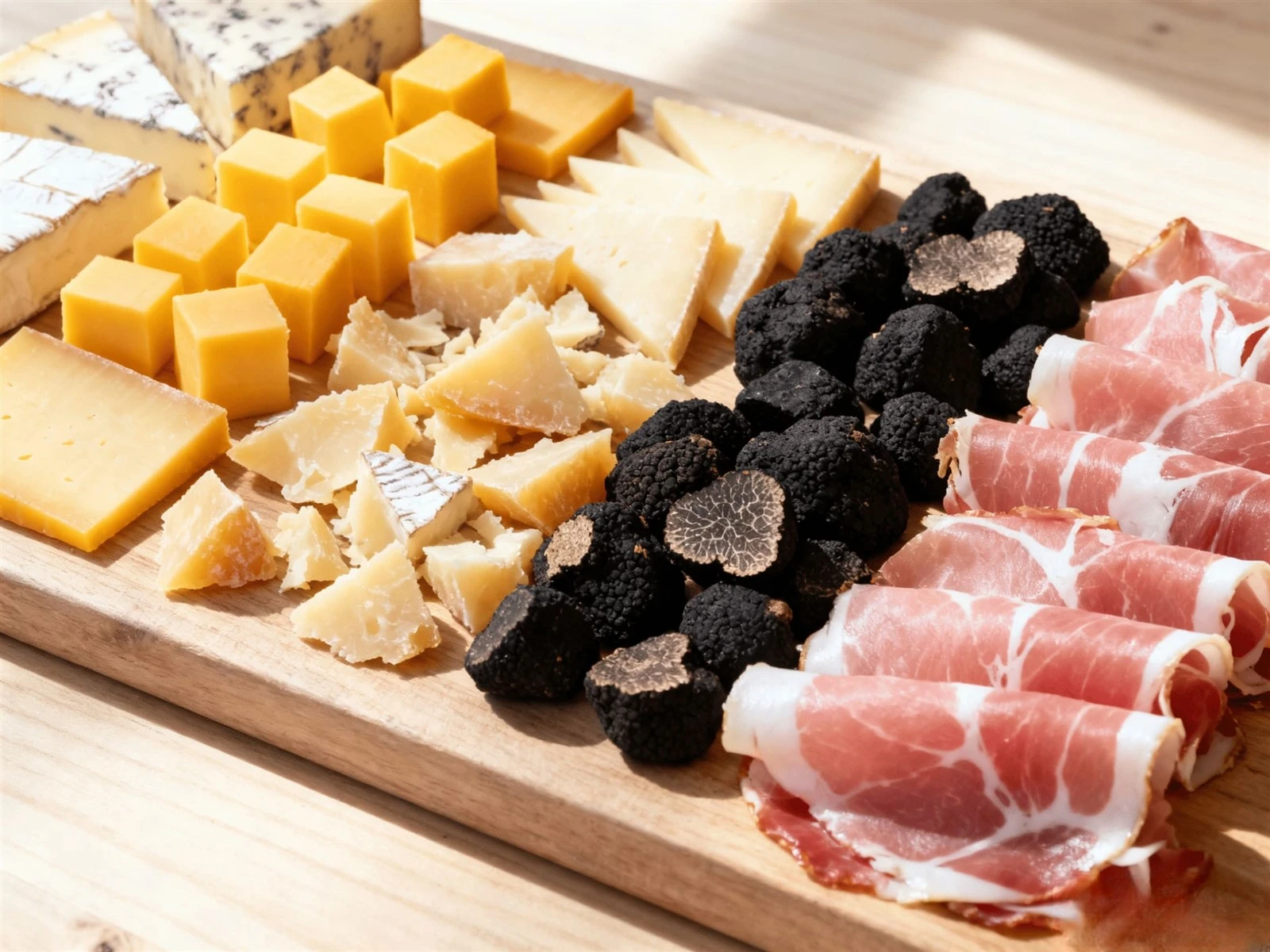
Cured Meats Selection: Professional charcuterie specialists recommend allocating approximately 2-3 ounces of meat per guest for appetizer portions. Premium selections include prosciutto di Parma, which undergoes a minimum 12-month aging process, Spanish Jamón Ibérico with its distinctive marbled appearance, and Italian salami varieties such as Genoa or Calabrese. According to the American Charcuterie Association, properly cured meats should exhibit a firm texture without excessive moisture, indicating proper preservation techniques[^3].
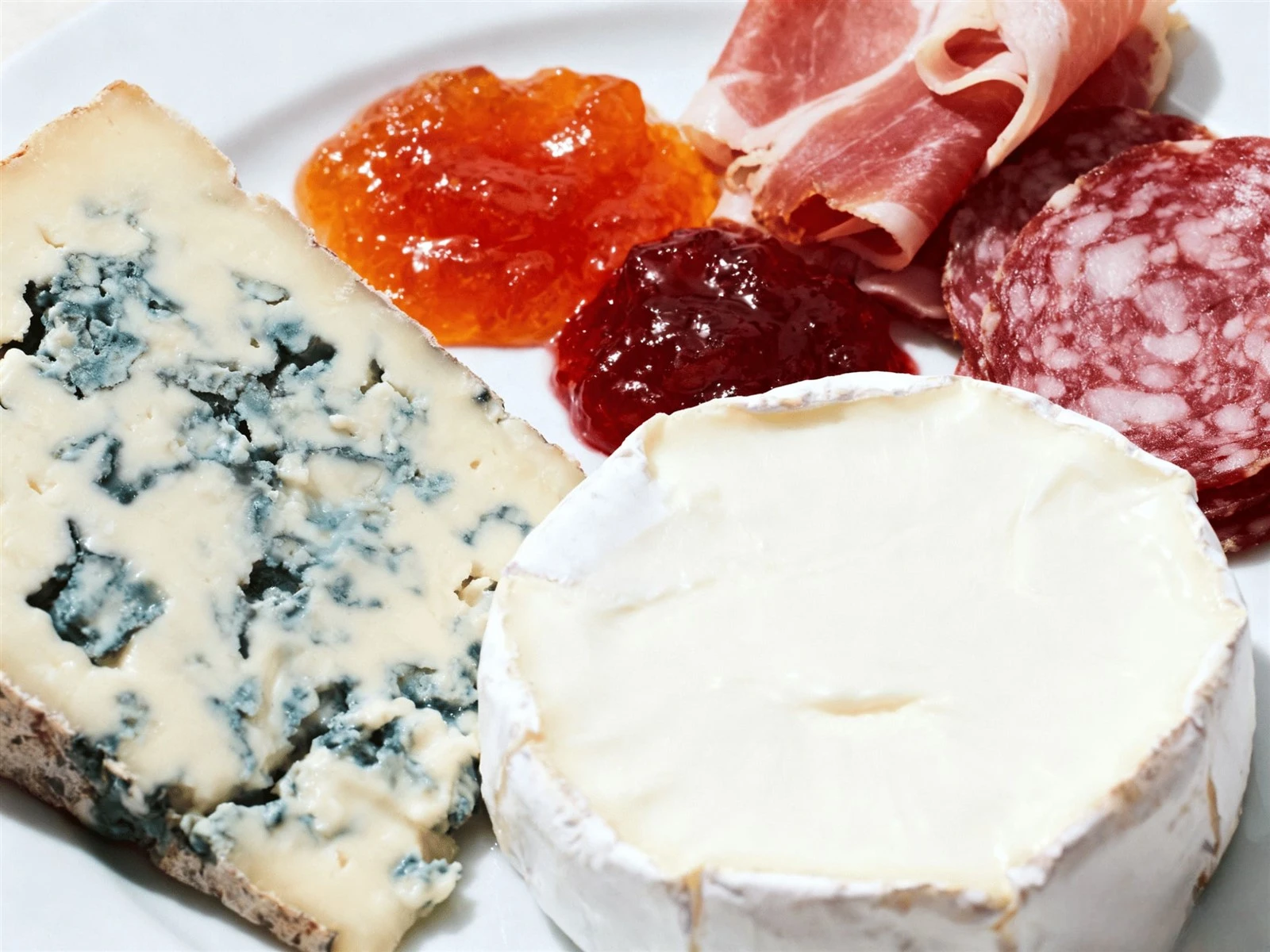
Artisan Cheese Categories: The best cheese for cheese board presentations typically spans multiple flavor profiles and textures. Industry experts advocate for the "rule of three to five" - selecting three to five distinct cheese varieties that represent different milk sources and aging processes. Aged manchego from Spain offers nutty complexity, French brie provides creamy indulgence, sharp aged cheddar delivers bold flavor, tangy goat cheese adds brightness, and blue cheese contributes assertive character. Research from the Specialty Food Association indicates that cheese consumption at social gatherings has increased by 23% since 2020[^4].
How Do You Calculate Proper Quantities for Your Meat and Cheese Serving Board?
Accurate portioning ensures your do it yourself meat and cheese tray satisfies guests without excessive waste. Professional caterers utilize a standardized formula based on event duration and meal timing.
| Guest Count | Appetizer Serving (2 hours) | Main Course Alternative (3+ hours) | Meat Quantity | Cheese Quantity |
|---|---|---|---|---|
| 8-10 guests | 3-4 oz per person | 5-6 oz per person | 2-2.5 lbs total | 1.5-2 lbs total |
| 12-15 guests | 3-4 oz per person | 5-6 oz per person | 3-3.5 lbs total | 2.5-3 lbs total |
| 20-25 guests | 3-4 oz per person | 5-6 oz per person | 5-6 lbs total | 4-5 lbs total |
| 30+ guests | 3-4 oz per person | 5-6 oz per person | 7.5-9 lbs total | 6-7.5 lbs total |
The National Restaurant Association's 2024 data suggests that events lasting longer than three hours require increased portions, as guests consume approximately 30% more when charcuterie serves as a primary food source rather than an appetizer[^5]. When planning your charcuterie serving board, consider these timing factors alongside your guest preferences and dietary restrictions.
Which Accompaniments Transform a Basic Tray into an Exceptional Charcuterie Board Tray?
Strategic selection of complementary elements distinguishes amateur presentations from professional-quality do it yourself meat and cheese tray arrangements. Accomplished charcuterie artisans emphasize the importance of balancing sweet, savory, acidic, and textural components.
Sweet Elements
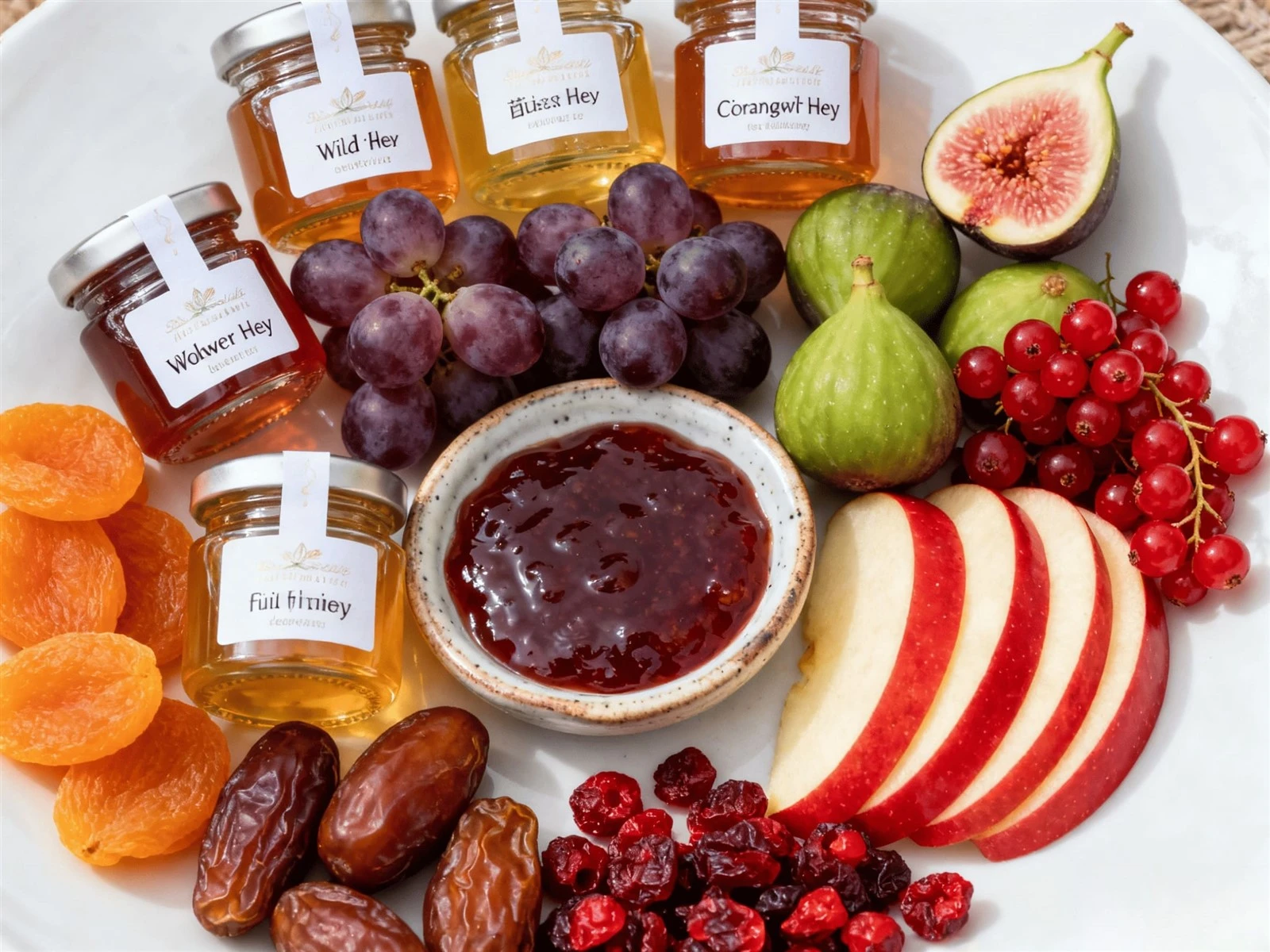
Local honey varieties, particularly those with distinct flavor profiles such as wildflower, clover, or orange blossom, provide natural sweetness that enhances aged cheeses. Fig jam or preserves offer concentrated sweetness with textural interest, while fresh seasonal fruits including grapes, figs, apple slices, and berries contribute both flavor and visual appeal. The Culinary Institute of America notes that dried fruits such as apricots, dates, and cranberries provide chewy texture and concentrated sweetness that pairs exceptionally with salty cured meats[^6].
Savory and Acidic Components
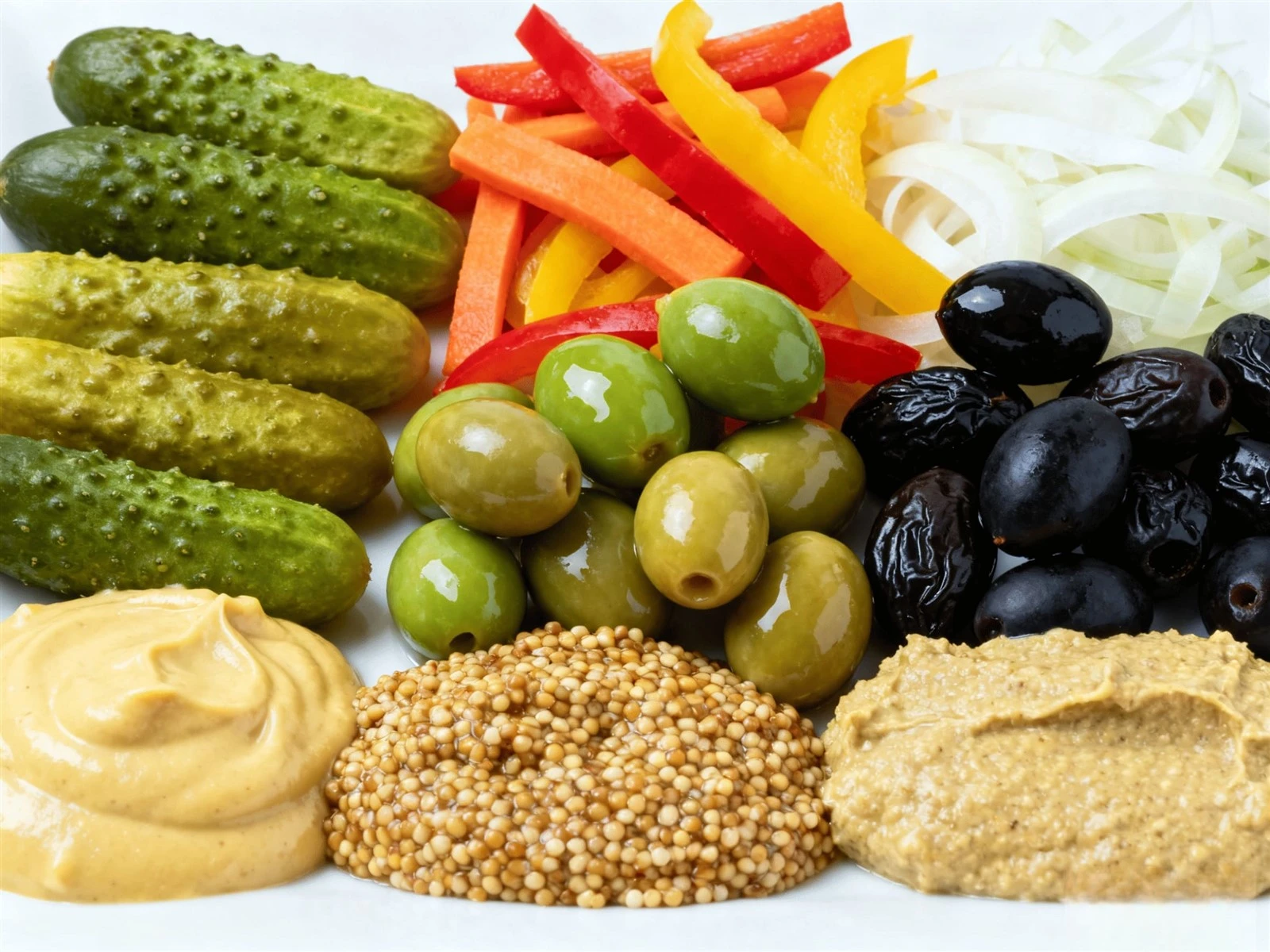
Cornichons and various pickled vegetables deliver essential acidity that cuts through rich, fatty meats. Marinated olives in varieties such as Castelvetrano, Kalamata, or Cerignola add briny complexity. Whole grain mustard and grainy Dijon provide sharp, acidic contrast. According to research published in the Journal of Food Science, acidic components enhance palatability by cleansing the palate between tastings and highlighting the nuanced flavors in artisan cheeses[^7].
Textural Components
Assorted crackers in multiple shapes and neutral flavors serve as vehicles without overwhelming delicate tastes. Toasted baguette slices provide sturdy support for soft cheeses and spreads. Artisan breadsticks or grissini add vertical visual interest and satisfying crunch. Raw nuts including almonds, walnuts, and marcona almonds contribute protein and healthy fats while offering textural variety.
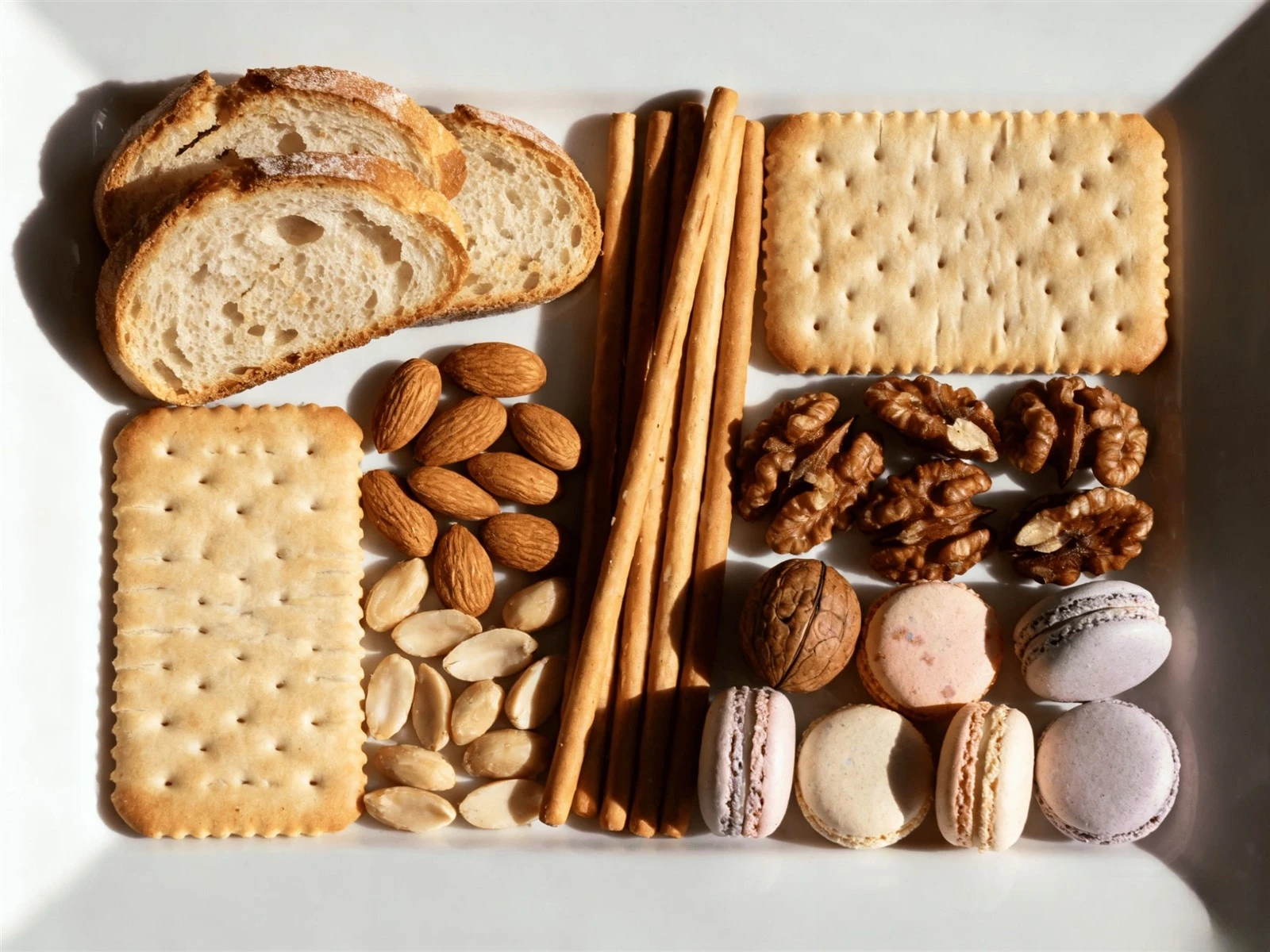
What Board Materials and Sizes Work Best for Different Occasions?
Selecting appropriate serving vessels significantly impacts both presentation aesthetics and functional practicality for your do it yourself meat and cheese tray.
| Board Type | Size Range | Best For | Maintenance Level | Price Range |
|---|---|---|---|---|
| Bamboo charcuterie board | 12-24 inches | Casual gatherings, outdoor events | Low - dishwasher safe | $25-$60 |
| Slate charcuterie board | 10-20 inches | Elegant presentations, photography | Medium - hand wash only | $35-$85 |
| Marble charcuterie board | 12-18 inches | Formal events, temperature control | Medium - hand wash only | $45-$150 |
| Olive wood charcuterie board | 14-22 inches | Rustic presentations, artisan appeal | High - oil treatment required | $60-$200 |
| Acacia wood serving board | 16-26 inches | Large gatherings, versatile use | Medium - hand wash, occasional oil | $40-$120 |
Industry professionals frequently recommend bamboo cheese board options for their antimicrobial properties and sustainable sourcing. Research from the Food Safety and Inspection Service confirms that bamboo surfaces naturally resist bacterial growth more effectively than traditional hardwoods, making them ideal for extended serving periods[^8].
How Should You Arrange Components for Maximum Visual Impact on Your Charcuterie Serving Board?
Professional arrangement techniques transform random placement into an artfully composed do it yourself meat and cheese tray that captivates guests before they take their first bite. Certified charcuterie specialists employ strategic placement principles based on color theory, height variation, and flow patterns.
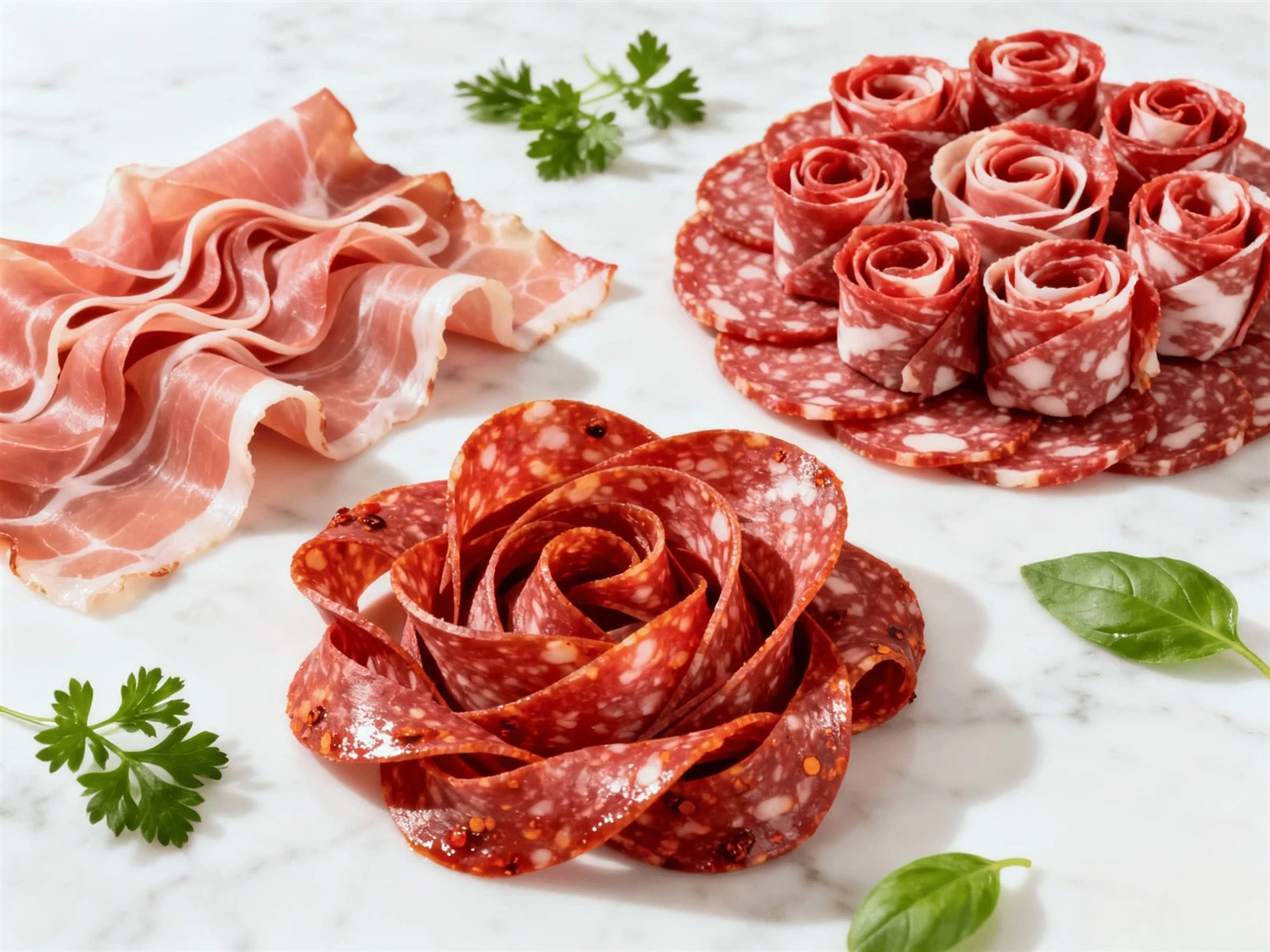
Foundational Placement Strategy: Begin by positioning larger cheese wedges and blocks at asymmetrical points across your board, creating natural focal areas. Culinary design experts recommend the "odd number rule" - arrangements featuring three or five cheese placements appear more visually dynamic than even-numbered layouts[^9]. Place small serving bowls containing honey, jams, mustards, and olives strategically to anchor different board sections while preventing liquid components from contaminating dry elements.
Meat Folding and Arrangement Techniques: Professional charcutiers utilize specific folding methods that maximize visual appeal while maintaining practical accessibility. The "river fold" technique involves folding thin slices like prosciutto or salami in half lengthwise, then creating loose waves across the board. The "rosette method" requires rolling individual slices into tight cylinders, then arranging them in circular patterns resembling flowers. For thicker cuts like soppressata, the "ribbon fold" creates elegant loops that add dimensional interest.
Creating Height and Dimension: Vertical elements prevent flat, monotonous presentations that lack visual excitement. Stack crackers in alternating patterns, lean breadsticks against cheese wedges, and create small fruit clusters that rise above the board surface. The American Institute of Food Distribution notes that presentations with varying heights increase consumer engagement by approximately 40% compared to flat arrangements[^10]
What Food Safety Protocols Must You Follow for Meat and Cheese Presentations?
Maintaining proper food safety standards protects your guests while preserving ingredient quality throughout your event. The United States Department of Agriculture (USDA) provides specific guidelines for perishable food handling that apply directly to do it yourself meat and cheese tray preparation.
Temperature Control Requirements: Perishable foods including cheese and cured meats should not remain in the "danger zone" (40°F to 140°F) for more than two hours, or one hour if ambient temperature exceeds 90°F[^11]. Professional caterers recommend the "two-board rotation method" - prepare two separate boards and alternate them every 90 minutes, refrigerating one while serving the other. This technique maintains optimal food safety without disrupting guest service.
Preparation Timeline: Remove cheeses from refrigeration 30-45 minutes before serving to allow flavors to develop fully at room temperature. According to the American Cheese Society, serving cheese at 65-70°F reveals complex flavor compounds that remain muted when cold[^12]. However, maintain meats under refrigeration until 15 minutes before presentation to minimize bacterial growth potential.
Cross-Contamination Prevention: Use separate cutting boards and utensils for different cheese varieties to prevent flavor transfer. Provide individual serving utensils for each cheese and meat selection. Designate specific knives for soft cheeses versus firm varieties, as soft cheese residue can alter the taste of subsequent selections.
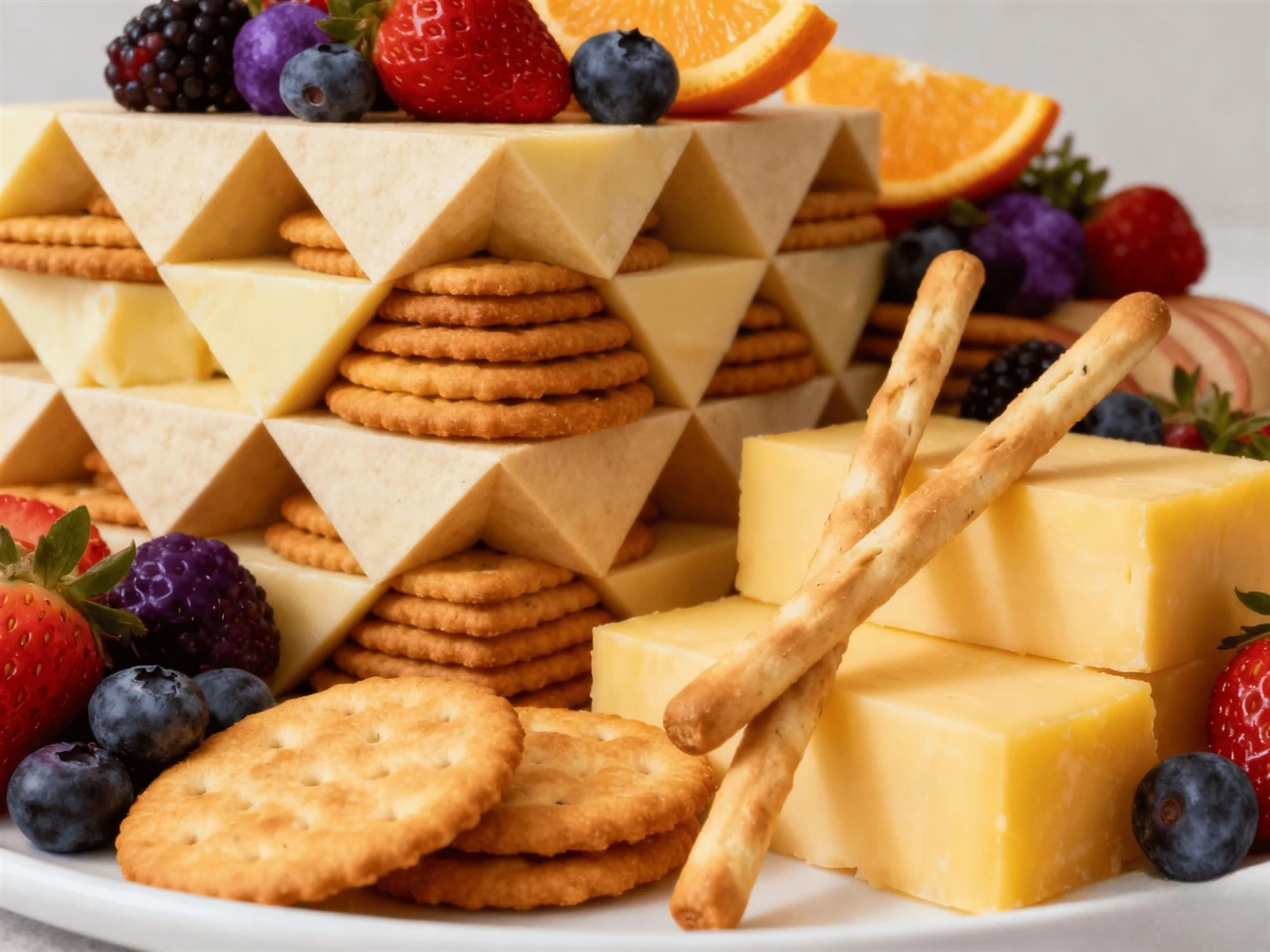
Creating an impressive do it yourself meat and cheese tray need not strain your entertainment budget. Strategic purchasing and preparation methods deliver professional results while controlling costs effectively.
Bulk Purchasing Advantages: Wholesale clubs and specialty grocers offer significant savings on charcuterie components when purchased in larger quantities. Price comparison analysis from Consumer Reports indicates that buying cheese in bulk and portioning it yourself saves approximately 35-50% compared to pre-sliced deli counter purchases[^13]. Consider coordinating with friends or neighbors to split bulk quantities, particularly for more expensive items like prosciutto or aged cheeses.
Seasonal Sourcing Strategies: Purchasing fruits and accompaniments in season dramatically reduces costs while ensuring peak flavor. Local farmers' markets provide high-quality produce at competitive prices, often 20-40% below supermarket rates. The USDA Agricultural Marketing Service reports that seasonal buying additionally supports local agriculture and reduces transportation-related environmental impact[^14].
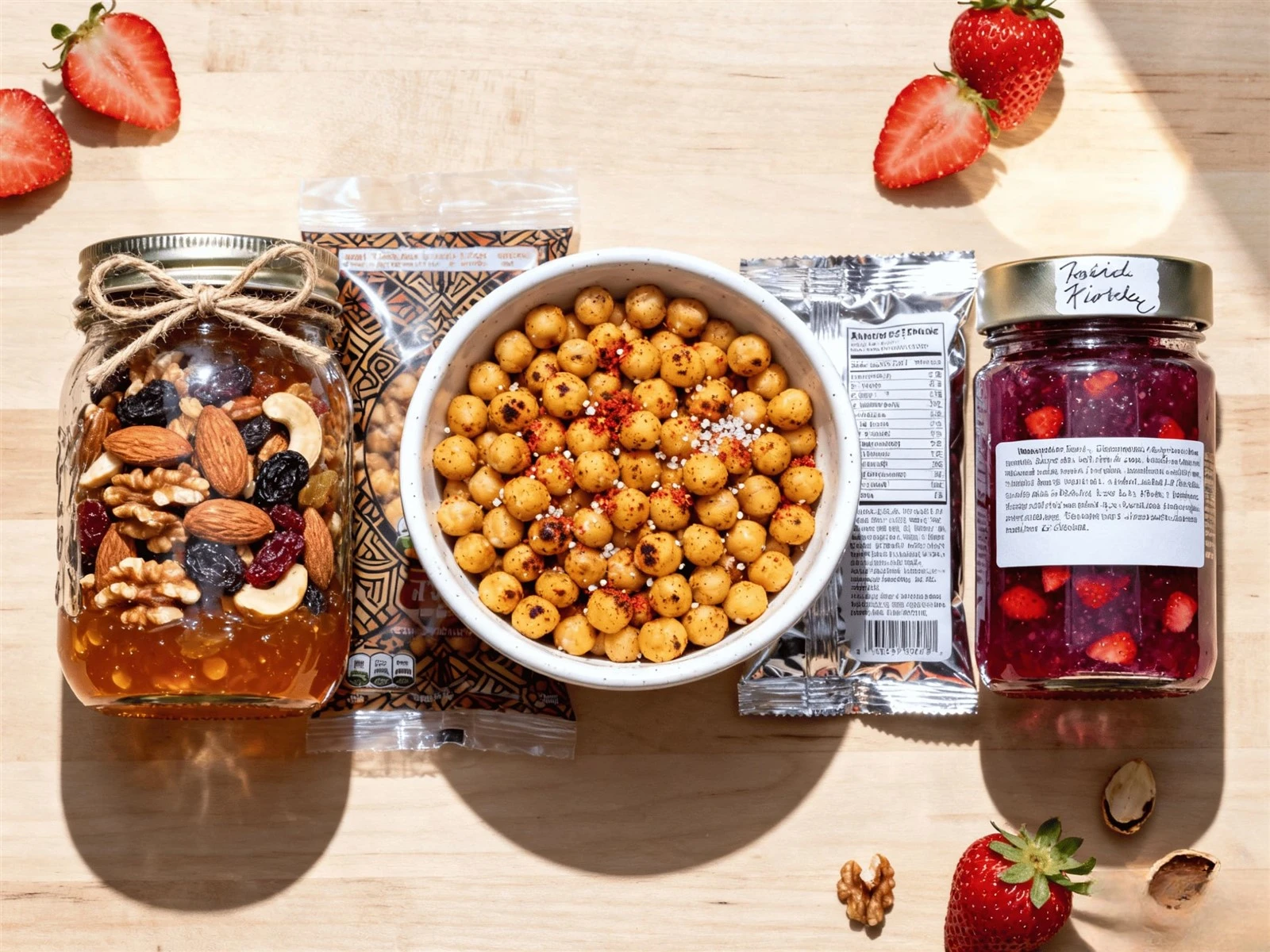
DIY Component Preparation: Several traditionally purchased items can be prepared at home with minimal effort and substantial savings. Homemade candied nuts cost approximately $3 per pound compared to $12-15 for commercial varieties. Roasted and seasoned chickpeas provide a budget-friendly alternative to expensive marcona almonds. Homemade preserves and jams, when prepared during peak fruit season, cost less than half the price of artisan varieties while offering superior freshness
How Can You Customize Your Charcuterie Board Tray for Dietary Restrictions?
Modern entertaining requires accommodation of various dietary preferences and restrictions. A well-planned do it yourself meat and cheese tray can satisfy diverse nutritional needs without compromising presentation or flavor.
| Dietary Need | Substitutions and Modifications | Flavor Profile Maintenance |
|---|---|---|
| Vegetarian | Replace cured meats with marinated vegetables, roasted peppers, sundried tomatoes, artichoke hearts, and plant-based "salami" | Umami depth maintained through fermented and marinated components |
| Vegan | Utilize cashew-based cheese alternatives, almond-based spreads, and nutritional yeast-enhanced dips | Creamy textures achieved through nut-based preparations |
| Gluten-Free | Substitute crackers with rice crackers, corn-based chips, gluten-free bread, and vegetable crudités | Crunchy textures preserved through alternative bases |
| Dairy-Free | Focus on premium cured meats, extensive produce selections, and dairy-free cheese alternatives | Richness maintained through high-quality meat selections and healthy fats from nuts |
| Low-Sodium | Select low-sodium cheese varieties, uncured meats, and fresh rather than pickled accompaniments | Flavor complexity achieved through herbs, spices, and citrus elements |
The Academy of Nutrition and Dietetics reports that 32% of American households now regularly accommodate at least one dietary restriction, making flexible menu planning increasingly important for successful entertaining[^15].
What Advanced Techniques Elevate Your Presentation to Professional Standards?
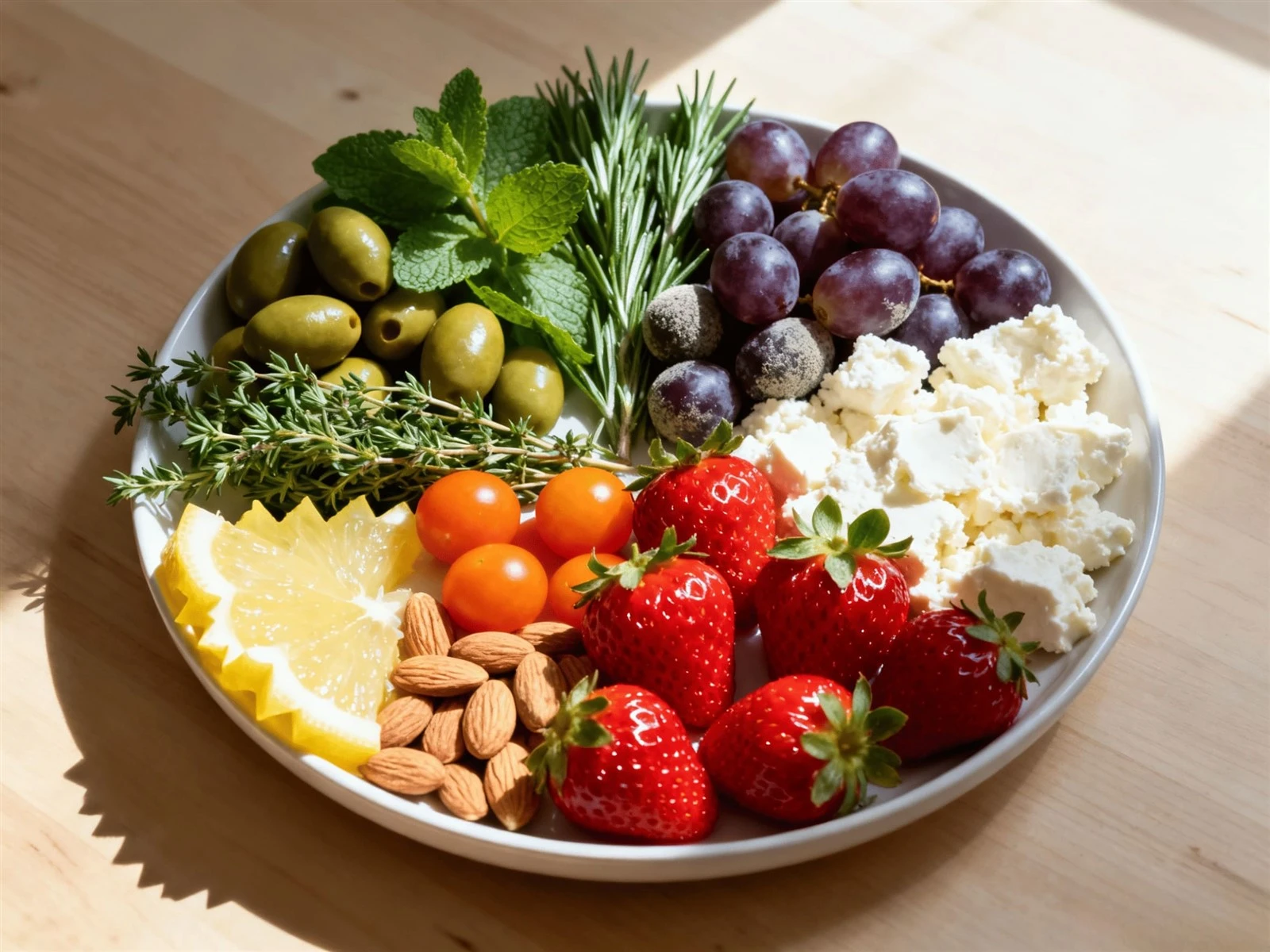
Mastering sophisticated arrangement methods distinguishes your do it yourself meat and cheese tray from basic cheese plate presentations. Professional charcuterie artists employ color theory, compositional balance, and sensory engagement principles.
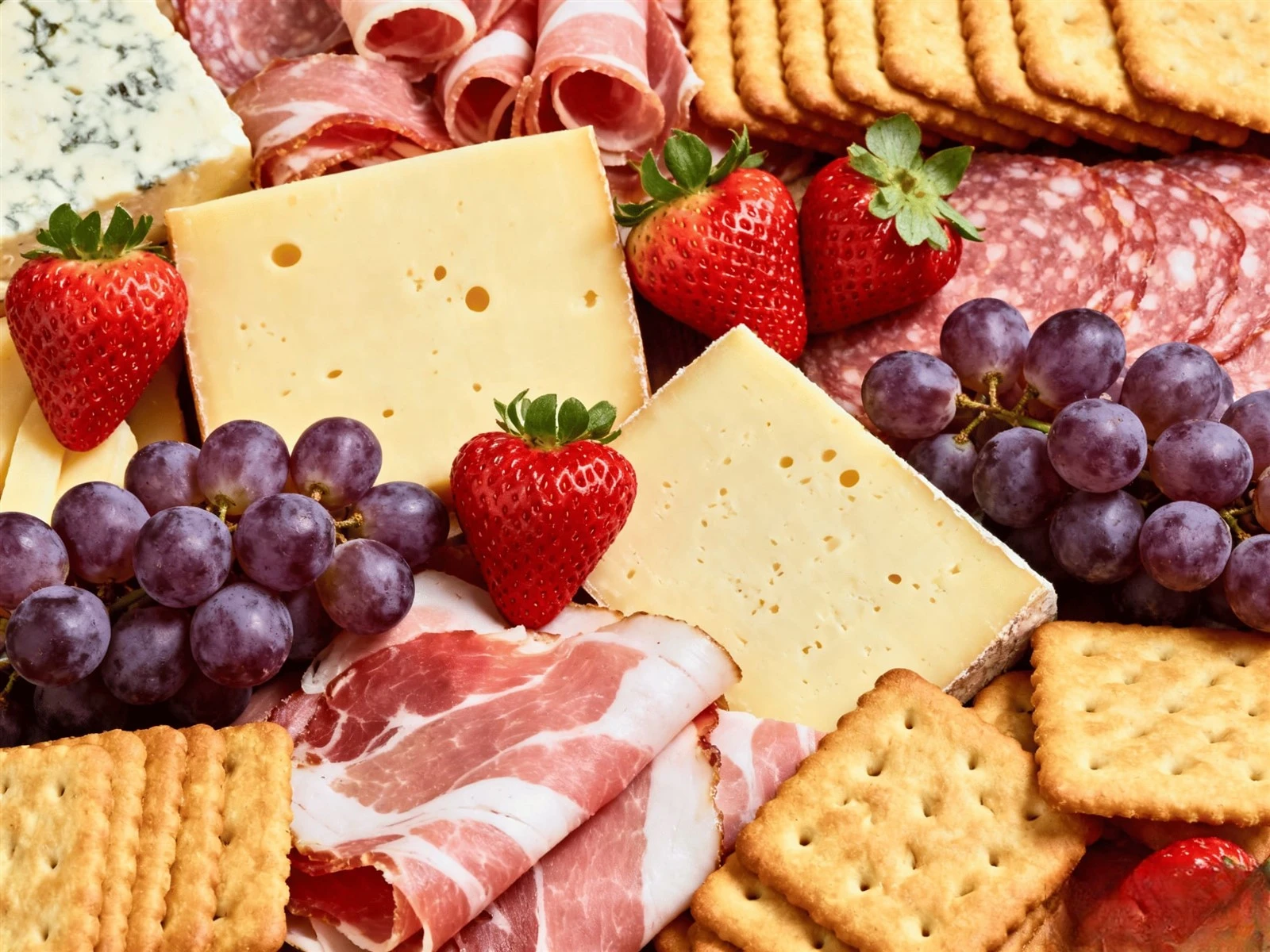
Color Wheel Application: Strategic color placement creates visual harmony that subconsciously increases appeal. Position vibrant elements like red strawberries near pale white cheeses to create complementary contrast. Distribute green elements (herbs, grapes, olives) throughout the board to provide color continuity. Food photography research from the International Association of Culinary Professionals demonstrates that presentations incorporating 5-7 distinct colors receive 60% higher engagement ratings than monochromatic arrangements[^16].
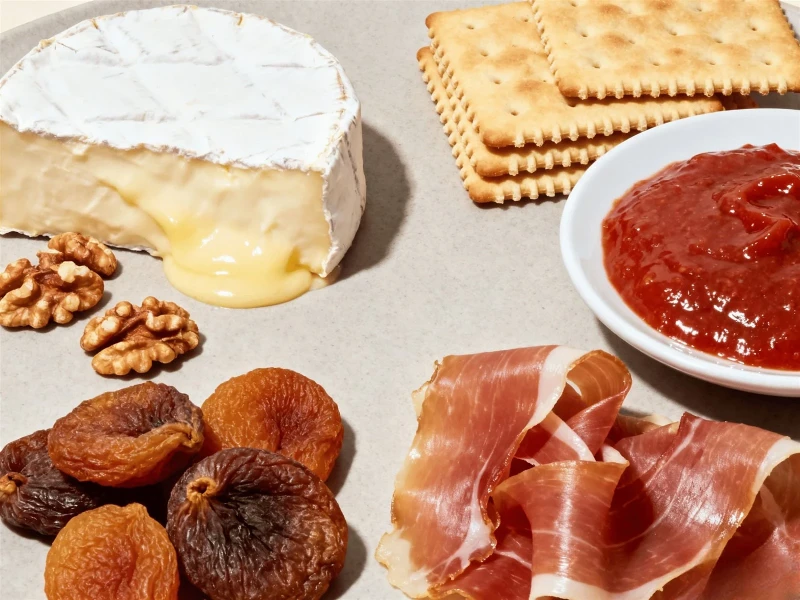
Texture Mapping: Deliberately alternating textures throughout your board creates tactile interest that engages multiple senses. Follow creamy brie with crunchy nuts, position crisp crackers near smooth pâté, and place rough-textured dried fruits adjacent to silky prosciutto. This conscious texture variation prevents palate fatigue and encourages guests to sample diverse combinations.
Negative Space Management: Professional designers recognize that empty space (negative space) enhances rather than detracts from presentation impact. Overcrowded boards appear chaotic and make component selection difficult. The optimal coverage ratio maintains approximately 80-85% board surface filled with strategic gaps that guide visual flow and provide practical access points.
Which Specialty Tools Streamline Preparation and Service?
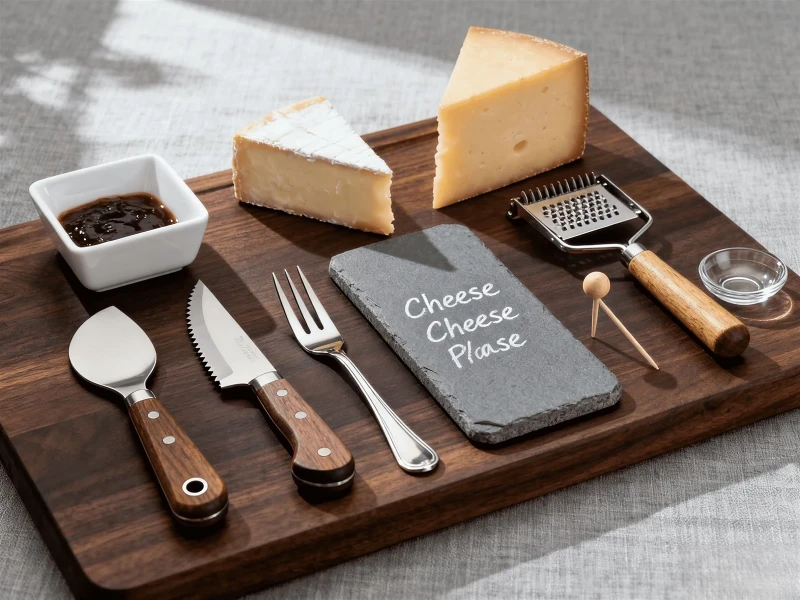
Investing in quality preparation and serving implements enhances both efficiency and presentation standards for your do it yourself meat and cheese tray projects.
Essential Cutting Implements: A dedicated cheese knife set addresses the unique requirements of different cheese consistencies. Soft cheese knives feature holes that prevent sticking, hard cheese knives provide sturdy leverage for aged varieties, and cheese planes create uniform thin slices. The cheese slicer board concept integrates cutting and serving functions, though separate implementation offers greater flexibility.
Presentation Enhancement Tools: Small slate markers or labels help guests identify unfamiliar varieties, particularly beneficial when serving artisan selections. Miniature serving forks and picks facilitate neat component selection without hand contact. Individual cheese knives for each variety prevent flavor cross-contamination while adding elegant visual detail.
Preparation Efficiency Equipment: A quality mandoline slicer produces uniform fruit and vegetable cuts with significantly less time investment than hand-cutting methods. Kitchen shears designed for herb cutting create neat garnish additions. Ramekins and small bowls in varying sizes contain wet accompaniments while contributing to board composition.
How Do Seasonal Themes Transform Standard Presentations?
Adapting your do it yourself meat and cheese tray to seasonal themes demonstrates sophisticated entertaining skills while capitalizing on peak ingredient availability and quality.
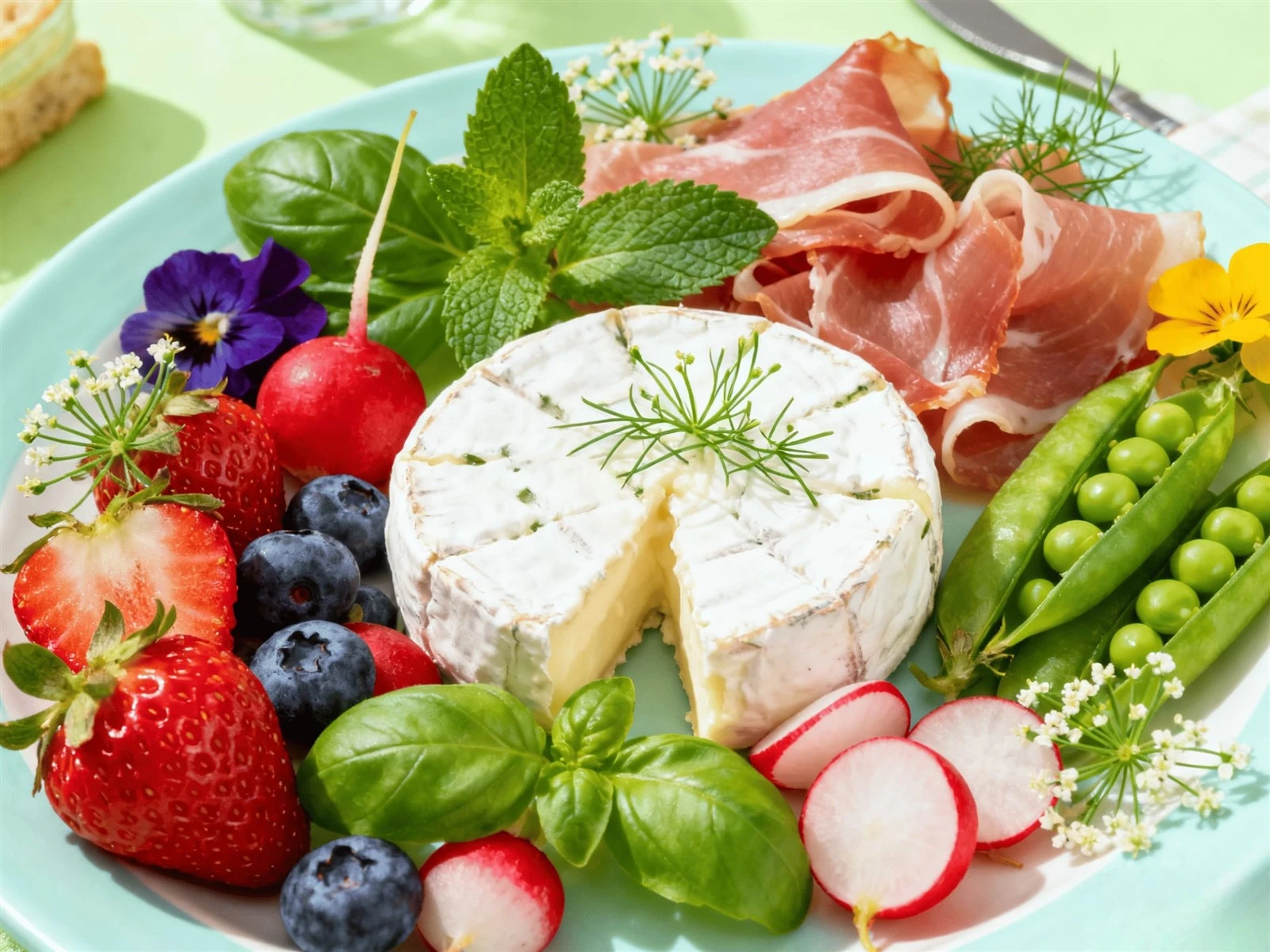
Spring Presentations
Emphasize fresh, light flavors with goat cheese, mild prosciutto, fresh berries, snap peas, radishes, and edible flowers. Incorporate bright, pastel serving elements and herb garnishes like mint, basil, and chive blossoms. Spring farmer's market produce provides optimal flavor and value during this season.
Summer Arrangements
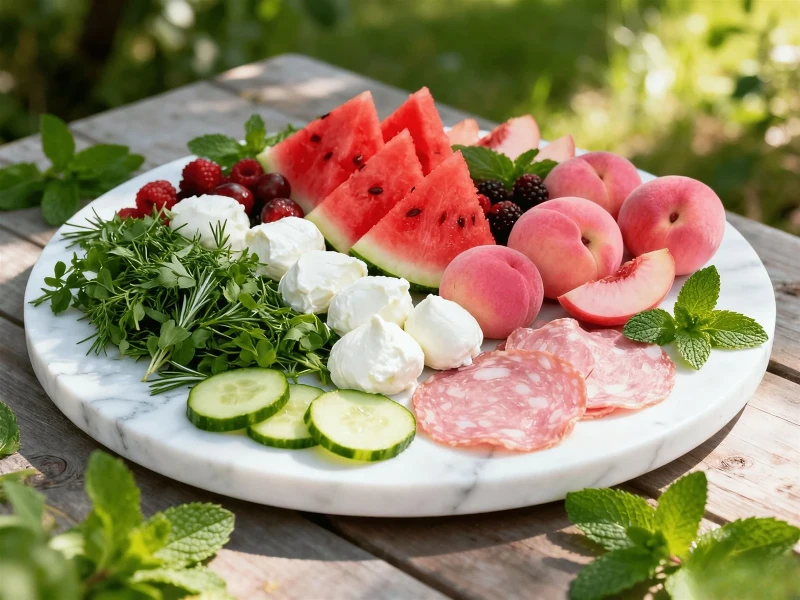
Feature refreshing components including watermelon, stone fruits, fresh mozzarella, light salami varieties, and abundant fresh herbs. Consider serving on a marble serving board, which naturally maintains cooler temperatures during warm weather outdoor events. Incorporate cooling elements like cucumber slices and fresh mint.
Autumn Compositions
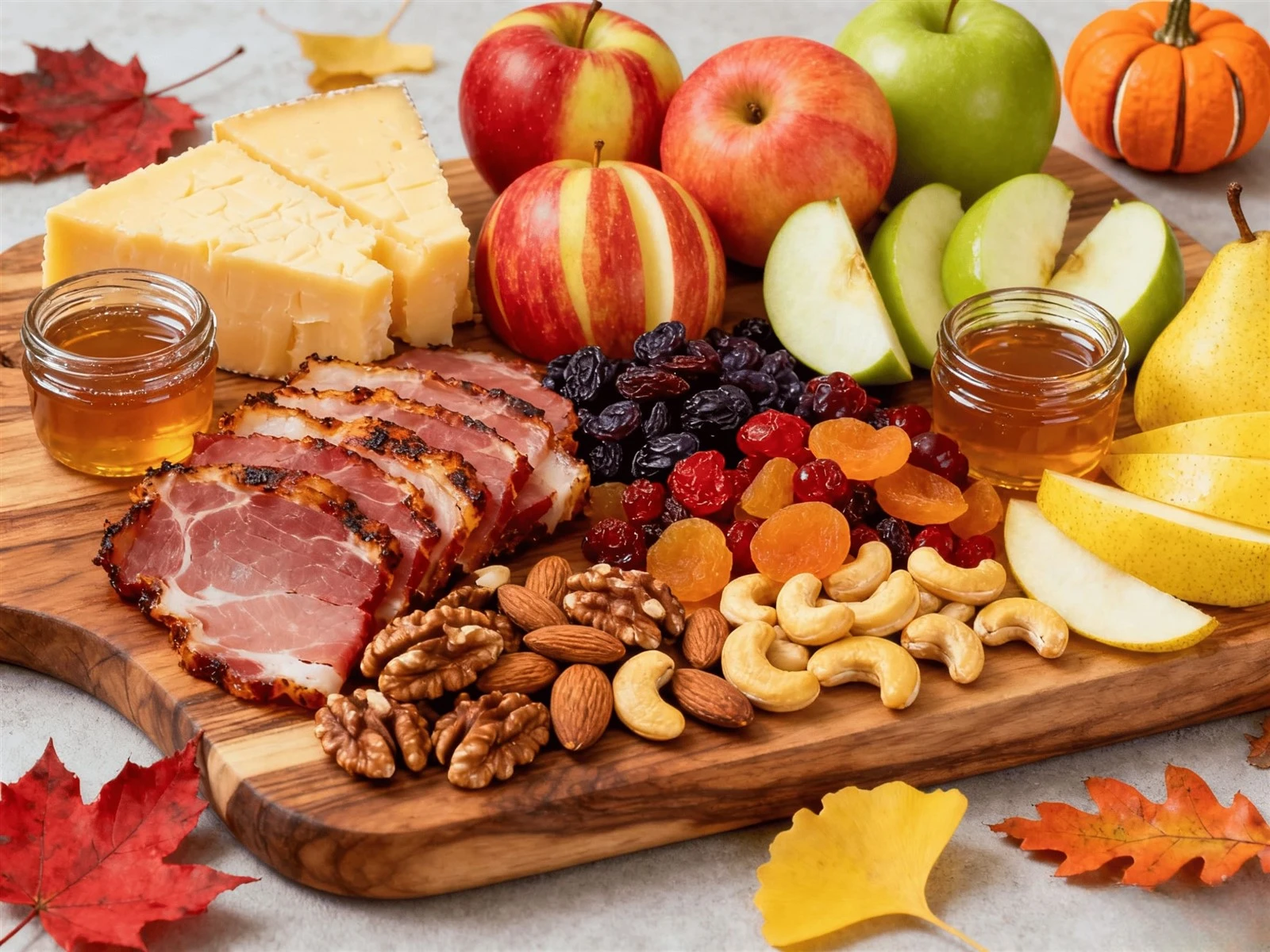
Embrace rich, warming flavors with aged cheddar, smoked meats, apple varieties, pears, dried fruits, spiced nuts, and honey varietals. Position elements on an olive wood charcuterie board that echoes autumn's natural aesthetics. Include seasonal touches like small decorative pumpkins or autumn leaves as non-edible accents.
Winter Displays
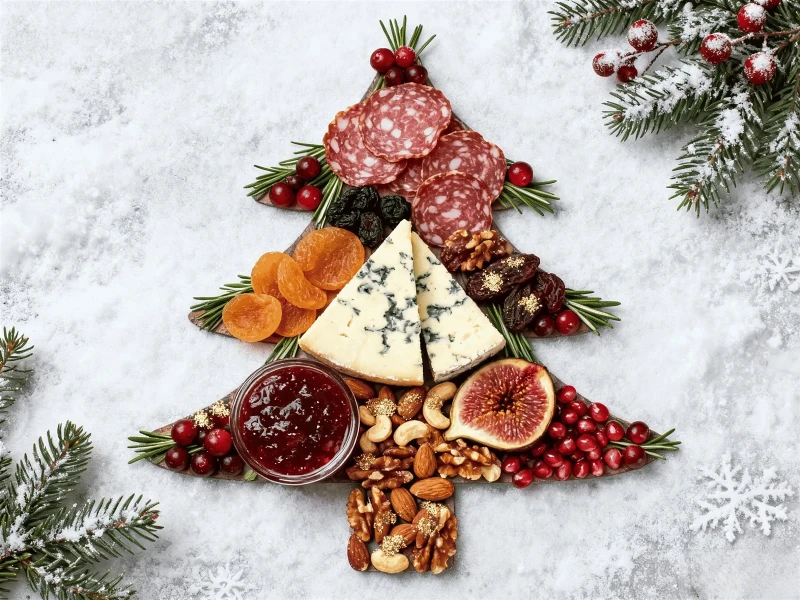
Showcase bold, hearty selections including blue cheese, aged salami, dried fruits, roasted nuts, fig jam, and pomegranate arils. The christmas tree shaped charcuterie board trend has gained significant popularity, with social media engagement increasing 340% during holiday seasons[^17]. Incorporate festive garnishes like rosemary sprigs, cranberries, and gold-dusted nuts.
What Regional Styles Influence Modern Charcuterie Presentations?
Understanding traditional regional approaches provides inspiration and authenticity for your do it yourself meat and cheese tray while educating guests about global culinary traditions.
French Charcuterie Traditions
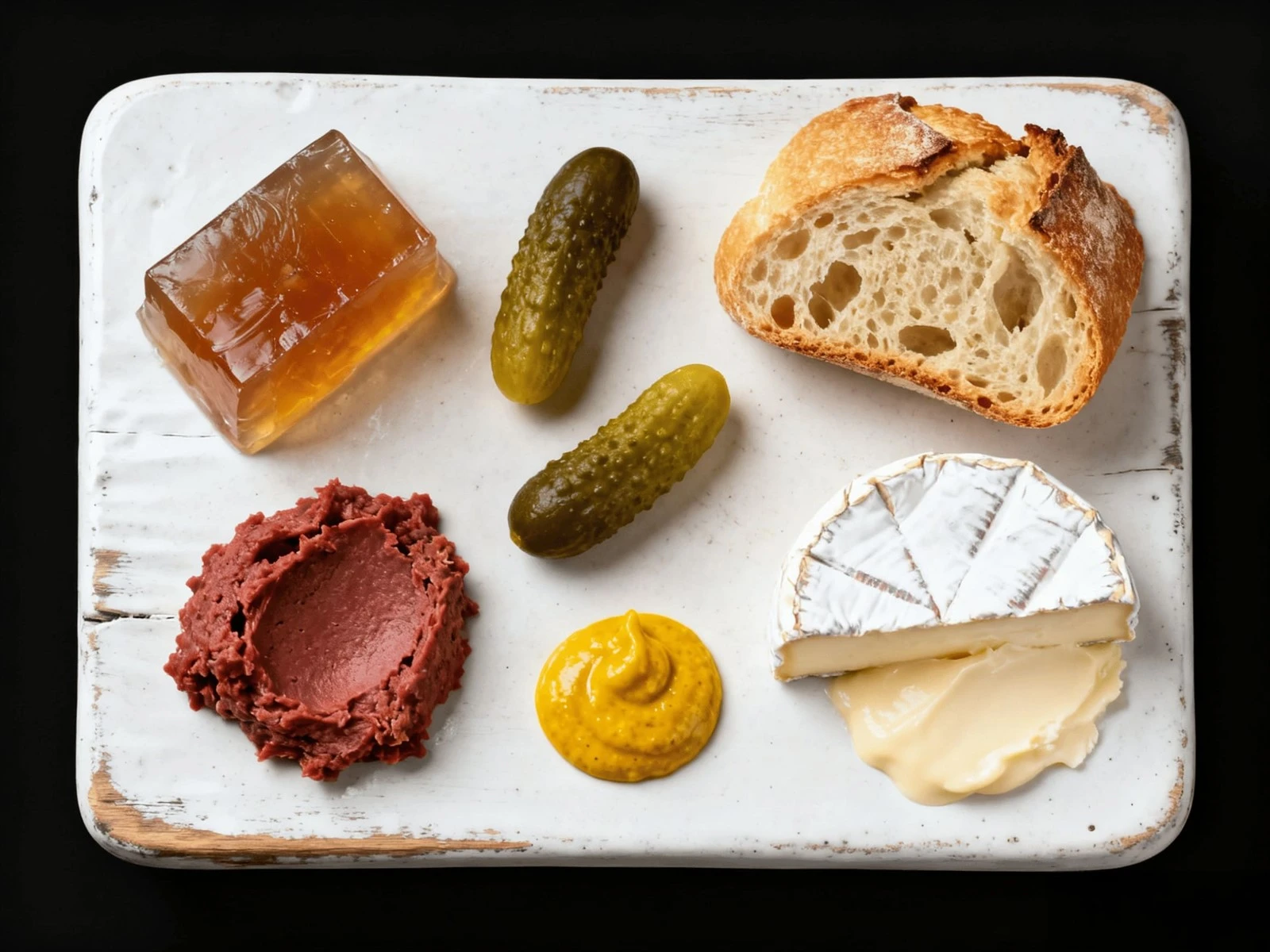
Classic French presentations emphasize terrines, pâtés, cornichons, Dijon mustard, and rustic bread alongside soft-ripened cheeses like Camembert and triple-cream varieties. The French approach prioritizes simplicity and quality over quantity, typically featuring 3-4 carefully selected components rather than abundant variety.
Italian Antipasto Styling
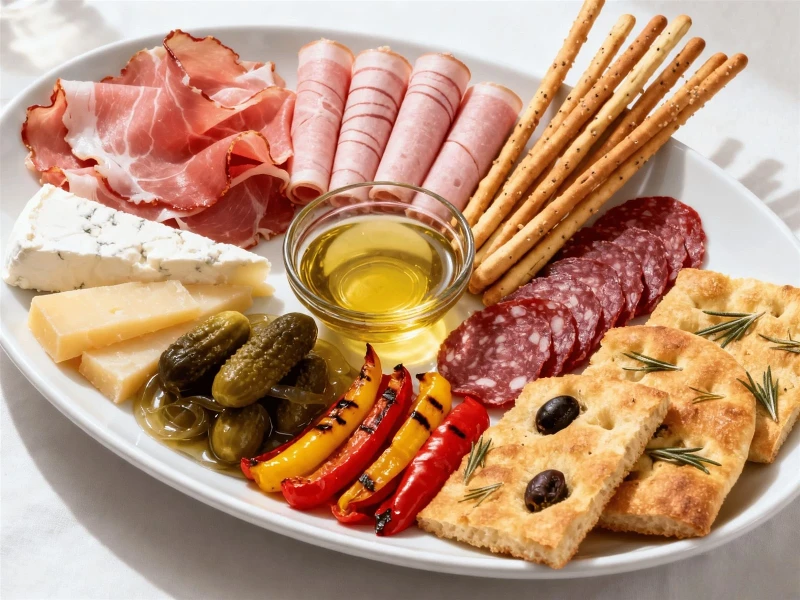
Italian-influenced boards showcase cured meats like prosciutto, mortadella, and bresaola alongside Parmigiano-Reggiano, Pecorino Romano, marinated artichokes, roasted peppers, and quality olive oil for bread dipping. Traditional Italian service includes grissini and focaccia rather than crackers.
Spanish Tapas Influence
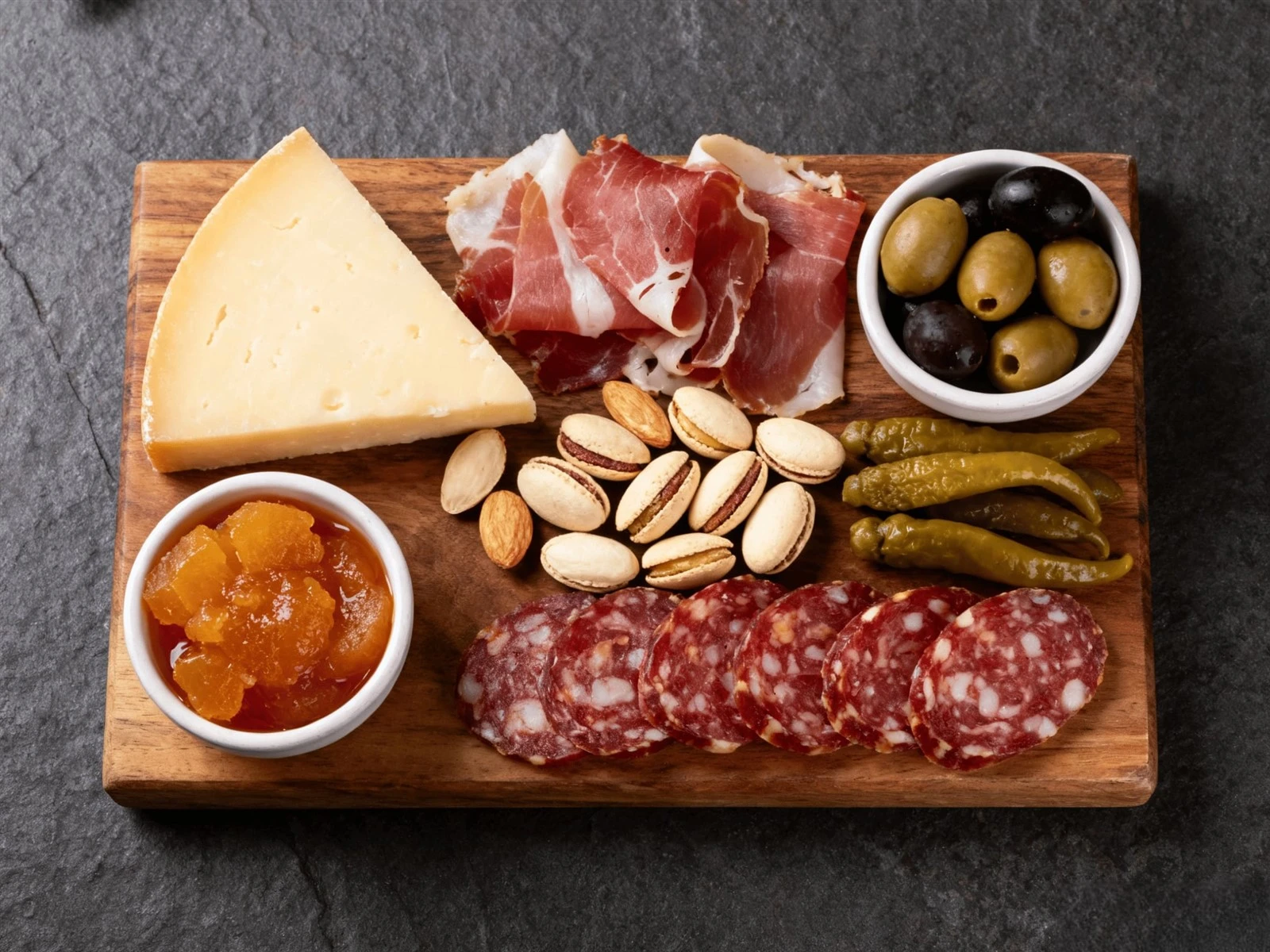
Spanish interpretations feature Manchego cheese, Jamón Ibérico, chorizo, Marcona almonds, olives, piquillo peppers, and membrillo (quince paste). The Spanish tradition of small plates (tapas) encourages multiple smaller boards rather than one large presentation.
American Contemporary Fusion
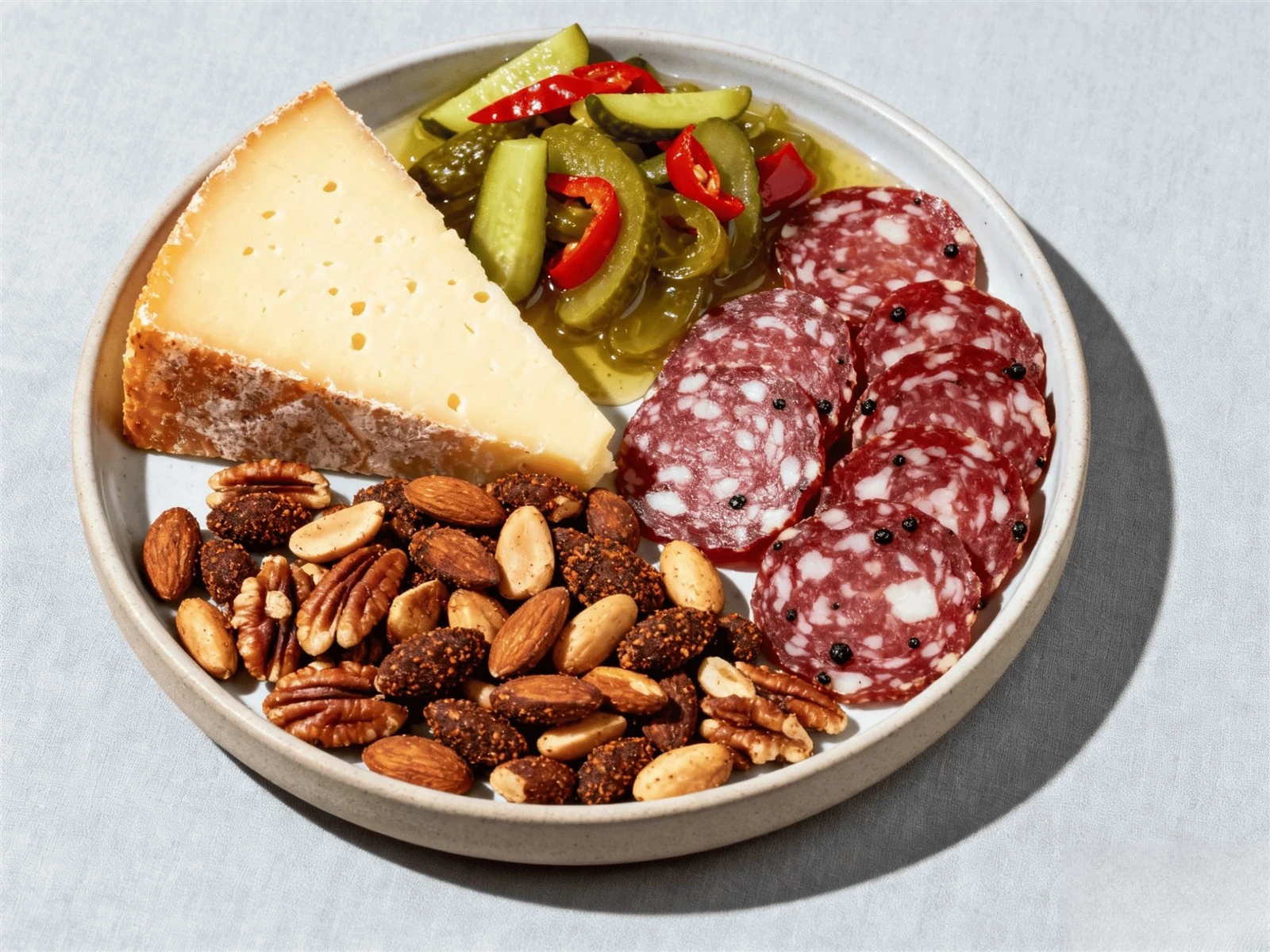
Modern American approaches blend international influences with regional American ingredients, creating eclectic presentations that might include local farmstead cheeses, regional artisan salami, southern pickles, and southwestern-spiced nuts. This fusion style reflects America's multicultural culinary landscape.
What Storage and Make-Ahead Techniques Ease Entertainment Stress?
Strategic preparation reduces last-minute stress while maintaining ingredient quality for your do it yourself meat and cheese tray presentation.
Advance Preparation Timeline: Two days before: Purchase non-perishable items including crackers, nuts, dried fruits, and preserves. One day before: Purchase meats and cheeses, wash and dry fresh fruits and vegetables, prepare any homemade components. Morning of event: Remove cheeses from packaging and arrange in serving formation on parchment paper, refrigerate covered until 45 minutes before service. One hour before: Complete final assembly, add fresh herbs and delicate garnishes.
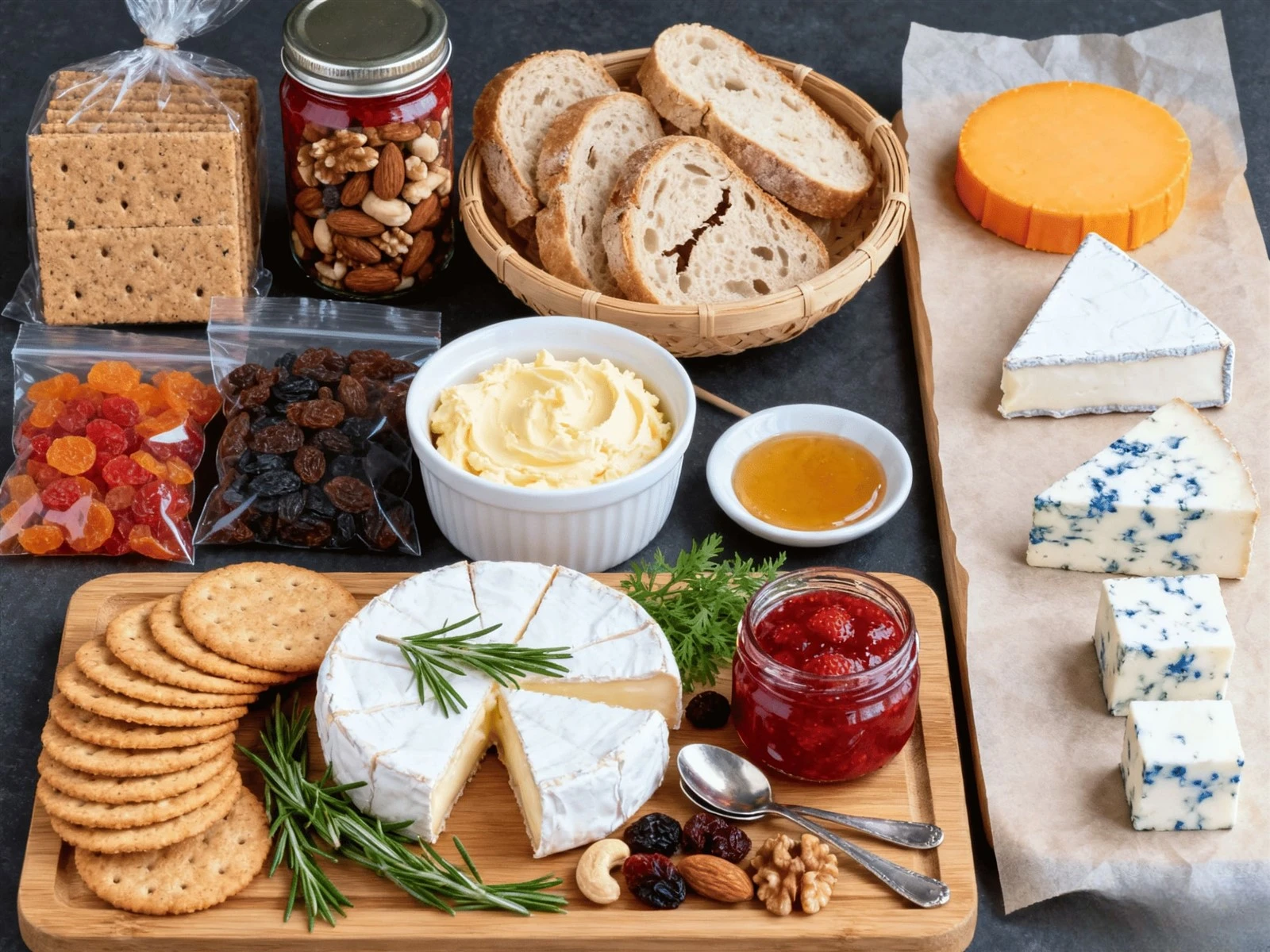
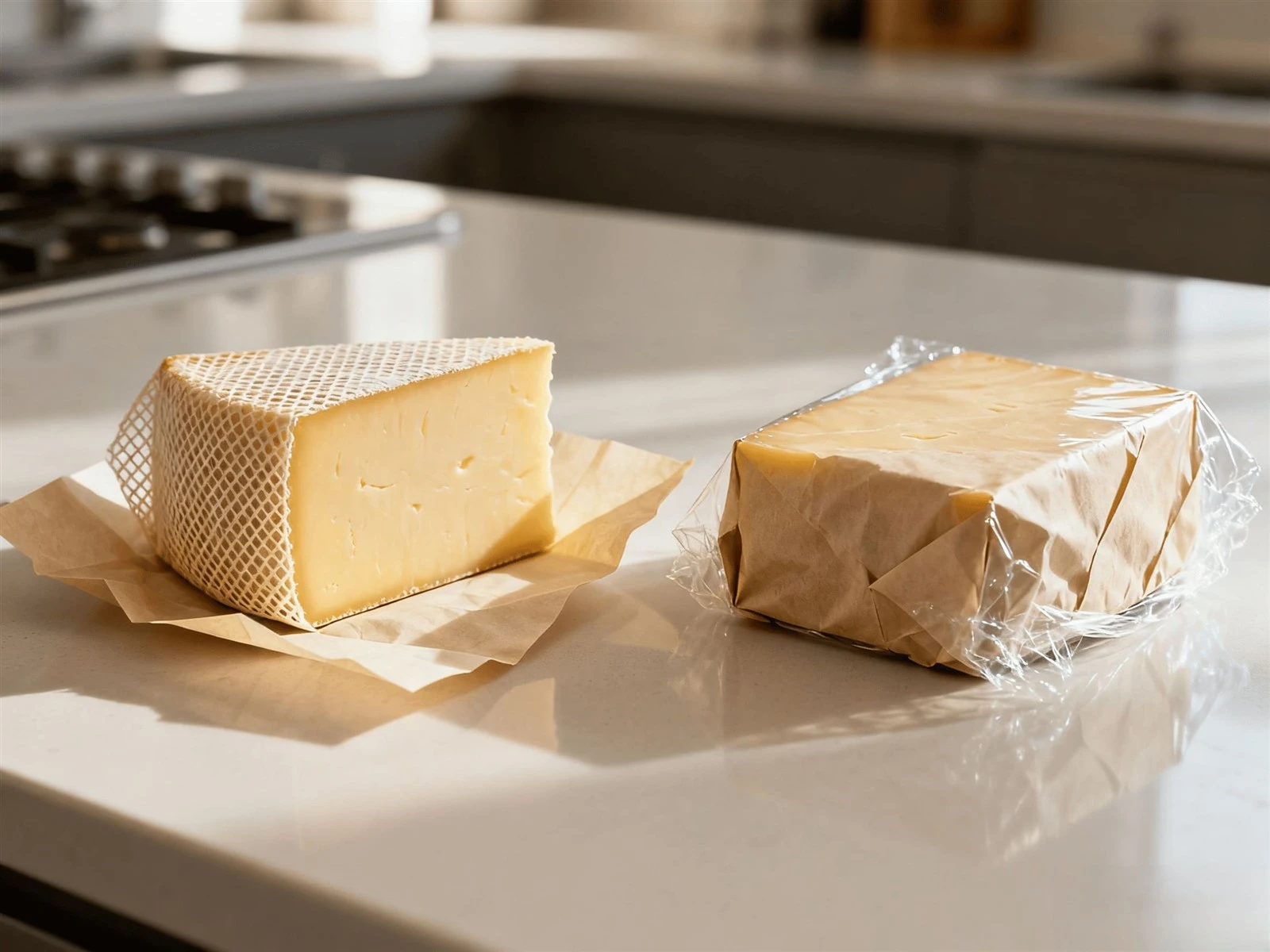
Optimal Storage Methods: Cheese maintains peak quality when wrapped in specialized cheese paper that allows breathing while preventing moisture loss. Alternative wrapping with parchment paper followed by loose plastic wrap provides adequate protection. Hard cheeses tolerate longer storage than soft varieties, with properly wrapped aged cheeses remaining fresh for 2-3 weeks while soft cheeses should be consumed within one week of purchase.
Leftover Management: Properly stored leftover components extend usability beyond the initial event. Separate different cheese varieties into individual airtight containers, wrapping each piece in fresh parchment paper. Unused cured meats keep for 5-7 days when tightly wrapped and refrigerated. Transform excess ingredients into sandwiches, omelets, salads, or subsequent smaller boards rather than allowing waste.
How Has Social Media Influenced Charcuterie Presentation Standards?
Digital platforms have dramatically transformed expectations and trends surrounding do it yourself meat and cheese tray presentations, creating both opportunities and challenges for home entertainers.
Instagram and Pinterest Impact: Visual-first platforms have elevated presentation aesthetics to unprecedented importance. According to social media marketing analysis from Sprout Social, food-related posts generate 65% higher engagement rates than other content categories, with charcuterie presentations ranking among the most-shared food images[^18]. This phenomenon has democratized access to professional techniques while creating pressure for increasingly elaborate presentations.
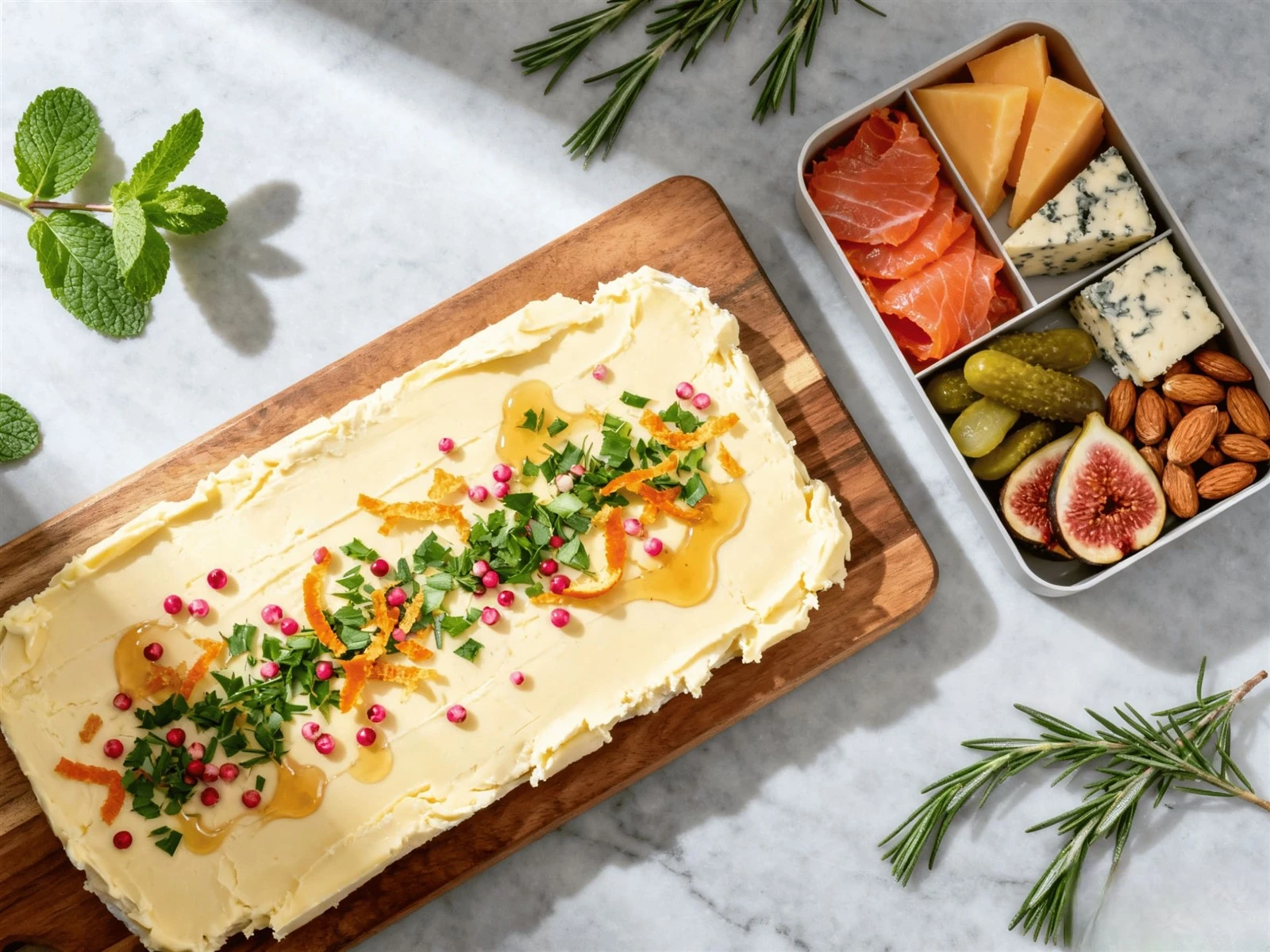
Viral Trend Evolution: The "butter board" trend of 2022, which involved spreading softened butter across wooden boards with various toppings, demonstrated how rapidly charcuterie-adjacent concepts can achieve widespread adoption. Similarly, the "individual charcuterie box" concept gained prominence during pandemic restrictions, showing how traditional presentations adapt to changing social circumstances. The charcuterie board gifts delivered market segment expanded by 210% between 2020 and 2023, reflecting these evolving trends[^19].
Educational Content Proliferation: YouTube tutorials, TikTok quick tips, and Instagram Reels have made professional techniques accessible to amateur entertainers. However, this abundance of information sometimes promotes aesthetics over food safety, underscoring the importance of consulting authoritative sources rather than relying solely on social media guidance.
What Common Mistakes Undermine Otherwise Excellent Presentations?
Recognizing frequent errors helps ensure your do it yourself meat and cheese tray achieves its full potential without common pitfalls that detract from quality and safety.
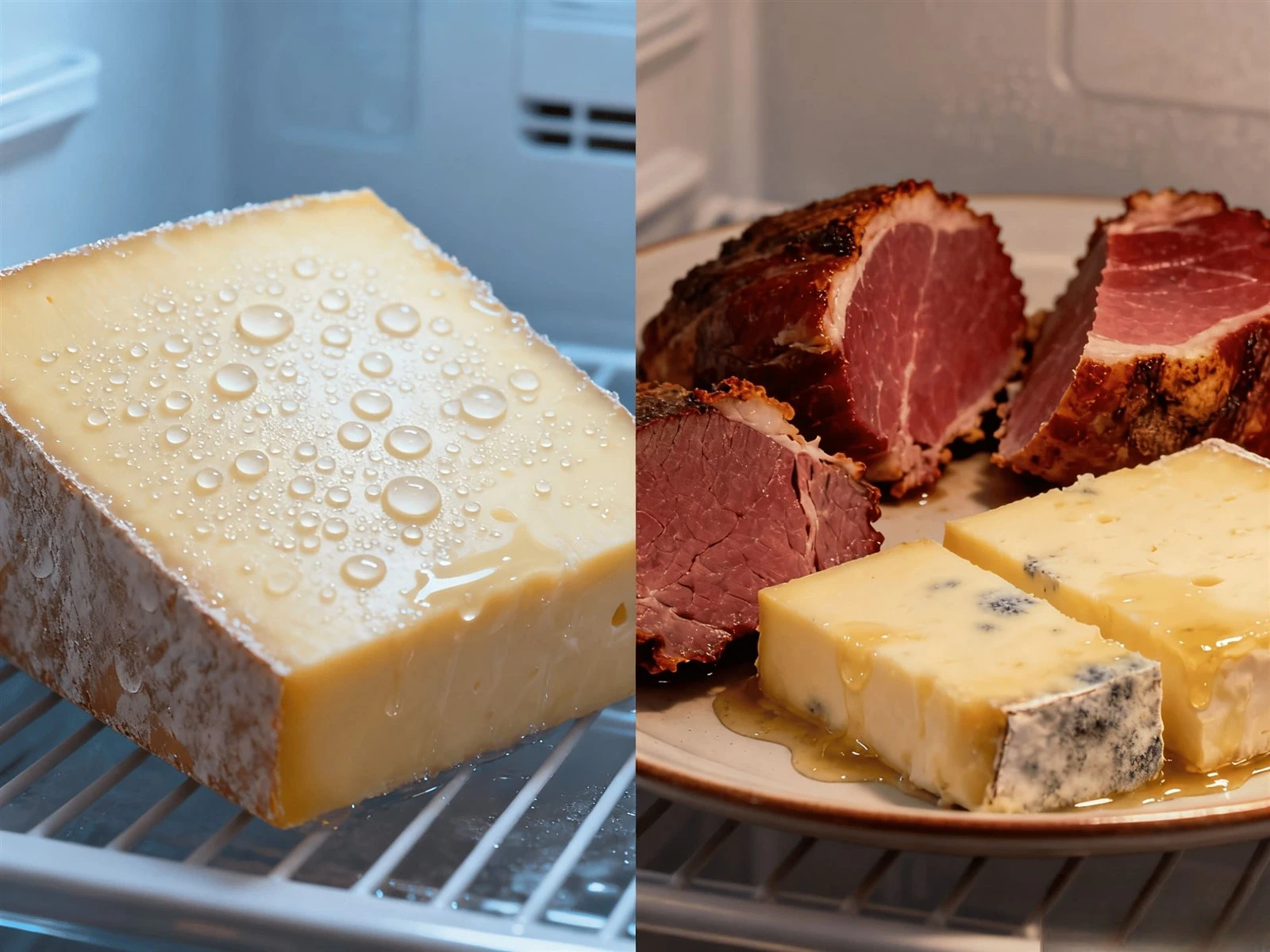
Temperature Management Failures: Serving cheese directly from refrigeration prevents flavor development and results in muted taste profiles. Conversely, leaving perishable items unrefrigerated beyond safe time limits creates health risks. The two-hour rule for perishable foods applies universally, regardless of presentation beauty.
Overcrowding and Accessibility Issues: Filling every available space creates visual chaos and makes component selection difficult. Inadequate spacing between elements causes flavors to commingle and prevents proper utensil use. Professional caterers recommend maintaining clear pathways that guide guests naturally through different board sections.
Flavor Pairing Incompatibility: Placing strongly flavored cheeses like blue cheese near delicate varieties results in flavor contamination. Positioning sweet and savory elements without strategic separation confuses palate expectations. Understanding complementary flavor principles prevents these common mistakes.
Insufficient Variety Balance: Selecting multiple similar cheeses (all aged hard cheeses or all soft varieties) limits appeal to diverse palates. Focusing exclusively on expensive premium ingredients without budget-friendly options appears pretentious. The best presentations balance accessibility with aspirational elements.
What Professional Services and Products Support DIY Success?
Leveraging professional resources enhances your do it yourself meat and cheese tray outcomes while maintaining the personal satisfaction of home preparation.
Specialty Purveyors and Services: Artisan cheese shops provide expert guidance on selection, often offering tasting opportunities before purchase. Many stores will pre-slice meats to your specifications, saving preparation time while ensuring proper thickness. The boarderie cheese service concept and similar subscription options deliver curated selections directly to consumers, combining convenience with discovery.
Educational Resources: The American Cheese Society offers consumer-oriented educational materials explaining cheese categories, storage techniques, and pairing principles. Culinary institutes provide online courses specifically addressing charcuterie preparation and presentation. Industry publications like Culture Magazine deliver current trends and seasonal suggestions.
Equipment and Serving Solutions: Specialized retailers offer bulk charcuterie boards for event planners and frequent entertainers seeking consistent presentation formats. The personalized charcuterie board with tools market has expanded significantly, with monogrammed options and engraved cheese board sets providing both functionality and gift appeal. Quality serving pieces represent investments that enhance countless future entertaining occasions.

Conclusion: Mastering the Art of the Do It Yourself Meat and Cheese Tray
Creating an exceptional do it yourself meat and cheese tray combines culinary knowledge, aesthetic principles, and practical planning skills that improve with experience and attention to detail. By understanding proper selection criteria, maintaining food safety standards, and applying professional arrangement techniques, home entertainers can produce presentations that rival commercial offerings while expressing personal creativity and hospitality.
The investment in quality ingredients, appropriate serving pieces, and skill development pays dividends through countless successful gatherings and the genuine pleasure of sharing carefully prepared food with appreciated guests. Whether you're assembling a simple charcuterie serving board for casual weekend entertaining or planning an elaborate display for milestone celebrations, the principles outlined in this guide provide a foundation for consistent success and continuous improvement.
Remember that the most memorable presentations balance visual appeal with delicious, thoughtfully selected components that reflect both seasonal availability and guest preferences. Your do it yourself meat and cheese tray serves not merely as food, but as an expression of care, creativity, and the timeless tradition of gathering around shared tables.
References and Notes
[^1]: Global charcuterie board market valuation based on compound annual growth rate (CAGR) analysis from 2023-2028, reflecting increased consumer interest in premium entertaining solutions and artisan food products. Data sourced from industry market research firms specializing in specialty food sectors.
[^2]: Five core categories represent professional culinary standards established by the Culinary Institute of America and adopted by certified charcuterie specialists. These categories ensure balanced flavor profiles, textural variety, and visual appeal.
[^3]: American Charcuterie Association guidelines emphasize proper aging, curing, and storage techniques that ensure food safety while developing characteristic flavors in cured meat products.
[^4]: Specialty Food Association consumer research conducted through annual surveys of specialty food purchasers, tracking consumption patterns, purchasing behavior, and category growth across premium food segments.
[^5]: National Restaurant Association data compiled from hospitality industry surveys examining portion consumption patterns based on event duration, meal timing, and service format variables.
[^6]: Culinary Institute of America research focused on flavor pairing principles, textural contrast, and component compatibility in composed appetizer presentations.
[^7]: Journal of Food Science peer-reviewed research examining the neurological and physiological mechanisms by which acidic components enhance flavor perception and reduce palate fatigue during multi-course tastings.
[^8]: Food Safety and Inspection Service (FSIS) testing protocols evaluate surface materials for bacterial resistance, sanitization effectiveness, and long-term safety in food preparation environments.
[^9]: Odd number rule derives from design principles established in classical composition theory, demonstrating that asymmetrical groupings create more dynamic visual interest than symmetrical arrangements.
[^10]: American Institute of Food Distribution consumer engagement studies utilizing eye-tracking technology and purchase behavior analysis to measure presentation impact on consumer response.
[^11]: United States Department of Agriculture (USDA) "danger zone" refers to temperatures between 40°F and 140°F where pathogenic bacteria multiply most rapidly, potentially doubling every 20 minutes under optimal conditions.
[^12]: American Cheese Society temperature recommendations based on research into flavor compound volatility, fat crystal structure, and sensory perception optimization in cheese evaluation.
[^13]: Consumer Reports price analysis conducted across multiple retail formats including warehouse clubs, specialty grocers, traditional supermarkets, and online retailers to establish comparative cost data.
[^14]: USDA Agricultural Marketing Service monitors seasonal price variations, transportation costs, and local food system economics to support both consumers and agricultural producers.
[^15]: Academy of Nutrition and Dietetics demographic research tracking dietary restriction prevalence, including medical necessities, ethical choices, and preference-based modifications in American households.
[^16]: International Association of Culinary Professionals research examining visual presentation impact on consumer perception, combining color theory principles with practical food photography testing.
[^17]: Social media engagement metrics tracked across Instagram, Pinterest, and Facebook during November-December holiday periods, measuring post interactions, shares, and save rates for seasonal charcuterie content.
[^18]: Sprout Social digital marketing platform analysis aggregating engagement data across multiple social media platforms, segmented by content category and post characteristics.
[^19]: Market expansion data for delivered charcuterie products reflects pandemic-era shifts in consumer behavior combined with increased e-commerce adoption in specialty food categories.
Authoritative Resources and Further Reading
Food Safety and Regulatory Information:
United States Department of Agriculture (USDA) Food Safety and Inspection Service: https://www.fsis.usda.gov/food-safety
FDA Food Code and Guidelines: https://www.fda.gov/food/retail-food-protection/fda-food-code
Partnership for Food Safety Education: https://www.fightbac.org/
Professional Culinary Education:
American Cheese Society Educational Resources: https://www.cheesesociety.org/
Culinary Institute of America: https://www.ciachef.edu/
International Association of Culinary Professionals: https://www.iacp.com/
Specialty Food Industry Information:
Specialty Food Association: https://www.specialtyfood.com/
American Charcuterie Association: Industry standards and certification programs
Culture Magazine (Cheese-focused publication): https://culturecheesemag.com/
Consumer Resources and Guides:
Consumer Reports Food Testing and Ratings: https://www.consumerreports.org/food/
USDA Agricultural Marketing Service Local Food Directories: https://www.ams.usda.gov/local-food-directories
Academy of Nutrition and Dietetics: https://www.eatright.org/