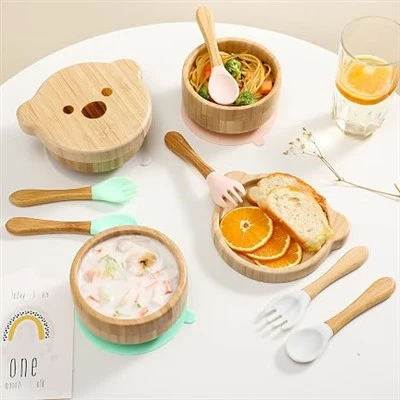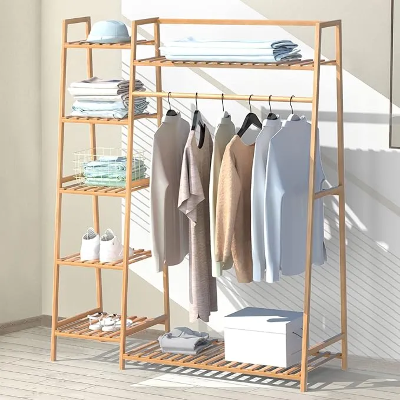

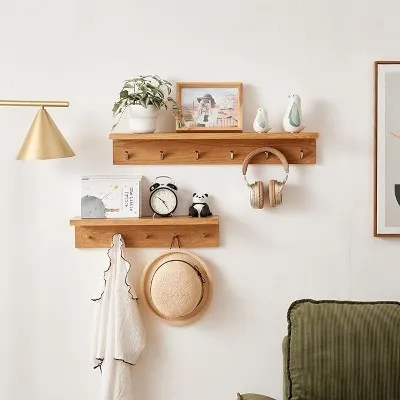



The convergence of sustainability imperatives and evolving consumer preferences is fundamentally reshaping the wooden storage box market, driving innovation in eco-friendly materials and manufacturing processes. The Home Storage and Organization Market is projected to grow from USD 46,023 million in 2024 to USD 72,320 million by 2032, registering a CAGR of 5.15% during the forecast period, reflecting unprecedented consumer demand for organized living solutions that align with environmental consciousness.
Contemporary market dynamics reveal increasing consumer willingness to invest in sustainable storage solutions, with nearly three-quarters of shoppers willing to switch to brands offering sustainable packaging, establishing wooden storage boxes as preferred alternatives to synthetic materials. The wooden boxes market demonstrates robust growth driven by increasing emphasis on eco-friendly packaging, the growth of e-commerce and retail sectors, and the rising demand for premium and luxury packaging solutions.
This transformation extends beyond simple material substitution to encompass comprehensive lifecycle sustainability considerations, manufacturing innovation, and consumer behavior evolution. Understanding these interconnected trends enables strategic positioning for manufacturers while supporting informed purchasing decisions for environmentally conscious consumers seeking wooden storage box solutions.
What Consumer Behavior Shifts Drive Wooden Storage Box Market Growth?
Contemporary consumer behavior demonstrates significant shifts toward sustainable storage solutions, with demographic and psychographic factors influencing purchasing decisions in wooden storage box markets. The box storage furniture market is experiencing notable growth, driven by increasing consumer demand for multifunctional and space-efficient furniture solutions. As urban living spaces become smaller, the need for storage furniture that maximizes space without compromising on style is rising.
Generational Purchasing Patterns
Millennials and Generation Z consumers prioritize sustainability credentials over traditional price-performance metrics, driving demand for wooden storage boxes that demonstrate environmental responsibility through certified materials and ethical manufacturing processes. These demographics research product lifecycle impacts, biodegradability, and corporate responsibility policies before making purchasing decisions.
Baby Boomers increasingly value durability and craftsmanship in wooden storage box purchases, seeking heirloom-quality pieces that provide long-term value while supporting traditional manufacturing techniques. This demographic demonstrates willingness to invest in premium wooden storage boxes that combine functional performance with aesthetic appeal and proven longevity.
Generation X buyers balance sustainability concerns with practical functionality, seeking wooden storage box solutions that optimize space utilization while providing environmental benefits. Their purchasing decisions often emphasize total cost of ownership calculations that account for durability, maintenance requirements, and replacement cycles.
Urban professionals across demographics demonstrate growing preference for customizable wooden storage boxes that accommodate specific space constraints while maintaining sustainable material specifications. This trend drives demand for bespoke solutions and modular designs that adapt to changing lifestyle requirements.
Purchasing Decision Factors
Environmental impact assessment increasingly influences wooden storage box selection, with consumers evaluating forest management certification, manufacturing processes, and end-of-life disposal options. FSC and PEFC certification become significant purchasing criteria, with certified products commanding premium pricing despite higher initial costs.
Quality perception strongly favors wooden storage boxes over synthetic alternatives, with consumers associating wood materials with superior durability, natural beauty, and sustainable lifecycle characteristics. This perception justifies premium pricing while supporting market expansion across diverse application segments.
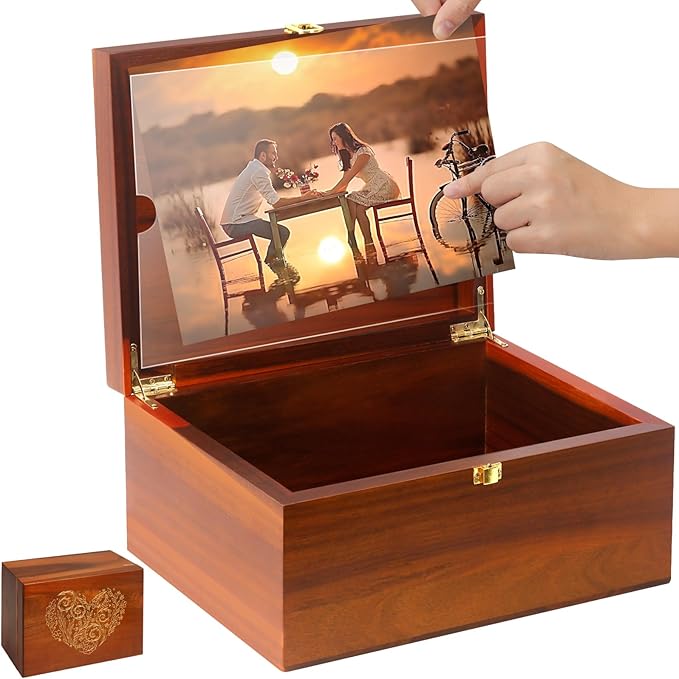
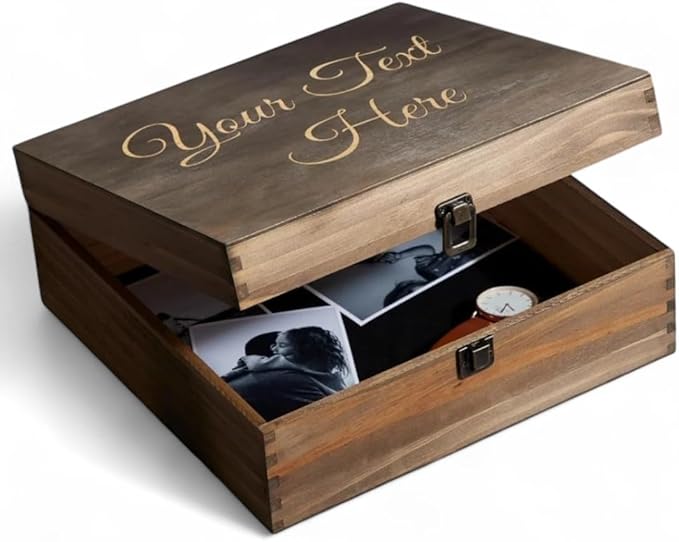
Customization capabilities influence purchasing decisions significantly, with consumers seeking wooden storage box solutions tailored to specific dimensional requirements and aesthetic preferences. The ability to specify wood species, finish options, and internal organization features justifies higher costs while enhancing satisfaction levels.
Brand reputation and manufacturing transparency affect purchasing choices, with consumers favoring companies that demonstrate sustainable practices, ethical sourcing, and quality assurance throughout production processes. This trend benefits manufacturers investing in certification programs and transparency initiatives.
Market Segmentation and Consumer Demographics Analysis
| Demographic Segment | Primary Motivators | Price Sensitivity | Sustainability Priority | Preferred Features | Growth Rate | Market Share |
|---|---|---|---|---|---|---|
| Millennials (25-40) | Environmental impact, aesthetics | Moderate | Very High | Customization, certification | 8.2% CAGR | 28% |
| Gen Z (18-24) | Sustainability, social media appeal | High | Extremely High | Eco-friendly, photogenic | 12.5% CAGR | 15% |
| Gen X (41-56) | Functionality, value | Moderate | High | Durability, organization | 6.1% CAGR | 35% |
| Baby Boomers (57+) | Quality, craftsmanship | Low | Moderate | Traditional design, longevity | 3.8% CAGR | 22% |
How Do Sustainability Mandates Transform Manufacturing Processes?
Environmental regulations and consumer expectations drive fundamental changes in wooden storage box manufacturing, emphasizing renewable materials, energy-efficient production, and waste minimization strategies. Many producers now use water-based lacquers and glues in place of traditional chemical coatings. This reduces harmful VOC emissions during production and results in packaging that's safer to handle.
Raw Material Sourcing Evolution
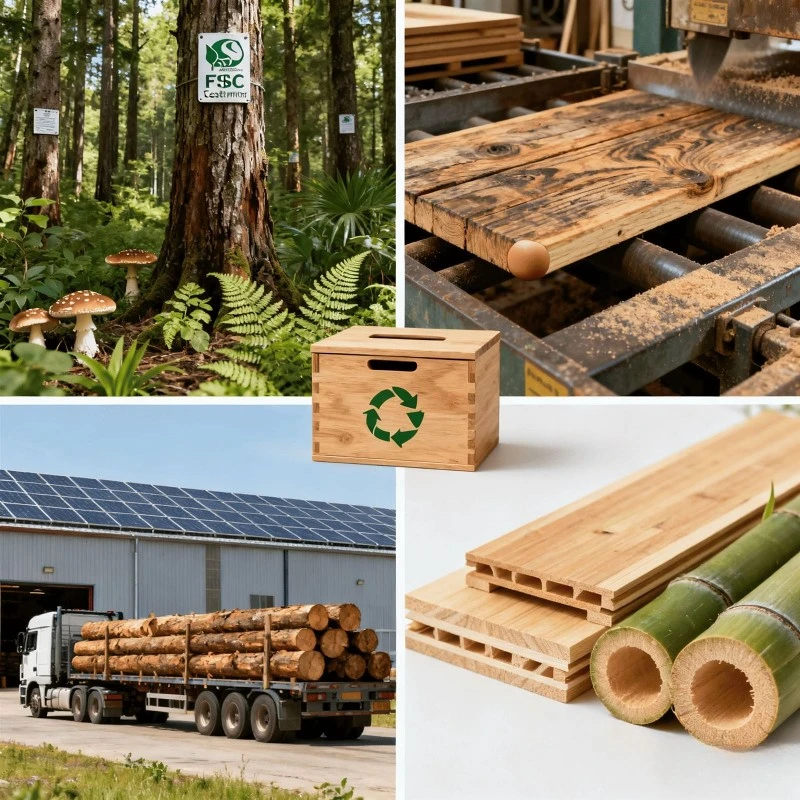
Sustainable forestry practices become mandatory for competitive wooden storage box manufacturing, with certified sustainable wood sources commanding preference despite premium pricing. Manufacturers increasingly partner with managed forests that demonstrate regenerative practices, biodiversity protection, and community benefit programs.
Reclaimed wood utilization expands significantly as manufacturers seek to reduce virgin timber consumption while offering unique character and environmental benefits in wooden storage boxes. This approach requires specialized processing capabilities but delivers superior sustainability credentials and aesthetic differentiation.
Local sourcing strategies reduce transportation-related carbon footprints while supporting regional economies and ensuring supply chain transparency. Proximity to raw materials enables better quality control and reduced logistics costs while enhancing sustainability messaging.
Alternative wood species exploration reduces pressure on traditional hardwood resources while providing cost advantages and unique aesthetic characteristics. Fast-growing species like bamboo and engineered wood composites offer sustainable alternatives without compromising structural performance.
Production Process Innovations
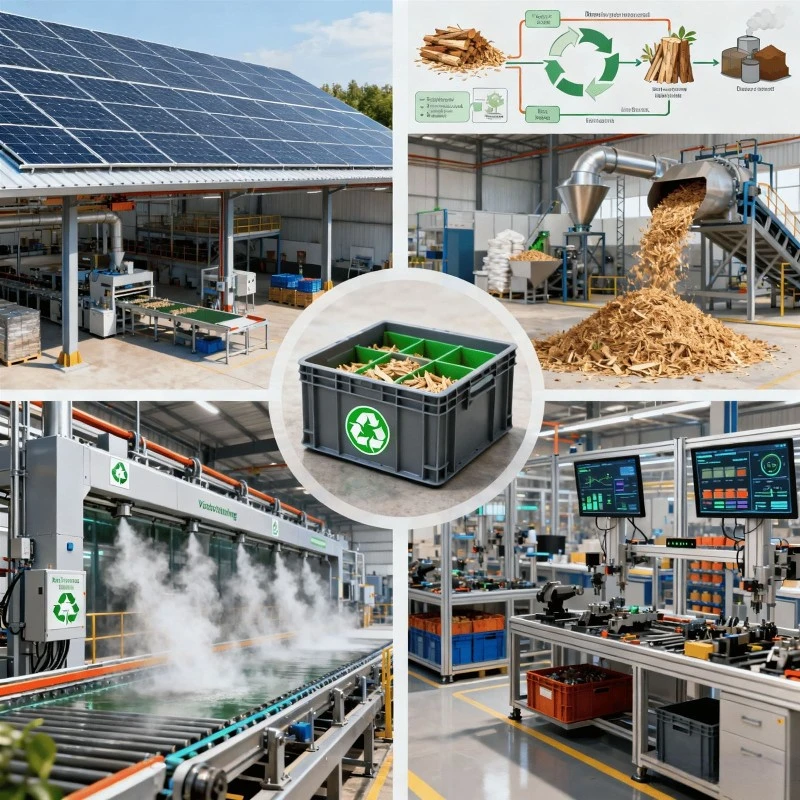
Energy-efficient manufacturing equipment reduces environmental impact while potentially lowering production costs through improved operational efficiency. Solar-powered facilities and renewable energy integration become competitive advantages that support premium positioning and certification requirements.
Waste reduction initiatives transform production byproducts into valuable secondary products, with sawdust and wood chips converted into biofuel, mulch, or composite materials. Offcuts and sawdust are reused for energy, packaging fill, or recycled into other wood products, creating circular economy benefits.
Water-based finishing systems eliminate toxic solvents while providing comparable durability and appearance characteristics in wooden storage boxes. These systems require process adjustments but deliver significant environmental and worker safety benefits that justify implementation costs.
Lean manufacturing principles minimize material waste while optimizing production efficiency and quality consistency. Just-in-time inventory management reduces storage requirements while enabling rapid response to customization demands and market changes.
What Role Does Certification Play in Market Positioning?
Third-party certification systems increasingly determine market access and premium positioning opportunities for wooden storage box manufacturers, with multiple standards addressing different aspects of sustainability and quality assurance.
Forest Management Certification Impact
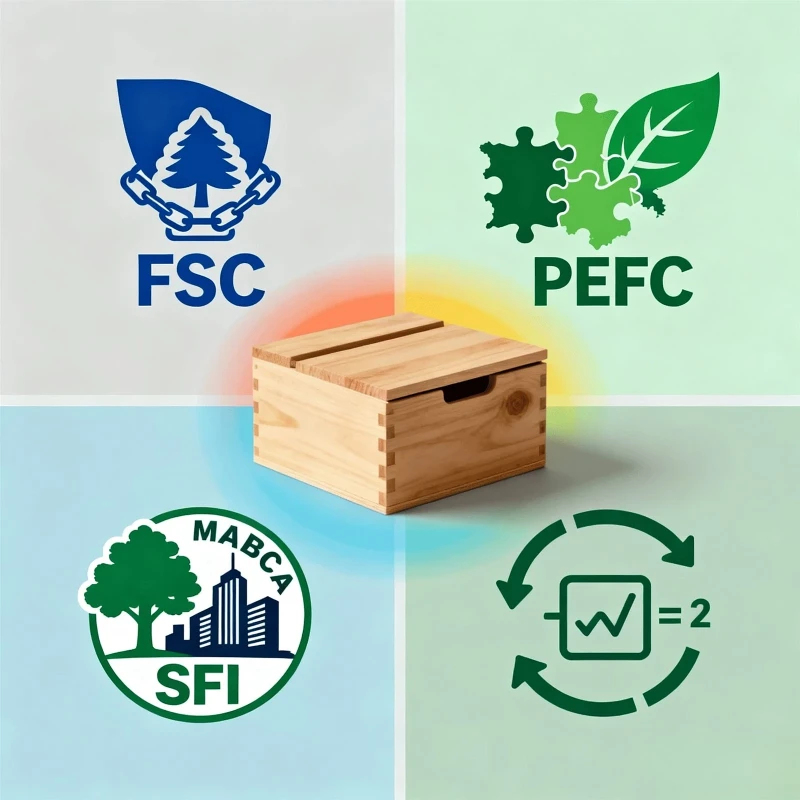
Forest Stewardship Council (FSC) certification provides the most recognized standard for sustainable wood sourcing, enabling access to environmentally conscious consumer segments willing to pay premiums for certified products. FSC certification requires comprehensive chain-of-custody documentation that increases operational complexity but provides significant market differentiation.
Programme for the Endorsement of Forest Certification (PEFC) offers alternative certification with regional focus and different implementation requirements. Some markets favor PEFC certification due to local forest management alignment, creating opportunities for specialized positioning in specific geographic segments.
Sustainable Forestry Initiative (SFI) certification addresses North American markets specifically, providing sustainable sourcing verification that supports domestic manufacturing claims while meeting environmental criteria. This certification system particularly benefits manufacturers serving commercial and institutional customers with procurement policies requiring certified materials.
Carbon footprint certification enables quantification and communication of environmental impact throughout wooden storage box lifecycle, supporting corporate sustainability reporting requirements and consumer decision-making processes. Life cycle assessment methodologies provide comprehensive environmental impact evaluation beyond forest management alone.
Quality and Safety Standards
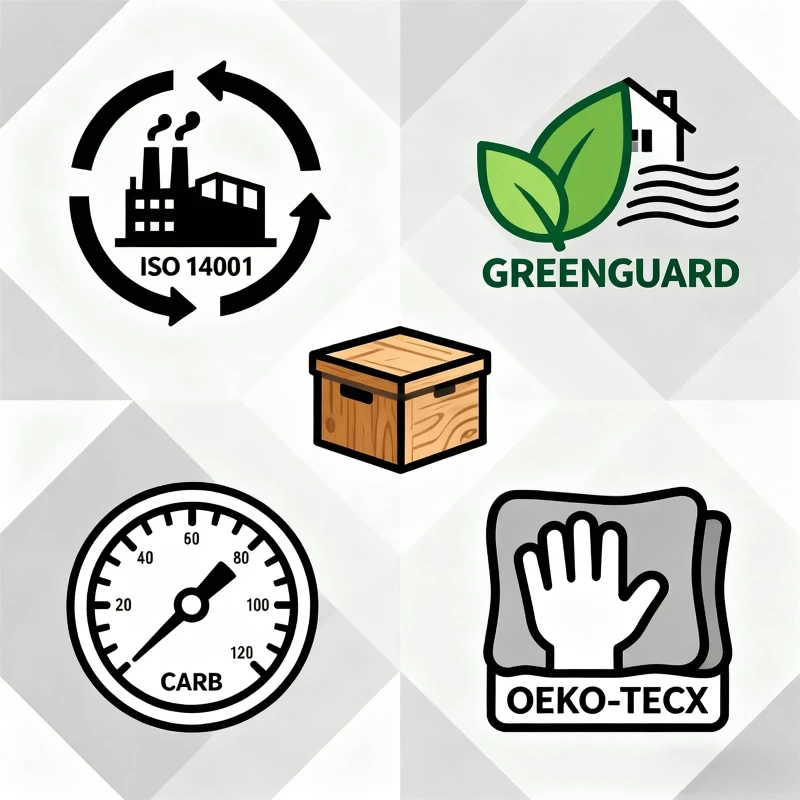
ISO 14001 environmental management system certification demonstrates systematic approach to environmental impact reduction throughout manufacturing operations. This certification increasingly becomes prerequisite for commercial customer procurement while supporting premium brand positioning in consumer markets.
GREENGUARD certification addresses indoor air quality concerns by limiting volatile organic compound emissions from finished wooden storage boxes. This certification proves particularly valuable for educational institutions, healthcare facilities, and residential applications where air quality considerations influence purchasing decisions.
CARB (California Air Resources Board) compliance ensures formaldehyde emission levels meet stringent California standards that often become de facto national requirements. Compliance enables market access while demonstrating commitment to consumer health and safety.
OEKO-TEX standards address textile components in wooden storage boxes with fabric elements, ensuring harmful substance limitations throughout supply chains. This certification proves essential for products intended for children's use or direct contact with clothing and linens.
Sustainability Certification Comparison and Market Impact
| Certification | Scope Coverage | Market Recognition | Implementation Cost | Premium Potential | Geographic Focus | Renewal Requirements |
|---|---|---|---|---|---|---|
| FSC Chain of Custody | Forest to consumer | Very High | High | 15-25% | Global | Annual audits |
| PEFC Certification | Regional forest management | High | Moderate | 10-20% | European focused | 3-year cycles |
| GREENGUARD Gold | Indoor air quality | High | Moderate | 8-15% | North American | Annual testing |
| ISO 14001 | Environmental management | Moderate | High | 5-12% | Global | 3-year recertification |
| CARB Compliance | Formaldehyde emissions | Mandatory (CA) | Low | Market access | California-driven | Ongoing monitoring |
How Do E-commerce Trends Influence Wooden Storage Box Design?
Digital marketplace expansion fundamentally alters wooden storage box design requirements, packaging specifications, and customer experience expectations, driving innovation in materials, construction methods, and presentation approaches.
Shipping and Handling Considerations
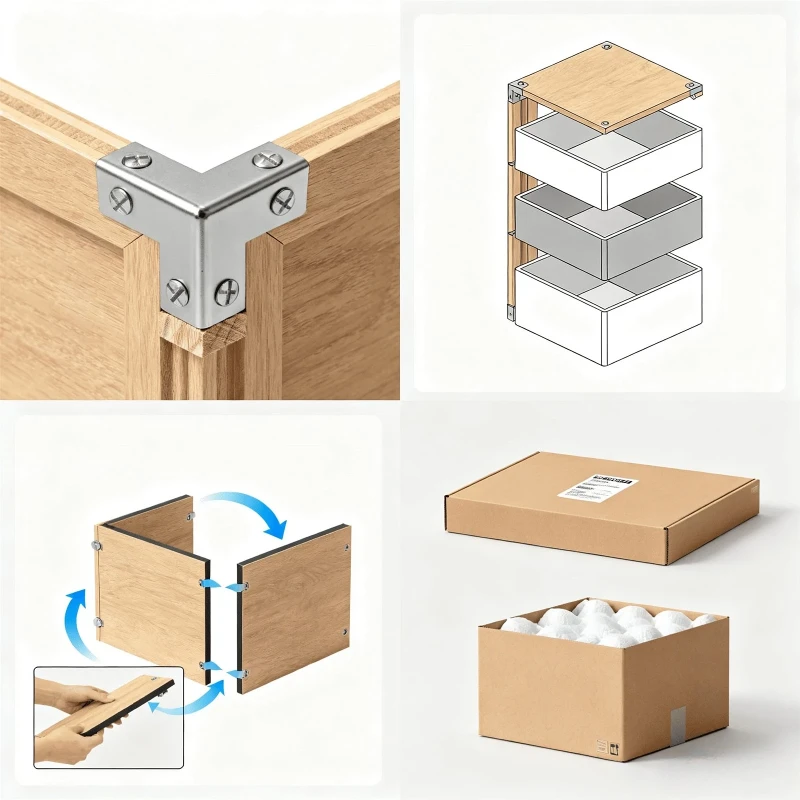
E-commerce shipping requirements demand robust wooden storage box construction capable of withstanding multiple handling events and potential impacts during transportation. Reinforced corner construction and impact-resistant joinery become essential design elements that balance protection with weight optimization.
Packaging efficiency directly affects shipping costs and environmental impact, driving wooden storage box designs that optimize dimensional ratios for standard shipping container dimensions. Nested designs and modular construction enable space-efficient shipping while maintaining structural integrity.
Assembly methods evolve to accommodate consumer assembly capabilities, with designer focusing on tool-free or simple tool construction that enables flat-pack shipping while ensuring reliable assembly outcomes. Clear instruction development and intuitive design become competitive advantages.
Return considerations influence wooden storage box design through enhanced durability requirements and packaging methods that enable secure return shipping. Reversible packaging systems and protective materials ensure products survive return transportation while minimizing environmental impact.
Digital Presentation Requirements
Photography considerations affect wooden storage box design through surface treatments and finish selections that photograph attractively under various lighting conditions. Wood grain enhancement and consistent color development support appealing product imagery that drives online sales.
Size and scale communication challenges in digital marketplaces require wooden storage box designs that include visual reference points and dimensional clarity through design elements. Consistent proportional relationships and familiar scale references help consumers understand product sizing accurately.
Customization visualization capabilities drive demand for wooden storage box designs that accommodate digital customization tools while maintaining manufacturing feasibility. Modular design approaches and standardized connection methods enable mass customization through digital interfaces.
User-generated content optimization influences design decisions through features that encourage customer photography and social media sharing. Distinctive design elements and photogenic characteristics support viral marketing while maintaining functional performance requirements.
What Economic Factors Shape Wooden Storage Box Market Dynamics?
Economic conditions significantly influence wooden storage box market behavior through raw material costs, consumer spending patterns, and manufacturing efficiency requirements that affect both supply and demand characteristics.
Raw Material Cost Volatility
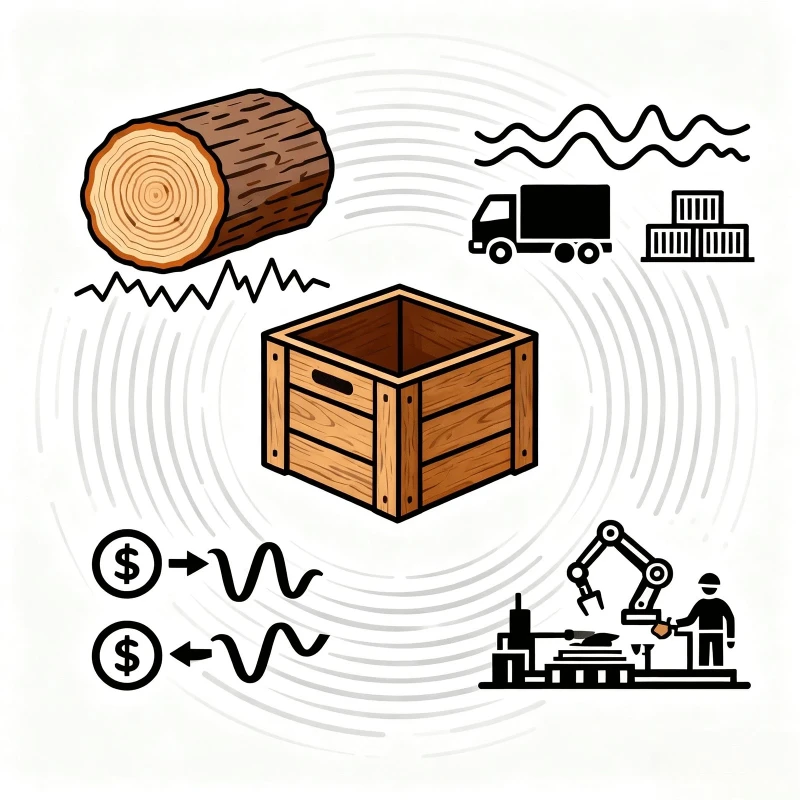
Timber price fluctuations directly impact wooden storage box manufacturing costs, with hardwood species experiencing greater volatility than softwood alternatives. Economic uncertainty drives consumers toward value-oriented purchasing while manufacturers seek cost optimization through species substitution and engineering optimization.
Transportation cost variations affect both raw material procurement and finished product distribution, influencing manufacturing location decisions and pricing strategies. Fuel price volatility and shipping capacity constraints create supply chain challenges that require flexible sourcing and logistics strategies.
Currency exchange rate fluctuations affect international trade in wooden storage boxes, creating opportunities and challenges for domestic manufacturers competing with imports. Economic policies and trade agreements significantly influence competitive positioning and market access opportunities.
Labor cost pressures drive automation investment and manufacturing process optimization, with skilled craftsperson availability affecting premium segment capabilities. Geographic labor cost variations influence production location decisions while quality requirements limit manufacturing location options.
Consumer Spending Behavior
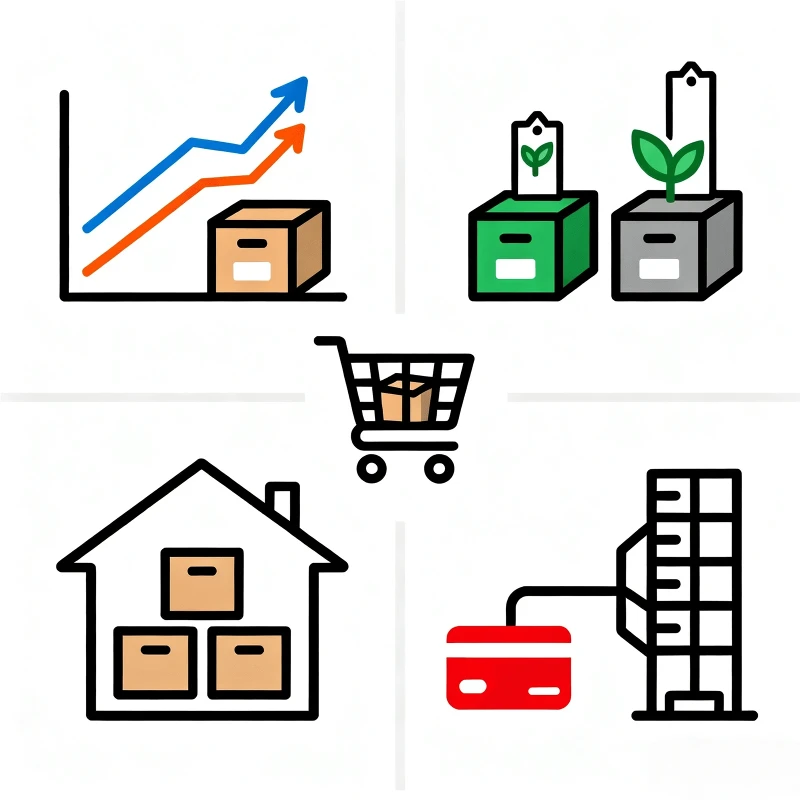
Economic confidence levels directly correlate with wooden storage box purchasing patterns, with premium segment sales fluctuating more significantly than utility-focused products during economic uncertainty. Recession-resistant segments focus on essential storage needs while luxury segments demonstrate greater volatility.
Disposable income variations affect willingness to invest in sustainable options despite premium pricing, with environmental consciousness competing with economic constraints during challenging periods. Value proposition communication becomes critical for maintaining sustainable product market share.
Housing market conditions influence wooden storage box demand through new home purchases, renovations, and space optimization needs. Strong housing markets drive demand for premium storage solutions while economic uncertainty may favor temporary or budget alternatives.
Credit availability affects large wooden storage box purchases and home organization projects, with financing options potentially supporting market growth during periods of restricted consumer credit access.
Market Economic Impact Analysis
| Economic Indicator | Impact on Demand | Price Sensitivity | Segment Affected | Mitigation Strategies | Recovery Timeline |
|---|---|---|---|---|---|
| GDP Growth Rate | Direct positive correlation | Low in premium segments | All segments benefit | Diversified product lines | 6-12 months |
| Unemployment Rate | Inverse relationship | High in mid-range | Economy segments grow | Value positioning | 12-18 months |
| Interest Rates | Affects financing decisions | Moderate impact | Large purchase items | Flexible payment terms | 3-6 months |
| Housing Starts | Strong positive correlation | Low sensitivity | Premium and custom | Geographic diversification | 3-9 months |
| Raw Material Costs | Margin pressure | High sensitivity | All manufacturing | Supply chain optimization | 6-12 months |
Conclusion: Strategic Positioning for Sustainable Growth
The wooden storage box market demonstrates remarkable resilience and growth potential through the convergence of sustainability trends, technological innovation, and evolving consumer preferences that prioritize environmental responsibility alongside functional performance. The global wooden packaging market size was valued at USD 3.74 billion in 2023 and is projected to reach USD 5.91 billion by 2031, with a CAGR of 5.89%, validating the sector's robust growth trajectory.
Market success increasingly depends on manufacturers' ability to integrate sustainability credentials with superior product performance while meeting evolving consumer expectations for customization and digital engagement. These eco-friendly packaging solutions offer a harmonious blend of functionality, aesthetic appeal, and environmental responsibility. Unlike plastic or metal, wood comes from renewable sources and is in some cases biodegradable, establishing fundamental advantages that support long-term market positioning.
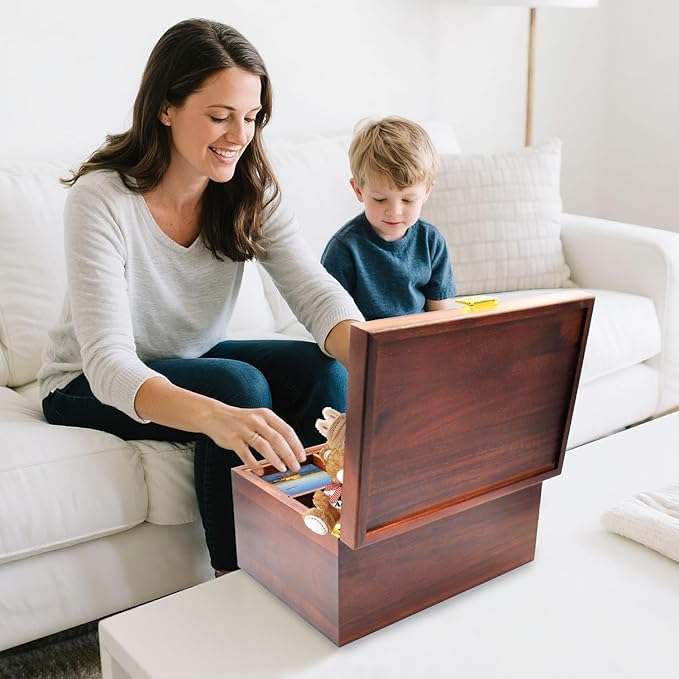
Certification programs and transparency initiatives become essential competitive differentiators, enabling access to premium market segments while supporting corporate sustainability objectives. The integration of digital marketplace requirements with traditional craftsmanship creates opportunities for innovative manufacturers willing to invest in process adaptation and technology integration.
Future market leadership will belong to companies that successfully balance environmental stewardship with commercial viability while maintaining the quality and aesthetic characteristics that drive consumer preference for wooden storage boxes over synthetic alternatives. Strategic positioning requires comprehensive understanding of evolving consumer demographics, regulatory requirements, and technological capabilities that enable sustainable growth in competitive marketplace environments.
References and Citations
Credence Research. (2025). Home Storage and Organization Market Size, Share and Forecast 2032. Retrieved from https://www.credenceresearch.com/report/home-storage-and-organization-market
Mordor Intelligence. (2024). US Home Organizers and Storage Market - Size, Share & Industry Analysis. Retrieved from https://www.mordorintelligence.com/industry-reports/united-states-home-organizers-and-storage-market
Global Growth Insights. (2025). Home Storage & Organization Market Insights 2025–2033. Retrieved from https://www.globalgrowthinsights.com/market-reports/home-storage-and-organization-market-102030
Verified Market Reports. (2024). Storage Boxes Market Size, Share, Scope, Trends And Forecast 2030. Retrieved from https://www.verifiedmarketreports.com/product/storage-boxes-market-size-and-forecast/
DataIntelo. (2024). Storage Boxes Market Size, Share, Analysis & Forecast | 2032. Retrieved from https://dataintelo.com/report/storage-boxes-market/
Towards Packaging. (2025). U.S. Cardboard Storage Boxes Market Strategic Insights for 2034. Retrieved from https://www.towardspackaging.com/insights/us-cardboard-storage-boxes-market-sizing
MarkWide Research. (2024). Wooden Boxes market 2024-2032 | Size,Share, Growth. Retrieved from https://markwideresearch.com/wooden-boxes-market/
Market Research Intellect. (2025). Box Storage Furniture Market Size, Sales Analysis & Opportunity to 2032. Retrieved from https://www.marketresearchintellect.com/product/box-storage-furniture-market/
Future Market Insights. (2024). Wooden Boxes Market Growth & Industry Insights 2024-2034. Retrieved from https://www.futuremarketinsights.com/reports/wooden-boxes-market
Moran's Wood Components. (2025). How Wooden Box Manufacturers Are Driving Sustainable Packaging. Retrieved from https://www.moranswoodcomponents.co.uk/news/how-wooden-box-manufacturers-are-driving-sustainable-packaging/
Data Bridge Market Research. Wooden Packaging Market – Global Market – Industry Trends and Forecast to 2031. Retrieved from https://www.databridgemarketresearch.com/reports/global-wooden-packaging-market
Custom Craft Ltd. (2024). Eco-friendly Packaging: #1 Amazing Sustainable Wooden Boxes. Retrieved from https://customcraftltd.com/eco-friendly-packaging/
Future Market Insights. (2024). Wooden Boxes Market Growth & Industry Insights 2024-2034. Retrieved from https://www.futuremarketinsights.com/reports/wooden-boxes-market
Grand View Research via Oalu Can Pack. Emerging Trends in Eco Friendly Packaging for Best Tin Box in 2025. Retrieved from https://www.oalucanpack.com/blog/emerging-trends-in-eco-friendly-packaging-for-tin-box/
EcoEnclose. Sustainable Packaging and Shipping Supplies. Retrieved from https://www.ecoenclose.com/
GV Pak. Luxury Paper and Eco Packaging Solutions - From Design to Manufacturing. Retrieved from https://www.gvpak.com/resources/blogs/what-you-need-to-know-about-recycling-wooden-packaging
Shorr Packaging. (2025). The 2025 Sustainable Packaging Consumer Report. Retrieved from https://www.shorr.com/resources/blog/sustainable-packaging-consumer-report/
Roots Analysis. (2025). Global Sustainable Packaging Market Trends & Report, [2035]. Retrieved from https://www.rootsanalysis.com/reports/sustainable-biodegradable-and-eco-friendly-packaging-market.html
UNIB Blogs. (2023). Is wooden packaging the most sustainable and environmentally friendly? Retrieved from https://blogs.unib.org/en/environment/2023/11/14/wooden-packaging-most-sustainable-environmentally-friendly/
Footnotes
¹ CAGR (Compound Annual Growth Rate): A measure of investment growth over time, calculating the mean annual growth rate assuming profits are reinvested annually.
² FSC (Forest Stewardship Council): International certification system ensuring responsible forest management through environmental, social, and economic standards.
³ PEFC (Programme for the Endorsement of Forest Certification): International forest certification system promoting sustainable forest management through independent third-party assessment.
⁴ VOC (Volatile Organic Compounds): Chemical compounds that easily evaporate at room temperature, potentially causing health and environmental concerns.
⁵ Chain of Custody: Documentation system tracking certified materials from forest to final product, ensuring sustainable sourcing verification.
⁶ Life Cycle Assessment (LCA): Systematic analysis of environmental impacts throughout a product's complete life cycle from raw material extraction to disposal.
⁷ CARB (California Air Resources Board): State agency regulating air pollution and setting emission standards, including formaldehyde limits for wood products.
⁸ GREENGUARD Certification: Indoor air quality certification limiting chemical emissions from building materials and furnishings.
⁹ ISO 14001: International standard for environmental management systems, providing framework for organizations to improve environmental performance.
¹⁰ Circular Economy: Economic model emphasizing reuse, recycling, and regeneration to minimize waste and maximize resource efficiency.