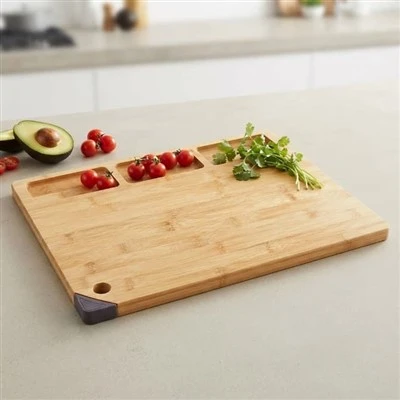









Summary of cutting board maintenance methods
I. Daily cleaning and disinfection
Wash and dry in time
Rinse with clean water immediately after each use, and wipe dry with a clean rag to avoid moisture breeding bacteria.
Separate raw and cooked ingredients to avoid cross contamination (raw meat and seafood are prone to carry pathogens such as salmonella).
Deep cleaning method
Salt + scrubbing: After sprinkling salt, wipe along the texture with the rough surface of a scouring pad to sterilize and remove stains.
White vinegar/baking soda: Spray white vinegar and let it stand for 10 minutes to inhibit bacteria; a mixture of baking soda and white vinegar can decompose deep dirt.
Boiled water washing: After handling meat, rinse the residue with cold water first, then use boiling water to wash and sterilize; vegetables and fruits can be directly rinsed with hot water.
2. Anti-cracking and anti-mildew maintenance
Pretreatment of new cutting boards
After removing the wax film on the surface, pour boiling water on the front and back, and then soak in salt water (100 grams of salt + boiling water) for at least several hours to sterilize and strengthen the wood fiber.
Apply cooking oil regularly
After the cutting board is completely dry, apply peanut oil or corn oil evenly on the front, back and edges, repeat 3-4 times, to form a protective layer to prevent cracking.
After sterilizing with salt once a month, apply oil for maintenance.
Storage precautions
Stand upright or flat in a ventilated and dry place, avoid exposure to the sun or humid environment.
When not in use for a long time, you can cover it with a wet towel to maintain humidity, but avoid deformation under heavy pressure.
3. Replacement and health tips
Regular replacement
After the wooden cutting board has been used for more than half a year, the detection rate of aflatoxin in the gap increases significantly, and it is recommended to replace it.
Mold stain treatment
Mold stains need to be thoroughly removed (such as baking soda + white vinegar scrubbing), otherwise it may release carcinogenic toxins and contaminate food.
Summary of key points: Make sure to dry after cleaning, keep raw and cooked food separate, apply oil regularly to prevent cracking, and handle or replace any mildew in a timely manner.