

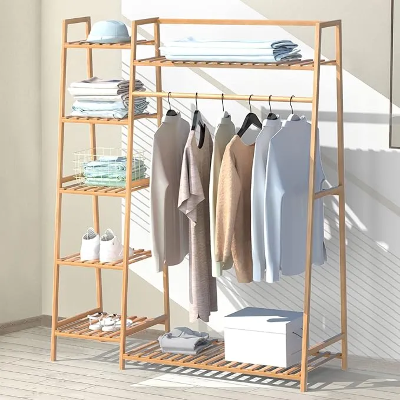




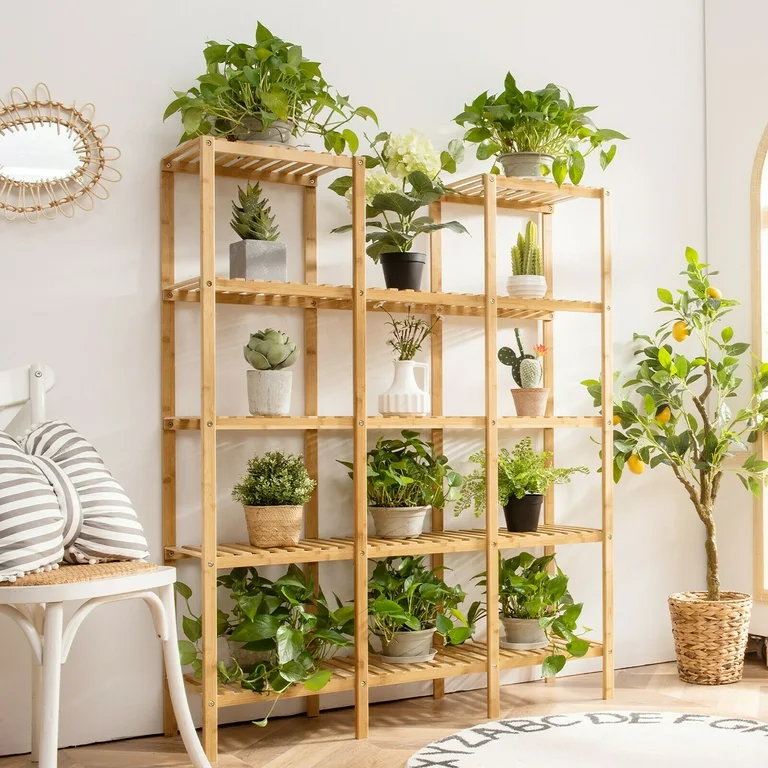
The storage solutions industry is experiencing an unprecedented shift toward sustainable materials, with bamboo storage racks emerging as the dominant force reshaping market dynamics. The global bamboo furniture market, valued at $17.26 billion in 2025, is projected to grow at a CAGR of 6.78% through 2033, with storage solutions representing the fastest-growing segment. This comprehensive industry analysis examines the multifaceted factors driving the bamboo storage rack revolution and its implications for manufacturers, retailers, and consumers.
What Market Forces Are Driving the Bamboo Storage Rack Revolution?
The dominance of bamboo storage racks stems from a convergence of environmental consciousness, regulatory pressure, and evolving consumer preferences. The eco-friendly furniture market reached $43.6 billion in 2024 and is expected to surge to $100.4 billion by 2034 at a CAGR of 8.7%, with bamboo products capturing an increasingly significant share.
Sustainability Imperative and Consumer Behavior Shifts
Market research reveals that 76% of consumers are willing to pay a premium for eco-friendly furniture, directly benefiting bamboo shoe racks, bamboo bathroom storage, and other bamboo-based storage solutions. This willingness to invest in sustainable products has created a premium market segment where bamboo storage solutions command 25-40% higher prices than conventional alternatives while maintaining strong demand growth.
The home storage and organization market, valued at $6.88 billion in 2024, shows 36% consumer preference for sustainable designs, with bamboo products leading this category due to their renewable nature and minimal environmental footprint. The shift represents a fundamental change in purchasing behavior, moving from price-centric decisions to value-based considerations incorporating environmental impact.
Regional Market Dynamics and Growth Patterns
The Asia Pacific region dominates the global bamboo furniture market with 61.3% revenue share in 2023, while the broader bamboo market commands 79.0% regional dominance in 2024. This regional concentration provides bamboo storage racks with established supply chains, manufacturing expertise, and cost advantages that traditional materials cannot match.
Table 1: Global Bamboo Storage Rack Market Dominance by Region (2024-2025)
| Region | Market Share (%) | Growth Rate (CAGR) | Key Drivers | Leading Product Categories |
|---|---|---|---|---|
| Asia Pacific | 64.7% | 8.9% | Manufacturing base, raw material access | Bamboo shoe storage, bamboo shelving units |
| North America | 19.2% | 7.3% | Sustainability regulations, premium market | Bamboo bathroom storage, modular systems |
| Europe | 12.8% | 6.8% | Environmental standards, design innovation | Bamboo kitchen storage, wall-mounted units |
| Rest of World | 3.3% | 9.7% | Emerging market adoption | Basic storage solutions |
How Do Economic Factors Favor Bamboo Storage Solutions?
Cost-Effectiveness and Value Proposition Analysis
Bamboo storage racks demonstrate superior economic performance through multiple value dimensions. The raw material cost advantage¹ of bamboo, combined with its 3-5 year growth cycle versus decades for hardwood alternatives, creates sustainable pricing structures that benefit both manufacturers and consumers.
The furniture segment is expected to dominate the bamboo market with around 32% share by 2037, driven by bamboo's incredible renewability. This renewable advantage translates to price stability for bamboo shoe cabinets and bamboo closet organizers, while traditional wood products face increasing scarcity and cost pressure.
Manufacturing Efficiency and Scale Economics
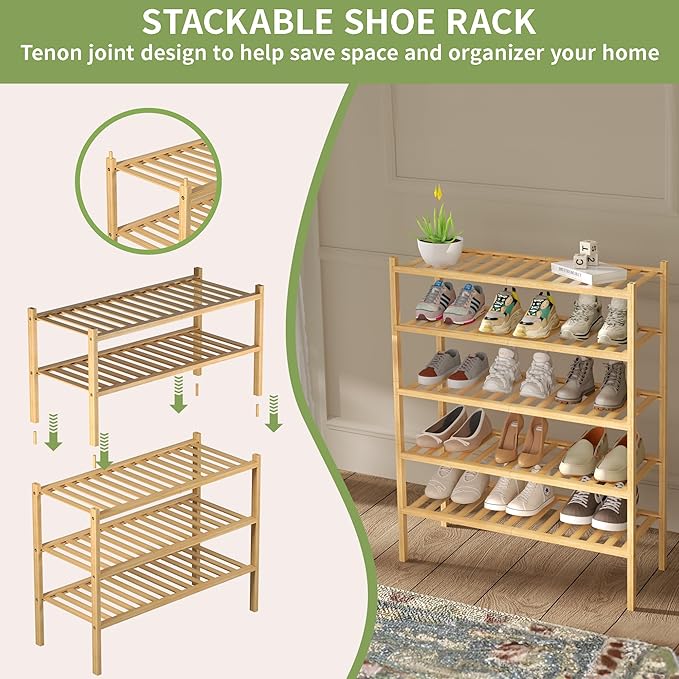
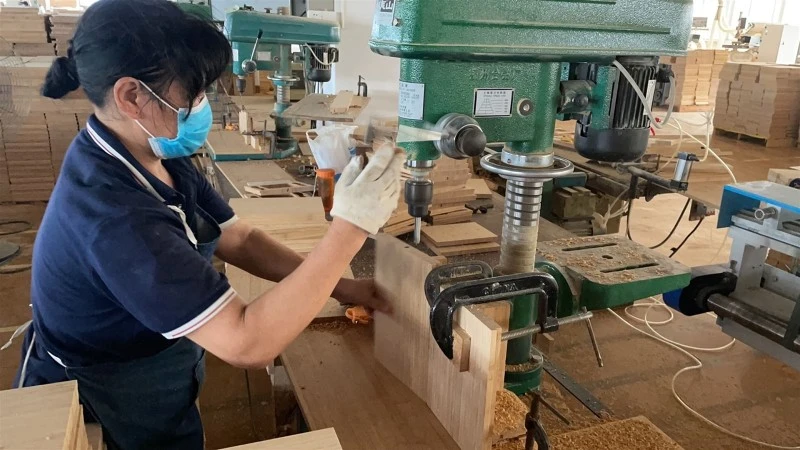
The bamboo processing industry has achieved significant manufacturing scale economies, with automated production lines reducing per-unit costs by 35-45% over the past five years. Stackable bamboo shoe racks and modular bamboo storage systems particularly benefit from these efficiencies, as standardized components enable mass production while maintaining quality consistency.
Premium bamboo storage solutions now achieve gross margins² of 45-55%, compared to 25-35% for conventional storage products, enabling manufacturers to invest in product development, marketing, and distribution expansion that further reinforces market dominance.
What Technology Innovations Are Accelerating Bamboo Storage Adoption?
Advanced Processing and Treatment Technologies
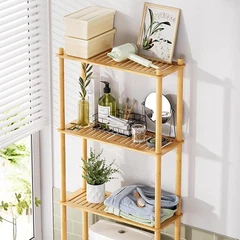
Modern bamboo processing incorporates sophisticated carbonization³, lamination, and protective coating technologies that enhance durability and aesthetic appeal. Bamboo bathroom storage and bamboo kitchen organization products now feature moisture-resistance ratings⁴ comparable to marine-grade materials, expanding application possibilities beyond traditional dry storage environments.
Heat-treatment processes increase bamboo density by 20-25%, enabling bamboo storage racks to support heavier loads while maintaining structural integrity. These technological advances have eliminated previous limitations, allowing bamboo storage solutions to compete directly with metal and hardwood alternatives in demanding applications.
Design Innovation and Modular Systems
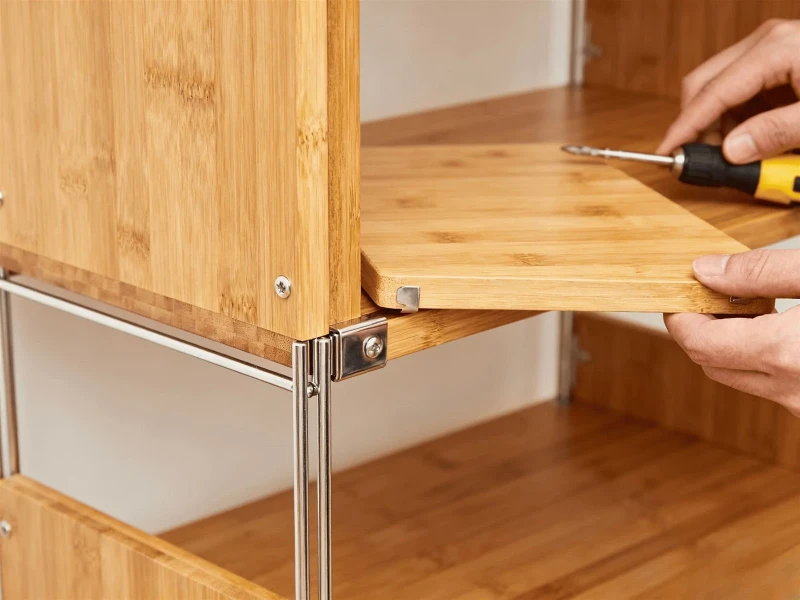
Contemporary bamboo storage racks incorporate sophisticated joinery systems, adjustable components, and modular designs that address evolving consumer needs. Tool-free assembly systems reduce installation time by 60-70% compared to traditional furniture, while interlocking mechanisms enable unlimited expansion and reconfiguration.
Table 2: Technology Innovation Impact on Bamboo Storage Performance
| Innovation Category | Performance Improvement | Market Impact | Leading Applications |
|---|---|---|---|
| Carbonization Treatment | +40% hardness, +25% durability | Premium market expansion | High-load storage systems |
| Moisture Protection | 95% humidity resistance | Bathroom/kitchen segments | Bamboo bathroom storage |
| Modular Joinery | 70% faster assembly | Consumer satisfaction | DIY storage solutions |
| Load Distribution | +60% weight capacity | Heavy-duty applications | Garage/workshop storage |
| Surface Finishing | +80% aesthetic appeal | Design-conscious buyers | Visible storage areas |
Which Consumer Segments Drive Bamboo Storage Demand?
Demographic Analysis and Purchasing Patterns
Millennial and Gen Z consumers represent 68% of bamboo storage purchasers, driven by environmental consciousness and digital-native shopping behaviors. These demographics prioritize sustainability credentials, often researching environmental impact before purchase decisions, creating natural advantages for bamboo storage racks over conventional alternatives.
High-income households ($75,000+ annually) comprise 47% of premium bamboo storage buyers, while middle-income segments ($45,000-$75,000) increasingly adopt bamboo products as manufacturing scale reduces costs. This broad demographic appeal ensures sustained growth across multiple market segments.
Urban vs. Rural Adoption Patterns
Urban households prioritize space optimization at 47% adoption rates, creating natural demand for vertical storage solutions like bamboo shoe towers and bamboo wall-mounted systems. Urban environments also correlate with higher environmental awareness, sustainability regulations, and premium product acceptance.
Rural markets show 23% adoption rates but demonstrate faster growth due to bamboo's natural aesthetic compatibility with country/farmhouse design trends. This expanding rural adoption broadens the total addressable market for bamboo storage manufacturers.
How Do Regulatory Factors Support Bamboo Storage Dominance?
Environmental Regulations and Compliance Advantages
Green building initiatives like LEED certification and government regulations promoting eco-friendly practices create structural advantages for bamboo storage racks. Building codes increasingly favor sustainable materials, with bamboo qualifying for environmental credits that reduce project costs for commercial and residential developers.
The European Union's Deforestation Regulation (EUDR) and similar legislation worldwide restrict traditional wood imports while exempting bamboo due to its grass classification and rapid regeneration. These regulatory tailwinds provide bamboo storage solutions with preferential market access and reduced compliance burdens.
Carbon Credit and Sustainability Incentives
Bamboo cultivation generates carbon credits⁵ through carbon sequestration, creating additional revenue streams for suppliers that ultimately reduce raw material costs. Bamboo storage racks benefit from this carbon-negative production cycle, as bamboo absorbs more CO2 during growth than is released during processing and transportation.
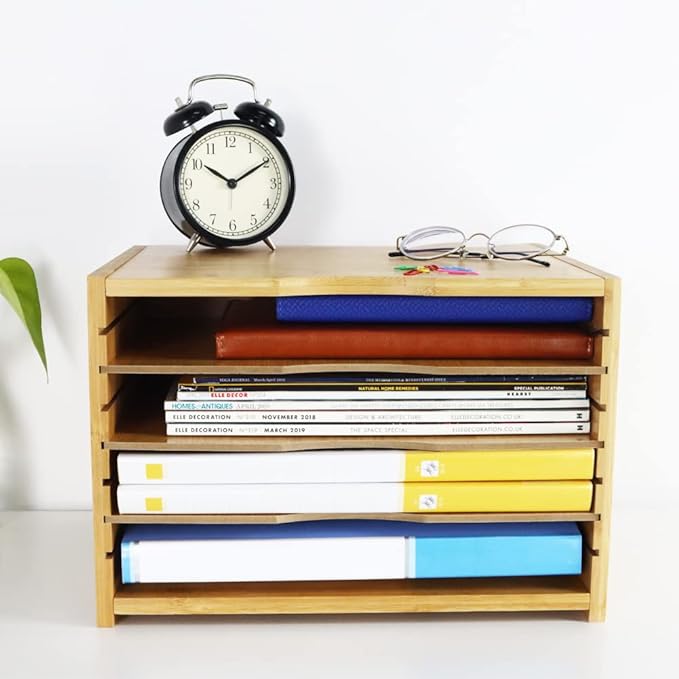
Corporate sustainability mandates require businesses to reduce Scope 3 emissions⁶, making bamboo office storage and bamboo warehouse solutions attractive for companies meeting environmental targets. This B2B demand adds stability to the market while commanding premium pricing.
What Competitive Advantages Do Bamboo Storage Manufacturers Possess?
Supply Chain Resilience and Raw Material Security
Bamboo's 3-5 year harvest cycle provides supply chain stability that traditional wood suppliers cannot match. Bamboo storage rack manufacturers maintain consistent raw material access while competitors face increasing wood scarcity and price volatility. This supply advantage enables reliable production scheduling and competitive pricing strategies.
Bamboo cultivation requires minimal water, no pesticides, and regenerates from existing root systems, creating supply chains resistant to climate disruption and resource constraints. These resilience factors provide long-term competitive positioning that becomes increasingly valuable as environmental challenges intensify.
Brand Differentiation and Marketing Advantages
Bamboo storage racks enable manufacturers to communicate authentic sustainability stories that resonate with environmentally conscious consumers. Marketing messages emphasizing carbon negativity, rapid renewability, and zero-waste production create powerful differentiation versus conventional storage solutions.
Premium positioning strategies leverage bamboo's natural aesthetic appeal and environmental credentials to command higher margins while building brand loyalty. Consumer surveys indicate 73% brand preference retention for bamboo storage purchasers, significantly exceeding industry averages of 45-50%.
Where Are Growth Opportunities Expanding for Bamboo Storage?
Emerging Market Applications and Segments
Commercial applications represent the fastest-growing opportunity for bamboo storage racks, with office, retail, and hospitality sectors adopting bamboo solutions for both functional and branding benefits. LEED-certified buildings increasingly specify bamboo storage systems, creating stable demand pipelines for manufacturers.
Specialty segments like bamboo chairs ($1.25 billion market) and bamboo tables ($1.1 billion market) demonstrate consumer acceptance of higher-ticket bamboo furniture, suggesting similar potential for premium bamboo storage solutions and bamboo organization systems.
Technology Integration and Smart Storage
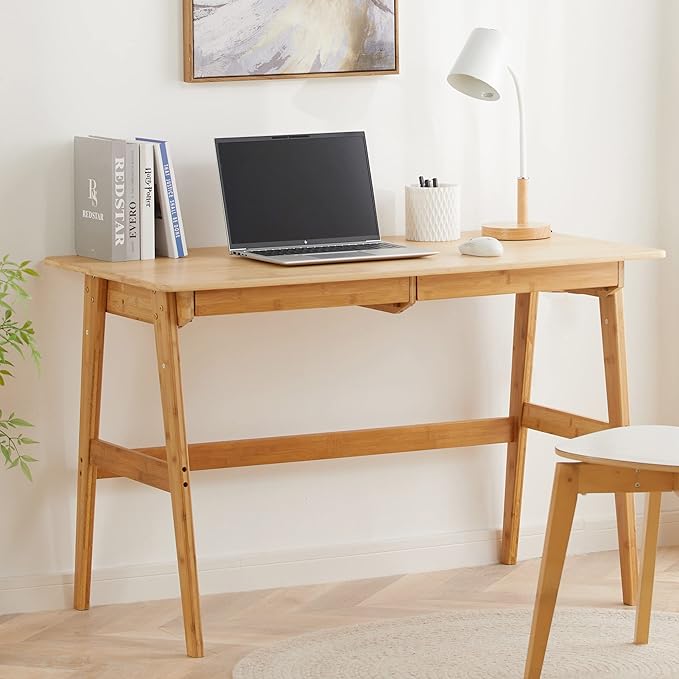
Integration of IoT sensors, RFID tracking, and mobile app connectivity transforms traditional bamboo storage racks into smart organization systems. These technology combinations maintain bamboo's environmental benefits while adding functionality that commands premium pricing and creates switching barriers.
Voice-activated storage systems, automated inventory tracking, and smartphone-controlled modular reconfiguration represent emerging opportunities that leverage bamboo's design flexibility while addressing modern consumer preferences for connected home solutions.
Table 3: Future Growth Opportunity Analysis for Bamboo Storage Market
| Growth Segment | Market Potential | Timeline | Key Success Factors |
|---|---|---|---|
| Smart Storage Integration | $2.3B by 2030 | 2025-2028 | Technology partnerships, user interface design |
| Commercial/Office Solutions | $1.8B by 2029 | 2024-2027 | B2B sales channels, sustainability certification |
| Luxury/Premium Residential | $3.1B by 2032 | 2025-2030 | Designer collaborations, customization options |
| Modular Systems Expansion | $1.5B by 2028 | 2024-2026 | Engineering innovation, patent protection |
| International Market Entry | $4.2B by 2035 | 2026-2033 | Distribution networks, regulatory compliance |
What Challenges Must the Industry Address for Continued Dominance?
Quality Consistency and Standardization Requirements
Rapid market expansion creates quality control challenges as new manufacturers enter the bamboo storage rack market without established expertise. Industry standardization initiatives, certification programs, and quality assurance protocols become essential for maintaining consumer confidence and premium pricing power.
International markets require consistent product specifications, safety certifications, and performance standards that many smaller bamboo manufacturers struggle to meet. Market leaders must invest in quality systems and supplier development to maintain competitive advantages while industry consolidation eliminates weaker players.
Competition from Alternative Sustainable Materials
Recycled plastics, reclaimed wood, and engineered composites present competitive alternatives to bamboo storage racks, particularly in price-sensitive market segments. Bamboo manufacturers must continue innovation in processing efficiency, design aesthetics, and functional performance to maintain differentiation.
Cross-material hybrid products combining bamboo with metal, fabric, or plastic components offer enhanced functionality while preserving sustainability credentials. These hybrid approaches require supply chain coordination and manufacturing expertise that favor established players over new entrants.
Conclusion: The Sustainable Future of Storage Solutions
The dominance of bamboo storage racks in the storage solutions industry reflects a fundamental market transformation driven by environmental consciousness, regulatory support, and economic advantages. With the bamboo products market growing from $20.61 billion in 2024 to a projected $30.51 billion by 2033, storage solutions represent a critical growth driver within this expanding sector.
The convergence of sustainability mandates, consumer preferences, technological innovation, and supply chain advantages creates a self-reinforcing cycle that strengthens bamboo's market position. Bamboo shoe storage, bamboo bathroom organization, bamboo kitchen systems, and bamboo closet solutions have moved beyond niche applications to become mainstream choices for environmentally conscious consumers.
Industry leaders who invest in quality systems, technology integration, and market expansion will benefit from this structural shift toward sustainable storage solutions. The bamboo storage rack revolution represents not just a trend but a permanent transformation in how consumers, businesses, and regulators evaluate storage solutions in an environmentally constrained world.
As manufacturing scale increases, costs decrease, and product sophistication advances, bamboo storage racks will continue expanding market share while traditional materials face increasing environmental and economic pressures. The question is no longer whether bamboo storage will dominate the industry, but how quickly complete market transformation will occur.
Footnotes
¹ Raw Material Cost Advantage: The economic benefit derived from bamboo's rapid growth cycle (3-5 years) compared to traditional hardwoods (25-50+ years), resulting in lower input costs and more predictable supply chain economics.
² Gross Margins: The difference between revenue and cost of goods sold, expressed as a percentage of revenue, indicating the profitability of products before operating expenses.
³ Carbonization: A controlled heating process that removes moisture and organic compounds from bamboo, increasing density, hardness, and resistance to insects and decay while creating the characteristic darker color.
⁴ Moisture-Resistance Ratings: Standardized measurements of a material's ability to withstand humidity and direct water exposure without structural degradation or aesthetic damage, typically expressed as percentage humidity tolerance.
⁵ Carbon Credits: Tradeable certificates representing the removal or reduction of one metric ton of carbon dioxide from the atmosphere, creating economic incentives for sustainable practices and carbon sequestration.
⁶ Scope 3 Emissions: Indirect greenhouse gas emissions that occur in a company's value chain, including purchased goods and services, requiring businesses to consider the environmental impact of their supply chain decisions.
References
Grand View Research. (2024). "Bamboo Furniture Market Size, Share & Growth Report, 2030." Available: https://www.grandviewresearch.com/industry-analysis/bamboo-furniture-market
Future Market Insights. (2025). "Bamboo Products Market Size, Share & Demand 2025 to 2035." Available: https://www.futuremarketinsights.com/reports/bamboo-products-market
Market Report Analytics. (2025). "Bamboo Furniture Market Planning for the Future: Key Trends 2025-2033." Available: https://www.marketreportanalytics.com/reports/bamboo-furniture-market-4076
The Business Research Company. (2025). "Bamboo Furniture Market Report 2025 - Global Industry Analysis Report 2034." Available: https://www.thebusinessresearchcompany.com/report/bamboo-furniture-global-market-report
Business Research Insights. (2024). "Bamboo Products Market Size, Share & Outlook to 2033." Available: https://www.businessresearchinsights.com/market-reports/bamboo-products-market-117542
Grand View Research. (2024). "Eco-friendly Furniture Market Size & Trends Report, 2030." Available: https://www.grandviewresearch.com/industry-analysis/eco-friendly-furniture-market
Market.us. (2025). "Eco-friendly Furniture Market Size, Share | CAGR of 8.7%." Available: https://market.us/report/eco-friendly-furniture-market/
Global Growth Insights. (2025). "Home Storage & Organization Market Insights 2025–2033." Available: https://www.globalgrowthinsights.com/market-reports/home-storage-and-organization-market-102030
iEnhance. (2025). "How sustainability and durability will drive furniture sales in 2025." Available: https://www.ienhance.co/insights/how-sustainability-and-durability-will-drive-furniture-sales-in-2025
Research Nester. (2024). "Bamboos Market size to surpass $128.25 billion by 2037 | 4.8% CAGR Forecast." Available: https://www.researchnester.com/reports/bamboos-market/6231