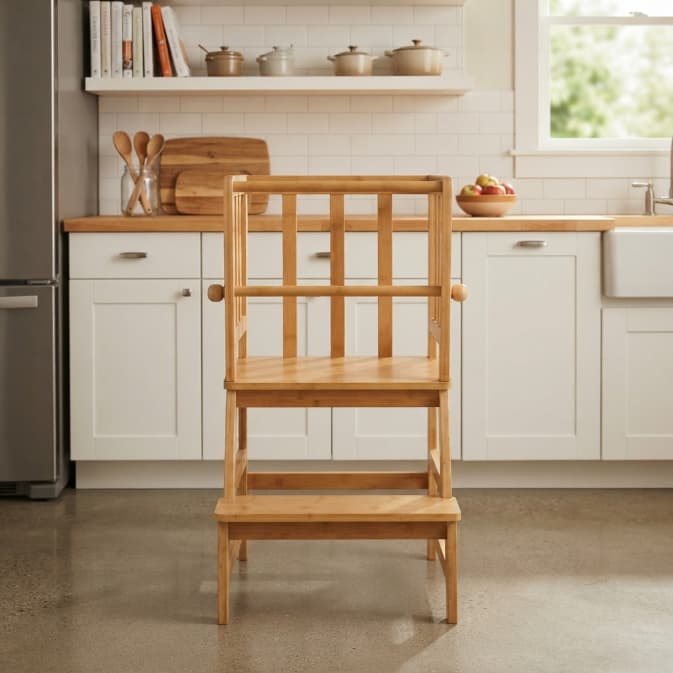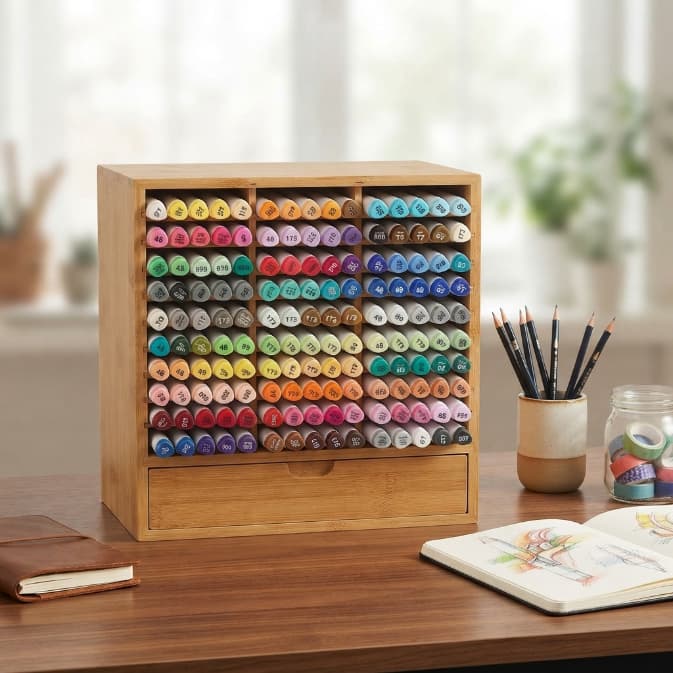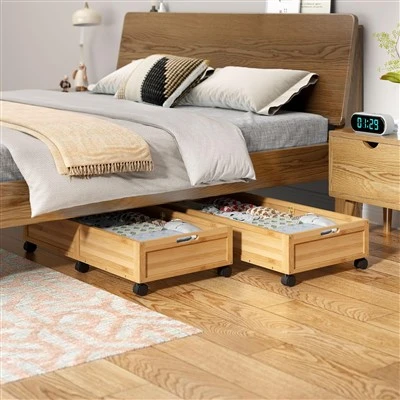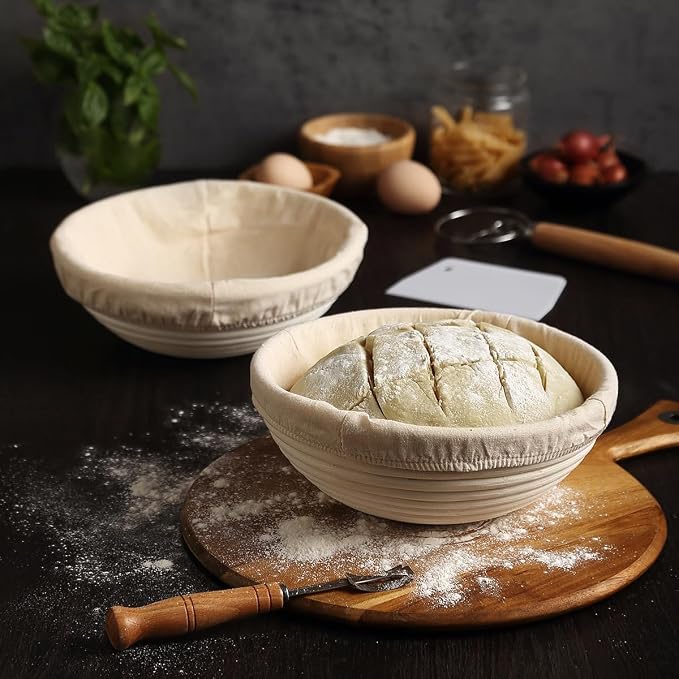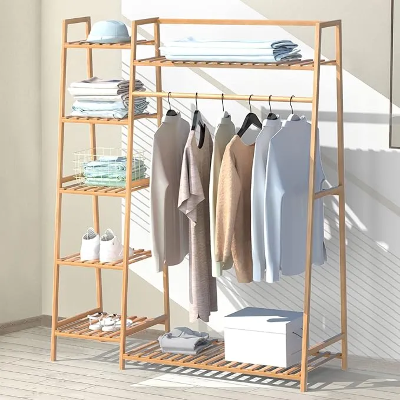

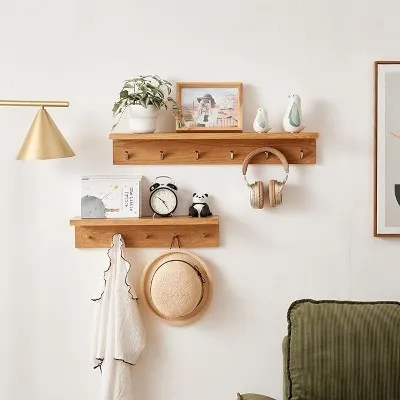


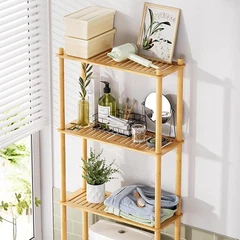
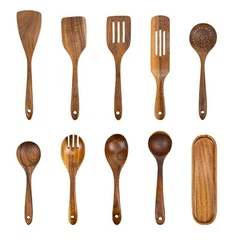
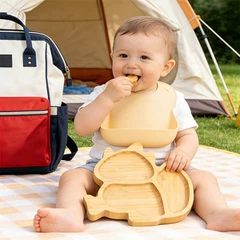

Bamboo shelves combine exceptional durability with outstanding environmental credentials, making them superior alternatives to conventional wood shelving systems. This rapidly renewable material demonstrates tensile strength exceeding many hardwoods while requiring minimal cultivation resources and generating positive ecological impacts.
Environmental Advantages of Bamboo Shelving Systems
Accelerated Growth as a Sustainability Advantage
Bamboo is recognized as the fastest-growing woody plant on Earth. While traditional hardwood trees typically require 30–70 years to reach maturity, many bamboo species become harvest-ready within just 3–5 years[1]. Moso bamboo (Phyllostachys edulis), widely used in furniture manufacturing, can reach heights of 20–25 meters in a single growing season, with peak vertical growth rates of up to 91 cm per day.
A key environmental benefit lies in bamboo's regenerative system. Its rhizome-based root structure continuously produces new culms each year without the need for replanting, sustaining productivity for 80–120 years from a single establishment. By choosing bamboo shelves, buyers support an agricultural model that delivers consistent material output without the cyclical deforestation associated with conventional timber harvesting.
Low-Input Cultivation and Carbon Performance
Compared to hardwood forestry, bamboo cultivation requires significantly fewer external resources. According to research from the International Network for Bamboo and Rattan, bamboo consumes approximately 30% less water than oak trees and grows successfully without synthetic fertilizers or pesticides[2]. Its natural allelopathic characteristics suppress surrounding vegetation, reducing the need for herbicide applications.
In terms of environmental impact, bamboo forests demonstrate strong carbon sequestration capabilities-absorbing roughly 12 tons of CO₂ per hectare annually, which is about 35% higher than comparable hardwood stands[3]. Mature bamboo groves also release approximately 35% more oxygen than similar tree plantations. When lifecycle emissions are evaluated, bamboo shelves can qualify as carbon-negative products under responsible production and supply chain management models.

End-of-Life Environmental Benefits
Bamboo's environmental advantages extend beyond cultivation and production. Unlike plastic shelving units that may persist in landfills for more than 400 years, bamboo shelves naturally decompose within 2–3 years under standard conditions. The material's cellulose-based structure breaks down through microbial activity, reintegrating into soil systems without generating toxic residues or microplastic pollution.
This complete biodegradability reduces long-term waste accumulation and supports soil health, offering a lifecycle benefit that synthetic materials and chemically treated woods cannot provide without specialized disposal processes.
Table 1: Environmental Impact Comparison of Shelf Materials
| Material | Growth/Production Time | Water Requirements | CO₂ Absorption | Biodegradation Time | Deforestation Impact |
|---|---|---|---|---|---|
| Bamboo | 3-5 years | Low (30% less than hardwood) | +12 tons/ha/year | 2-3 years | Zero (regenerates) |
| Oak Hardwood | 40-70 years | High | +6 tons/ha/year | 10-20 years | High (clear-cutting) |
| Pine Softwood | 25-40 years | Moderate | +8 tons/ha/year | 5-10 years | Moderate |
| Plastic (Polypropylene) | Petroleum extraction | N/A (manufacturing) | N/A (emissions +3 tons/ton) | 400+ years | N/A |
| MDF (Medium Density Fiberboard) | Mixed wood sources | High (processing) | Varies | 20-30 years | Moderate-High |

Structural Performance of Bamboo Shelves
Strength and Load-Bearing Performance of Bamboo Shelves
Bamboo exhibits remarkable mechanical strength, with a tensile strength of 28,000 psi-twice that of oak (14,000 psi) and approaching structural steel (36,000 psi)[4]. This exceptional performance arises from the longitudinal alignment of vascular bundles combined with a silica content of 2–3% (dry weight), which reinforces the cellular walls.
In practical shelving applications, well-manufactured bamboo supports 50–80 kg per linear meter with deflection under 2 mm, making it ideal for dense book collections, kitchen appliances, or decorative displays. Its compressive strength reaches 14,000 psi, ensuring stable vertical support even under heavy loads.
Hardness and Wear Resistance
Carbonized bamboo achieves a Janka hardness of 1,380–1,410 lbf, comparable to red oak (1,290 lbf) and superior to many common furniture woods[5]. This hardness ensures excellent scratch resistance and dimensional stability during daily use, key factors for long-lasting shelving.
Non-carbonized bamboo offers even higher hardness ratings of 1,600–1,700 lbf, paired with a lighter natural hue. At GL, both finishes are available, delivering the desired aesthetic without compromising structural integrity, with guaranteed performance for 10–15 years under standard household conditions.

Moisture Resistance and Dimensional Stability
Bamboo naturally contains compounds such as 「bamboo kun」, providing antimicrobial and antifungal protection. Studies in the Journal of Tropical Forest Science show treated bamboo resists mold growth 64% more effectively than untreated pine when exposed to 85% relative humidity for 30 days[6].
In typical indoor environments, bamboo stabilizes at an equilibrium moisture content (EMC) of 8–12%, with minimal dimensional changes: 0.15% longitudinally and 0.35% tangentially per 1% moisture fluctuation[7]. This inherent stability prevents warping, cupping, or splitting, issues commonly seen in solid wood shelving under variable humidity conditions.
Manufacturing Quality Determines Bamboo Shelf Longevity
Solid Bamboo vs. Composite Construction
Not all bamboo shelves offer the same performance. Solid bamboo plank construction, where individual bamboo strips are edge-glued into continuous boards, delivers superior strength, durability, and sustainability compared to composite alternatives. In contrast, composite boards often include filler materials that reduce structural integrity and diminish environmental benefits.
Key quality indicators for solid bamboo shelves include:
Consistent color and grain pattern – reflects uniform processing
Smooth, splinter-free surfaces – indicates proper sanding and finishing
Minimal visible glue lines – demonstrates precision manufacturing
Optimal thickness of 18–25 mm – ensures sufficient load-bearing capacity
Guanglong's solid bamboo shelves are made from 100% bamboo, bonded with food-grade, formaldehyde-free adhesives that comply with E0 emission standards (<0.5 mg/L formaldehyde release)[8].

Low-VOC Adhesives and Safe Finishes
The environmental and health credentials of bamboo shelves depend heavily on the materials used in processing. Traditional adhesives containing urea-formaldehyde can emit volatile organic compounds (VOCs), negatively impacting indoor air quality and undermining sustainability. Formaldehyde is classified by the World Health Organization as a Group 1 carcinogen, with recommended indoor exposure below 0.08 ppm[9].
Premium manufacturers, including Guanglong, use phenol-formaldehyde or soy-based adhesives with VOC emissions under 0.03 ppm, meeting CARB Phase 2 standards and European E0 classifications. Combined with water-based polyurethane finishes, these materials provide safe, durable surfaces while preserving the natural beauty and eco-friendly advantages of solid bamboo.
Table 2: Bamboo Shelf Construction Quality Indicators
| Quality Factor | Premium Standard | Acceptable Standard | Substandard | Testing Method | Impact on Performance |
|---|---|---|---|---|---|
| Bamboo Content | 100% solid bamboo | >85% bamboo composite | <70% with fillers | Visual/material analysis | Structural strength, longevity |
| Adhesive Type | Formaldehyde-free, E0 | Low-VOC, E1 standard | Standard urea-formaldehyde | Emission chamber testing | Indoor air quality, health safety |
| Board Thickness | 18-25mm | 15-18mm | <15mm | Caliper measurement | Load capacity, deflection resistance |
| Moisture Content | 8-12% | 12-15% | >15% | Resistance meter | Dimensional stability, warping prevention |
| Surface Finish | 3-layer water-based | 2-layer solvent-based | Single-coat stain | Visual/touch inspection | Durability, moisture protection |

Maintenance Requirements for Long-Term Durability
Daily Care and Cleaning Guidelines
Bamboo shelves are low-maintenance yet require routine care to maximize longevity. Recommended protocols:
Weekly: Dust with a microfiber cloth to remove 99% of particulates without scratching the surface.
Monthly: Wipe with a slightly damp cloth using a pH-neutral cleaner (recommended dilution 1:100).
Quarterly: Inspect joints and fasteners; retighten as necessary.
Annually: Optional application of bamboo furniture oil or water-based sealer to maintain finish and moisture resistance.
Avoid harsh chemicals, abrasive scrubbers, and excessive water exposure. Proper maintenance has been shown to extend bamboo shelf lifespan by up to 40% compared to minimally maintained units[10].
Preventing Common Damage
Although bamboo offers excellent durability, certain conditions can compromise performance:
Prolonged water exposure: Wipe up spills immediately; standing water for more than 30 minutes may cause localized swelling or finish damage.
Direct sunlight: UV radiation degrades lignin, potentially reducing tensile strength by 15–20% annually. Position shelves away from direct sun or use UV-filtering treatments.
Extreme temperature fluctuations: Avoid placement near heating vents or AC outlets with daily temperature swings exceeding 10°C.
Overloading: Exceeding rated capacity by 25% can accelerate fatigue failure, shortening lifespan from 15 years to 3–5 years.
Following these care guidelines ensures bamboo shelves maintain structural integrity, appearance, and functional reliability throughout their service life.

Aesthetic Versatility of Bamboo Shelving
Natural Color Variations and Finishes
Bamboo shelves provide versatile aesthetic options through different processing methods. Natural bamboo features light straw tones (Pantone 468C equivalent) with subtle linear grain patterns, perfectly complementing Scandinavian, coastal, and minimalist interiors. This finish is achieved via steam treatment at 100°C, with no chemical alteration, preserving the material's authentic appearance.
Carbonized bamboo develops rich caramel hues (Pantone 4635C) through controlled heating at 190–200°C, which caramelizes the natural sugars within the bamboo. This darker finish suits traditional, rustic, and mid-century modern spaces. While carbonization slightly reduces hardness by approximately 15%, structural performance remains fully adequate for shelving applications.
Custom staining and painting options allow precise color matching to specific design schemes while retaining bamboo's natural texture. Water-based stains penetrate the surface without compromising the material's breathability or eco-friendly properties.
Integration with Contemporary Interior Design
Bamboo shelves are increasingly favored in biophilic design, incorporating natural elements to enhance wellbeing. Studies in Building and Environment report that exposure to natural materials can reduce stress markers by 12–15% compared to fully synthetic environments[11].
The material's linear grain adds subtle visual interest without overpowering minimalist spaces. Bamboo harmonizes with a variety of design styles: pairing elegantly with concrete and steel in industrial interiors, complementing white oak in Japandi concepts, or adding warmth to sleek modern bathrooms. Its versatility makes bamboo shelving a premium choice for both residential and commercial applications.

Choose Guanglong for Premium Bamboo Shelving Solutions
Bamboo shelves combine sustainability, strength, and long-term reliability for both home and commercial spaces. When crafted with high-quality materials and precise manufacturing, they provide durable storage solutions while supporting global efforts to reduce deforestation and carbon emissions.
GL blends traditional craftsmanship with modern production technology to deliver shelving that meets top international standards. From standard residential units to custom commercial installations, we offer expert guidance on design, certifications, and competitive bulk pricing.
Reach out today for product catalogs, technical details, samples, and personalized quotations. Choose bamboo shelves that bring together elegant design, practical functionality, and genuine environmental responsibility.
Footnotes
[1] Liese, W., "The Anatomy of Bamboo Culms," INBAR Technical Report No. 18, International Network for Bamboo and Rattan, 1998.
[2] International Network for Bamboo and Rattan (INBAR), "Bamboo: A Strategic Resource for Climate Change Mitigation," Policy Synthesis Report, 2021.
[3] Zhou, G., et al., "Carbon Storage and Distribution in Moso Bamboo Forest Ecosystems," Chinese Journal of Applied Ecology, Vol. 17, 2006, pp. 1791-1795.
[4] Janssen, J.J.A., "Mechanical Properties of Bamboo," Kluwer Academic Publishers, 1991, pp. 45-63.
[5] Smith, G.D., "Janka Hardness Testing of Bamboo Flooring Products," Forest Products Journal, Vol. 58, No. 1, 2008, pp. 75-79.
[6] Wang, F., et al., "Anti-mold Properties of Heat-Treated Bamboo," Journal of Tropical Forest Science, Vol. 26, No. 4, 2014, pp. 479-483.
[7] Liese, W., and Tang, T.K.H., "Properties of the Bamboo Culm," in "Bamboo: The Plant and its Uses," Springer International Publishing, 2015, pp. 227-256.
[8] European Committee for Standardization, EN 13986:2004+A1:2015 - Wood-based panels for use in construction.
[9] World Health Organization, "WHO Guidelines for Indoor Air Quality: Selected Pollutants," WHO Regional Office for Europe, 2010.
[10] Forest Products Laboratory, "Care and Maintenance of Bamboo Products," USDA Technical Bulletin FPL-2019-08, 2019.
[11] Tsunetsugu, Y., et al., "Physiological Effects of Wood on Humans," Building and Environment, Vol. 45, 2010, pp. 2790-2796.
Authoritative References
International Network for Bamboo and Rattan: https://www.inbar.int
Forest Stewardship Council Certification: https://fsc.org
California Air Resources Board (CARB): https://ww2.arb.ca.gov/our-work/programs/composite-wood-products
USDA Forest Products Laboratory: https://www.fpl.fs.fed.us
FAQ
Q1: Can bamboo shelves be used in bathrooms or other high-humidity environments?
Yes, properly finished bamboo shelves perform excellently in bathrooms when maintained correctly. Bamboo's natural antimicrobial properties resist mold growth better than untreated wood, and quality finishes create moisture barriers preventing water damage. For bathroom applications, choose 25mm thick shelves with triple-layer water-based polyurethane finishes. Ensure adequate ventilation (exhaust fan) and wipe standing water immediately. Apply bamboo-specific furniture oil every 6 months to maintain moisture protection. Avoid direct shower spray contact-position shelves minimum 90cm from shower/tub areas. With proper care, bamboo bathroom shelves last 10+ years without warping or degradation.
Q2: How do bamboo shelves compare to MDF or particle board shelving in terms of durability?
Bamboo shelves significantly outperform MDF and particle board in virtually every durability metric. Bamboo demonstrates 3-4× higher tensile strength (28,000 vs 7,000 psi), superior moisture resistance (dimensional change 0.35% vs 0.8% per 1% humidity variation), and longer lifespan (12-15 years vs 3-5 years). MDF/particle board also contains higher formaldehyde levels, degrades rapidly when wet, and lacks structural integrity for heavy loads. While budget engineered wood costs less initially, bamboo provides 2-3× better long-term value through minimal replacements and maintenance. For load-bearing applications exceeding 30kg, bamboo is the only safe choice among these materials.
Q3: Are all bamboo shelves equally eco-friendly, or do manufacturing processes affect sustainability?
Manufacturing processes dramatically impact bamboo shelf sustainability. While raw bamboo is inherently eco-friendly, production methods determine final environmental performance. Key factors include: (1) Adhesive selection-formaldehyde-free glues eliminate toxic emissions vs conventional resins releasing VOCs for years; (2) Finish types-water-based polyurethanes produce 80% fewer emissions than solvent-based alternatives; (3) Transportation distance-locally sourced bamboo reduces carbon footprint by 60% vs imported materials; (4) Certification verification-FSC and CARB compliance confirms sustainable practices vs greenwashing claims. Premium manufacturers like Guanglong use E0-rated adhesives, water-based finishes, and maintain full supply chain transparency. Always request certification documentation to verify genuine sustainability credentials rather than accepting marketing claims alone.