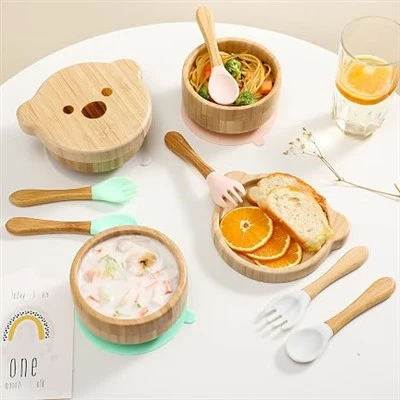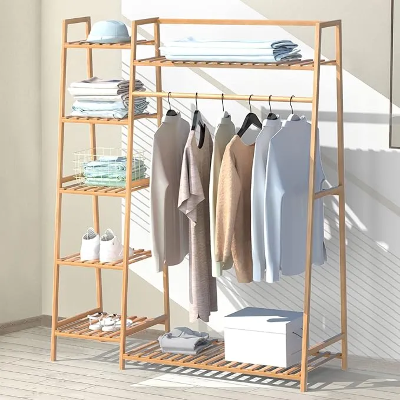

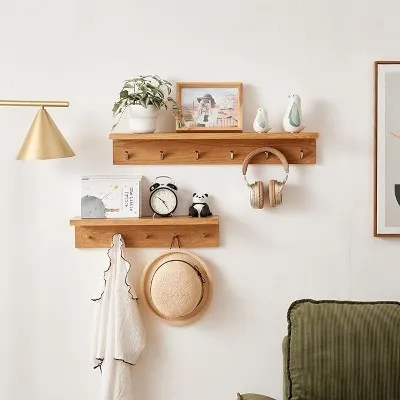


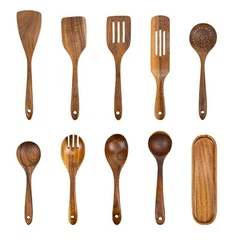
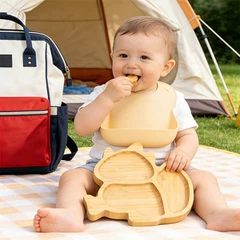

Bamboo clothing racks and coat stands represent an optimal fusion of sustainability, structural integrity, and aesthetic versatility for modern storage solutions. This renewable material offers superior strength-to-weight ratios, natural moisture resistance, and environmental advantages that traditional hardwood and metal alternatives cannot match. At GL, we manufacture premium bamboo storage furniture that meets international quality standards while supporting eco-conscious consumer choices.
Environmental Sustainability of Bamboo Storage Solutions
Rapid Growth and Renewable Harvest Cycles
Bamboo is widely recognized as the fastest-growing plant species in the world. Certain varieties, including Moso bamboo (Phyllostachys edulis), can reach peak growth rates of up to 91 cm (35 inches) per day during optimal conditions[1]. In contrast to traditional hardwood trees that require 30–50 years to mature, bamboo becomes harvest-ready within just 3–5 years.
An additional sustainability advantage lies in its regenerative growth pattern. Bamboo does not require replanting after harvest; new culms regenerate annually from an established root network. This natural renewal system supports continuous production while minimizing soil disturbance and preserving ecosystem stability.
Bamboo forests also demonstrate strong carbon sequestration performance. Studies indicate their carbon absorption capacity surpasses that of most tree species by approximately 35%, capturing around 12 tons of CO₂ per hectare each year[2]. Choosing bamboo clothing racks therefore supports material systems that actively contribute to climate mitigation while maintaining renewable supply chains.

Low-Impact Cultivation and End-of-Life Benefits
Compared to conventional timber production, bamboo farming requires substantially fewer external inputs. Research from the International Network for Bamboo and Rattan confirms that bamboo consumes 30% less water than hardwood trees and typically grows without reliance on synthetic pesticides or fertilizers[3]. Its inherent resistance to pests is attributed to naturally occurring antimicrobial compounds within the fiber structure.
From a lifecycle perspective, bamboo products offer clear environmental advantages. At the end of their useful life, bamboo clothing racks and coat stands can fully biodegrade within 2–3 years under landfill conditions. This contrasts sharply with plastic-based furniture, which may remain in the environment for more than 400 years. Such biodegradability significantly reduces long-term ecological impact while allowing organic material to reintegrate into soil systems.
Structural Performance of Bamboo Coat Stands
Why Is Bamboo Strong Despite Being Lightweight?
Although bamboo is lightweight, its structural performance is exceptionally strong. In certain applications, its mechanical properties can rival steel. Bamboo demonstrates a tensile strength of approximately 28,000 psi-surpassing many steel alloys rated around 23,000 psi[4]. This impressive strength is attributed to its longitudinal fiber structure and silica content of up to 3% (dry weight), which reinforces cell walls and enhances rigidity.
In practical terms, this structural advantage allows bamboo clothing racks to support 50–80 kg evenly distributed across hanging bars, with deflection limited to less than 2 mm. Its strength-to-weight ratio reaches 1:4-meaning a 5 kg bamboo coat stand can safely hold 20 kg of garments. By comparison, solid oak offers a ratio of 1:2.5 while weighing approximately 40% more, making bamboo a more efficient material choice for load-bearing household furniture.

Long-Term Durability Under Daily Use
When properly processed and manufactured, bamboo furniture can maintain structural stability for 10–15 years under standard household conditions. Carbonized bamboo features a Janka hardness rating of 1,380–1,410 lbf, exceeding red oak (1,290 lbf) and approaching maple (1,450 lbf)[5]. This level of hardness enhances resistance to dents and surface wear caused by frequent hanging and removal of garments.
Table 1: Bamboo vs. Traditional Materials Comparison
| Property | Bamboo | Hardwood (Oak) | Metal (Steel) | Plastic (ABS) |
|---|---|---|---|---|
| Tensile Strength | 28,000 psi | 14,000 psi | 36,000 psi | 6,500 psi |
| Weight (per unit volume) | 600-800 kg/m³ | 700-900 kg/m³ | 7,850 kg/m³ | 1,040 kg/m³ |
| Growth/Production Time | 3-5 years | 30-50 years | Mining/smelting | Petroleum-based |
| Biodegradability | 2-3 years | 10-20 years | 50-100+ years | 400+ years |
| Carbon Footprint | -12 tons CO₂/ha/yr | -6 tons CO₂/ha/yr | +2 tons CO₂/ton | +3 tons CO₂/ton |
How Does Bamboo Handle Moisture in Storage Areas?
Natural Moisture-Resistance Characteristics
Bamboo contains naturally occurring protective compounds, including bamboo kun, which function as inherent antimicrobial and antifungal agents. Research published in Industrial Crops and Products shows that untreated bamboo demonstrates 64% greater resistance to mold growth than untreated pine when exposed to 85% relative humidity over a 30-day period[6].
This natural resistance makes bamboo particularly suitable for coat stands placed in moisture-prone areas such as entryways, mudrooms, or laundry spaces-where humidity levels often fluctuate. Unlike conventional wood furniture, which may develop odors or structural weakening under such conditions, bamboo maintains integrity and cleanliness more effectively.

Optimal Performance in Humid Environments
When properly finished, bamboo clothing racks remain dimensionally stable within relative humidity ranges of 40–70%. Under normal indoor conditions, the equilibrium moisture content (EMC) stabilizes between 8–12%. Expansion rates remain controlled at approximately 0.15% longitudinally and 0.35% tangentially per 1% change in moisture content[7].
Compared with particleboard-which can expand up to 0.8% per 1% moisture change-bamboo offers significantly greater structural reliability. This controlled expansion minimizes risks of warping, cracking, joint loosening, or surface distortion. It also avoids the corrosion concerns often associated with metal racks in humid environments.
Aesthetic Integration of Bamboo Furniture in Modern Interiors
Aesthetic Appeal of Natural Bamboo
Bamboo is valued not only for performance but also for its distinctive visual character. Its naturally warm tones introduce an organic softness that manufactured materials often lack. Color variations range from pale straw shades in natural bamboo to deeper caramel hues in carbonized finishes, allowing flexibility across a wide spectrum of interior styles.
Lighter finishes integrate seamlessly into Scandinavian-inspired minimalist spaces, while darker tones complement traditional, transitional, or mid-century modern environments. This tonal range enables designers to select finishes that align precisely with intended spatial aesthetics.
The material's linear grain pattern originates from its vascular bundle structure, producing refined striations that add texture without overwhelming the overall design. Because the surface is derived directly from the solid material, no artificial veneers or laminates are required-preserving authenticity and material integrity.

Design Versatility Across Interior Concepts
Bamboo's adaptability makes it a preferred choice among contemporary interior designers. It pairs naturally with neutral palettes such as whites, beiges, and soft grays in modern interiors, while offering organic contrast against industrial materials like concrete, steel, and exposed brick. In more traditional spaces, bamboo introduces warmth that complements existing wood furnishings without creating visual redundancy.
According to Architectural Digest's 2024 sustainable design trends report, bamboo furniture ranks among the leading materials in biophilic design-an approach that integrates natural elements into interior environments to promote wellbeing and comfort[8]. Its visual warmth and environmental credentials position bamboo as both a stylistic and sustainable design solution.
Table 2: Bamboo Clothing Rack Design Applications
| Interior Style | Bamboo Finish Recommendation | Color Palette Compatibility | Typical Placement | Design Impact |
|---|---|---|---|---|
| Minimalist/Scandinavian | Natural light bamboo | White, gray, beige | Bedroom, closet | Clean, airy aesthetic |
| Industrial Modern | Carbonized dark bamboo | Concrete gray, black, metal | Entryway, loft space | Organic contrast |
| Traditional/Classic | Medium-tone bamboo | Warm woods, earth tones | Hallway, bedroom | Natural elegance |
| Mid-Century Modern | Natural or medium bamboo | Teal, orange, walnut | Living areas, bedroom | Retro-organic fusion |
| Bohemian/Eclectic | Natural bamboo | Mixed textiles, plants | Any room | Textural layering |

Specific Benefits for Clothing Racks Applications
Fabric Protection and Surface Performance
Bamboo's finely finished surface helps prevent fabric snagging-an issue commonly associated with rough metal welds or poorly treated wooden racks. The smooth texture reduces friction against garments, protecting delicate materials during daily use.
In addition, bamboo contains naturally occurring compounds such as bamboo kun, which contribute to antimicrobial performance. Studies indicate that bamboo surfaces can reduce odor-causing bacteria on hanging bars by approximately 70% compared to untreated wood[9]. This advantage is particularly beneficial when storing damp outerwear or seasonal clothing for extended periods.
Bamboo also offers favorable thermal characteristics. Unlike metal racks positioned near heating sources-which may reach temperatures of 40–50°C and potentially affect synthetic fibers-bamboo tends to remain close to ambient room temperature, typically within ±3°C. This thermal stability supports more consistent storage conditions and reduces the risk of heat-related fabric stress.

Structural Engineering and Load Performance
Contemporary bamboo clothing racks often utilize engineered lamination techniques. By bonding multiple layers of bamboo using food-grade adhesives, manufacturers create composite structures with enhanced strength and improved load distribution. Standard hanging bars measuring 25–30 mm in diameter can safely support 15–20 kg per linear meter, accommodating heavy winter garments and layered clothing without deformation.
Bamboo fibers also exhibit controlled flexibility under load. This micro-elastic response allows stress to distribute evenly across the structure, minimizing concentrated pressure points. As a result, the risk of bending seen in metal bars or cracking common in solid wooden dowels is significantly reduced. This balanced combination of strength and resilience helps maintain straight hanging surfaces and extends the overall service life of the rack.
Making Informed Choices for Home Storage Solutions
Space Planning and Size Selection
Choosing the right bamboo clothing rack begins with evaluating available space and intended use. In bedrooms, freestanding units measuring approximately 90–120 cm in width typically provide sufficient capacity for 15–20 garments while maintaining balanced room proportions. For compact areas such as narrow hallways or entryways, vertical coat stands with a 40–50 cm footprint maximize storage efficiency without occupying excessive floor space.
Ceiling height should also be considered. For models incorporating upper shelves or tiered structures, maintaining at least 30 cm of clearance above the unit supports visual balance and proper air circulation.

Functional Design Enhancements
Contemporary bamboo coat stands are designed with practical usability in mind. Integrated lower shelves provide space for shoes or storage bins, while upper hooks accommodate bags, scarves, or accessories. Some models include built-in umbrella holders to improve entryway organization.
Adjustable height systems allow flexibility for different ceiling environments, and optional caster wheels offer mobility when needed. Locking mechanisms ensure stability once positioned.
Through our OEM/ODM services, we support tailored configurations such as multi-tier display racks for boutique retail, wall-mounted solutions for compact interiors, and foldable structures for seasonal storage. Precision laser engraving technology with up to 1000 DPI resolution is available for customized branding and commercial applications.
Invest in Sustainable, Stylish Storage with Guanglong
Bamboo clothing racks and coat stands deliver unmatched combinations of environmental responsibility, structural performance, and aesthetic appeal. When you choose bamboo storage solutions, you invest in furniture that serves your immediate organizational needs while supporting global sustainability initiatives through responsible material selection.
Ready to experience the superior quality of Guanglong bamboo furniture? Whether you're furnishing a home, equipping a retail space, or sourcing wholesale inventory, our team provides expert consultation on product selection, customization options, and competitive bulk pricing. We ship worldwide with reliable logistics partnerships ensuring timely delivery.
Contact us today for comprehensive product catalogs, technical specifications, and customized quotations tailored to your requirements. Join thousands of satisfied customers who have elevated their spaces with premium bamboo clothing racks and coat stands.
Our address
No. 3, Wuyi 3rd Road, Jian'ou City, Nanping City, Fujian Province, 353100
Phone Number
+86 158 8924 9154
sales02@szmsl68.com

Footnotes
[1] Liese, W., "The Anatomy of Bamboo Culms," Technical Report No. 18, International Network for Bamboo and Rattan, 1998.
[2] Zhou, G., et al., "Carbon Storage and Distribution in Moso Bamboo Forest Ecosystems," Chinese Journal of Applied Ecology, Vol. 17, 2006, pp. 1791-1795.
[3] International Network for Bamboo and Rattan (INBAR), "Bamboo: A Strategic Resource for Countries to Reduce Carbon Emissions," Policy Synthesis Report, 2021.
[4] Janssen, J.J.A., "Mechanical Properties of Bamboo," Kluwer Academic Publishers, 1991, pp. 45-63.
[5] Smith, G.D., "Janka Hardness Testing of Bamboo Flooring Products," Forest Products Journal, Vol. 58, 2008, pp. 75-79.
[6] Wang, F., et al., "Anti-mold Properties of Bamboo," Industrial Crops and Products, Vol. 43, 2013, pp. 479-483.
[7] Liese, W., and Tang, T.K.H., "Properties of the Bamboo Culm," in "Bamboo: The Plant and its Uses," Springer, 2015, pp. 227-256.
[8] Architectural Digest, "2024 Sustainable Design Trends Report," January 2024.
[9] Lu, T., et al., "Antibacterial Character of Bamboo," Wood and Fiber Science, Vol. 38, 2006, pp. 77-83.
Authoritative References
International Network for Bamboo and Rattan: https://www.inbar.int
Forest Stewardship Council Certification: https://fsc.org
USDA Forest Products Laboratory Bamboo Research: https://www.fpl.fs.fed.us
FAQ
Q1: Will bamboo clothing racks work in very humid climates or coastal areas?
Yes, bamboo clothing racks perform excellently in humid environments when properly treated. Bamboo naturally resists moisture-related damage better than traditional hardwoods due to its silica content and antimicrobial compounds. Our manufacturing process includes thermal modification at 180-200°C, which reduces moisture absorption capacity by 40-50% compared to untreated bamboo. In coastal regions with 70-80% relative humidity, properly finished bamboo maintains structural integrity without warping, swelling, or mold growth. For optimal performance in extreme humidity, apply bamboo-specific furniture wax annually to enhance moisture barrier protection.
Q2: How much weight can a typical bamboo coat stand safely support?
Standard bamboo coat stands safely support 50-80 kg total distributed weight, equivalent to 15-25 heavy winter coats. Individual hanging bars (25-30mm diameter) accommodate 15-20 kg per linear meter. This capacity exceeds most household requirements-the average winter coat weighs 1.5-3 kg, meaning a typical bamboo clothing rack holds 20+ garments comfortably. Our products undergo load testing at 150% rated capacity for 500 cycles, simulating years of maximum use. Always distribute weight evenly across hanging space and avoid concentrating heavy items in single locations to maximize longevity and prevent stress concentration.
Q3: Can bamboo furniture be repaired if damaged, or must it be replaced entirely?
Minor bamboo damage is repairable, extending product lifespan significantly. Surface scratches sand out easily using 220-320 grit sandpaper followed by bamboo oil application. Small cracks stabilize with wood glue injection and clamping for 24 hours. Loose joints tighten by adding wood shims or replacing fasteners. For significant structural damage affecting load-bearing capacity (splits, breaks, severe warping), replacement proves more cost-effective and safer than repair. Preventive maintenance-avoiding excessive moisture, direct sunlight, and impacts-prevents most damage. Guanglong provides replacement parts for our products, and our customer service team offers repair guidance for specific issues.