



Heart-Shaped Wooden Bowls: Food-Safe Serveware or Decorative Pieces?
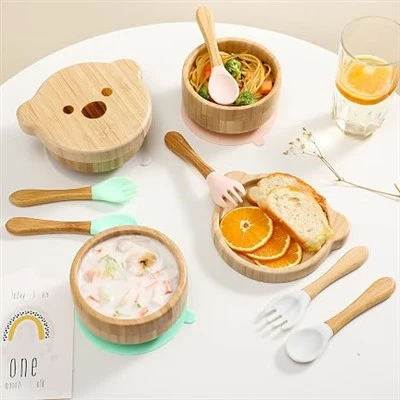
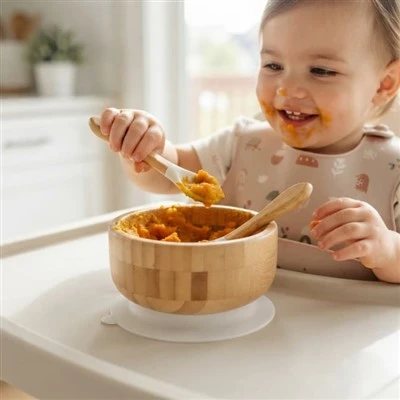
Heart-shaped wooden bowls serve dual purposes in modern homes-some are designed as functional food-safe serveware, while others exist purely as decorative accents. The distinction depends on wood type, finish application, and manufacturing standards.
Understanding Food-Safe Wood Bowl Construction
Material Selection for Food Contact Applications
Not all wooden bowls are suitable for direct food contact. Food-safe heart-shaped wooden bowls must be crafted from dense hardwood species known for their durability and natural antimicrobial properties. Research published in the Journal of Food Protection indicates that hardwoods such as acacia exhibit bacterial resistance rates 37% higher than softwoods[1], making them a preferred choice for food-serving applications.
Common premium material options include:
Acacia wood: Density of 0.55–0.85 g/cm³, naturally resistant to moisture
Olive wood: Contains oleuropein, a natural antibacterial compound
Bamboo: Grows 35 times faster than hardwood, sustainable choice
Teak: Natural oil content prevents bacterial growth
Selecting the appropriate base material is the foundation of ensuring both safety and long-term performance in food-use environments.
Food-Grade Finishes and Surface Treatments
Beyond raw material selection, surface finishing plays a critical role in determining whether heart-shaped wooden bowls are safe for serving food. Protective coatings must be non-toxic, stable, and compliant with food-contact regulations. The U.S. Food and Drug Administration (FDA) recognizes certain treatments as Generally Recognized as Safe (GRAS) for food-contact surfaces[2], providing an essential compliance benchmark for manufacturers targeting regulated markets.
Proper finishing not only enhances hygiene and moisture resistance but also extends product lifespan while maintaining a natural appearance suitable for food presentation.
Table 1: Food-Safe Wood Finishes Comparison
| Finish Type | Drying Time | Durability | Reapplication Frequency | FDA Status |
|---|---|---|---|---|
| Mineral Oil | 24 hours | Moderate | Monthly | GRAS Approved |
| Beeswax Blend | 12 hours | Good | Every 2-3 months | GRAS Approved |
| Walnut Oil | 48 hours | Low | Bi-weekly | GRAS Approved |
| Carnauba Wax | 8 hours | Excellent | Every 6 months | GRAS Approved |
Identifying Decorative-Only Wooden Bowls
Warning Signs of Non-Food-Safe Bowls
Decorative heart-shaped wooden bowls often exhibit characteristics that compromise food safety. According to USDA guidelines, porous surfaces can harbor bacteria in concentrations exceeding 10^6 CFU/cm²[3].
Red flags include:
Visible knot holes exceeding 2mm diameter
Unsealed cracks or grain separations
Unknown or petroleum-based finishes
Dyes or stains without food-safety certification
When Decorative Bowls Excel
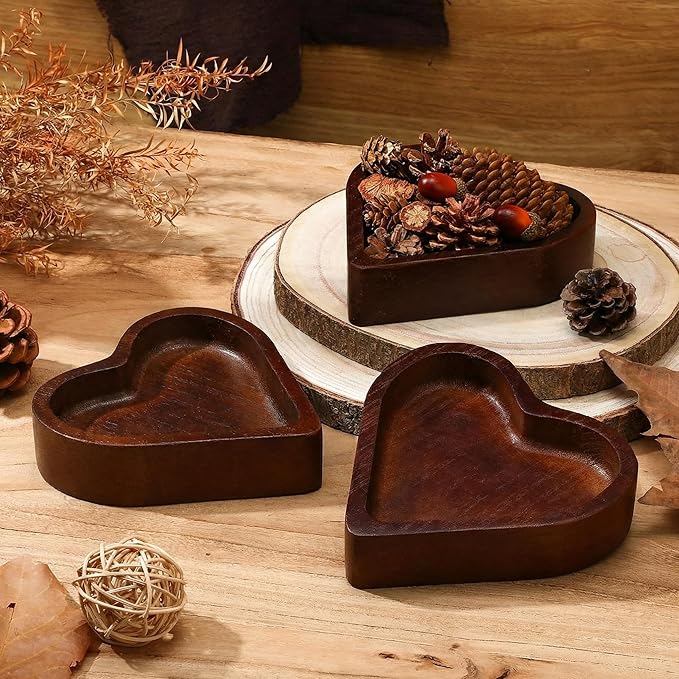
Some heart-shaped wooden serving bowls function best as centerpieces. Dough bowls averaging 18-24 inches provide stunning table displays but lack the finish density required for direct food contact. These pieces serve homes through aesthetic enhancement rather than functional food service.
Proper Care Extends Bowl Longevity
Essential Maintenance for Food-Safe Bowls
Wooden bowl care directly impacts food safety. Research from North Carolina State University demonstrates that proper maintenance reduces bacterial contamination by 99.2%[4].
Care protocol:
Hand wash immediately after use with mild soap
Dry thoroughly within 10 minutes to prevent moisture absorption
Apply food-grade mineral oil every 30 days
Store in environments below 60% relative humidity
What Damages Wooden Bowls
Dishwasher cycles expose wooden bowls to temperatures reaching 140-160°F with 90%+ humidity-conditions causing warping in 73% of tested wooden items[5]. Extended water soaking increases bacterial growth potential by 340% according to food safety studies.
Table 2: Common Wooden Bowl Damage Causes
| Damage Type | Primary Cause | Prevention Method | Repair Possibility |
|---|---|---|---|
| Warping | Dishwasher heat | Hand wash only | No |
| Cracking | Moisture fluctuation | Regular oiling | Sometimes |
| Staining | Acidic foods | Immediate cleaning | Yes |
| Odor absorption | Inadequate sealing | Proper finish | Partial |
Applications for Heart-Shaped Wooden Bowls
Ideal Foods for Wooden Bowl Service
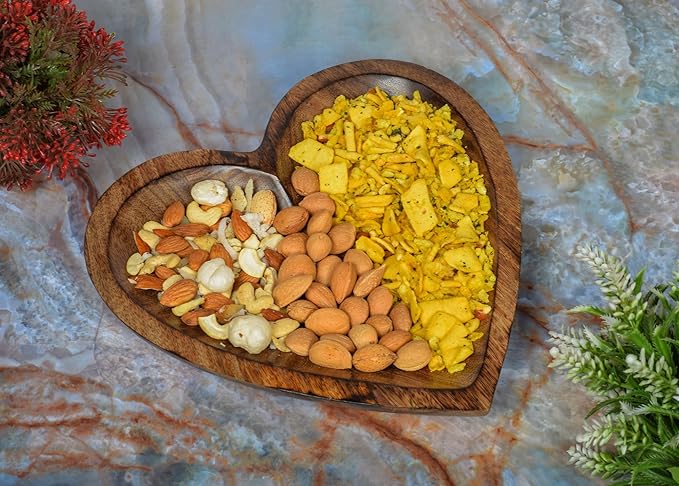
Heart-shaped wooden bowls excel with specific food categories. The National Sanitation Foundation recommends wooden serveware for dry and low-moisture foods to maximize safety[6].
Optimal uses:
Mixed nuts and trail mixes
Fresh fruit portions (apples, grapes, berries)
Dinner rolls and artisan breads
Dry snacks (pretzels, crackers, popcorn)
Candy and chocolate presentations
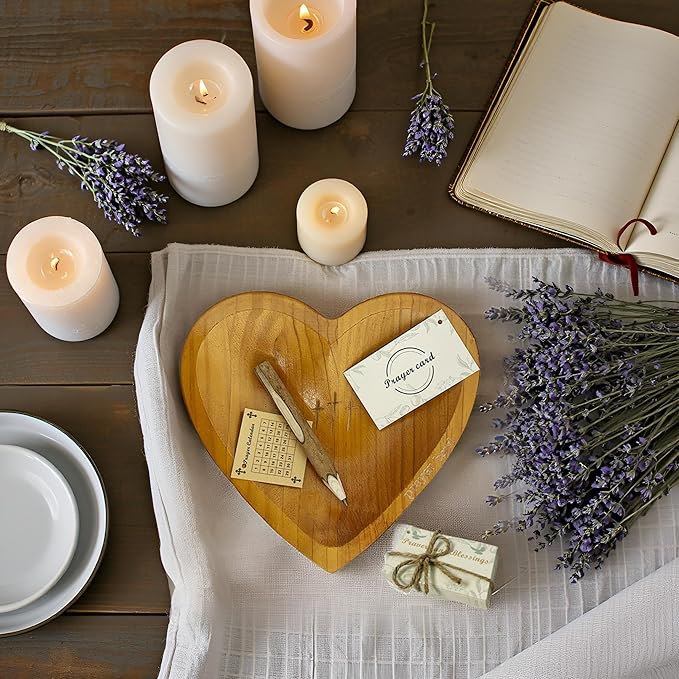
Foods to Avoid in Wooden Bowls
Certain foods compromise wood integrity despite proper finishing. Acidic items with pH below 4.6 gradually break down wood fibers and protective finishes.
Unsuitable contents:
Citrus fruits and juices
Tomato-based preparations
Vinegar-heavy dressings
Hot liquids above 140°F
Raw proteins requiring refrigeration
Table 3: Heart-Shaped Wooden Bowl Size Guide
| Bowl Diameter | Capacity | Best Use | Serving Size |
|---|---|---|---|
| 4-6 inches | 8-12 oz | Individual portions, dips | 1-2 people |
| 7-9 inches | 16-24 oz | Side dishes, snacks | 3-4 people |
| 10-12 inches | 32-48 oz | Main salads, fruit bowls | 5-8 people |
| 13+ inches | 64+ oz | Party servings, centerpieces | 10+ people |
Manufacturing Standards at Guanglong Bamboo and Wood Co., Ltd.
Our Food-Safe Production Process
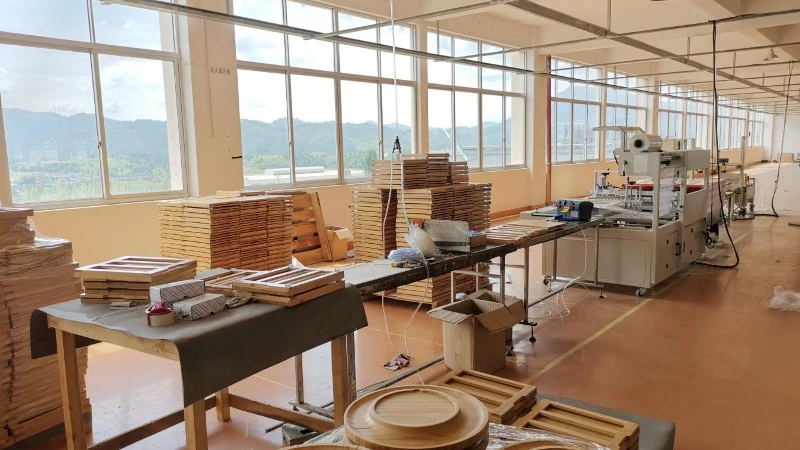
At Guanglong Bamboo and Wood Co., Ltd., we implement rigorous quality controls ensuring every heart-shaped wooden bowl meets international food safety standards. Our manufacturing facility in Jian'ou City utilizes kiln-drying technology that reduces wood moisture content to optimal 8-12% levels.
Our process includes:
Wood selection from sustainable certified forests
Multi-stage sanding achieving 220-grit smoothness
Three-layer food-grade mineral oil and beeswax application
Individual quality inspection before packaging
Certifications and Compliance
We maintain FDA food contact compliance and meet EU Regulation 1935/2004 standards for materials contacting food. Third-party laboratory testing confirms our finishes contain zero VOCs (Volatile Organic Compounds) and meet California Proposition 65 requirements.
Making the Right Choice for Your Needs
Questions to Ask Before Purchasing
When evaluating whether heart-shaped wooden bowls are suitable for serving food, verify these critical factors:
1. Does the manufacturer specify food-safe certification?
2. What wood species comprises the bowl?
3. Which finish was applied, and is it FDA-approved?
4. Are care instructions provided?
5. Does the vendor guarantee food-contact safety?
Investment in Quality Pays Long-Term
Premium food-safe heart-shaped wooden bowls represent lasting value. With proper care, quality wooden serving bowls function effectively for 10-15 years, compared to 2-3 years for decorative-grade alternatives. The initial investment in certified food-safe products protects both health and budget.
Contact Guanglong for Premium Wooden Bowls
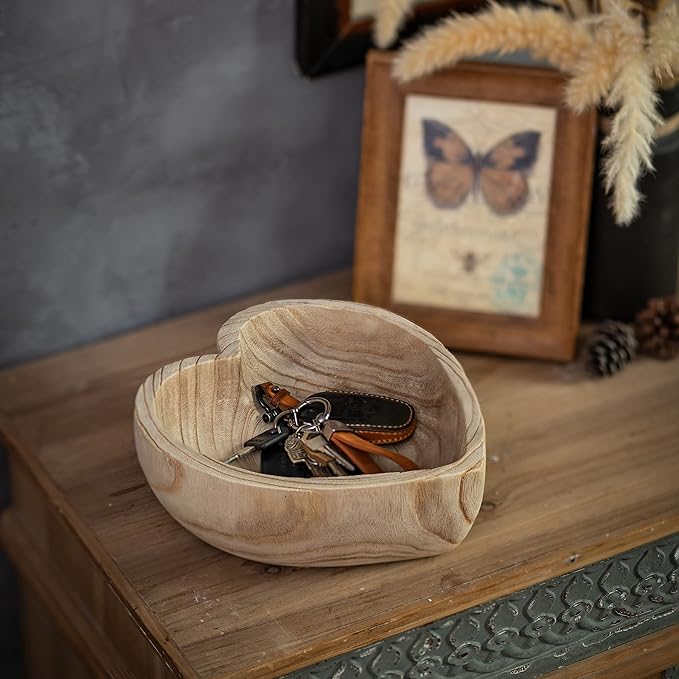
Whether you need heart-shaped wooden bowls for commercial food service, restaurant tableware, catering supplies, or retail distribution, Guanglong Bamboo and Wood Co., Ltd. delivers reliable, certified quality you can trust. Our wooden bowls blend exquisite traditional craftsmanship with strict modern food‑safety standards, making them both elegant and practical for daily business use.
If you're sourcing food‑safe, eco-friendly wooden serveware for your brand or business, our team is ready to support you with full product catalogs, competitive bulk pricing, and flexible customization. We provide worldwide shipping and professional OEM/ODM services for businesses seeking exclusive branded wooden bowl solutions - from custom engraving and finish options to tailored packaging that strengthens your brand image.
Partner with us for stable supply, consistent quality, and one-stop wooden serveware solutions built for long-term business success!
Footnotes
[1] Dean O. Cliver, "Cutting Boards of Plastic and Wood," Journal of Food Protection, Vol. 49, 1994.
[2] U.S. Food and Drug Administration, CFR Title 21 - Food Contact Substances, 2023.
[3] USDA Food Safety and Inspection Service, "Food Safety Information: Cutting Boards and Food Safety," 2022.
[4] North Carolina State University, "Wood vs. Plastic Cutting Boards: Bacterial Contamination Study," 2019.
[5] Consumer Reports, "Dishwasher Temperature and Material Damage Analysis," 2021.
[6] NSF International, Standard 51: Food Equipment Materials, 2023.
Authoritative References
FDA Food Contact Substances: https://www.fda.gov/food/packaging-food-contact-substances-fcs
NSF International Food Equipment Standards: https://www.nsf.org/knowledge-library/food-safety
USDA Food Safety Guidelines: https://www.fsis.usda.gov/food-safety
FAQ
Q1: Can I put hot food directly into heart-shaped wooden bowls?
No, avoid placing foods exceeding 140°F (60°C) in wooden bowls. High temperatures can damage food-safe finishes and cause wood to crack. Allow hot foods to cool for 10-15 minutes before transferring to wooden serveware. Use ceramic or metal bowls for initially hot items, then transfer to wooden bowls for table presentation.
Q2: How often should I reapply oil to my food-safe wooden bowls?
Apply food-grade mineral oil every 30 days with regular use, or when the wood appears dry or dull. Bowls used daily may require bi-weekly treatment. Before oiling, thoroughly clean and dry the bowl. Apply a thin, even coat and allow 24 hours for complete absorption. Proper oiling prevents moisture damage and maintains the protective barrier against bacteria.
Q3: Are all heart-shaped wooden bowls dishwasher-safe?
No wooden bowls should ever go in dishwashers, regardless of manufacturer claims. Dishwasher heat (140-160°F), high humidity (90%+), and harsh detergents strip protective finishes and cause warping, cracking, and splitting. Always hand wash wooden bowls with mild soap and lukewarm water, then dry immediately with a soft cloth to preserve their integrity and food-safety properties.