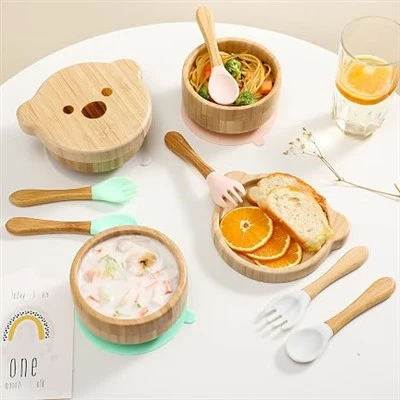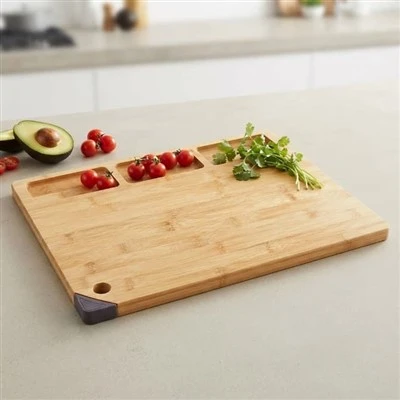


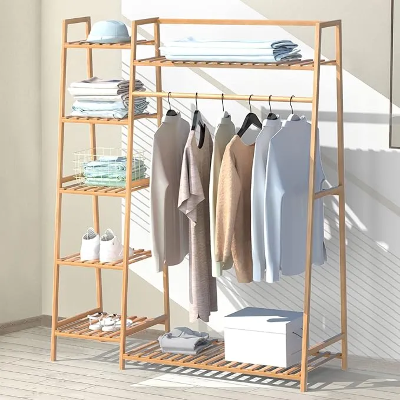

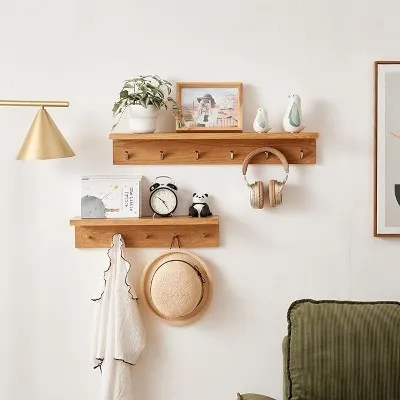


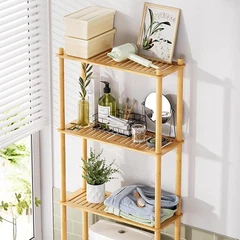



Bamboo racks and plastic racks may serve the same purpose, but they differ significantly in terms of material, durability, safety, sustainability, and long-term value. While plastic racks are lightweight and inexpensive, bamboo offers the strength, natural appearance, and longevity that many homeowners now prefer.
So which option is the better choice for your home? In this article, we'll compare bamboo and plastic racks across key factors-including durability, moisture resistance, maintenance, environmental impact, and overall cost of ownership-to help you choose the storage solution that best fits your needs.
Why This Comparison Matters More Than Ever
As concerns about plastic waste continue to grow worldwide, more consumers are rethinking the materials they use in everyday household products. According to the OECD Global Plastics Outlook, global plastic waste increased from 156 million tonnes in 2000 to 353 million tonnes in 2019, yet only about 9% was successfully recycled. Without effective policy changes, plastic waste is projected to nearly triple by 2060. These findings highlight how even small purchasing decisions-such as choosing a storage rack-can contribute to a more sustainable lifestyle.

Against this backdrop, bamboo racks have become one of the most popular alternatives to plastic for home organization. Whether you're comparing a bamboo dish rack with a plastic dish rack or choosing between a bamboo spice rack and a plastic organizer, the decision involves much more than price alone. Factors such as durability, safety, maintenance, environmental impact, and long-term value all play an important role.
In the following sections, we'll compare bamboo and plastic racks across these key criteria to help you make an informed choice based on real-world performance rather than first impressions.
How Do Bamboo and Plastic Racks Compare on Material Properties?
The performance of a storage rack begins with the material it is made from. Because bamboo and plastic have fundamentally different structures-one natural and fiber-based, the other synthetic and polymer-based-they behave very differently in everyday use.
Bamboo is renowned for its exceptional strength. According to The Wood Database, it has a Janka hardness[¹] of 1,410–1,610 lbf and a modulus of rupture (MOR)[²] of 76.0–168.6 MPa. These values are comparable to, or even exceed, those of many commercial hardwoods, making bamboo more than strong enough for household storage applications. In addition, bamboo offers an excellent strength-to-weight ratio[³], allowing storage racks to support substantial loads while remaining lightweight and easy to move.

Plastic storage racks are typically manufactured from polypropylene (PP)[⁴] or ABS plastic[⁵]. These materials are lightweight, affordable, and resistant to moisture, but they generally provide lower mechanical strength than laminated bamboo. Although manufacturers often reinforce plastic racks with ribs or thicker walls to improve rigidity, achieving comparable load capacity usually requires more material and bulkier designs.
Another important difference is how the two materials age over time. A quality bamboo rack may gradually show signs of surface wear, but with occasional maintenance-such as reapplying mineral oil or refinishing the surface-it can continue performing reliably for many years.
Plastic, however, ages differently. Prolonged exposure to sunlight, heat, and everyday environmental conditions can trigger UV-induced photooxidation[⁶], a process that slowly breaks down the polymer structure. Over time, this can lead to yellowing, fading, increased brittleness, and eventually surface cracking or reduced structural strength.
For buyers looking for long-term durability, bamboo offers a clear advantage. Its natural strength, excellent load-bearing capacity, and ability to be maintained and refreshed make it a more durable solution than most standard consumer-grade plastic racks.

Full Head-to-Head Comparison: Bamboo Rack vs Plastic Rack
| Comparison Dimension | Bamboo Rack | Plastic Rack (PP/ABS) |
|---|---|---|
| Material origin | Renewable plant-based | Petroleum-derived synthetic polymer |
| Structural strength | Janka 1,410–1,610 lbf; MOR 76–169 MPa | Tensile strength 25–50 MPa (varies by grade) |
| Weight | 0.8–1.5 kg (typical unit) | 0.4–1.2 kg (typical unit) |
| Moisture resistance | Good with treated finish | Excellent (non-porous) |
| UV / heat aging | Stable indoors; surface finish wears | Progressive embrittlement and yellowing |
| Microplastic release | None | Documented under abrasion and thermal stress |
| Antimicrobial properties | Natural bamboo kun inhibition documented | None inherent; biofilm can accumulate in joints |
| Aesthetic appeal | Warm natural tone; design versatile | Functional; limited aesthetic range |
| Biodegradability | Fully biodegradable | Non-biodegradable; 400–500 year decomposition |
| End-of-life | Composts naturally | Landfill or incineration (9% recycled globally) |
| Average lifespan | 5–10 years | 2–5 years (standard grade) |
| Maintenance requirement | Periodic oiling (3–6 months) | Minimal active maintenance; irreversible degradation |
| Price range (entry–mid) | $18–$70 | $10–$45 |
Does Plastic Release Harmful Chemicals Into Kitchen Environments?
The performance of a storage rack begins with the material it is made from. Because bamboo and plastic have fundamentally different structures-one natural and fiber-based, the other synthetic and polymer-based-they behave very differently in everyday use.
Bamboo is renowned for its exceptional strength. According to The Wood Database, it has a Janka hardness[¹] of 1,410–1,610 lbf and a modulus of rupture (MOR)[²] of 76.0–168.6 MPa. These values are comparable to, or even exceed, those of many commercial hardwoods, making bamboo more than strong enough for household storage applications. In addition, bamboo offers an excellent strength-to-weight ratio[³], allowing storage racks to support substantial loads while remaining lightweight and easy to move.

Plastic storage racks are typically manufactured from polypropylene (PP)[⁴] or ABS plastic[⁵]. These materials are lightweight, affordable, and resistant to moisture, but they generally provide lower mechanical strength than laminated bamboo. Although manufacturers often reinforce plastic racks with ribs or thicker walls to improve rigidity, achieving comparable load capacity usually requires more material and bulkier designs.
Another important difference is how the two materials age over time. A quality bamboo rack may gradually show signs of surface wear, but with occasional maintenance-such as reapplying mineral oil or refinishing the surface-it can continue performing reliably for many years.
Plastic, however, ages differently. Prolonged exposure to sunlight, heat, and everyday environmental conditions can trigger UV-induced photooxidation[⁶], a process that slowly breaks down the polymer structure. Over time, this can lead to yellowing, fading, increased brittleness, and eventually surface cracking or reduced structural strength.
For buyers looking for long-term durability, bamboo offers a clear advantage. Its natural strength, excellent load-bearing capacity, and ability to be maintained and refreshed make it a more durable solution than most standard consumer-grade plastic racks.

Which Material Ages Better Under Typical Kitchen Conditions?
A kitchen is one of the most demanding environments for any storage rack. Daily exposure to heat, steam, moisture, cleaning products, and sunlight gradually affects every material, making long-term aging behavior just as important as initial strength.
Plastic racks typically degrade through photooxidation[⁶], a chemical process triggered by prolonged exposure to UV light. As the polymer structure gradually breaks down, the material may begin to yellow, lose its original finish, become brittle, and eventually develop cracks-particularly around joints and stress points. Frequent contact with household cleaners, especially those containing bleach, acids, or strong alkaline ingredients, can further accelerate this aging process. As a result, many consumer-grade plastic racks show noticeable signs of wear after a few years of regular kitchen use.
Bamboo racks age in a different way. Rather than the material itself deteriorating, the protective surface finish gradually wears through normal use and cleaning. Over time, the surface may become slightly rougher or show minor discoloration, especially around edges and joints. Fortunately, these are typically cosmetic changes rather than structural problems. A light sanding followed by the application of food-grade mineral oil is usually enough to restore the finish and maintain the rack's moisture resistance.
This difference is significant. While plastic degradation is largely irreversible, the appearance and protective finish of a bamboo rack can be renewed through simple periodic maintenance. With proper care, a quality bamboo rack can continue performing reliably for many years.
For homeowners looking for a durable kitchen storage solution, bamboo offers an important long-term advantage: its most common signs of aging are manageable and maintainable, helping extend both the product's appearance and its service life.

How Do the Environmental Footprints Compare Across the Full Lifecycle?
Beyond durability and functionality, environmental impact has become an increasingly important factor when choosing household products. Comparing bamboo and plastic across their entire lifecycle-from production to disposal-reveals significant differences in sustainability.
Production: Renewable vs. Fossil-Based Materials
Bamboo is one of the fastest-growing renewable resources in the world, reaching harvest maturity in just 3–5 years. Unlike plastic, bamboo requires no petrochemical feedstocks or complex polymer manufacturing. It naturally absorbs and stores carbon dioxide as it grows, and according to the International Bamboo and Rattan Organization (INBAR), certain bamboo products can even achieve a negative lifecycle carbon footprint when carbon sequestration is taken into account.
Plastic, on the other hand, is primarily produced from crude oil and natural gas-non-renewable fossil resources. According to the OECD Global Plastics Outlook, fossil fuel extraction, plastic production, and manufacturing account for around 90% of measurable greenhouse gas emissions associated with plastics. Long before a plastic storage rack reaches the consumer, its production has
already generated a significant environmental footprint.

Everyday Use
Both bamboo and plastic racks perform well in everyday household environments, but bamboo offers the additional advantage of being made from a renewable natural material. With proper care, a quality bamboo rack can provide many years of service, reducing the need for frequent replacement and helping minimize resource consumption over time.
End-of-Life Disposal
One of the biggest differences between the two materials appears at the end of their service life.
Under suitable composting or natural conditions, bamboo is biodegradable and gradually breaks down into organic matter. Plastic behaves very differently. Conventional plastics can remain in the environment for hundreds of years, and improper disposal contributes to long-term pollution. The OECD Global Plastics Outlook reported that 6.1 million tonnes of plastic waste entered aquatic environments in 2019 alone, highlighting the growing environmental challenges associated with plastic waste.
Which Is the More Sustainable Choice?
For consumers seeking a more environmentally responsible storage solution, bamboo offers clear advantages. Its renewable origin, lower dependence on fossil resources, potential for carbon sequestration, and biodegradability make it a more sustainable alternative to conventional plastic racks.
While no product is entirely impact-free, choosing a well-manufactured bamboo rack is a practical way to reduce reliance on petroleum-based materials and support a more sustainable approach to everyday home storage.

Are There Specific Use Cases Where Plastic Racks Still Have an Advantage?
A balanced comparison should also recognize the situations where plastic remains the more practical choice. While bamboo offers many long-term benefits, plastic does have several advantages that are worth considering.
The most obvious advantage is price. Entry-level plastic racks are generally less expensive than bamboo alternatives, making them an attractive option for buyers with a limited budget or short-term storage needs.
Plastic is also completely waterproof. Unlike bamboo, it does not absorb moisture and requires virtually no maintenance. A plastic dish rack can withstand prolonged contact with standing water without being affected, whereas even a well-treated bamboo rack is designed for everyday splashes and drainage rather than continuous water immersion.
In addition, plastic may be a better choice for environments that experience constant exposure to rain, intense sunlight, or harsh chemicals. Outdoor patios, garages, utility rooms, and other demanding spaces often place greater stress on natural materials. In these conditions, commercial-grade plastic or high-quality stainless steel generally offers better long-term performance.
However, these advantages apply to relatively specific use cases. For typical indoor environments-such as kitchens, pantries, bathrooms, and dining areas-where appearance, durability, sustainability, and long-term value are often more important than absolute waterproofing, bamboo is generally the more well-rounded choice.
Ultimately, the best material depends on where and how the rack will be used. For most everyday household storage applications, a well-manufactured bamboo rack offers an excellent balance of strength, functionality, aesthetics, and environmental responsibility.
Comparing the Total Cost of Ownership: Which Rack Is Actually Cheaper?
| Cost Factor | Bamboo Rack | Standard Plastic Rack |
|---|---|---|
| Entry-level purchase price | $18–$40 | $10–$25 |
| Mid-range purchase price | $40–$80 | $25–$50 |
| Maintenance cost (annual) | ~$3–$5 (mineral oil) | Nil (but irreversible degradation) |
| Typical replacement cycle | 5–10 years | 2–4 years |
| Estimated 8-year total cost | $40–$85 | $60–$130 (2–3 replacements) |
| Environmental disposal cost | Zero (biodegradable) | Landfill / incineration externality |
Long-Term Value: Is Bamboo Worth the Higher Price?
Although bamboo racks typically cost more upfront, the overall cost of ownership[⁸] often tells a different story. When replacement frequency, product lifespan, and maintenance are taken into account, a quality bamboo rack can be the more economical choice over the long term.
A lower-priced plastic rack may seem like the better value initially, but if it becomes brittle, discolored, or damaged after a few years, replacement costs can quickly add up. By contrast, a well-manufactured bamboo rack is designed to provide reliable performance for many years with only minimal maintenance, reducing both replacement frequency and long-term expense.
For homeowners planning to use a storage rack for five years or longer, investing in a durable bamboo product can offer better value while also reducing material waste.
Contact Us
Both bamboo and plastic storage racks have their strengths, and the right choice depends on where and how the product will be used. Plastic remains a practical option for buyers seeking the lowest upfront cost or for environments that require continuous exposure to water.
However, for most indoor applications-including kitchens, bathrooms, pantries, and dining areas-bamboo offers a more balanced combination of durability, appearance, sustainability, and long-term value. Its natural strength, renewable origin, and timeless aesthetic make it an excellent choice for homeowners looking for a storage solution that performs well and complements modern living spaces.

If you're looking for premium bamboo storage solutions, explore our collection of bamboo dish racks, bamboo spice racks, bamboo shoe racks, bamboo countertop organizers, and bamboo baker's racks. Designed for everyday use and manufactured to commercial-quality standards, our products combine functionality, durability, and sustainable craftsmanship.
Fujian Guanglong Bamboo & Wood Co., Ltd. specializes in the manufacturing and export of premium bamboo kitchenware and storage products for global retailers, distributors, wholesalers, and OEM/ODM partners. Contact us today for product catalogs, custom solutions, and wholesale pricing.
Address: No. 3, Wuyi 3rd Road, Jian'ou City, Nanping City, Fujian Province, 353100, China
Phone: +86 158 8924 9154
Email: sales02@szmsl68.com
FAQ
Q: My plastic dish rack works fine. Do I really need to switch to bamboo?
A: If your current rack is still in good condition, there's no need to replace it immediately. However, plastic can become discolored and brittle over time. When it's time for a replacement, a bamboo dish rack offers a more durable, natural, and eco-friendly alternative for everyday kitchen use.
Q: Bamboo dish racks cost more. Are they worth the investment?
A: In many cases, yes. While the initial cost is higher, a quality bamboo rack can last for years with minimal maintenance. Over its lifespan, it often provides better long-term value than lower-cost alternatives that require more frequent replacement.
Q: Can bamboo dish racks develop mold?
A: Not under normal use. A well-designed bamboo dish rack allows water to drain efficiently, reducing moisture buildup. Simply keep the rack clean, wipe away excess water when needed, and avoid leaving standing water for extended periods to help prevent mold growth.
Annotations
[¹] Janka hardness - a standardized material test measuring resistance to surface indentation, expressed in pounds-force (lbf); the force required to embed a 0.444-inch steel ball to half its diameter. Bamboo scores 1,410–1,610 lbf per The Wood Database - comparable to or exceeding many commercial hardwoods.
[²] Modulus of rupture (MOR) - the maximum bending stress a material can sustain before structural failure, expressed in MPa; a key indicator of shelf and rack load capacity under distributed weight.
[³] Strength-to-weight ratio - a material property expressing load capacity per unit of mass; high values indicate materials that are simultaneously strong and light, an important characteristic in consumer rack design.
[⁴] Polypropylene (PP) - a semi-crystalline thermoplastic polymer widely used in consumer goods; characterized by chemical resistance and low cost, but subject to UV-induced embrittlement and documented microplastic release under abrasion and thermal stress.
[⁵] ABS plastic (Acrylonitrile Butadiene Styrene) - a rigid engineering thermoplastic used in higher-specification consumer products; offers better impact resistance than PP but similar UV aging behavior and equivalent environmental persistence at end of life.
[⁶] Photooxidation - the degradation of polymer chains in plastic materials caused by UV radiation, resulting in chain scission (molecular fragmentation), surface embrittlement, color change (yellowing or chalking), and eventual structural failure; accelerated by heat and chemical exposure.
[⁷] Microplastics - plastic particles smaller than 5 mm in diameter, classified as primary (manufactured at micro-scale) or secondary (fragmented from larger plastic items); documented in human blood, lungs, placenta, and brain tissue in recent peer-reviewed studies; associated with oxidative stress, inflammatory response, and endocrine disruption.
[⁸] Total cost of ownership (TCO) - a financial analysis methodology that accounts for all costs associated with a product across its complete useful life, including purchase price, maintenance, and replacement; provides a more economically accurate comparison than initial purchase price alone.
Authoritative References
OECD (2022). Global Plastics Outlook: Economic Drivers, Environmental Impacts and Policy Options. https://www.oecd.org/en/publications/global-plastics-outlook_de747aef-en.html
OECD (2022). Global Plastic Waste Set to Almost Triple by 2060. https://www.oecd.org/en/about/news/press-releases/2022/06/global-plastic-waste-set-to-almost-triple-by-2060.html
NCBI/PMC (2023). Potential Health Impact of Microplastics: A Review of Environmental Distribution, Human Exposure, and Toxic Effects. https://pmc.ncbi.nlm.nih.gov/articles/PMC11504192/
NCBI/PMC (2023). A Systematic Review of the Impacts of Exposure to Micro- and Nano-Plastics on Human Tissue Accumulation and Health. https://pmc.ncbi.nlm.nih.gov/articles/PMC10902512/
NCBI/PMC (2025). From Kitchen to Cell: A Critical Review of Microplastic Release from Consumer Products and Its Health Implications. https://pmc.ncbi.nlm.nih.gov/articles/PMC12845809/
The Wood Database. Bamboo - Mechanical Properties, Janka Hardness, MOR, and Material Profile. https://www.wood-database.com/bamboo/
Food and Agriculture Organization of the United Nations (FAO). World Bamboo Resources - Global Forest Resources Assessment. https://www.fao.org/4/a1243e/a1243e00.htm