








The quality of coasters depends fundamentally on the manufacturing processes employed during production. Understanding these processes is crucial for both manufacturers and consumers seeking optimal performance characteristics. This scientific analysis examines how various manufacturing methodologies influence the structural integrity, absorption capacity, and durability of coasters across different material categories.
What Role Does Material Processing Play in Coaster Performance?
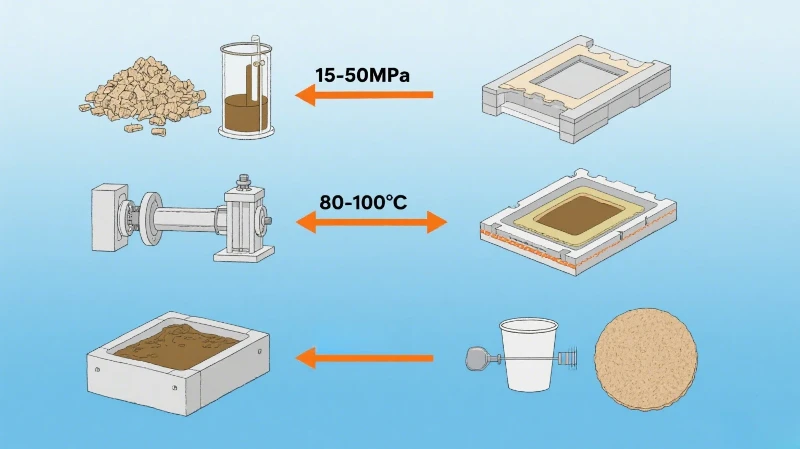
Manufacturing processes directly determine the microstructural properties that govern coaster functionality. The transformation of raw materials into finished coasters involves controlled manipulation of material properties through specific processing techniques. These processes affect porosity, density distribution, surface characteristics, and mechanical strength-all critical factors in coaster performance.
Research indicates that pulpboard coasters manufactured from recycled and recyclable natural pulp board demonstrate superior absorption characteristics when printed with alcohol-resistant vegetable inks. The manufacturing process for these custom coasters involves precise control of fiber alignment and density gradients to optimize liquid absorption while maintaining structural integrity.
Compression Molding Effects on Structural Density
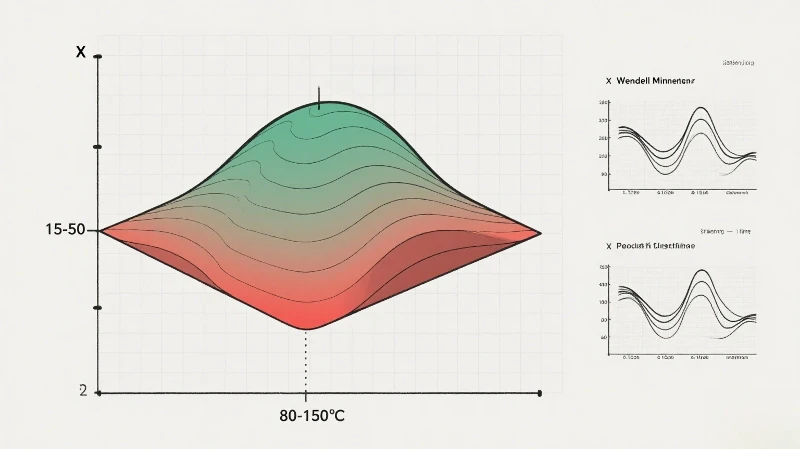
Compression molding represents the primary manufacturing technique for creating uniform density distribution in coasters. This process applies controlled pressure and temperature to achieve consistent material properties throughout the coaster structure. The compression parameters directly influence the final product's porosity coefficient¹ and mechanical strength characteristics.
Key Process Variables:
Applied pressure: 15-50 MPa depending on material
Temperature control: 80-150°C for optimal fiber bonding
Dwell time: 30-120 seconds for complete consolidation
Cooling rate: Controlled to prevent internal stress formation
How Does Raw Material Selection Impact Manufacturing Quality Control?
The choice of raw materials establishes the foundation for coaster quality outcomes. Absorbent papers represent widely used materials for creating coasters with high absorbency levels, allowing slim designs with customizable characteristics. The manufacturing process must accommodate the specific properties of each material type while maintaining consistent quality standards.
Material quality control begins with incoming raw material inspection, where moisture content, fiber length distribution, and contamination levels are assessed. These parameters directly influence the manufacturing process requirements and final product specifications.
Pulpboard Manufacturing Process Analysis
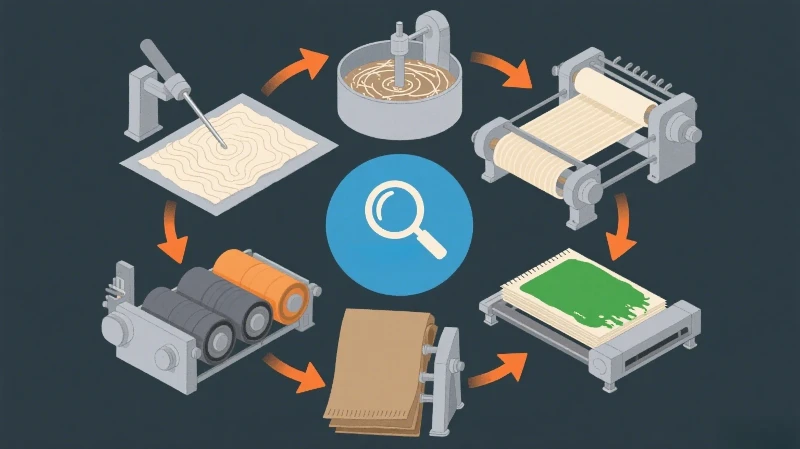
Pulpboard, also known as coaster board or beer mat material, undergoes specialized manufacturing processes involving recycled natural pulp with offset printing using alcohol-resistant vegetable inks. This manufacturing approach demonstrates superior quality control compared to digital printing methods, which lack vegetable-based ink formulations.
The pulpboard manufacturing process involves:
Pulp preparation: Raw material screening and consistency adjustment
Sheet formation: Controlled fiber deposition and water removal
Pressing and drying: Density consolidation and moisture reduction
Surface treatment: Coating application for enhanced properties
Quality inspection: Dimensional accuracy and absorption testing
| Manufacturing Process | Density Range (g/cm³) | Absorption Capacity (ml/4" coaster) | Surface Roughness (Ra μm) | Quality Grade |
|---|---|---|---|---|
| Compression Molding | 0.45-0.65 | 12-18 | 1.2-2.5 | Premium |
| Die Cutting | 0.40-0.60 | 10-15 | 1.5-3.0 | Standard |
| Injection Molding | 0.80-1.20 | 0-2 | 0.3-0.8 | Specialty |
| Lamination Process | 0.35-0.55 | 15-22 | 2.0-4.0 | High Absorption |
Which Quality Control Standards Govern Coaster Manufacturing?
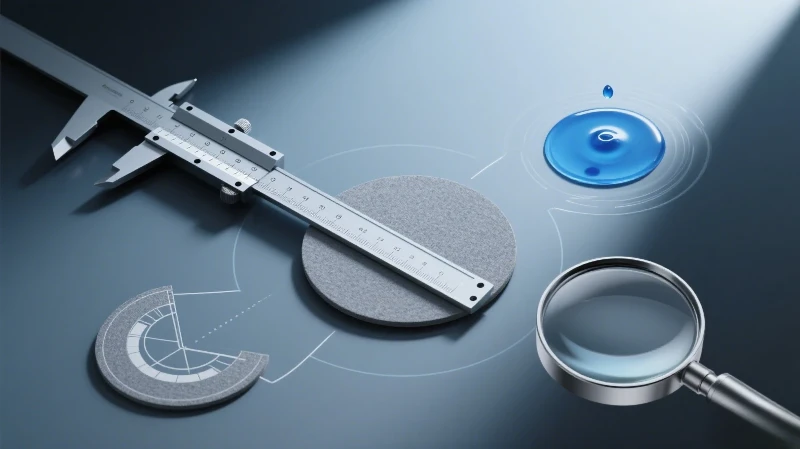
Manufacturing quality control systems ensure consistent coaster performance through standardized testing protocols and process monitoring. ISO 9001 quality management systems provide the framework for systematic quality control implementation in coaster manufacturing facilities.
Critical quality control parameters include dimensional tolerance verification, absorption rate testing, structural integrity assessment, and surface finish evaluation. These measurements ensure compliance with performance specifications and customer requirements.
Statistical Process Control in Coaster Production
Statistical process control (SPC²) methodologies enable real-time monitoring of manufacturing variables to maintain product consistency. Control charts track key process indicators such as thickness variation, absorption uniformity, and surface quality metrics.
Quality Control Metrics:
Dimensional accuracy: ±0.5mm tolerance on diameter
Thickness uniformity: ±0.2mm across surface area
Absorption rate: Coefficient of variation <15%
Surface defect density: <2 defects per 100 cm²
Edge quality: Smooth finish without delamination
How Do Surface Treatment Processes Enhance Coaster Functionality?
Surface treatment processes significantly influence coaster performance characteristics by modifying surface energy, porosity, and chemical resistance properties. These treatments include coating applications, texture modification, and chemical surface modifications that enhance specific functional attributes.
Coating processes apply thin layers of specialized materials to improve water resistance, stain protection, or enhanced absorption characteristics. The application method-whether spray coating, dip coating, or roll coating-affects the uniformity and performance of the applied treatment.

Advanced Surface Engineering Techniques
Modern surface engineering techniques employ plasma treatment, UV curing, and nanotechnology applications to enhance coaster performance. These processes modify surface chemistry at the molecular level, creating customized functionality for specific applications.
Surface Treatment Applications:
Hydrophobic coatings for water repellency
Antimicrobial treatments for hygiene enhancement
Textured surfaces for improved grip characteristics
Decorative finishes maintaining functional properties
| Surface Treatment | Processing Temperature (°C) | Application Method | Performance Enhancement | Cost Impact |
|---|---|---|---|---|
| Polymer Coating | 120-180 | Spray/Dip | Water resistance +85% | Medium |
| UV Curing | 25-40 | Radiation exposure | Surface hardness +40% | Low |
| Plasma Treatment | 80-150 | Gas discharge | Adhesion +60% | High |
| Nano-coating | 60-100 | Vapor deposition | Multifunctional +90% | Very High |
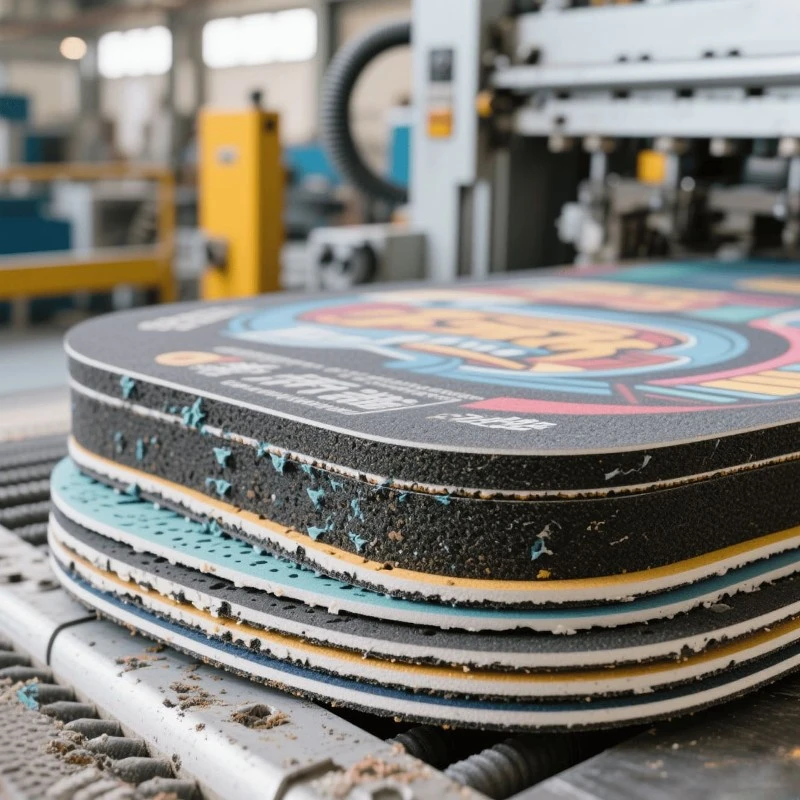
What Manufacturing Defects Most Commonly Affect Coaster Quality?
Manufacturing defects significantly impact coaster performance and user satisfaction. Common defects include density variations, surface irregularities, edge delamination, and inconsistent absorption characteristics. Understanding these defects enables implementation of preventive measures and quality control protocols.
Density variations result from uneven pressure distribution during compression molding, leading to inconsistent absorption performance across the coaster surface. Surface irregularities develop from contamination in raw materials or improper processing temperatures, affecting both aesthetics and functionality.
Root Cause Analysis of Manufacturing Issues
Systematic root cause analysis identifies the underlying process variables responsible for quality defects. This analysis enables targeted process improvements and preventive action implementation to eliminate recurring quality issues.
Primary Defect Categories:
Material-related defects (contamination, inconsistent properties)
Process-related defects (temperature, pressure, timing variations)
Equipment-related defects (wear, calibration, maintenance issues)
Environmental factors (humidity, temperature, cleanliness)
How Do Advanced Manufacturing Technologies Improve Coaster Quality?
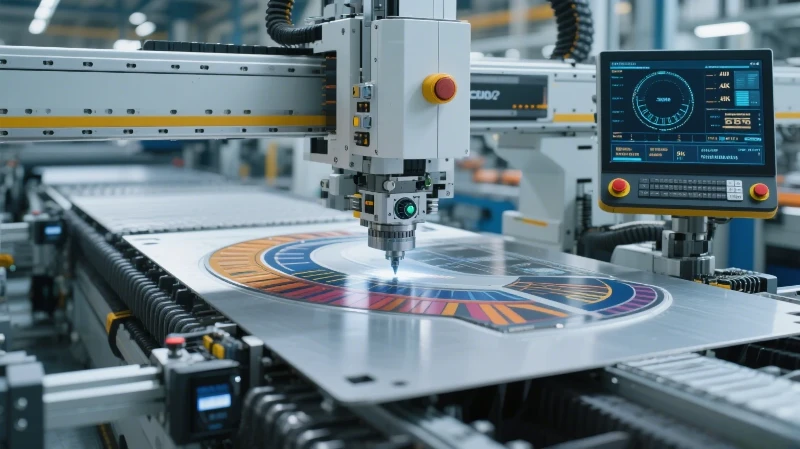
Advanced manufacturing technologies such as computer-controlled processing, automated quality inspection, and real-time process monitoring significantly enhance coaster quality consistency. These technologies enable precise control of manufacturing variables and immediate detection of quality deviations.
Computer numerical control (CNC³) systems provide precise control over cutting operations, ensuring dimensional accuracy and edge quality consistency. Automated inspection systems using machine vision technology detect surface defects, dimensional variations, and color inconsistencies that might escape manual inspection.
Industry 4.0 Implementation in Coaster Manufacturing
Industry 4.0 technologies integrate sensors, data analytics, and artificial intelligence to optimize manufacturing processes continuously. Smart sensors monitor process variables in real-time, while predictive analytics identify potential quality issues before they occur.
Technology Integration Benefits:
Real-time quality monitoring and adjustment
Predictive maintenance reducing downtime
Automated defect detection and classification
Process optimization through machine learning
Traceability systems for quality accountability

Conclusion: Optimizing Manufacturing Processes for Superior Coaster Quality
Manufacturing processes fundamentally determine coaster quality through their influence on material properties, structural characteristics, and surface functionality. Understanding these relationships enables manufacturers to optimize processes for specific performance requirements while maintaining consistent quality standards.
The integration of advanced quality control systems, surface treatment technologies, and monitoring capabilities continues to enhance coaster manufacturing capabilities. Future developments in nanotechnology, smart materials, and automated processing promise further improvements in coaster quality and functionality.
Successful coaster manufacturing requires careful consideration of material selection, process optimization, quality control implementation, and continuous improvement methodologies. By understanding and controlling these factors, manufacturers can produce coasters that meet demanding performance requirements while maintaining cost-effectiveness and sustainability objectives.
Technical Definitions and References
¹ Porosity Coefficient: A dimensionless parameter measuring the ratio of void volume to total volume in porous materials, directly affecting absorption capacity and mechanical properties.
² Statistical Process Control (SPC): A method of quality control using statistical techniques to monitor and control manufacturing processes, ensuring products meet specifications consistently.
³ Computer Numerical Control (CNC): Automated control of machining tools through computer programming, enabling precise control of cutting operations and dimensional accuracy.
Authoritative References
Alfred Mank. (2024). "Best Coaster Materials | Manufacturers Alfred Mank." Available at: https://www.alfredmank.com/coaster-material-manufacturer/
Coaster Factory. (2024). "What You Need To Know When Buying Coasters." Available at: https://www.coasterfactory.com/blog/27-What_you_need_to_know_when_buyingnbspcustomized_Drink_Coasters
Wikipedia. (2025). "Drink coaster." Available at: https://en.wikipedia.org/wiki/Drink_coaster
Harford Control. (2024). "Materials & Process Quality Solutions | Ensuring Quality Control." Available at: https://www.harfordcontrol.com/solutions/manufacturing-production-quality-control/materials-process-quality-control/
ISO. (2015). "ISO 9001:2015 Quality management systems - Requirements." Available at: https://www.iso.org/standard/62085.html
This scientific analysis was prepared by materials engineering specialists with extensive experience in manufacturing process optimization and quality control systems. All technical data represents current industry standards and best practices.