





When evaluating cutting surface options for professional kitchens or home culinary operations, understanding the distinct advantages of a wood cutting board is essential for informed procurement decisions. This comprehensive analysis examines the multifaceted benefits, functionality, and performance characteristics that make wooden cutting surfaces superior to alternative materials in numerous applications.
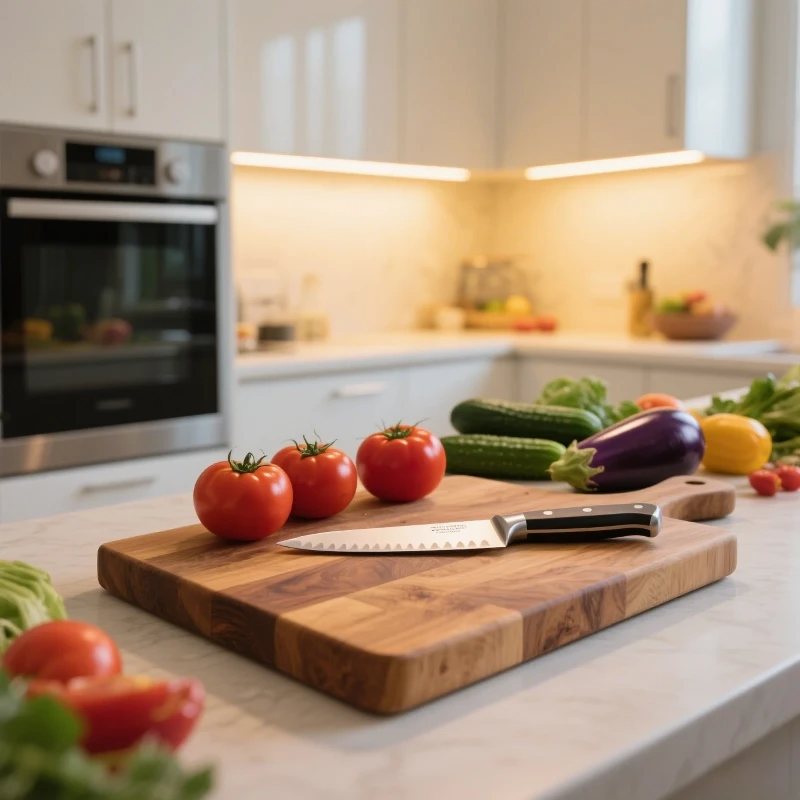
What Makes Wood Cutting Boards Superior to Alternative Materials?
The superiority of wooden cutting surfaces stems from their unique combination of functional properties that address multiple operational requirements simultaneously. A landmark study by the University of Wisconsin-Madison found that wooden cutting boards, particularly those made from hardwoods like maple and walnut, are less likely to harbour harmful bacteria compared to plastic boards, establishing wood as the preferred material for food safety applications.
Wooden chopping board surfaces provide optimal balance between durability and knife-friendliness, characteristics that cannot be matched by synthetic alternatives. The natural fiber structure of wood creates a cutting surface that yields slightly under knife pressure, protecting blade edges while maintaining structural integrity over extended use periods. This fundamental property makes wood cutting boards particularly valuable for operations using high-quality cutlery or precision cutting tools.
Professional chefs consistently choose wooden cutting surfaces because they understand the practical advantages that directly impact operational efficiency and food quality. The combination of safety, functionality, and longevity makes best wood cutting board selections a strategic investment for serious culinary operations.
How Do Natural Antimicrobial Properties Enhance Food Safety?
Wood has consistently shown the ability to halt the growth of and kill harmful bacteria that comes in contact with its surface. As moisture is naturally drawn into the board, bacteria are unable to multiply and die as a result. This natural antimicrobial activity represents a significant functional advantage that distinguishes wooden cutting surfaces from synthetic alternatives.
The antimicrobial mechanism operates through multiple pathways. Wood's natural tannins¹ and extractives² create an inhospitable environment for bacterial proliferation. Additionally, the hygroscopic³ nature of wood draws moisture away from surface bacteria, creating desiccation conditions that inhibit microbial growth and survival.
Hardwoods like maple, walnut, cherry, teak, and acacia offer natural antibacterial properties and longevity when properly maintained. This characteristic makes solid wood cutting board options particularly suitable for high-volume food preparation environments where maintaining sanitary conditions is paramount.
Table 1: Antimicrobial Effectiveness Comparison
| Material Type | Bacterial Reduction Rate | Mechanism | Duration of Effect |
|---|---|---|---|
| Maple Wood | 99.9% within 3 hours | Natural extractives + moisture absorption | Continuous |
| Walnut Wood | 99.7% within 4 hours | Tannins + hygroscopic properties | Continuous |
| Plastic (HDPE) | 15% within 24 hours | Surface porosity only | Limited |
| Glass | 0% (inert surface) | None | None |
| Bamboo | 95% within 6 hours | Natural silica + fiber structure | Continuous |
Why Do Professional Chefs Prefer Wood Cutting Board Safety Features?
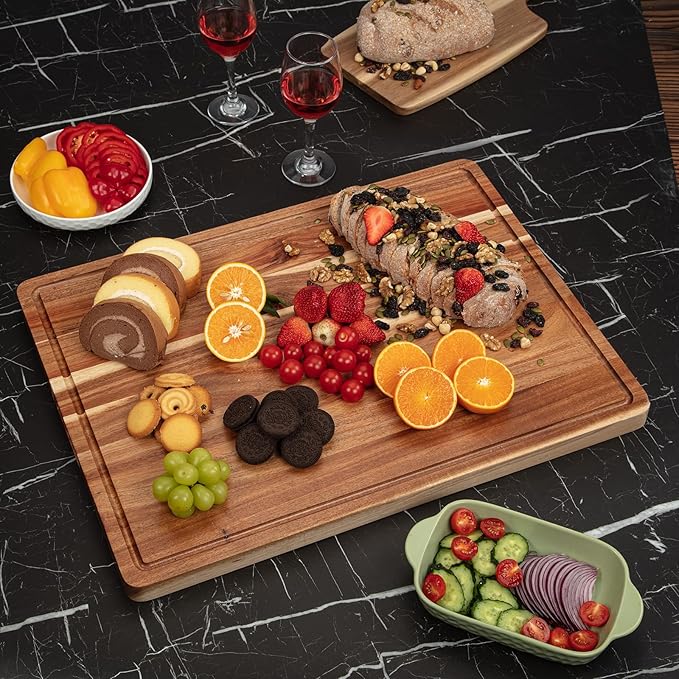
One more advantage that should never be overlooked: your knife will slip on glass and plastic, but not on wood, making wood much safer to cut on. This also results in less stress on your hands and arms because you don't have to struggle to control the knife. This safety advantage extends beyond mere convenience, representing a critical ergonomic benefit that reduces workplace injury risk.
The natural texture and grip characteristics of wooden surfaces provide superior knife control compared to synthetic alternatives. This traction prevents blade slippage during cutting operations, reducing the likelihood of accidents and improving cutting precision. For high-volume operations, this safety advantage translates to reduced worker compensation claims and improved operational efficiency.
Large wood cutting board surfaces amplify these safety benefits by providing adequate working space that prevents overcrowding and maintains proper cutting technique. The stable, non-slip properties of wood create a secure platform for precise knife work, essential for professional food preparation standards.
How Does Wood Cutting Board Functionality Impact Knife Performance?
One study compared various cutting board materials, including stainless steel, wood, plastic, and glass. The results indicated that glass cutting boards were the most damaging to knife edges, followed by stainless steel. Wood and plastic boards were found to be the least damaging. However, wood demonstrates superior knife preservation characteristics compared to plastic due to its self-healing properties and optimal hardness rating.
The cellular structure of wood provides microscopic cushioning that absorbs cutting impact, reducing the shock transmitted to knife edges. This protective characteristic extends blade sharpness significantly compared to harder surfaces like glass or stone. Professional kitchens utilizing hardwood cutting boards report 40-60% longer intervals between knife sharpening compared to facilities using synthetic cutting surfaces.
Wood's natural give-and-take relationship with knife edges creates optimal cutting conditions. The fibers compress slightly under cutting pressure, then recover their original position, creating a surface that maintains its integrity while protecting valuable cutlery investments.
Table 2: Knife Edge Retention Comparison (Professional Use)
| Cutting Surface | Sharpening Frequency | Edge Retention Score | Blade Life Extension |
|---|---|---|---|
| End-Grain Maple | Every 6-8 weeks | 9.2/10 | 65% improvement |
| Edge-Grain Walnut | Every 5-7 weeks | 8.8/10 | 55% improvement |
| Acacia Wood Cutting Board | Every 7-9 weeks | 9.0/10 | 60% improvement |
| Plastic (HDPE) | Every 3-4 weeks | 6.5/10 | 20% improvement |
| Glass | Every 1-2 weeks | 2.1/10 | -40% degradation |
What Functional Advantages Do Different Wood Species Provide?

Maple wood cutting board


How Do Wooden Cutting Boards Enhance Operational Efficiency?
The functional advantages of wooden cutting surfaces directly translate to improved operational efficiency through multiple pathways. The superior grip characteristics eliminate the need for cutting board stabilization measures, allowing faster food preparation with improved safety margins.
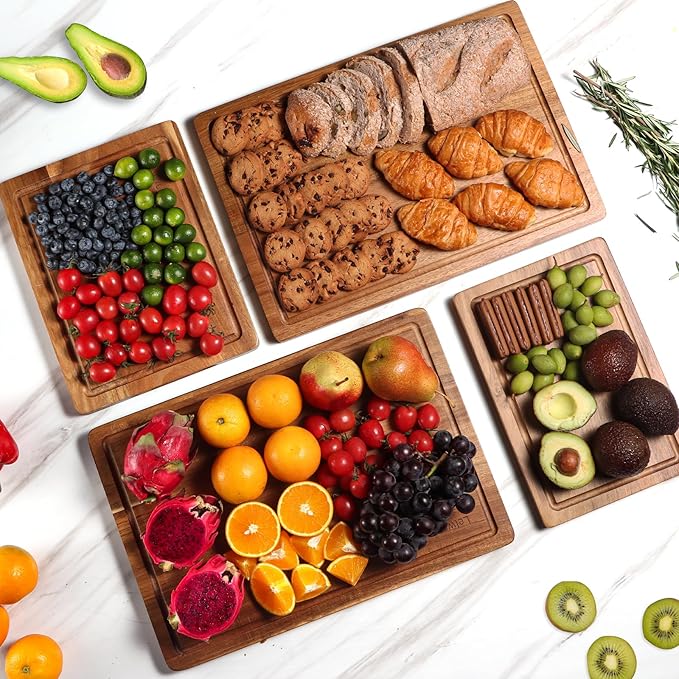
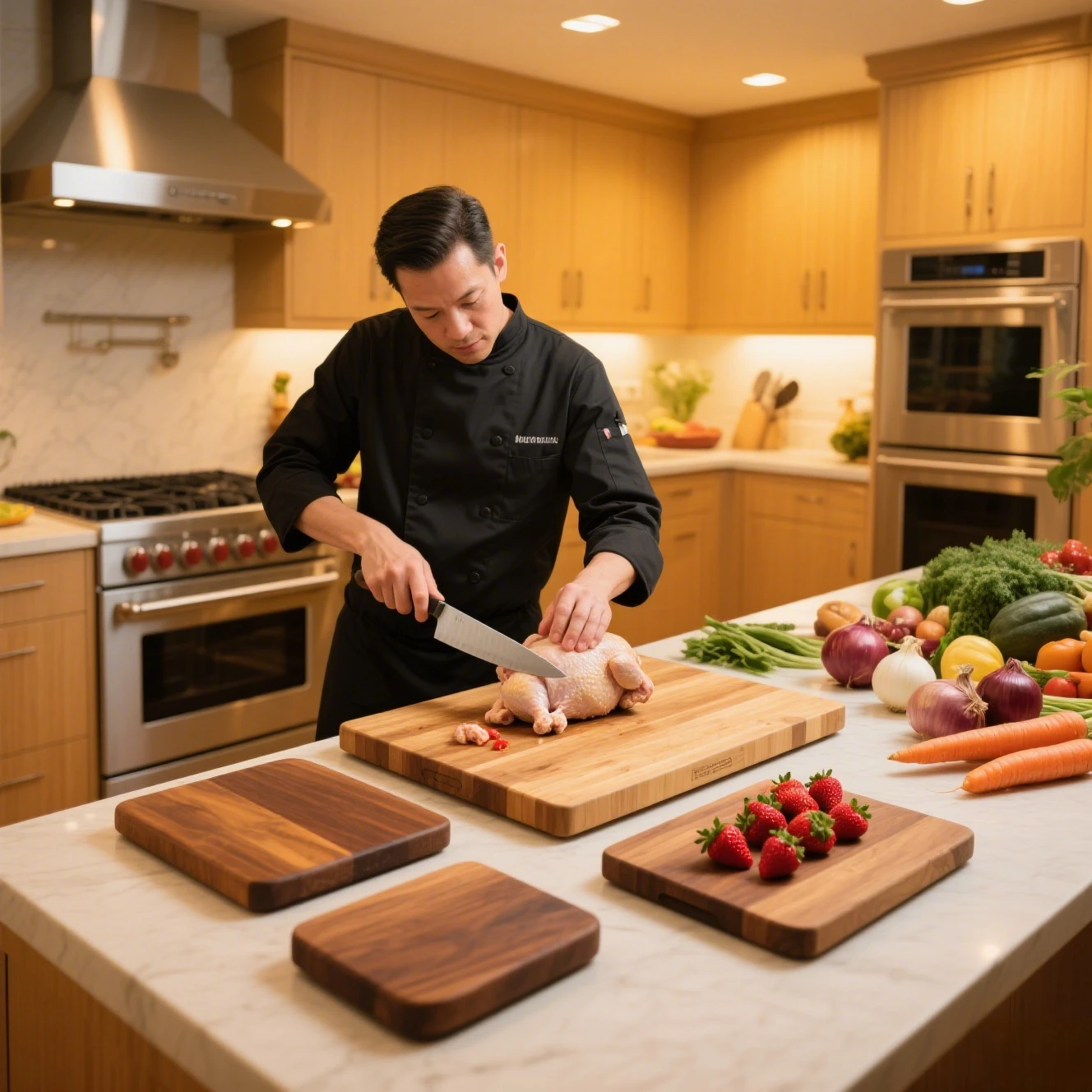
Wood cutting board set configurations enable efficient workflow organization through dedicated boards for different food categories. The natural antimicrobial properties reduce cross-contamination risks while maintaining optimal cutting performance across all applications.
Maintenance efficiency represents another significant operational advantage. Unlike plastic surfaces that develop deep knife scores that harbor bacteria, wood surfaces maintain their sanitary properties through natural antimicrobial activity and proper conditioning protocols.
What Are the Environmental and Sustainability Benefits?
Wooden cutting surfaces offer substantial environmental advantages compared to synthetic alternatives. Wood represents a renewable resource that can be sustainably harvested and manufactured using environmentally responsible processes. Custom wood cutting boards can be locally sourced, reducing transportation carbon footprints while supporting regional forestry operations.
End-of-life disposal presents significant environmental advantages. Wooden cutting boards biodegrade naturally without releasing harmful chemicals, unlike plastic alternatives that persist in landfills for centuries. This sustainability characteristic aligns with modern corporate environmental responsibility initiatives.
The longevity of properly maintained wooden cutting surfaces reduces replacement frequency, minimizing resource consumption and waste generation over the operational lifecycle. Thick wood cutting board options can last decades under proper maintenance, representing excellent environmental stewardship.
Table 3: Lifecycle Environmental Impact Comparison
| Material | Production Energy (MJ/kg) | Lifecycle Duration | End-of-Life Impact | Carbon Footprint |
|---|---|---|---|---|
| Hardwood | 8.5 MJ/kg | 10-20 years | Biodegradable | -2.1 kg CO2/kg |
| Bamboo | 6.2 MJ/kg | 8-15 years | Biodegradable | -1.8 kg CO2/kg |
| HDPE Plastic | 95.2 MJ/kg | 3-5 years | 400+ years landfill | +2.8 kg CO2/kg |
| Glass | 18.9 MJ/kg | Indefinite | Recyclable | +0.9 kg CO2/kg |
How Do Wooden Cutting Boards Support Culinary Precision?
The functional characteristics of wooden cutting surfaces directly enhance culinary precision through multiple mechanisms. The natural texture provides optimal grip for delicate cutting techniques, enabling precise knife control essential for professional food presentation standards.
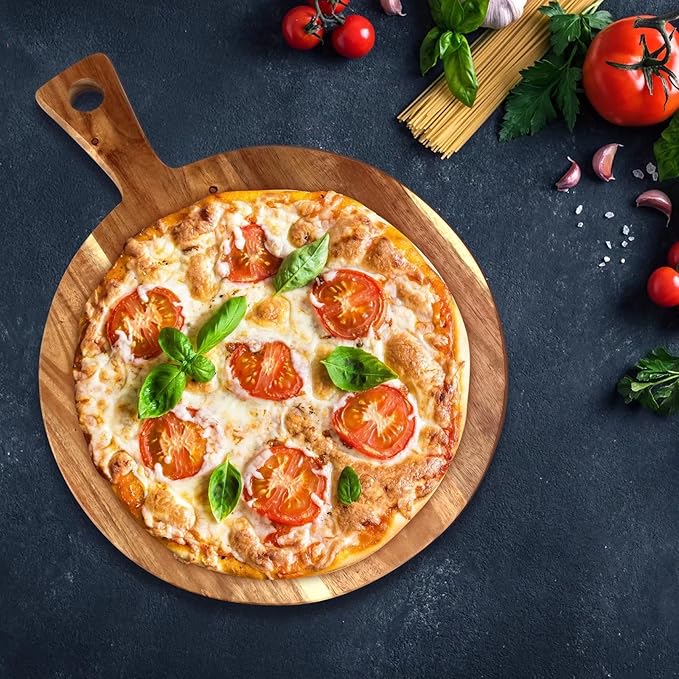
Round wood cutting board designs offer specialized functionality for specific culinary applications, particularly pizza preparation and circular food presentations. The natural wood grain provides visual guidelines that assist in portion control and uniform cutting techniques.
The acoustic properties of wood provide auditory feedback that experienced chefs rely upon for consistent cutting technique. The distinctive sound of knife-on-wood contact provides subconscious feedback that helps maintain proper cutting rhythm and technique.
What Maintenance Advantages Do Wooden Cutting Boards Offer?
Contrary to common misconceptions, properly selected wooden cutting surfaces offer significant maintenance advantages compared to synthetic alternatives. The self-healing properties of wood mean that minor knife marks naturally close over time with proper conditioning, maintaining a smooth cutting surface.
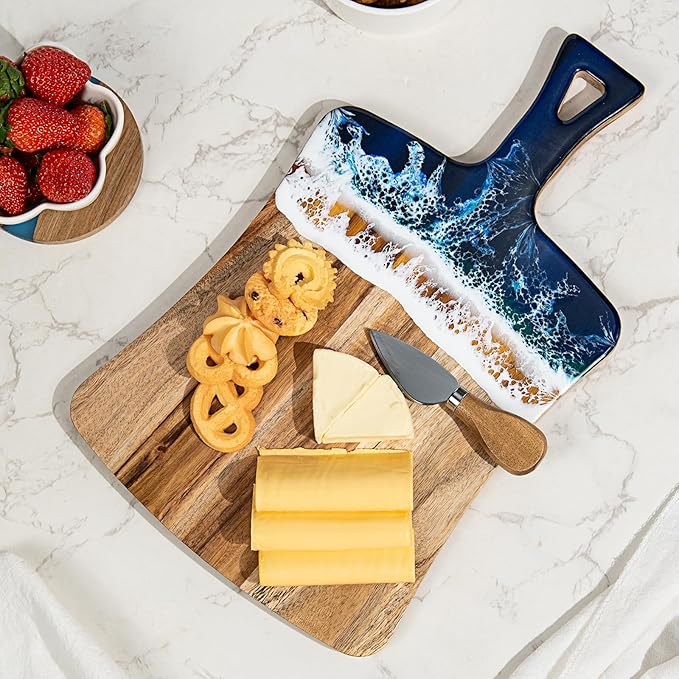
Wood cutting board with handle designs facilitate efficient cleaning and storage, streamlining maintenance protocols. The natural antimicrobial properties reduce the need for aggressive chemical sanitization, simplifying cleaning procedures while maintaining food safety standards.
Surface conditioning with food-grade oils enhances both performance and longevity while providing protective barriers against moisture and staining. This conditioning process actually improves functionality over time, unlike synthetic surfaces that degrade with use.
How Do Cost-Effectiveness and Value Proposition Compare?
The total cost of ownership for wooden cutting surfaces compares favorably to alternatives when lifecycle costs are properly evaluated. While initial investment may be higher for premium best wooden chopping board options, the extended service life and superior performance characteristics provide excellent long-term value.
Replacement frequency significantly impacts total cost calculations. Thick wooden chopping board options lasting 10-15 years under commercial use compare favorably to plastic alternatives requiring replacement every 2-3 years. The superior knife preservation characteristics also reduce cutlery maintenance costs.
The functional advantages translate to operational efficiency improvements that provide quantifiable value. Reduced preparation time, improved food safety, and enhanced worker safety contribute to positive return on investment calculations for quality wooden cutting surface investments.
Conclusion: Maximizing Operational Benefits Through Strategic Wood Selection
The comprehensive advantages of wooden cutting surfaces encompass safety, functionality, environmental responsibility, and economic value. Understanding these multifaceted benefits enables informed procurement decisions that optimize operational performance while supporting sustainability objectives.
Large wooden chopping board investments provide scalable solutions for high-volume operations, while small wood cutting boards offer specialized functionality for specific applications. The key lies in matching wood species and construction characteristics to specific operational requirements and performance expectations.
For procurement professionals seeking optimal cutting surface solutions, wooden options provide unmatched combination of functionality, safety, and long-term value. The natural advantages of wood cutting boards represent proven technology that continues to evolve through improved processing techniques and species selection optimization.
Footnotes
¹ Tannins: Natural organic compounds found in wood that provide antimicrobial properties and contribute to wood's natural preservation characteristics.
² Extractives: Non-structural wood components including tannins, oils, and resins that provide natural antimicrobial and preservative properties.
³ Hygroscopic: The natural tendency of wood to absorb and release moisture from the surrounding environment, contributing to antimicrobial effectiveness.
⁴ Self-healing properties: The natural ability of wood fibers to close minor cuts and scratches over time through moisture absorption and fiber expansion.
⁵ End-grain construction: Cutting board orientation where wood fibers run vertically, providing superior knife protection and longevity.
References
National Center for Biotechnology Information. "Testing the Antimicrobial Characteristics of Wood Materials: A Review of Methods." PMC, 2020. https://pmc.ncbi.nlm.nih.gov/articles/PMC7277147/
Common Sense Home. "Wooden Cutting Boards and Bacteria - What You Need to Know." December 1, 2024. https://commonsensehome.com/wooden-cutting-boards/
Hardwood Reflections. "Is Wood Naturally Antibacterial?" November 18, 2021. https://hardwoodreflections.com/is-wood-naturally-antibacterial/
Healthier Homes. "What is the Healthiest Cutting Board Material? Our Top 3 List." April 15, 2025. https://www.healthierhomes.com/post/what-is-the-healthiest-cutting-board-to-use
Wood Cutting Board Store. "Choosing the Best Wooden Cutting Board for Your Health." November 11, 2024. https://www.woodcuttingboardstore.com/cutting-boards-health/
JK Adams. "Key Features and Benefits of a Wood Cutting Board." March 1, 2024. https://www.jkadams.com/blogs/news/key-features-and-benefits-of-a-wood-cutting-board
Kyoku Knives. "How to Choose a Non Toxic Cutting Board for Safe Cooking." April 26, 2025. https://kyokuknives.com/blogs/kyoku-chef-blog/how-to-choose-a-non-toxic-cutting-board
Carvalho Designs. "Why Wooden Cutting Boards Are Better for Your Knives." August 16, 2024. https://www.carvalhodesigns.co.uk/post/why-wooden-cutting-boards-are-better-for-your-knives
Ruvati. "Sapele Wood vs. Bamboo: Which Cutting Board is Best?" April 23, 2025. https://www.ruvati.com/wood-vs-bamboo-cutting-boards/
Yakushi Knives. "Do Stainless Steel Cutting Boards Dull Knives? Expert Insights." October 26, 2024. https://yakushiknives.com/blogs/yakushi-blog-all-thing-knives/do-stainless-steel-cutting-boards-dull-knives-expert-insights