





When selecting the best wood cutting board for your kitchen, understanding how different wood species affect performance is crucial for making an informed purchasing decision. This comprehensive guide examines the impact of various wood types on cutting board functionality, durability, and maintenance requirements to help you choose the ideal wooden chopping board for your culinary needs.
Understanding Wood Hardness and Its Impact on Cutting Board Performance
The foundation of any high-quality wood cutting board lies in its hardness rating, measured by the Janka Hardness Scale¹. The Janka Hardness Scale was created by Gabriel Janka from Austria. It is used to determine the resistance of wood to denting and wear, and is measured in pounds-force or lbf. The ideal hardness for cutting boards typically falls between 1,000 and 1,500 pounds-force (lbf) on the Janka scale.
Understanding this scale helps procurement professionals and consumers evaluate which woods will provide optimal performance for their specific applications. Woods that are too soft develop deep scratches and wear quickly, while overly hard woods can damage knife edges and create an uncomfortable cutting experience.
Table 1: Janka Hardness Ratings for Popular Cutting Board Woods
| Wood Species | Janka Hardness (lbf) | Grain Type | Recommended Use |
|---|---|---|---|
| Hard Maple | 1,450 | Closed-grain | Professional kitchens, heavy-duty use |
| Black Walnut | 1,010 | Closed-grain | Home cooking, premium applications |
| Cherry | 950 | Closed-grain | Light to moderate use, aesthetic appeal |
| Acacia | 1,750 | Closed-grain | Commercial use, high durability |
| Teak | 1,155 | Closed-grain | Marine environments, moisture resistance |
| Bamboo | 1,380 | Grass fiber | Eco-friendly, lightweight options |
What Makes Maple the Gold Standard for Wooden Cutting Boards?
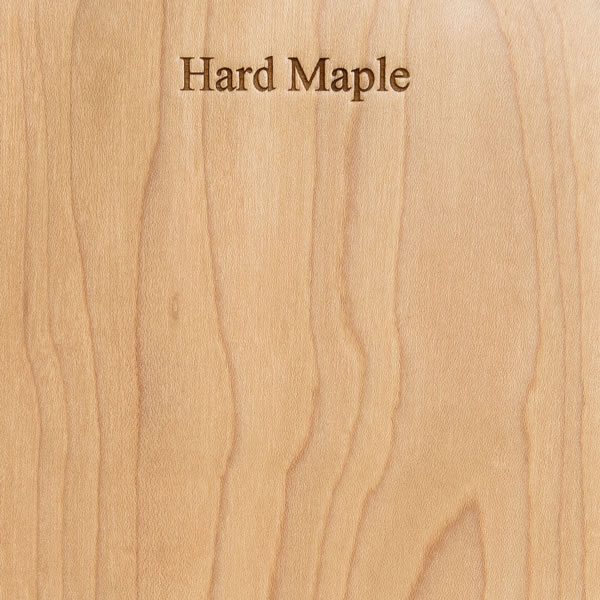
Maple, walnut, and cherry are top choices for their durability and knife-friendliness. Hard maple consistently ranks as the best wooden chopping board material due to its optimal balance of hardness, grain structure, and availability. With a Janka rating of 1,450 lbf, maple provides excellent resistance to knife marks while maintaining gentleness on blade edges.
The closed-grain structure of maple prevents moisture absorption and bacterial growth, making it ideal for food preparation. Professional chefs and culinary institutions frequently choose maple wood cutting board sets for their reliability and longevity. The light color of maple also makes it easier to maintain proper sanitation standards, as stains and residue are easily visible.
For procurement managers seeking large wood cutting board options, maple offers excellent scalability without compromising performance. Its consistent grain pattern ensures uniform wear across extra large wooden chopping board surfaces, making it suitable for commercial food service operations
How Does Acacia Wood Compare to Traditional Cutting Board Materials?
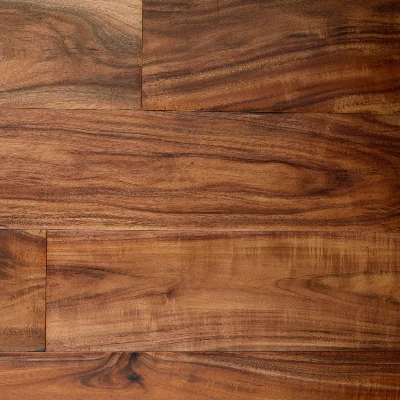
Acacia wood is reasonably hard and durable, making it less prone to deep scratches from knives. This wood also contains natural oils that give it a level of water resistance, so it's less likely to warp or crack when exposed to moisture. The acacia wood cutting board has gained popularity among procurement specialists for its unique combination of hardness and natural antimicrobial properties.
With a Janka rating of 1,750 lbf, acacia wood provides superior durability compared to traditional options like maple or walnut. This makes acacia wood chopping board selections particularly suitable for high-volume food preparation environments where durability is paramount.
The natural oils in acacia wood contribute to its water resistance, reducing the need for frequent oiling compared to other wood types. For facilities managing multiple solid wood cutting board units, acacia's low-maintenance characteristics can significantly reduce operational costs over time.
Why Choose Walnut for Premium Wooden Chopping Board Applications?
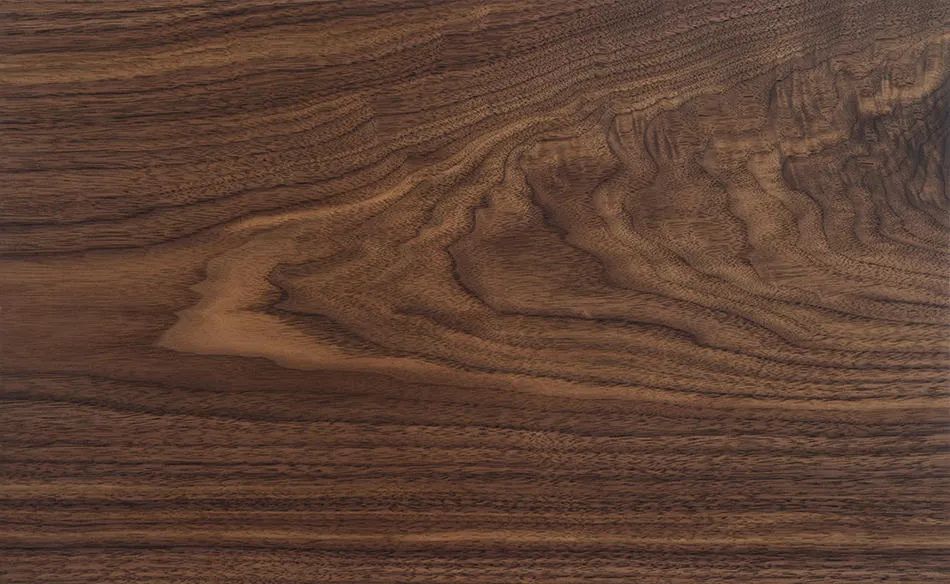
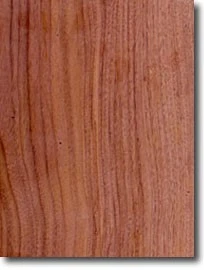
Overall, walnut is easier to take care of than other wood cutting boards because it is hard and less porous. It is also more durable and less prone to staining. Black walnut, with its Janka rating of 1,010 lbf, offers an excellent balance between knife-friendliness and durability for custom wood cutting boards.
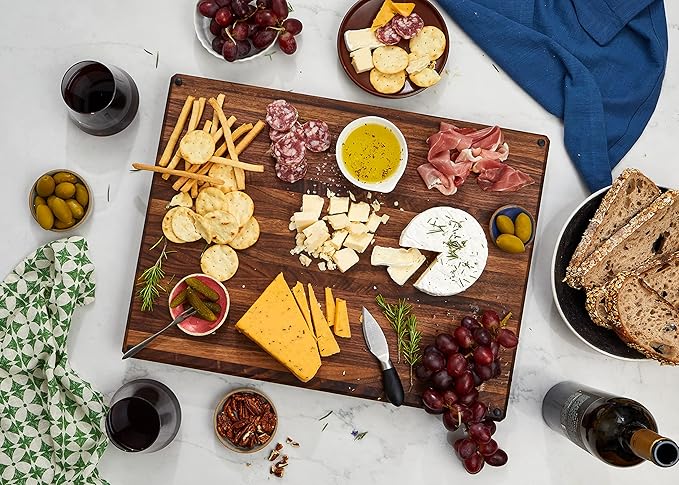
The rich, dark appearance of walnut makes it an attractive choice for wooden charcuterie board applications and presentation pieces. Its closed-grain structure provides natural antimicrobial properties while maintaining the aesthetic appeal that makes it popular for personalized wood cutting boards.
For procurement decisions involving thick wooden chopping board specifications, walnut's stability and workability make it an excellent choice for custom dimensions and specialized applications. The wood's natural resistance to moisture and staining reduces maintenance requirements compared to lighter woods.
What Are the Performance Characteristics of Cherry Wood Cutting Boards?
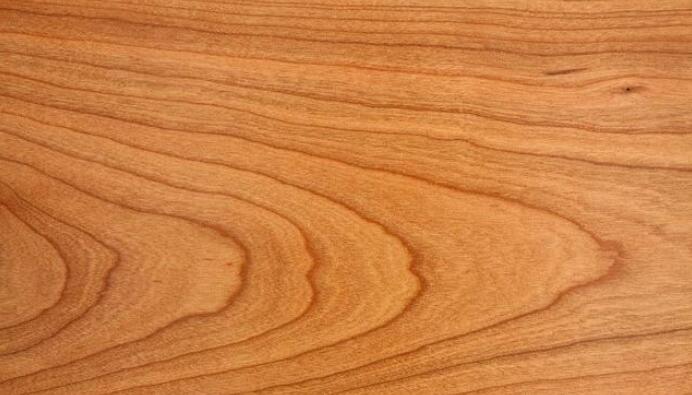
Cherry wood as the only material is not so well suited for cutting boards, as it is relatively soft and thus develops cutting marks more quickly. Despite its lower Janka rating of 950 lbf, cherry wood offers specific advantages for certain applications, particularly in wooden serving board and light-duty cutting scenarios.
The warm, reddish tone of cherry wood ages beautifully, developing a rich patina over time that makes it popular for custom wood cutting boards and presentation pieces. While not ideal for heavy-duty commercial use, cherry performs well for small wooden chopping board applications and specialty uses.
For procurement managers evaluating hardwood cutting boards for diverse applications, cherry wood provides an economical option for low-intensity use while maintaining the aesthetic appeal required for front-of-house presentations.
Table 2: Maintenance Requirements Comparison
| Wood Type | Oiling Frequency | Cleaning Difficulty | Stain Resistance | Warping Tendency |
|---|---|---|---|---|
| Maple | Every 3-4 weeks | Low | Moderate | Low |
| Walnut | Every 4-6 weeks | Very Low | High | Very Low |
| Cherry | Every 2-3 weeks | Moderate | Low | Moderate |
| Acacia | Every 6-8 weeks | Low | High | Very Low |
| Teak | Every 8-12 weeks | Low | Very High | Very Low |
How Do Grain Patterns Affect Cutting Board Performance?
Grain type also affects performance. Tight, closed grains help keep moisture out-making your board more sanitary and longer-lasting. The grain structure of wood significantly impacts both performance and maintenance requirements for solid wood chopping board applications.
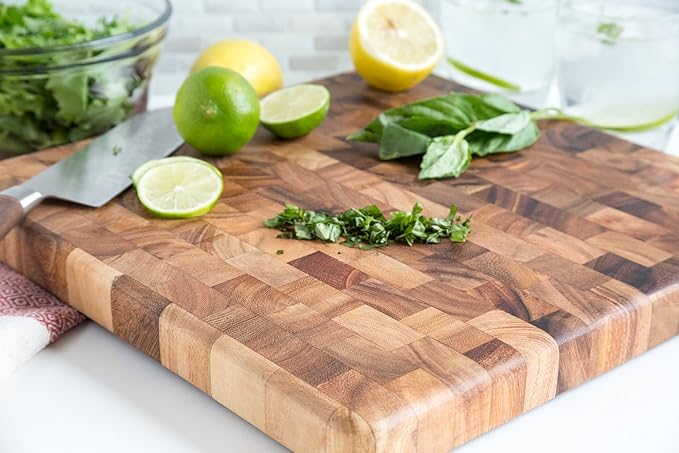
End-grain cutting boards
End-grain cutting boards, where the wood fibers run vertically, provide superior knife protection and self-healing properties. The vertical grain structure allows knife blades to slip between fibers rather than cutting across them, resulting in less blade dulling and fewer visible cut marks. This makes end-grain construction particularly valuable for thick wood cutting board applications where longevity is essential.
Edge-grain boards
Edge-grain boards, where the wood grain runs horizontally, offer better stability and are generally less expensive to manufacture. For large wooden chopping board applications, edge-grain construction provides excellent durability while maintaining cost-effectiveness for high-volume procurement.
What Environmental Factors Should Influence Wood Selection?
Different wood species respond uniquely to environmental conditions, making selection crucial for specific operational environments. Teak wood cutting board options excel in high-humidity environments due to their natural oil content and moisture resistance. The wood's marine-grade properties make it suitable for outdoor catering operations and humid climate installations.
For facilities requiring dishwasher safe wood cutting board alternatives, while no wood is truly dishwasher safe, some species like acacia and teak demonstrate better resistance to the thermal shock and moisture exposure associated with commercial dishwashing systems.
Climate considerations also affect wooden cutting board selection for international procurement. Woods with higher natural oil content, such as teak and acacia, perform better in tropical climates, while harder woods like maple excel in temperate environments with controlled humidity.
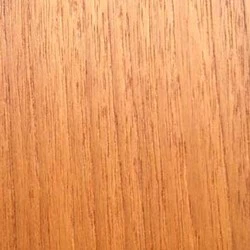
Table 3: Environmental Performance Ratings
| Wood Species | Humidity Resistance | Temperature Stability | UV Resistance | Outdoor Suitability |
|---|---|---|---|---|
| Maple | Good | Excellent | Fair | Poor |
| Walnut | Good | Very Good | Good | Fair |
| Cherry | Fair | Good | Fair | Poor |
| Acacia | Excellent | Very Good | Good | Good |
| Teak | Excellent | Excellent | Excellent | Excellent |
How Do Different Woods Impact Knife Performance and Longevity?
The relationship between cutting board material and knife performance is critical for professional kitchen operations. The ideal Janka hardness rating for cutting boards is between 900-1500 pounds-force. Woods within this range provide optimal knife protection while maintaining board durability.
Maple wood cutting board
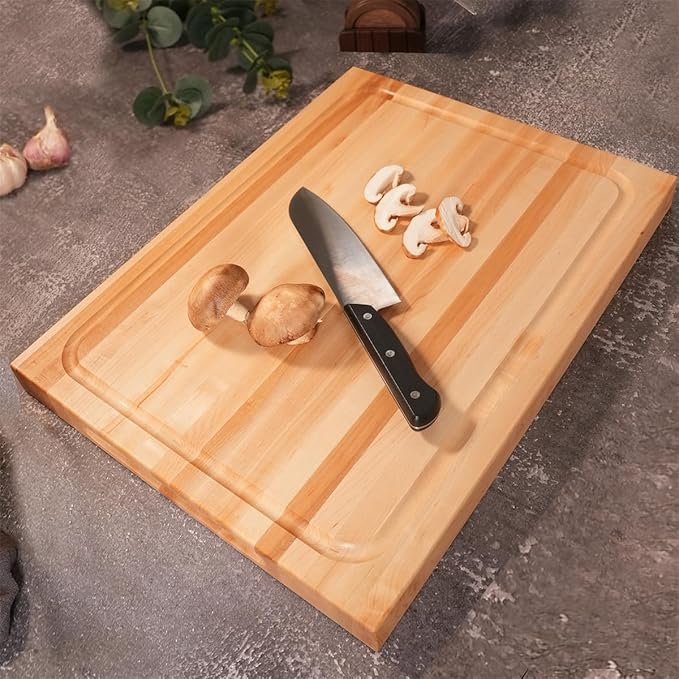
Maple wood has a moderately hard surface and a uniform grain structure, making it highly knife-friendly. Its honeycomb structure compresses slightly under knife pressure, reducing damage to the blade while maintaining cutting precision. This makes maple wood particularly suitable for use with high-quality Japanese knives or other precision cutting tools.
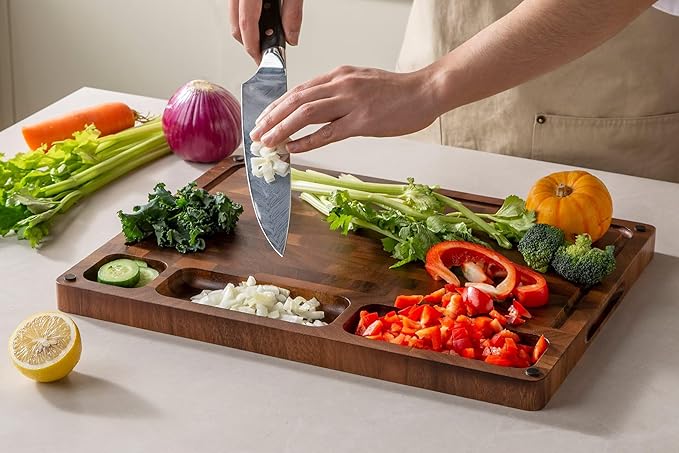
Because walnut wood is softer than maple, its surface offers excellent protection for knives. The wood's natural shock-absorbing properties reduce the impact transferred to the blade, thereby significantly extending blade life. This characteristic makes walnut wood particularly valuable for tasks where knife maintenance and sharpness retention are prioritized.
What Are the Long-Term Cost Implications of Different Wood Choices?
Total cost of ownership varies significantly among wood species due to differences in durability, maintenance requirements, and replacement frequency. Acacia wood cutting board options typically demonstrate the lowest long-term costs due to their exceptional durability and minimal maintenance requirements.
The initial investment in premium woods like walnut or teak may be higher, but their superior longevity and reduced maintenance needs often result in lower total cost of ownership over a 5-10 year period. For procurement managers evaluating wood cutting board set purchases, considering lifespan and maintenance costs provides a more accurate cost comparison than initial purchase price alone.
Replacement frequency also varies significantly among wood types. While cherry wood cutting board options may require replacement every 2-3 years under heavy use, solid wood cutting board options in maple or acacia can last 5-10 years with proper maintenance, making them more economical for high-volume operations.
How Should Wood Selection Align with Food Safety Requirements?
Food safety considerations play a crucial role in wooden chopping board selection for commercial operations. Choose closed-grain woods (pores invisible to the naked eye) to keep liquid or bacteria from entering the cutting surface. Woods with tight, closed-grain structures provide superior sanitation properties compared to open-grain alternatives.
The natural antimicrobial properties of certain woods, particularly those containing tannins and natural oils, provide additional food safety benefits. Acacia wood chopping board surfaces demonstrate natural antimicrobial activity that complements proper sanitization procedures. Similarly, walnut's natural juglone content provides antimicrobial properties that enhance food safety performance.
For facilities requiring multiple wooden cutting board units for different food types, wood selection should consider both performance characteristics and sanitation requirements. Color-coding systems work effectively with different wood species, allowing visual identification while maintaining consistent performance standards.
Conclusion: Selecting the Optimal Wood for Your Cutting Board Needs
The selection of appropriate wood species for wood cutting board applications requires careful consideration of multiple performance factors, including hardness, grain structure, maintenance requirements, and environmental conditions. While maple remains the gold standard for most applications, alternative woods like acacia, walnut, and teak offer specific advantages for specialized requirements.
For procurement professionals managing large wooden chopping board operations, understanding these performance characteristics enables informed decisions that balance initial costs with long-term value. The ideal wood selection depends on specific operational requirements, maintenance capabilities, and performance expectations.
Whether selecting best wood cutting board options for professional kitchens or wooden charcuterie board applications for hospitality environments, the comprehensive understanding of wood performance characteristics ensures optimal functionality and durability for your specific applications.
Footnotes
¹ Janka Hardness Scale: A standardized test measuring the force required to embed a 0.444-inch steel ball halfway into wood, expressed in pounds-force (lbf).
² Closed-grain wood: Wood species with small, tight pores that resist moisture and bacterial infiltration.
³ End-grain construction: Cutting board orientation where wood fibers run vertically, providing superior knife protection and self-healing properties.
⁴ Antimicrobial properties: Natural characteristics of certain woods that inhibit bacterial growth through chemical compounds like tannins and natural oils.
⁵ Thermal shock: Rapid temperature changes that can cause wood expansion and contraction, potentially leading to cracking or warping.
References
Misen. "Best Wood for Cutting Board: A Comprehensive Guide." November 20, 2024. https://misen.com/blogs/news/best-wood-for-cutting-board-a-comprehensive-guide
Baird Brothers. "What's the Best Hardwood for Cutting Boards?" October 21, 2022. https://blog.bairdbrothers.com/choosing-the-best-hardwood-for-cutting-boards/
Healthier Homes. "What is the Healthiest Cutting Board Material? Our Top 3 List." April 15, 2025. https://www.healthierhomes.com/post/what-is-the-healthiest-cutting-board-to-use
TidyBoard. "Raw Acacia vs. Other Woods: The Best Choice for Cutting Boards." October 3, 2024. https://tidyboard.com/blogs/news/raw-acacia-vs-other-woods-the-best-choice-for-cutting-boards
The Boardsmith. "Janka Hardness Scale For Cutting Boards." April 2, 2024. https://theboardsmith.com/blogs/wisdom-behind-the-wood/wisdom-behind-the-wood-7-janka-hardness
Bob Vila. "Best Wood for Cutting Board and Butcher Block Materials." February 26, 2022. https://www.bobvila.com/articles/best-wood-for-cutting-board/
Virginia Boys Kitchens. "How to Pick the Best Wood for Cutting Boards." https://virginiaboyskitchens.com/blogs/features/best-wood-for-cutting-boards
WASABI Knives. "Which wood is best suited for cutting boards? All you need to know." September 22, 2020. https://wasabi-knives.com/blogs/news/which-wood-is-best-suited-for-cutting-boards-all-you-need-to-know