





Introduction
Professional wood cutting board maintenance represents a critical component of food safety management and operational efficiency in commercial kitchens. The key to maintaining a wood cutting board is gentle washing and routine oiling, yet many procurement professionals lack comprehensive understanding of the technical requirements that ensure optimal performance and regulatory compliance. This guide provides evidence-based maintenance protocols that extend service life while maintaining the highest food safety standards.
Recent industry analysis indicates that wooden and bamboo boards need regular oiling to maintain their condition and prevent cracking, while proper care techniques can extend operational life by 200-300% compared to neglected boards. Understanding these maintenance requirements becomes essential for calculating total cost of ownership and ensuring consistent performance in professional food service environments.
Why Is Proper Cleaning Protocol Essential for Wood Cutting Board Safety?
The foundation of effective wood cutting board maintenance lies in establishing systematic cleaning protocols that eliminate bacterial contamination while preserving wood fiber integrity. Immediately after use, use a bench scraper or a damp cloth to remove any food particles from the board, as residual organic matter provides nutrients for bacterial growth and can lead to permanent staining and odor retention.
Professional cleaning protocols must address both visible contamination and microscopic bacterial presence. Wood cutting boards should be cleaned promptly after each use. Never submerge a wood cutting board in water, as excessive moisture exposure causes warping, cracking, and dimensional instability that compromises both safety and functionality.
Immediate Post-Use Cleaning Procedures
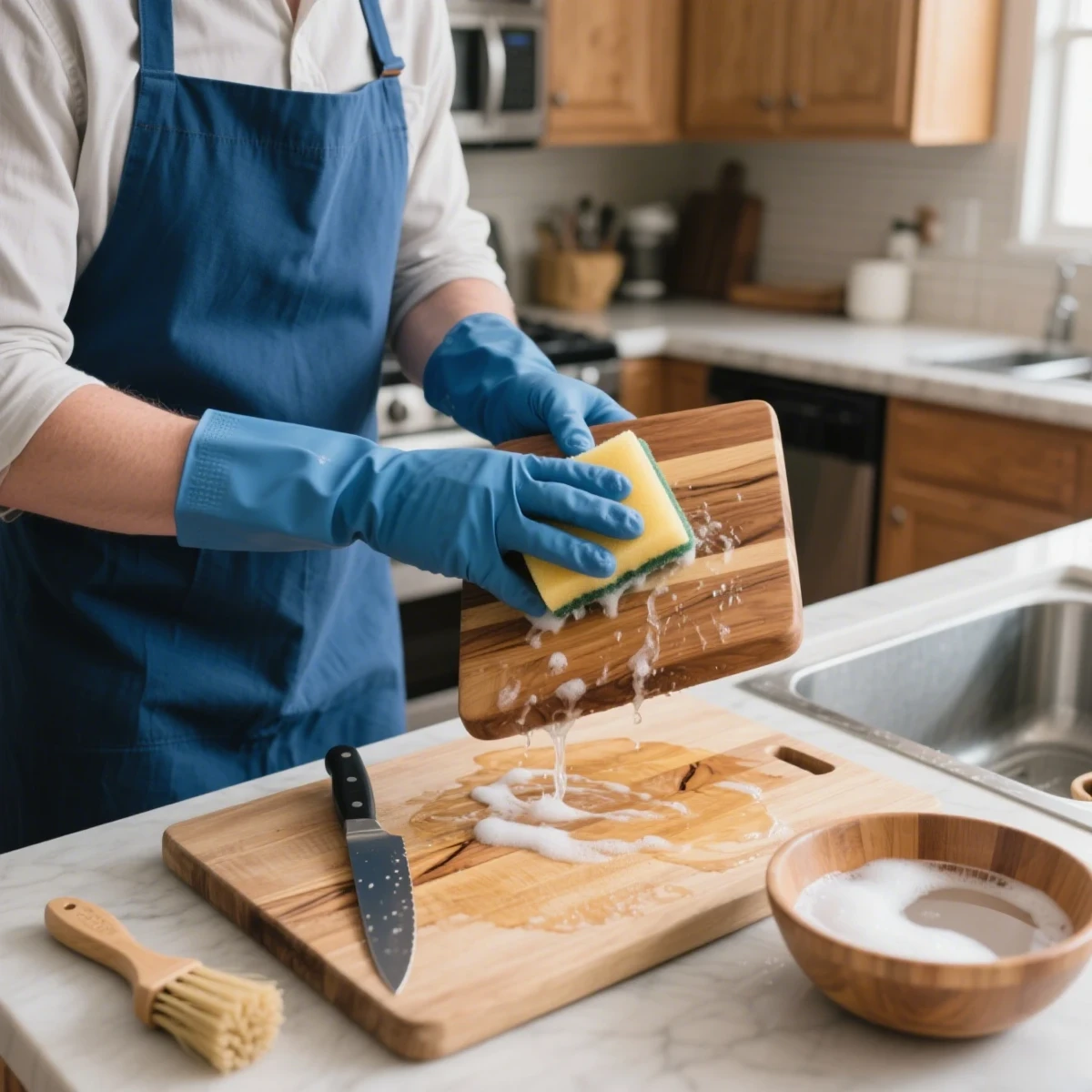
The critical window for effective cleaning extends only 15-30 minutes after use, during which protein residues remain soluble and bacterial colonization has not yet established. Cutting boards should be handwashed with warm, soapy water, ensuring that all the surfaces, grooves and edges are thoroughly cleaned, then rinsed with clear running water. This immediate response prevents protein coagulation and reduces cleaning difficulty while maintaining optimal hygiene standards.
Temperature control during cleaning proves essential, as water temperatures exceeding 140°F¹ can cause wood fibers to swell and potentially crack, while temperatures below 100°F fail to effectively solubilize protein residues. The optimal cleaning temperature range of 110-130°F provides effective cleaning action while protecting wood structural integrity.
How Should You Sanitize Wood Cutting Boards According to Federal Guidelines?
Federal sanitization requirements for wood cutting board maintenance follow specific protocols established by the USDA and FDA to ensure pathogen elimination while maintaining material integrity. Both wooden and plastic cutting boards can be sanitized with a solution of 1 tablespoon of unscented, liquid chlorine bleach per gallon of water, providing verified bacterial elimination when properly applied.
USDA-Approved Sanitization Methods
The sanitization process requires systematic application to achieve regulatory compliance. Flood the surface with the bleach solution and allow it to stand for several minutes. Rinse with clear water and air dry or pat dry with clean paper. This contact time ensures sufficient pathogen kill rates while preventing excessive chemical absorption into wood fibers.
Alternative sanitization methods include vinegar-based solutions, which provide effective bacterial control without chemical residues. To disinfect a cutting board, use vinegar, applying full-strength white vinegar and allowing 5-10 minutes contact time before rinsing. This method proves particularly effective for boards used with acidic foods, as it neutralizes bacterial alkaline tolerance.
Commercial Sanitizer Applications
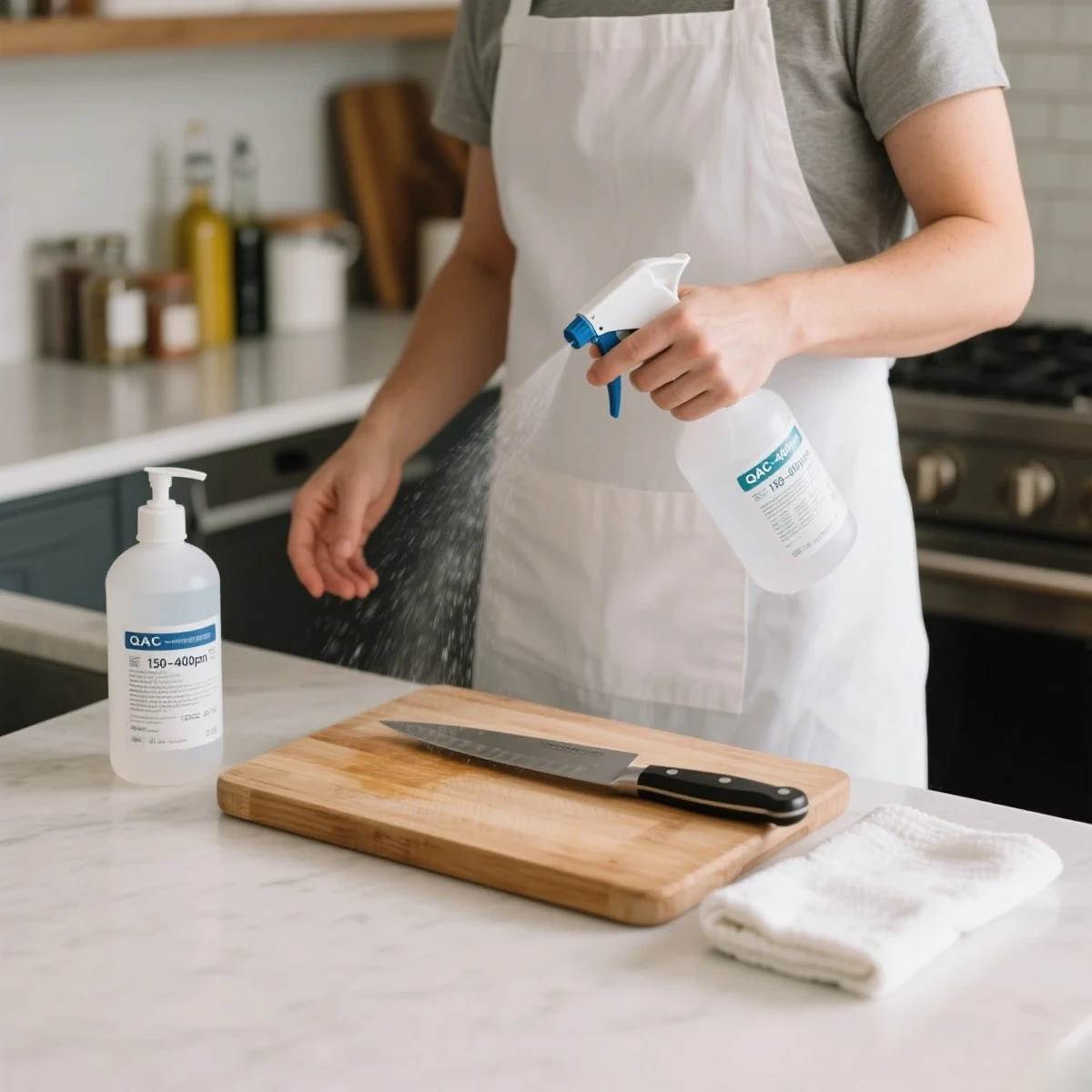
Professional operations may utilize quaternary ammonium compounds² (QAC) for enhanced sanitization effectiveness. QAC solutions demonstrate superior performance on wood surfaces compared to chlorine-based sanitizers, as they do not bind to organic materials and maintain antimicrobial activity longer. Typical QAC concentrations range from 150-400 ppm³ depending on manufacturer specifications and target pathogen requirements.
What Are the Essential Oiling Requirements for Wood Cutting Board Longevity?
Proper oiling represents the most critical maintenance procedure for wood cutting board longevity, directly impacting moisture resistance, bacterial resistance, and structural integrity. Unlike wooden boards demanding monthly oil treatments, professional-grade boards may require more frequent attention based on usage intensity and environmental conditions.
Oil Selection and Application Protocols
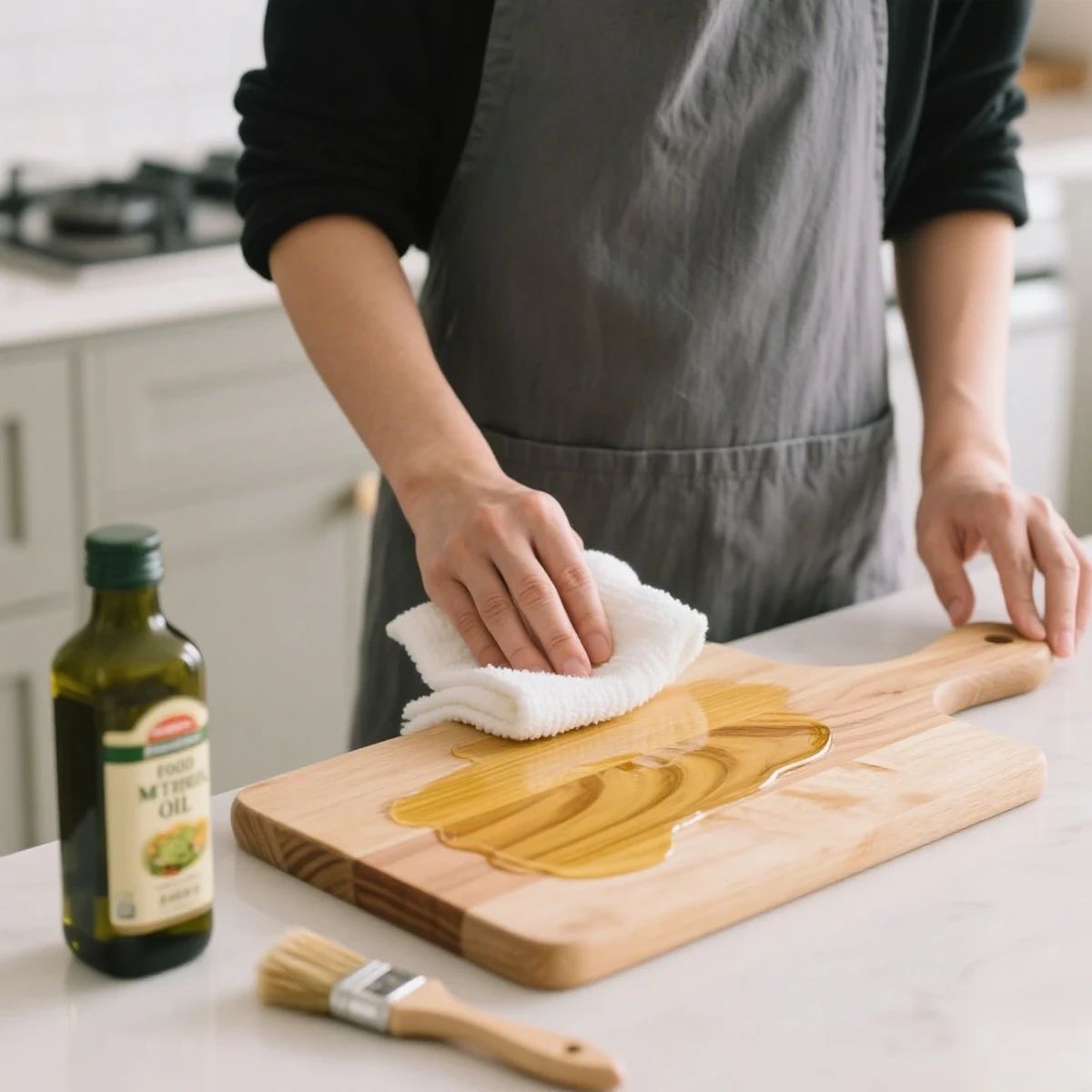
Food-grade mineral oil remains the industry standard for wood cutting board conditioning due to its stability, penetration characteristics, and regulatory approval. Mineral oil does not become rancid, maintains consistent viscosity across temperature ranges, and provides effective moisture barrier protection without affecting food flavor or safety.
Application frequency depends on multiple factors including wood species, usage intensity, and environmental humidity. Visual inspection provides the most reliable indicator: when wood surfaces appear dry or feel rough to touch, oil treatment becomes necessary. Professional operations typically establish weekly oiling schedules for high-use boards, while lower-volume applications may extend intervals to monthly treatments.
Advanced Conditioning Techniques
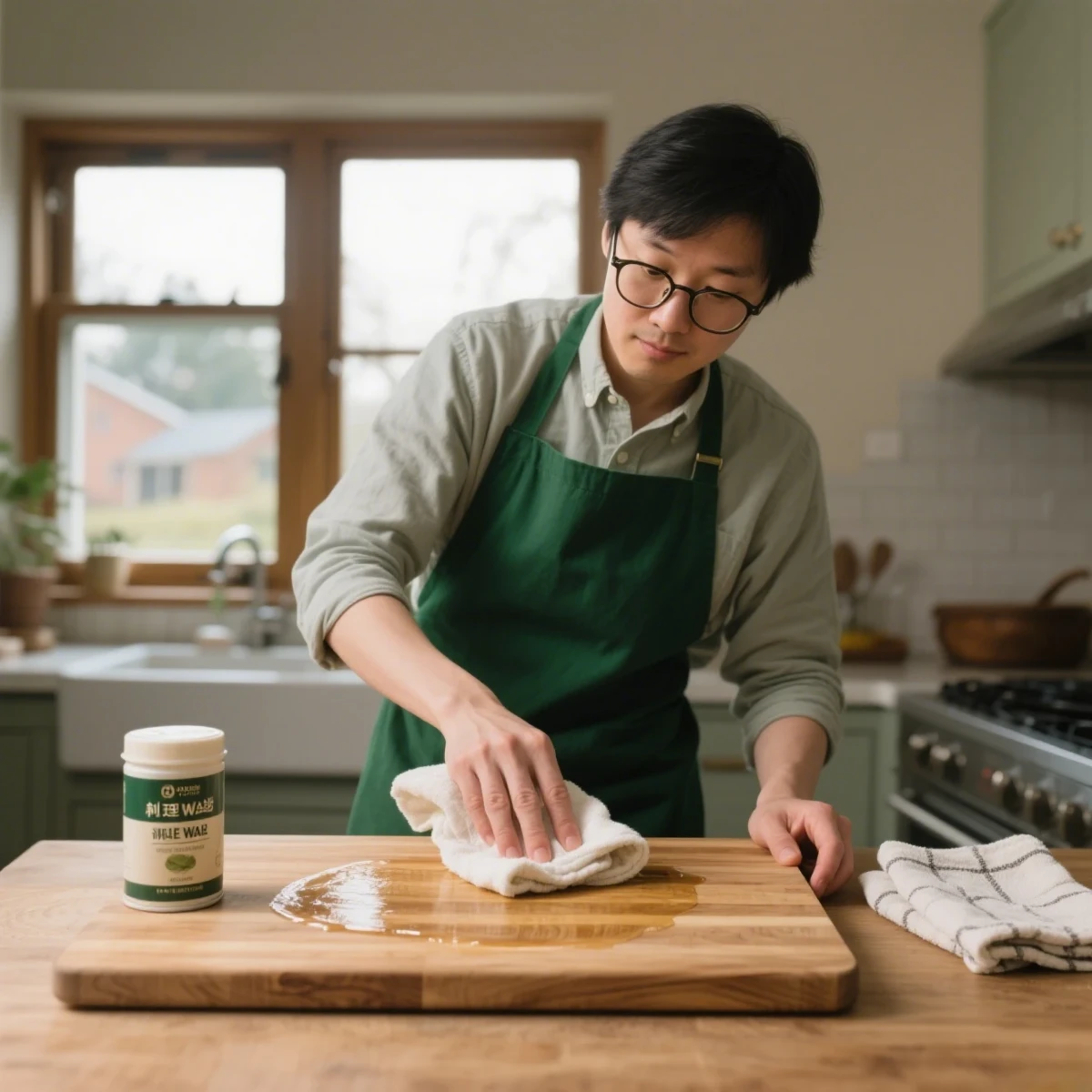
Premium wood cutting board maintenance may incorporate specialized conditioning waxes that provide enhanced protection and performance characteristics. The products are colourless, odourless and tasteless and are made from perfectly sale food grade oils. These specialized products combine mineral oil with food-grade waxes to create protective barriers that resist moisture penetration while maintaining natural wood characteristics.
Application technique significantly impacts conditioning effectiveness. Oil should be applied in thin, even coats using lint-free cloths, working in the direction of wood grain to ensure complete fiber penetration. Excess oil must be removed after 15-20 minutes to prevent surface tackiness and dust accumulation.
How Do You Address Common Wood Cutting Board Maintenance Challenges?
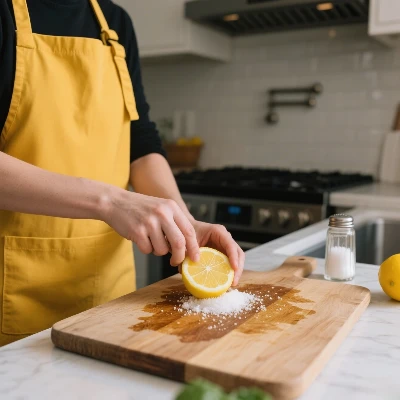
Professional wood cutting board maintenance requires systematic approaches to address common challenges that compromise performance and safety. For odors, scrub the board with a lemon half, and some salt. To remove stains, use baking soda and scrub. These natural approaches provide effective results without chemical residues or wood damage.
Stain Removal Protocols
Persistent staining requires graduated treatment approaches based on stain type and penetration depth. Organic stains respond well to salt and lemon treatments, where coarse salt provides mechanical abrasion while citric acid breaks down organic compounds. This combination effectively removes surface stains while naturally sanitizing the wood surface.
Deep stains may require paste applications of baking soda and water, left to penetrate for 15-30 minutes before scrubbing with grain direction. This alkaline treatment neutralizes acidic stains while providing gentle abrasive action that removes surface discoloration without damaging wood fibers.
Odor Elimination Strategies
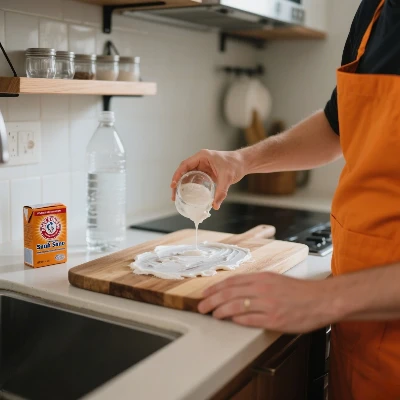
Odor retention in wood cutting board maintenance typically indicates bacterial contamination or inadequate cleaning protocols. Immediate treatment involves creating a paste from baking soda and water, applying across the entire surface, and allowing overnight contact time. This extended alkaline exposure neutralizes organic acids responsible for odor generation.
Persistent odors may require professional restoration involving light sanding to remove contaminated surface layers, followed by complete re-conditioning with mineral oil treatments. This process removes embedded contaminants while restoring optimal surface characteristics for continued safe use.
What Are the Replacement Criteria for Professional Wood Cutting Boards?
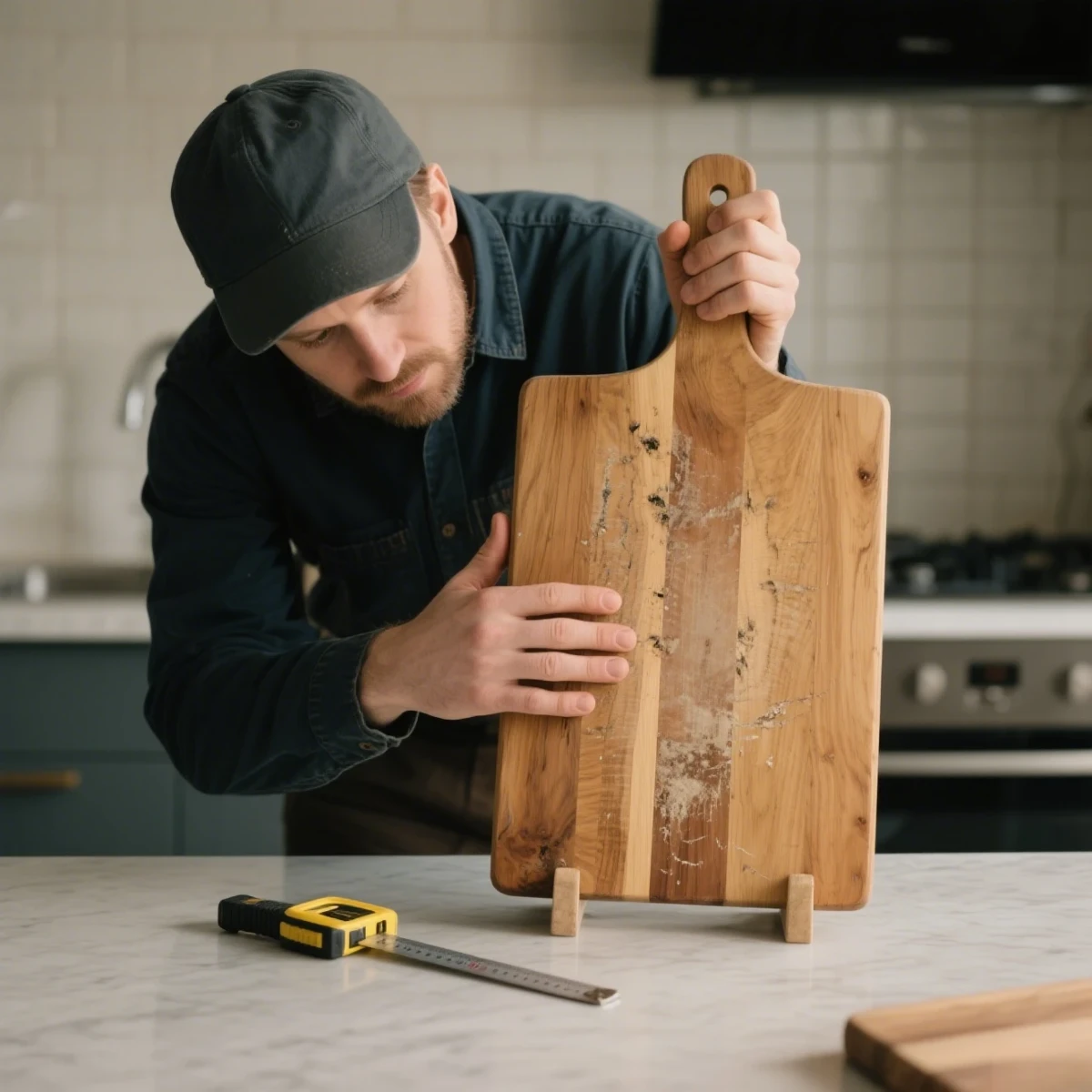
Establishing objective replacement criteria for wood cutting board maintenance programs ensures consistent food safety compliance while optimizing equipment investment. Visual inspection for deep scoring exceeding 1/8 inch depth, permanent staining that cannot be removed through standard cleaning procedures, or structural damage including cracks or warping indicates immediate replacement requirements.
Performance Degradation Indicators
Professional assessment requires systematic evaluation of multiple performance parameters. Surface texture changes indicating excessive wear, dimensional instability causing rocking or instability, and persistent odors despite proper cleaning protocols all signal approaching end-of-service life.
Bacterial testing using ATP⁴ monitoring systems provides objective measurement of cleaning effectiveness and surface contamination levels. Consistently elevated ATP readings despite proper cleaning procedures indicate surface degradation requiring board replacement to maintain food safety standards.
Industry Best Practices and Regulatory Compliance
Professional wood cutting board maintenance must align with federal regulations and industry standards for food safety compliance. Hard maple or an equivalently hard, close-grained wood may be used for: Cutting boards; cutting blocks; bakers' tables according to USDA guidelines, establishing material specifications for regulatory compliance.
Commercial operations must maintain documentation of cleaning, sanitization, and replacement activities to demonstrate regulatory compliance during inspections. Digital tracking systems provide automated recording of maintenance activities while ensuring consistent protocol adherence across all operational locations.
Technical Footnotes
¹ Thermal Shock Temperature: The temperature threshold at which rapid temperature changes cause wood fiber expansion and potential cracking
² Quaternary Ammonium Compounds (QAC): Cationic detergents that provide antimicrobial activity through cell membrane disruption
³ Parts Per Million (ppm): Concentration measurement for sanitizer solutions, indicating active ingredient density
⁴ ATP (Adenosine Triphosphate): Biological marker present in all living cells, used to measure bacterial contamination levels
Authoritative References
USDA Food Safety and Inspection Service: https://www.fsis.usda.gov/food-safety/safe-food-handling-and-preparation/food-safety-basics/cutting-boards
FDA Safe Food Handling Guidelines: https://www.fda.gov/food/buy-store-serve-safe-food/safe-food-handling
MasterClass Professional Maintenance Guide: https://www.masterclass.com/articles/how-to-clean-a-wooden-cutting-board
Michigan State University Extension: https://www.canr.msu.edu/news/cutting_boards_and_food_safety_1
Caraway Home Care Instructions: https://www.carawayhome.com/blog/how-to-clean-wood-cutting-board
Professional Maintenance Supplies: https://www.furnitureclinic.co.uk/cutting-board-maintenance-kit
Food Handler Certification Program: https://foodhandler.com/cutting-board-safety/