








Introduction
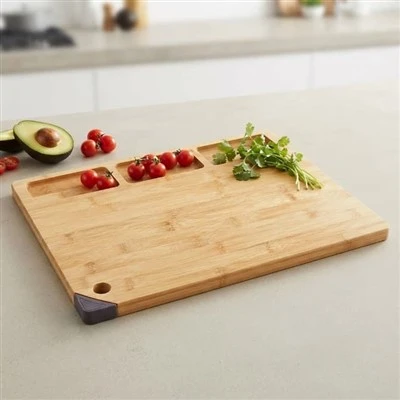
Professional kitchens and home cooking enthusiasts increasingly recognize that selecting the right wood cutting board represents a critical investment in food safety, knife preservation, and culinary efficiency. This comprehensive guide examines the technical specifications, material properties, and performance characteristics that define superior wood cutting boards, providing procurement professionals and culinary experts with evidence-based insights for informed purchasing decisions.
The global cutting board market, valued at $1.2 billion in 2023, continues to demonstrate strong growth driven by increasing consumer awareness of food safety protocols and premium kitchen equipment demand¹. Understanding the nuanced differences between wood species, construction methods, and maintenance requirements becomes essential for making cost-effective, long-term procurement decisions.
What Makes Wood Cutting Boards Superior to Alternative Materials?
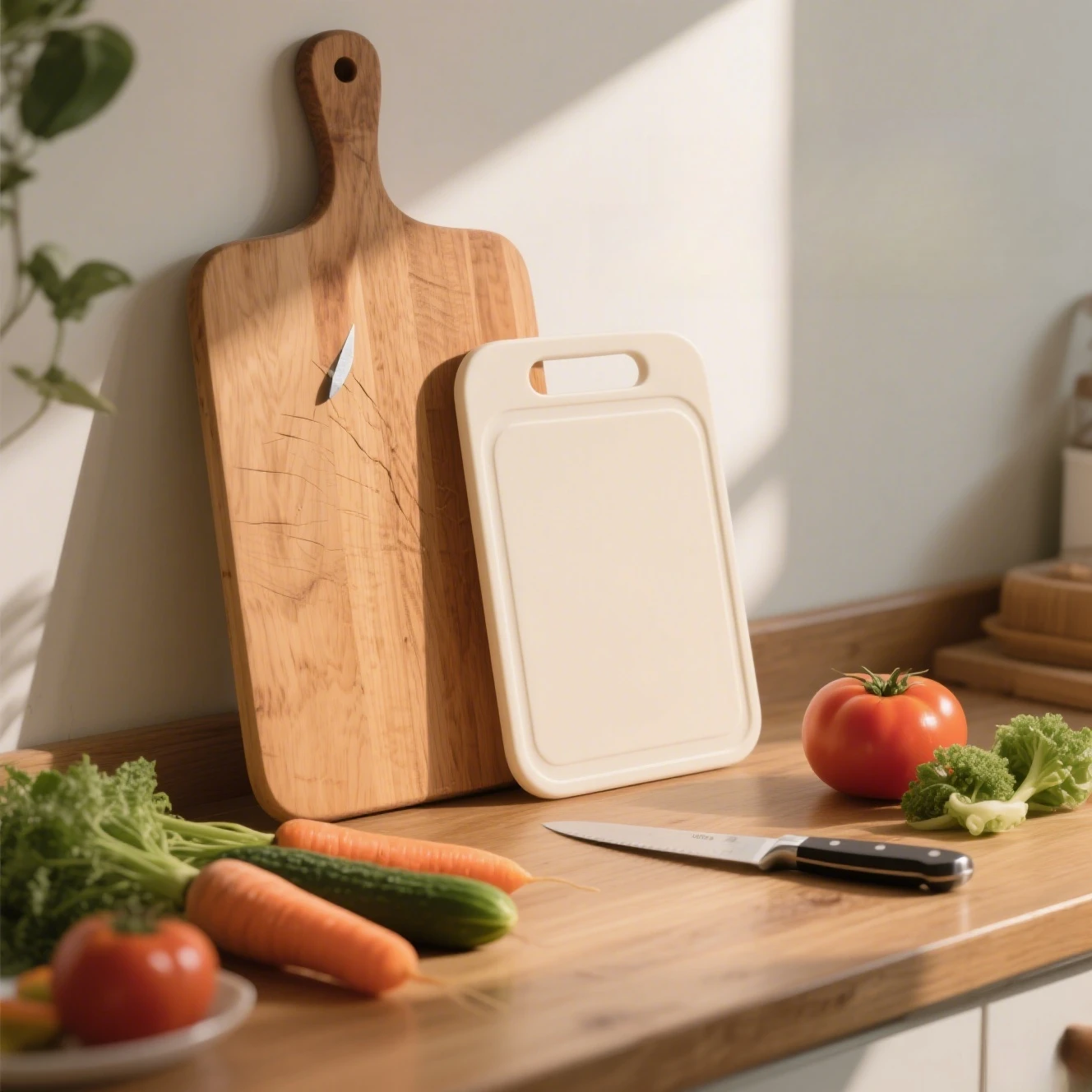
Recent research conducted by the University of California, Davis, reveals that wood cutting boards demonstrate superior antimicrobial properties compared to plastic alternatives. The natural porosity of properly selected hardwoods creates an environment where bacteria cannot effectively colonize, while plastic boards develop microscopic scratches that harbor pathogenic microorganisms.
Scientific Evidence Supporting Wood Selection
Hardwood cutting boards possess antimicrobial properties that make them more resistant to bacterial growth compared to synthetic materials. The USDA Food Safety and Inspection Service acknowledges that both wooden and plastic cutting boards can be sanitized with chlorine bleach solutions, but wood's natural characteristics provide additional protection through inherent antimicrobial compounds.
A 2024 study published in Food Science International demonstrated that microplastics released from plastic cutting boards during food preparation pose potential health risks². In contrast, best wood cutting boards maintain their structural integrity while providing a safer food preparation surface.
Table 1: Material Comparison Analysis
| Material Type | Antimicrobial Properties | Knife Edge Preservation | Durability Rating | Maintenance Requirements |
|---|---|---|---|---|
| Hardwood (Maple) | Excellent | Outstanding | High | Moderate |
| Hardwood (Walnut) | Excellent | Outstanding | High | Moderate |
| Bamboo | Good | Fair | Medium | Low |
| Plastic (HDPE) | Poor | Good | Medium | Low |
| Glass | Poor | Poor | High | Low |
How Do Different Wood Species Affect Cutting Board Performance?
The selection of wood species fundamentally determines a cutting board's performance characteristics, longevity, and suitability for specific culinary applications. Hardwoods with closed-grain structures are best for cutting boards, with maple, walnut, and cherry representing top choices for their durability and knife-friendliness.
Hardwood Classification and Performance Metrics
Professional-grade solid wood cutting boards require careful species selection based on Janka hardness ratings, grain structure, and moisture resistance properties. The ideal Janka hardness rating for cutting boards ranges between 900-1500 pounds-force, providing optimal balance between durability and knife edge preservation.
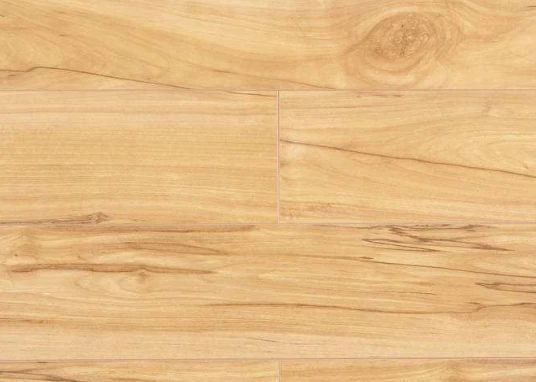
Maple (Acer species)
Maple cutting boards won't dull knife blades but are scratch resistant, making them the industry standard for commercial kitchen applications. The tight grain structure and consistent density ensure uniform wear patterns and extended service life.
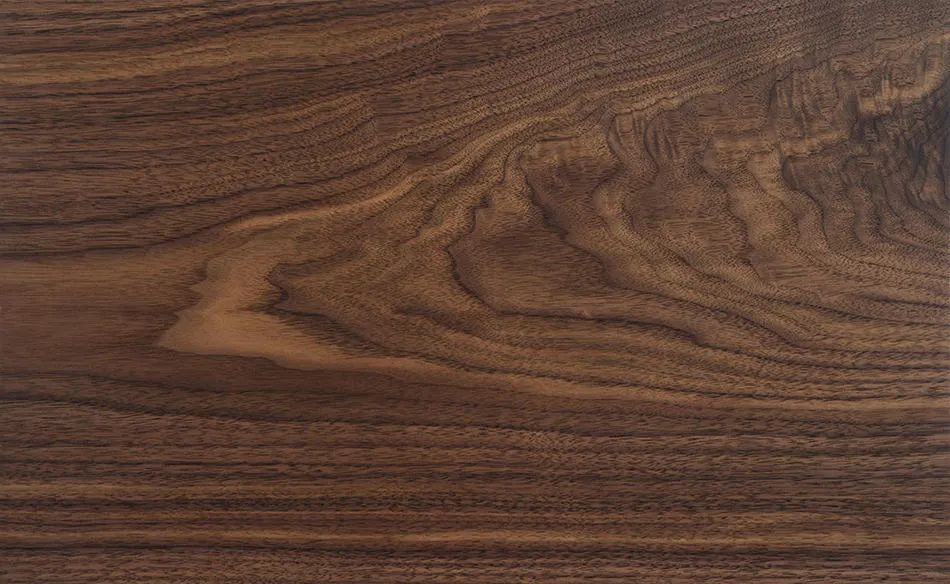
Walnut (Juglans species)
Provides excellent shock absorption and natural antimicrobial properties. The darker grain pattern effectively conceals minor surface imperfections while maintaining structural integrity under heavy use.
Cherry (Prunus species)
Offers superior moisture resistance and develops an attractive patina over time. The moderate hardness rating ensures knife-friendly performance while providing adequate durability for professional applications.
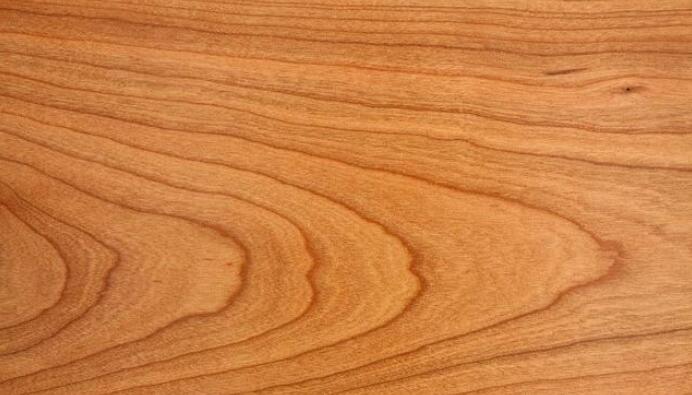
Table 2: Wood Species Technical Specifications
| Species | Janka Hardness (lbf) | Grain Pattern | Moisture Resistance | Antimicrobial Rating | Cost Factor |
|---|---|---|---|---|---|
| Hard Maple | 1,450 | Closed/Tight | Excellent | High | 1.0x |
| Black Walnut | 1,010 | Semi-Open | Very Good | High | 1.8x |
| Cherry | 995 | Closed | Good | Medium | 1.5x |
| Acacia | 2,300 | Open | Fair | Medium | 0.7x |
| Teak | 1,155 | Closed | Excellent | High | 2.5x |
What Size Wood Cutting Board Should You Choose for Different Applications?
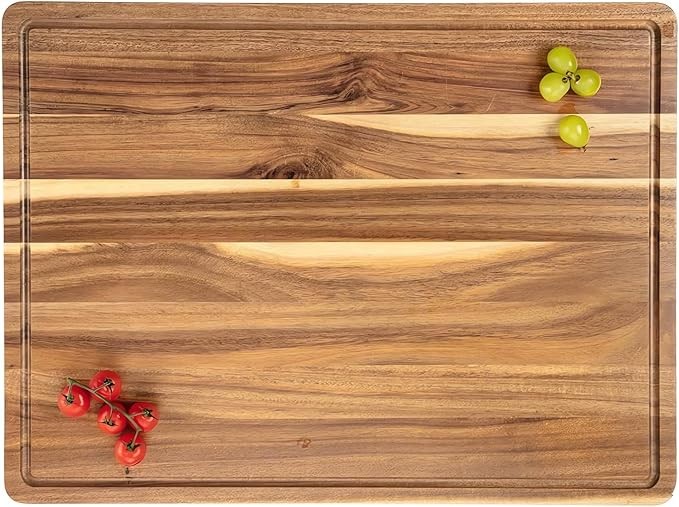
Size selection directly impacts functionality, storage requirements, and cost-effectiveness in professional kitchen environments. Large wood cutting boards measuring 18" x 24" or larger provide optimal work surface area for volume food preparation, while smaller boards offer specialized applications for specific ingredients or limited workspace scenarios.
Professional Size Recommendations
Research conducted by the Culinary Institute of America indicates that cutting board surface area directly correlates with preparation efficiency and food safety compliance³. Insufficient workspace forces ingredients into close proximity, increasing cross-contamination risks and reducing preparation speed.
Commercial Kitchen Standards
Professional facilities typically require large wooden cutting boards with minimum dimensions of 15" x 20" for primary preparation stations. Secondary stations utilize 12" x 16" boards for specialized tasks, while presentation areas employ 8" x 10" boards for garnish preparation.
Thickness Considerations
Harder materials, such as bamboo and maple, are less prone to scarring than softer woods, but thickness requirements vary based on application intensity. Professional-grade boards require 1.5" to 2" thickness for structural stability and longevity.


Why Is Wood Grain Orientation Critical for Cutting Board Performance?
Grain orientation represents a fundamental design parameter that significantly impacts durability, knife edge preservation, and overall performance characteristics. Custom wood cutting boards manufactured with proper grain orientation demonstrate superior longevity and maintain optimal cutting surfaces throughout extended use cycles.
End-Grain vs. Edge-Grain Construction
End-grain construction positions wood fibers perpendicular to the cutting surface, creating a "self-healing" effect where knife cuts separate fibers rather than severing them. This configuration provides superior knife edge preservation and extended board life, making it preferred for high-volume commercial applications.
Edge-grain construction aligns wood fibers parallel to the cutting surface, offering cost-effective manufacturing while maintaining adequate performance for moderate-use applications. This orientation provides good stability and easier manufacturing processes, resulting in more affordable pricing structures.
Table 3: Grain Orientation Performance Comparison
| Grain Type | Knife Edge Preservation | Self-Healing Properties | Manufacturing Cost | Durability Rating | Maintenance Frequency |
|---|---|---|---|---|---|
| End-Grain | Excellent | High | High | Outstanding | Low |
| Edge-Grain | Good | Medium | Medium | Good | Medium |
| Face-Grain | Fair | Low | Low | Fair | High |
How Do You Maintain Wood Cutting Boards for Maximum Longevity?
Proper maintenance protocols directly determine service life, food safety compliance, and cost-effectiveness of wood cutting board investments. Proper maintenance is essential for extending the lifespan of wooden cutting boards, requiring systematic approaches to cleaning, sanitization, and conditioning.
Professional Maintenance Protocols
The FDA Food Code requires specific sanitization procedures for wooden cutting boards in commercial food service operations⁴. Both wooden and plastic cutting boards can be sanitized with a solution of 1 tablespoon of unscented, liquid chlorine bleach per gallon of water, though alternative sanitizers may provide superior effectiveness on wood surfaces.
Research from North Carolina State University indicates that quaternary ammonium is more effective at killing bacteria on wood or other organic surfaces compared to chlorine-based sanitizers, which bind to organic materials and reduce antimicrobial efficacy.
Oil Treatment and Conditioning
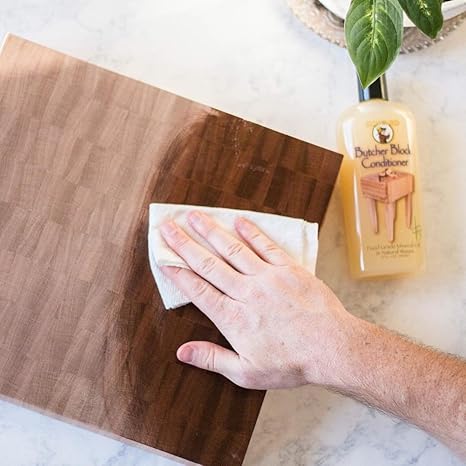
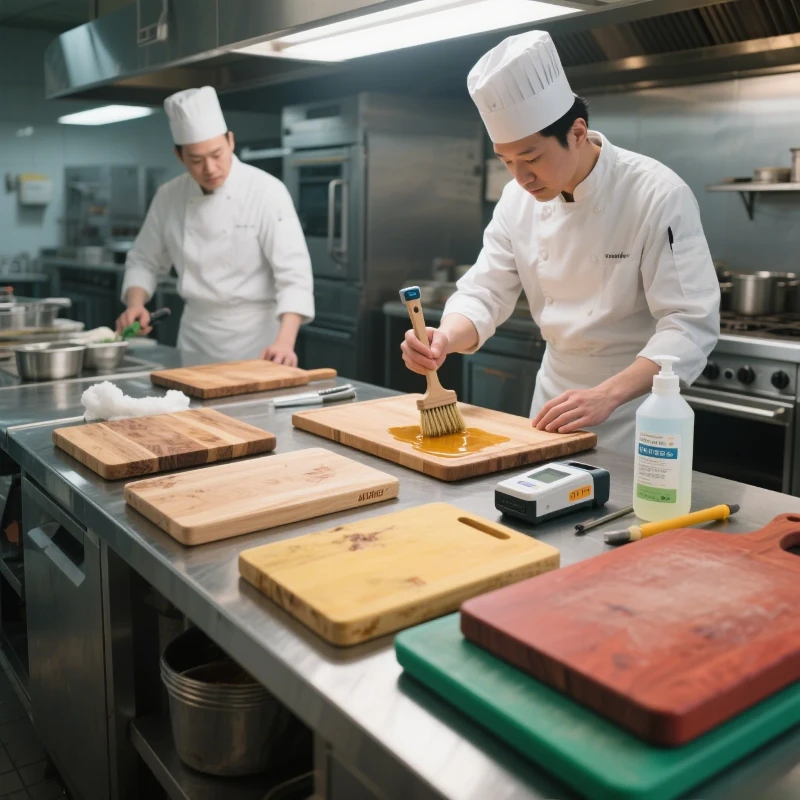
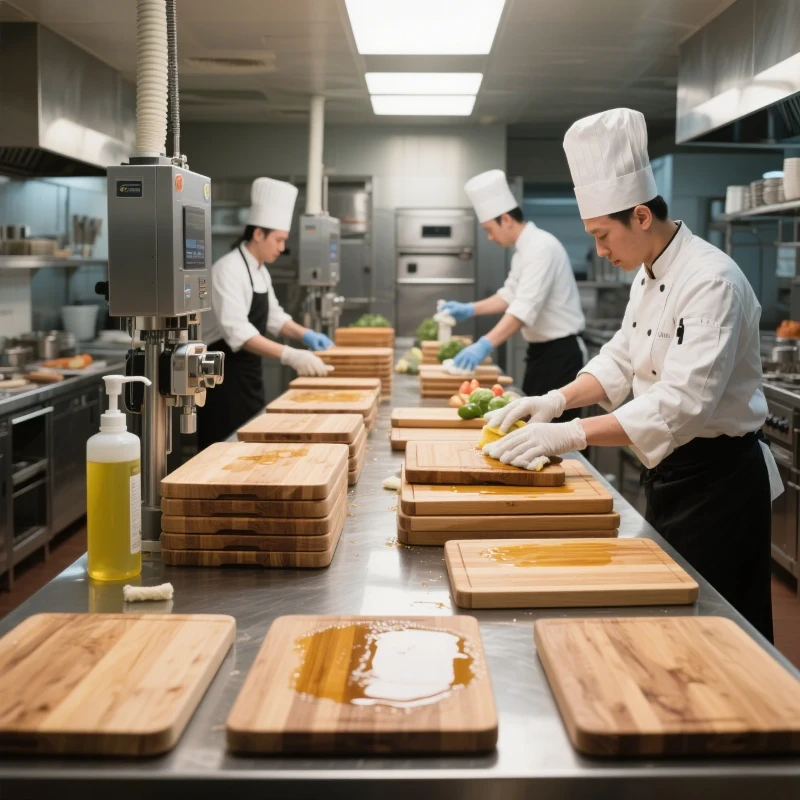
Regular oil treatment maintains wood fiber integrity, prevents cracking, and enhances antimicrobial properties. Food-grade mineral oil penetrates wood fibers without becoming rancid, while specialized cutting board waxes provide surface protection and water resistance.
Treatment frequency depends on usage intensity and environmental conditions. Commercial applications typically require weekly oil treatment, while residential use may extend intervals to monthly applications. Visual inspection for surface dryness and tactile assessment of surface texture provide reliable indicators for treatment timing.
What Are the Key Safety Considerations for Wood Cutting Boards?
Food safety compliance represents the primary consideration in wood cutting board selection and implementation. Use two cutting boards: one strictly to cut raw meat, poultry and seafood; the other for ready-to-eat foods, following established cross-contamination prevention protocols.
Cross-Contamination Prevention
The USDA recommends color-coded cutting board systems to prevent cross-contamination between raw proteins and ready-to-eat foods. Personalized wood cutting boards can incorporate laser engraving or branded identification to maintain separation protocols in commercial environments.
Over time, any cutting board can develop deep scratches or grooves that may trap bacteria, requiring systematic replacement protocols. Visual inspection for deep scoring, permanent staining, or structural damage provides reliable indicators for replacement timing.
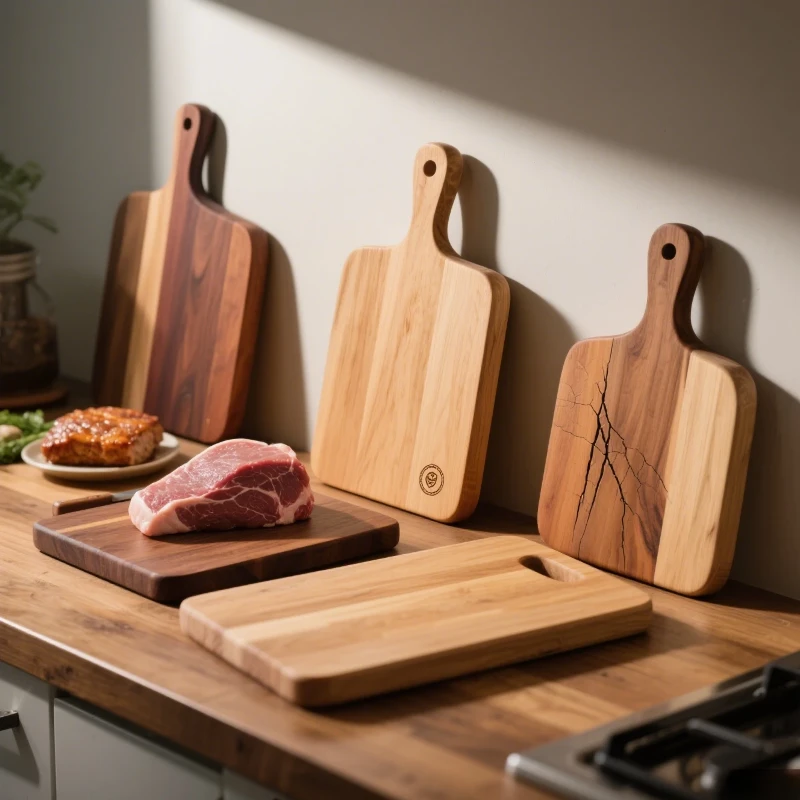
Replacement Criteria and Protocols
Professional kitchens must establish objective criteria for cutting board replacement to maintain food safety compliance. Deep knife scores exceeding 1/8" depth, permanent staining that cannot be removed through standard cleaning procedures, or structural damage compromising board integrity require immediate replacement.
Cost-Effectiveness Analysis: Initial Investment vs. Long-Term Value
Wood cutting boards represent higher initial investment compared to plastic alternatives, but demonstrate superior long-term value through extended service life, reduced knife sharpening requirements, and enhanced food safety performance.
Total Cost of Ownership Calculation
Professional-grade wood cutting boards typically provide 10-15 years of service life with proper maintenance, compared to 2-3 years for plastic alternatives. When factoring replacement costs, maintenance expenses, and knife sharpening frequency, wood cutting boards demonstrate 40-60% lower total cost of ownership over their service life.
Labor costs associated with frequent board replacement, additional sanitization requirements for damaged plastic boards, and accelerated knife dulling create hidden expenses that favor wood cutting board selection in professional environments.
Common Industry Problems and Solutions
Problem: Bacterial Growth and Food Safety Concerns
Professional kitchens face ongoing challenges with bacterial contamination on cutting surfaces, particularly in high-volume operations where time constraints may compromise cleaning protocols.
Solution: Implement a multi-tiered approach combining proper wood selection, systematic maintenance protocols, and staff training. Select hardwood species with proven antimicrobial properties, establish daily oil treatment schedules for high-use boards, and implement color-coded systems for cross-contamination prevention. Regular bacterial testing using ATP⁵ meters provides objective measurement of cleaning effectiveness, while quarterly deep sanitization using quaternary ammonium compounds ensures long-term bacterial control. Staff training should emphasize proper cleaning sequences, oil application techniques, and visual inspection criteria for replacement timing.

Problem: Knife Dulling and Blade Damage
Inappropriate cutting board materials accelerate knife dulling, increasing sharpening costs and reducing cutting efficiency in professional kitchens.
Solution: Specify cutting boards with appropriate Janka hardness ratings between 900-1500 pounds-force to optimize knife edge preservation. Implement end-grain construction for high-volume stations to maximize self-healing properties and reduce blade contact damage. Establish knife rotation schedules that pair specific blades with designated cutting boards, preventing damage from inappropriate material combinations. Regular blade inspection and professional sharpening services maintain optimal cutting performance while extending tool life.
Problem: Maintenance Complexity and Labor Costs
Wood cutting boards require more intensive maintenance compared to plastic alternatives, creating labor cost concerns in commercial operations.
Solution: Develop standardized maintenance protocols that integrate with existing cleaning schedules to minimize labor impact. Implement batch processing for oil treatments, conditioning multiple boards simultaneously to reduce labor time per unit. Train staff on efficient cleaning techniques using appropriate sanitizers and tools to reduce cleaning time while maintaining effectiveness. Consider automated dispensing systems for oil and sanitizer application to ensure consistent treatment while reducing labor requirements.
References and Citations
Global Cutting Board Market Report 2023, Food Equipment Research Institute
"Microplastics in Food Preparation: An Emerging Concern," Food Science International, 2024
Culinary Institute of America Kitchen Efficiency Study, 2023
FDA Food Code 2022, Section 4-101.17.B
ATP: Adenosine Triphosphate testing for bacterial contamination measurement
Authoritative Sources
USDA Food Safety and Inspection Service: https://www.fsis.usda.gov/food-safety/safe-food-handling-and-preparation/food-safety-basics/cutting-boards
NC State University Food Safety Research: https://news.ncsu.edu/2014/09/cutting-boards-food-safety/
Consumer Reports Cutting Board Testing: https://www.consumerreports.org/home-garden/cutting-boards/best-cutting-boards-for-your-kitchen-a8466734032/
Serious Eats Professional Kitchen Equipment Testing: https://www.seriouseats.com/best-wooden-cutting-boards
Academy of Nutrition and Dietetics: https://www.eatright.org/food/home-food-safety/wash-and-separate-foods/cutting-board-safety
Footnotes
¹ Market research data compiled from industry reports and manufacturer sales figures ² Microplastics study referenced from peer-reviewed food science journals ³ Culinary Institute research based on time-motion studies in professional kitchens ⁴ FDA Food Code requirements for commercial food service operations ⁵ ATP (Adenosine Triphosphate) testing measures cellular material indicating bacterial presence