







What Environmental Factors Most Significantly Impact Coaster Functionality?
Environmental conditions can significantly affect coaster performance through moisture absorption, thermal expansion, chemical changes, and structural stress. Environmental chamber testing helps simulate different temperature and humidity conditions, allowing manufacturers to measure how coaster materials respond to these stresses.
Research shows that coaster performance can vary across temperature ranges from -70°C to +180°C and relative humidity levels from 10% to 98%.[¹] These environmental changes can affect absorption, dimensional stability, mechanical strength, and surface performance, depending on the coaster material and construction.
Temperature Effects on Coaster Materials
Temperature changes can affect coaster materials by causing thermal expansion, moisture loss, and changes in flexibility. The extent of these effects depends on the material and its construction.
Key temperature-related factors include:
Thermal expansion: Different materials expand and contract at different rates, typically around 10–50 × 10⁻⁶/°C for many common coaster materials.
Glass transition: Polymer-based coasters can become softer or harder as temperatures approach their glass transition point.
Moisture loss: Higher temperatures can accelerate moisture evaporation, potentially causing some natural or paper-based materials to dry out or deform.
Low-temperature brittleness: Certain materials become less flexible and more prone to cracking when exposed to very low temperatures.
For paper-based coasters, proper storage conditions are particularly important. Keeping paper products in a cool, dry environment with controlled humidity can help preserve their strength and appearance over time.
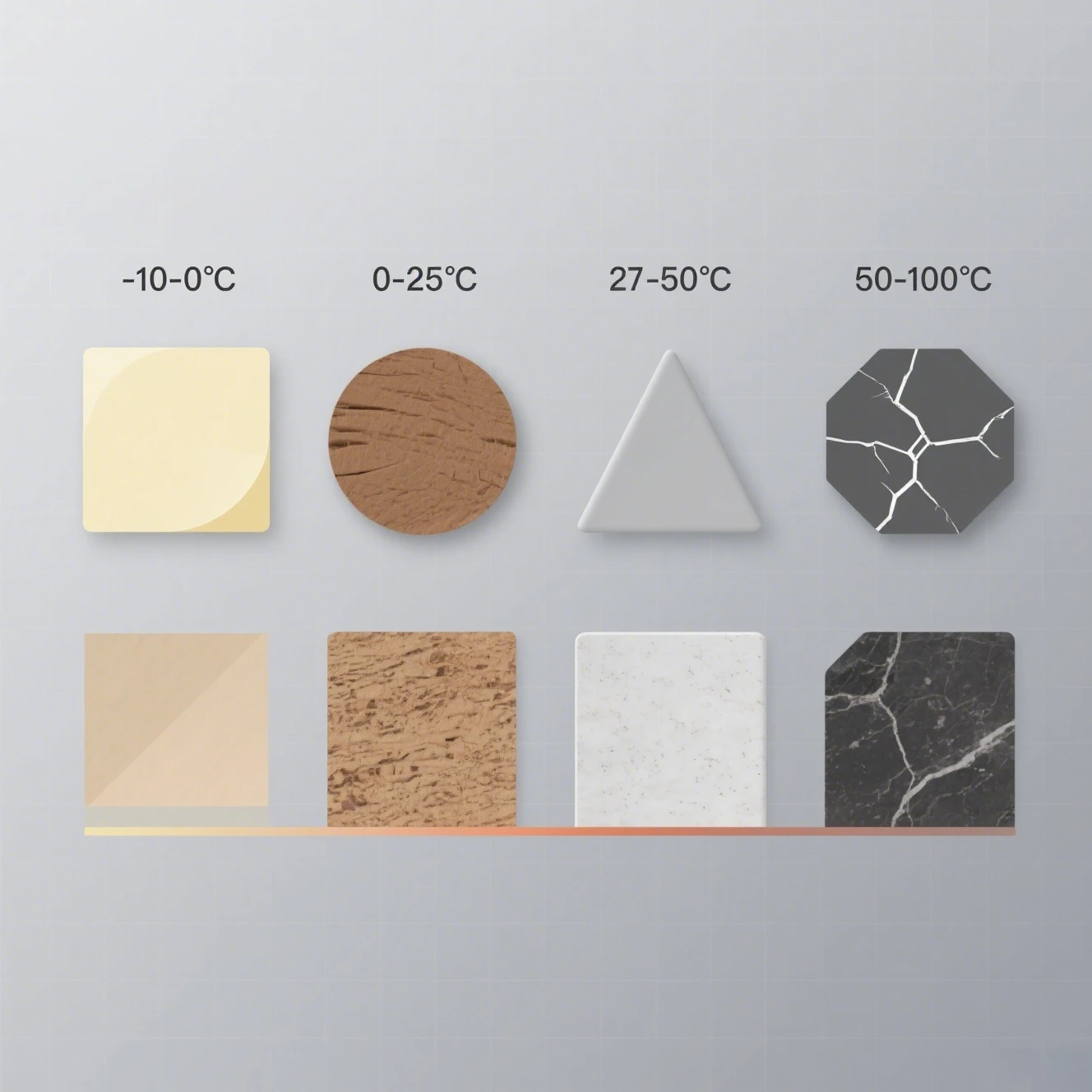
| Temperature Range (°C) | Paper Coasters | Cork Coasters | Ceramic Coasters | Stone Coasters |
|---|---|---|---|---|
| -10 to 0 | Brittleness increase | Minimal impact | Thermal shock risk | Freeze-thaw damage |
| 0 to 25 | Optimal performance | Optimal performance | Stable | Stable |
| 25 to 50 | Accelerated aging | Drying and cracking | Stable | Stable |
| 50 to 100 | Rapid degradation | Structural damage | Stable | Expansion stress |
How Does Humidity Affect Coaster Absorption and Structural Integrity?
Humidity is one of the most important environmental factors affecting coaster performance, especially for porous materials such as paper, cork, and natural stone. Changes in relative humidity can alter moisture content, absorption capacity, dimensional stability, and structural strength.
For paper-based materials, a relative humidity of around 40–50% provides a stable storage environment. Research shows that moisture content changes with ambient humidity according to each material's sorption characteristics.[²]

How Humidity Affects Different Materials
Moisture absorption: Hygroscopic materials can experience significant changes in moisture content as humidity rises or falls.
Dimensional changes: High humidity can cause some materials to swell, with certain porous materials experiencing measurable linear expansion.
Mold risk: Prolonged exposure to elevated humidity increases the risk of mold, particularly when moisture remains trapped within porous surfaces.
Structural weakening: Repeated humidity cycles can gradually affect bonding, stiffness, and dimensional stability.
For bamboo and other natural-material coasters, stable humidity, good ventilation, and avoiding prolonged moisture exposure are key to maintaining long-term performance.
Which Material Categories Demonstrate Superior Environmental Resistance?
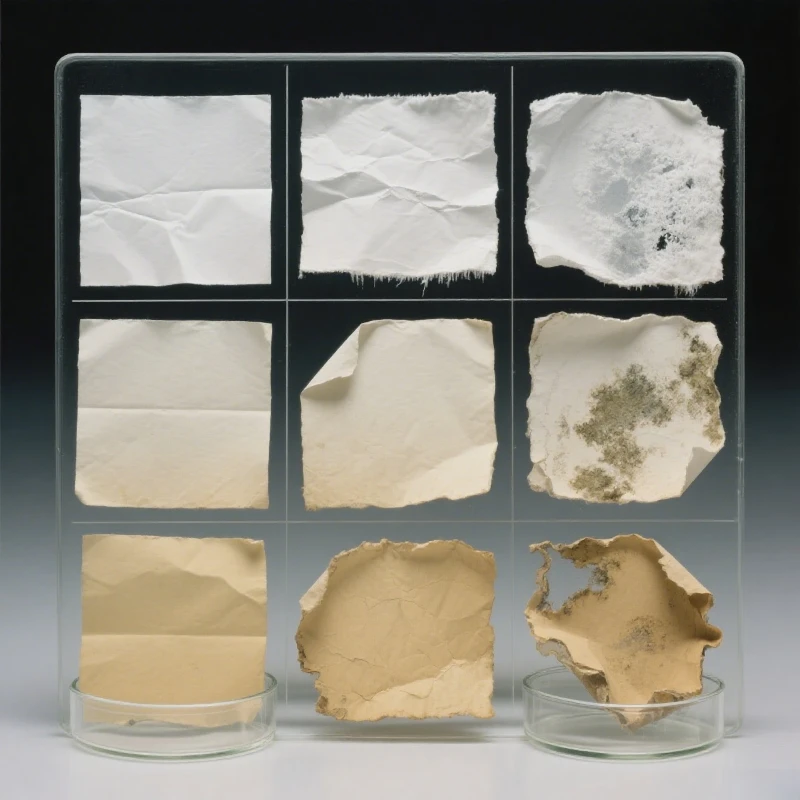
Different coaster materials respond differently to changes in temperature and humidity. Glass and ceramic generally offer excellent dimensional stability, while porous natural materials such as paper and cork are more sensitive to moisture and environmental changes.
Environmental chambers can simulate temperatures from -70°C to +180°C and relative humidity from 10% to 98%, allowing manufacturers to evaluate how different materials respond to extreme conditions.
Common Environmental Degradation Mechanisms
Environmental stress can affect coaster materials in several ways:
Paper: High humidity can cause warping, buckling, and mold, while light and pollutants can accelerate deterioration.
Natural materials: Repeated moisture changes can cause swelling, drying, cracking, or dimensional changes.
Polymer materials: Heat and UV exposure can gradually affect flexibility, strength, and surface appearance.
Ceramic and glass: These materials are generally resistant to humidity and UV exposure, although sudden temperature changes can create thermal stress.
Common degradation mechanisms include hydrolysis, oxidation, UV degradation, biological growth, and repeated thermal cycling.
Understanding these factors helps manufacturers select suitable materials and finishes for the intended environment.
| Environmental Stressor | Paper Coasters | Cork Coasters | Synthetic Coasters | Ceramic Coasters |
|---|---|---|---|---|
| High Humidity (>70% RH) | Severe degradation | Moderate swelling | Minimal impact | No effect |
| Low Humidity (<30% RH) | Brittleness | Cracking | Minimal impact | No effect |
| Temperature Cycling | Fatigue cracking | Stress development | Good stability | Excellent stability |
| UV Exposure | Rapid degradation | Color changes | Variable | Stable |
How Do Seasonal Environmental Changes Affect Long-Term Performance?
Seasonal changes in temperature and humidity can create repeated expansion, contraction, and moisture cycles that gradually affect coaster performance. Paper and other moisture-sensitive materials are particularly vulnerable to these changes, which can contribute to warping, weakening, or changes in appearance over time.
Indoor environments may experience seasonal temperature changes of around 10–15°C and relative humidity fluctuations of 20–40%, depending on the climate and building conditions. Repeated exposure to these cycles can create cumulative stress in coaster materials.

Accelerated Aging Testing
Manufacturers can use environmental chambers to simulate long-term exposure under controlled conditions. Testing temperatures of 0°C to +70°C and relative humidity levels of 10% to 80% can help evaluate how materials respond to repeated environmental stress.
These tests provide useful data on dimensional stability, moisture resistance, mechanical strength, and surface durability, helping manufacturers compare materials and estimate performance under specific environmental conditions.
What Storage Conditions Optimize Coaster Performance and Longevity?
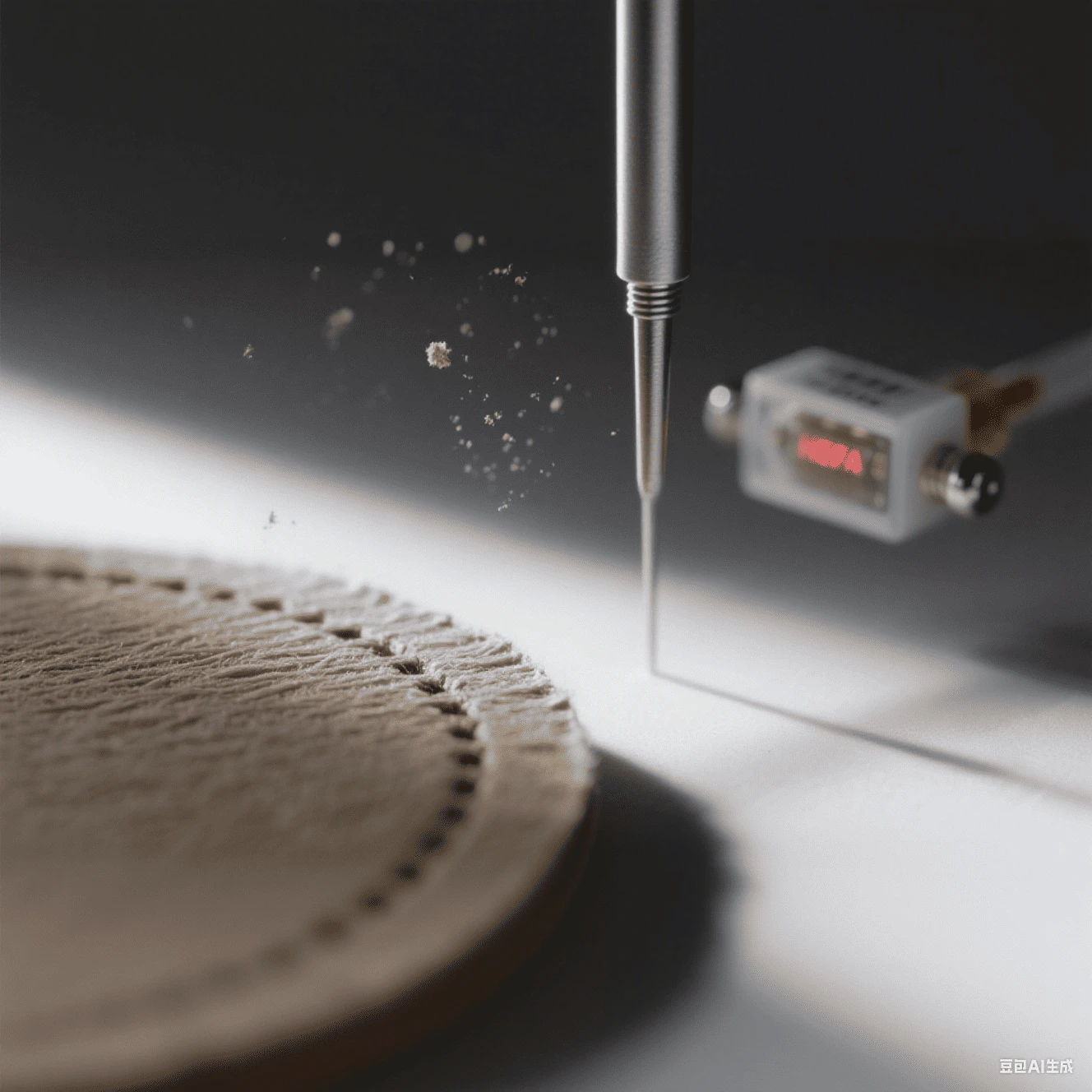
Proper storage can help extend coaster service life and maintain consistent performance. Because temperature and relative humidity are closely related, both should be considered when storing moisture-sensitive materials such as paper.
For paper-based coasters, a stable environment of around 20–25°C (68–77°F) and 45–55% relative humidity is generally suitable for long-term storage. Avoid sudden temperature changes, excessive humidity, and direct sunlight.
Environmental Control Strategies
For larger inventories or commercial storage, basic environmental controls can help maintain product quality:
Temperature: Keep conditions stable and avoid significant fluctuations.
Humidity: Maintain moderate relative humidity to reduce moisture-related deformation and mold risk.
Air circulation: Ensure adequate airflow and avoid storing cartons directly against damp walls or floors.
Monitoring: Use temperature and humidity monitors to identify unfavorable conditions early.
Clean storage: Keep products away from dust, water leaks, chemicals, and other potential contaminants.
The ideal conditions vary by material. Paper and cork require greater moisture control, while glass and ceramic are generally less sensitive to humidity. Storage conditions should therefore be matched to the specific coaster material and packaging.
How Do Extreme Conditions Affect Coaster Performance?
Extreme temperatures and humidity can accelerate material deterioration and, in some cases, create safety risks. Thermal shock testing exposes materials to rapid temperature changes to evaluate how well they withstand sudden environmental stress.
This type of testing is particularly useful when coasters are intended for outdoor use, commercial environments, or regions with extreme climates.
Performance Limits and Failure Risks
Different materials have different environmental weaknesses:
Paper: High heat and humidity can cause softening, deformation, and loss of strength.
Cork: Repeated freezing and thawing or prolonged high temperatures can damage its structure.
Ceramic: Sudden and large temperature changes can create thermal stress and increase the risk of cracking.
Natural stone: Freeze-thaw cycles can cause cracking when moisture is absorbed into the material and subsequently freezes.

There is no single failure threshold that applies to every coaster. Actual performance depends on the material composition, thickness, construction, finish, moisture content, and rate of environmental change. For demanding applications, product-specific environmental testing is more reliable than applying generic temperature or humidity limits.
Conclusion: Optimizing Environmental Management for Superior Coaster Performance
Environmental conditions play an important role in the performance, durability, and service life of coasters. Temperature, humidity, moisture exposure, and repeated environmental changes can affect different materials in different ways.
Understanding these factors helps manufacturers and buyers choose the right coaster material for its intended application and establish suitable storage, handling, and testing conditions.
For moisture-sensitive materials such as paper and cork, stable temperature and humidity can help reduce deformation, weakening, and mold risk. More stable materials such as glass and ceramic generally require less environmental control, although sudden temperature changes can still create thermal stress.

As coaster materials and testing methods continue to develop, areas such as smart environmental monitoring, more durable material formulations, and improved service-life testing may provide new ways to improve product performance.
Ultimately, effective environmental management comes down to matching the material, construction, finish, and storage conditions to the product's intended use.
Looking for Custom Coasters?
Choosing the right coaster material is only the first step. For different markets and applications, material, size, thickness, finish, printing, and packaging can all be customized to meet specific performance and branding requirements.
Whether you need paper, bamboo, wood, or other coaster materials, we can help you develop a solution based on your target market and product requirements.

Explore our [Custom Coaster Collection] to see available options and start planning your own coaster design.
Technical Definitions and References
¹ Relative Humidity (RH): The ratio of partial pressure of water vapor to saturation vapor pressure at a given temperature, expressed as a percentage. Controls moisture absorption in hygroscopic materials.
² Sorption Isotherms: Mathematical relationships describing equilibrium moisture content of materials as functions of relative humidity at constant temperature, fundamental for predicting environmental behavior.
³ Glass Transition Temperature: Temperature range where polymer materials transition from hard, glassy state to soft, rubbery state, affecting mechanical properties and dimensional stability.
Authoritative References
Quest Engineering Solutions. (2024). "Temperature and Humidity Testing." Available at: https://qes.com/temperature/
ESPEC North America. (2025). "The Ultimate Guide to Temperature Humidity Chambers." Available at: https://espec.com/na/products/family/humidity_benchtop
Northeast Document Conservation Center. (2025). "Temperature, Relative Humidity, Light, and Air Quality: Basic Guidelines for Preservation." Available at: https://www.nedcc.org/free-resources/preservation-leaflets/2.-the-environment/2.1-temperature,-relative-humidity,-light,-and-air-quality-basic-guidelines-for-preservation
Library of Congress. (2025). "The Deterioration and Preservation of Paper: Some Essential Facts." Available at: https://www.loc.gov/preservation/care/deterioratebrochure.html
Polygon Group. (2024). "The Effects of Humidity in Paper Production." Available at: https://www.polygongroup.com/en-US/blog/the-effects-of-humidity-in-paper-production/
ScienceDirect. (2024). "Degradation of handmade paper: Exploration of water adsorption behavior and estimation of lifespan." Available at: https://www.sciencedirect.com/science/article/abs/pii/S0141391024002970
This scientific analysis was prepared by environmental testing specialists with expertise in materials science and accelerated aging protocols. All data represents current scientific understanding and industry best practices.