








What Makes a Professional-Quality Cheese Board?
Understanding how to create a professional cheese platter begins with an understanding of food manufacturing principles, ingredient sourcing, and presentation techniques used by artisan producers. A professionally crafted cheese board incorporates multiple sensory elements while adhering to food safety regulations established by organizations like the American Cheese Society¹.
Professional cheese board construction involves three critical components: structural integrity, flavor balance, and visual appeal. This foundation is based on selecting the right cheese board materials that comply with FDA regulations for food contact surfaces². Manufacturing experience shows that successful cheese board assembly requires understanding moisture migration patterns, preventing cross-contamination between different cheese types, it can be effective maintaining proper temperature zones throughout service periods.

Key characteristics of professional-quality cheese board construction include:
Systematic arrangement following FDA food handling guidelines
Strategic spacing to prevent flavor contamination
Temperature-appropriate cheese selection for extended service periods
Visual balance incorporating color theory and texture contrast
Portion calculations based on USDA serving recommendations³
The manufacturing perspective emphasizes that learning how to make a cheese board extends beyond aesthetic considerations to encompass food science principles governing cheese aging, moisture content, and microbial safety standards enforced by regulatory agencies.

Essential Food Safety Considerations
Food safety represents the cornerstone of professional cheese board construction. The Mayo Clinic Health System recommends limiting sodium intake to 2,300 milligrams daily for adults, which significantly impacts cheese selection strategies when learning how to make a cheese board for health-conscious consumers.
Temperature control emerges as the most critical factor in safe cheese board assembly. The USDA Food Safety and Inspection Service establishes specific guidelines for dairy product handling⁴, requiring cheese products remain below 40°F (4.4°C) during storage and limiting room temperature exposure to maximum two hours under normal conditions, or one hour when ambient temperatures exceed 90°F (32.2°C).
Critical Control Points for Cheese Board Safety
| Safety Parameter | Standard Requirement | Monitoring Method |
|---|---|---|
| Storage Temperature | ≤ 40°F (4.4°C) | Digital thermometer verification |
| Service Time Limit | 2 hours maximum | Timer documentation |
| Cross-contamination Prevention | Separate utensils per cheese | Visual inspection protocol |
| Hand Washing Frequency | Between each cheese type | Standard operating procedure |
Professional cheese board manufacturers implement Hazard Analysis Critical Control Points (HACCP)⁵ protocols throughout the assembly process. These systems identify potential contamination sources, establish critical limits for each control point, and provide monitoring procedures ensuring consistent food safety compliance.
Understanding how to safely create a cheese board requires understanding which cheese varieties pose a higher risk. Soft cheeses manufactured with unpasteurized milk require additional handling precautions, while aged hard cheeses generally demonstrate greater stability under ambient conditions. The American Cheese Society provides specific guidelines for artisan cheese handling that inform professional cheese board construction practices⁶.
Selecting Premium Cheeses: A Manufacturer's Approach
Successful cheese board construction requires understanding cheese manufacturing processes, aging characteristics, and quality indicators that differentiate premium products from commodity alternatives. Professional cheese selection for cheese board assembly involves evaluating multiple factors including moisture content, fat percentage, aging duration, and microbial profile.
The optimal cheese board incorporates five distinct cheese categories, each representing different manufacturing techniques and flavor profiles:
Fresh Cheeses (Moisture content 70-80%)
These include mozzarella, ricotta, and fresh chèvre. Manufacturing involves minimal aging, resulting in mild flavors and soft textures. Fresh cheeses provide cooling contrast to aged varieties but require careful temperature management due to high perishability.

Soft-Ripened Cheeses (Moisture content 50-60%)
Brie and Camembert represent this category, characterized by surface mold cultivation during manufacturing. These cheeses continue developing flavor complexity after production, requiring precise timing for optimal cheese board presentation.

Semi-Hard Aged Cheeses (Moisture content 35-45%)
Gruyère, aged Cheddar, and Manchego exemplify this category. Extended aging periods (6-24 months) concentrate flavors while reducing moisture content, creating stable products ideal for cheese board applications.

Hard Aged Cheeses (Moisture content 25-35%)
Parmigiano-Reggiano and aged Pecorino undergo extensive aging (12-36 months), developing crystalline textures and intense umami characteristics. These cheeses provide textural variety and concentrated flavor impact.

Blue Cheeses (Variable moisture content)
Roquefort and Stilton incorporate controlled mold development throughout the cheese matrix. Manufacturing requires specialized environments and precise humidity control, resulting in distinctive flavor profiles that anchor cheese board compositions.

Cheese Quality Assessment Matrix
| Quality Indicator | Premium Standard | Assessment Method |
|---|---|---|
| Rind Condition | Intact, appropriate color | Visual inspection |
| Texture Consistency | Uniform throughout | Physical examination |
| Aroma Profile | Clean, characteristic | Sensory evaluation |
| Color Uniformity | Even distribution | Visual assessment |
| Moisture Level | Appropriate for type | Texture analysis |
Understanding how to make a cheese board with premium ingredients requires recognizing manufacturing date codes, proper storage indicators, and quality deterioration signs. Professional buyers examine cheese surfaces for unwanted mold growth, texture irregularities, and off-odors indicating improper storage or handling.
How Much Cheese Do You Need Per Person?
Calculating appropriate quantities represents a fundamental aspect of learning how to make a cheese board for commercial applications. Professional portion planning considers multiple variables including event duration, accompanying food offerings, and guest demographics to determine optimal cheese quantities.
Industry standard calculations for cheese board planning recommend 3-4 ounces of cheese per person for appetizer service, increasing to 6-8 ounces for main course presentations. These calculations assume diverse cheese selection providing multiple tasting options while minimizing waste through precise portioning
Professional Portion Planning Guidelines
Appetizer Service (1-2 hours)
Total cheese quantity: 3-4 oz per person
Number of cheese varieties: 3-5 types
Primary cheese allocation: 40% of total weight
Secondary cheese allocation: 35% of total weight
Accent cheese allocation: 25% of total weight
Main Course Service (2-4 hours)
Total cheese quantity: 6-8 oz per person
Number of cheese varieties: 5-7 types
Extended service considerations: +15% additional quantity
Temperature maintenance requirements: Rotation schedule every 30 minutes
Large Group Scaling (25+ people)
Economies of scale: Reduce per-person allocation by 10-15%
Variety expansion: Add 1-2 additional cheese types
Service logistics: Implement multiple serving stations

Professional cheese board construction for commercial applications requires understanding that portion calculations extend beyond simple weight measurements. Cheese density variations significantly impact perceived quantity, with aged hard cheeses appearing less substantial than equivalent weights of soft varieties.
Advanced portion planning when learning how to make a cheese board incorporates cheese yield calculations accounting for rind removal, aging losses, and service waste. Premium aged cheeses may contain 15-20% inedible rind, requiring adjustment in purchasing calculations to ensure adequate serving quantities.
Board material selection directly impacts food safety compliance and presentation quality when learning how to make a cheese board for professional applications. Understanding material properties, sanitization requirements, and FDA compliance standards enables informed decisions supporting both aesthetic goals and regulatory requirements.
Wood Board Materials
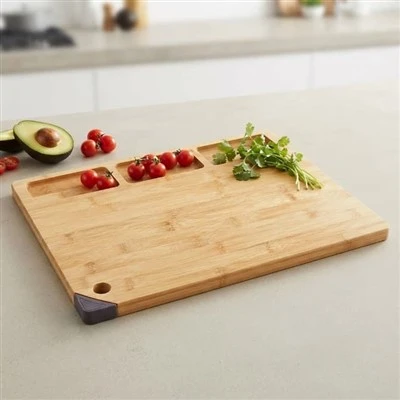
Natural hardwoods including maple, cherry, and walnut provide traditional aesthetics while offering natural antimicrobial properties⁷. Dense grain structures resist bacterial penetration when properly maintained. However, wood requires specialized cleaning protocols and periodic oil conditioning to maintain food-safe surfaces.

Natural Stone Options
Marble, slate, and granite offer excellent temperature retention properties ideal for cheese board applications. These materials provide stable surfaces for extended service periods while offering easy sanitization through standard dishwashing procedures. Stone surfaces may require food-safe sealers to prevent staining and bacterial infiltration.

Synthetic Materials
Food-grade plastics and composite materials meet FDA requirements for direct food contact while offering superior cleanability. These materials resist staining, odor retention, and bacterial growth but may lack the visual appeal demanded by premium cheese board presentations.

Board Material Comparison Matrix
| Material Type | Food Safety Rating | Maintenance Level | Durability Score | Aesthetic Appeal |
|---|---|---|---|---|
| Hardwood | High (with proper care) | High | Very High | Excellent |
| Natural Stone | Very High | Medium | Very High | Excellent |
| Bamboo | High | Medium | High | Good |
| Composite | Very High | Low | High | Fair |
Professional cheese board construction requires understanding that board materials interact with cheese moisture content, potentially affecting flavor development and presentation quality. Porous materials may absorb cheese oils and moisture, creating flavor transfer between different service occasions.
Size specifications for professional cheese board applications should accommodate proper spacing between cheese varieties while providing adequate surface area for accompanying elements. Industry standards recommend minimum 2-inch spacing between different cheese types to prevent cross-contamination and maintain distinct flavor profiles.
Understanding how to make a cheese board includes recognizing that board material thermal properties affect cheese serving temperature. Materials with high thermal mass (stone, thick wood) help maintain optimal cheese temperatures during extended service periods, while thin materials rapidly equilibrate with ambient conditions.
Temperature Control: How Long Can Cheese Stay at Room Temperature?
Temperature management represents the most critical factor in safe cheese board service, directly impacting both food safety and flavor development. Professional understanding of how to make a cheese board requires comprehensive knowledge of dairy product temperature regulations and optimal serving conditions for various cheese types.
The USDA establishes clear guidelines limiting dairy product exposure to ambient temperatures⁸. Cheese products may safely remain at room temperature for maximum two hours under normal conditions (below 90°F ambient), or one hour when ambient temperatures exceed 90°F. These limitations apply regardless of cheese type or manufacturing process.
However, optimal flavor development occurs within specific temperature ranges that vary by cheese category. Understanding these parameters enables professional cheese board assembly that maximizes sensory characteristics while maintaining safety compliance.

Optimal Serving Temperature Guidelines
| Cheese Category | Ideal Service Temperature | Flavor Development Time | Maximum Safe Time |
|---|---|---|---|
| Fresh Cheeses | 45-50°F (7-10°C) | 15-20 minutes | 2 hours maximum |
| Soft-Ripened | 60-65°F (15-18°C) | 30-45 minutes | 2 hours maximum |
| Semi-Hard | 55-60°F (13-15°C) | 20-30 minutes | 2 hours maximum |
| Hard Aged | 65-70°F (18-21°C) | 45-60 minutes | 2 hours maximum |
| Blue Cheeses | 60-65°F (15-18°C) | 30-45 minutes | 2 hours maximum |
Professional cheese board service implements rotation protocols ensuring continuous temperature compliance. This involves maintaining cheese reserves under refrigeration while rotating displayed portions every 30-45 minutes during extended service periods.
Temperature monitoring systems used in commercial cheese board operations include infrared thermometers for non-contact surface temperature verification and data-logging devices documenting continuous compliance with HACCP requirements. These tools provide documentation supporting food safety audits and regulatory inspections.
Understanding how to make a cheese board safely requires recognizing that certain cheese characteristics change predictably with temperature exposure. Aged hard cheeses develop enhanced aromatics and softer textures as they warm, while fresh cheeses may begin showing quality deterioration through moisture loss and textural changes.
Building Your Board: Step-by-Step Assembly Process
Professional cheese platter assembly follows a systematic process to ensure consistent quality, compliance with food safety standards, and optimal presentation. Understanding how to craft a cheese platter based on manufacturing principles requires documented procedures to guarantee uniform results across various service scenarios.
Stage 1: Preparation and Sanitization (15-20 minutes)
Preparation work is essential before starting cheese platter assembly. First, sanitize all work surfaces, cutting tools, and serving plates using approved food service sanitizers⁹. Handwashing protocols require using antibacterial soap for at least 20 seconds, followed by drying with disposable towels.

Temperature verification ensures optimal cheese handling conditions. Depending on the type of cheese and desired serving temperature, remove cheeses from the refrigerator 30-60 minutes before assembly. Monitor the workspace temperature to keep it below 75°F (24°C) to prevent accelerated quality degradation during assembly.
Stage 2: Strategic Layout Planning (10-15 minutes)
An effective cheese platter layout combines principles of visual balance while ensuring easy access. Professional assembly uses the "triangle method": place primary cheeses at triangular points around the board, with secondary cheeses filling the gaps in between.

Proper spacing calculations prevent flavor cross-contamination while maximizing the utilization of the cheese board. Maintain a minimum 2-inch gap between different cheese varieties; for strong-flavored types such as blue cheese or washed-rind cheese, the gap should be larger.
Stage 3: Cheese Placement and Garnishing (20-25 minutes)
Cheese placement follows an established hierarchy to highlight flavor intensity and visual impact. Start by placing mild-flavored, neutrally colored cheeses (fresh goat cheese, young cheddar) as foundational elements. Next, arrange medium-flavored cheeses (aged Gruyère, ripe Brie), and finally, position focal cheeses (aged blue cheese, rich washed-rind cheese).

Pre-portioned servings facilitate serving while preserving visual integrity. Most cheeses are portioned at 1-2 ounces, with smaller portions (0.5-1 ounce) for strong-flavored varieties. Ensure proper sanitization of utensils between different cheese types, and use separate cutting tools for each cheese whenever possible.
Stage 4: Accompaniment Integration (15-20 minutes)
Professional cheese platter assembly incorporates complementary elements to enhance cheese flavors while offering diverse textures. Arrange crackers, fruits, nuts, and jams in logical combinations to complement the cheeses.

Strategically place accompaniments near compatible cheese varieties: fruit jams adjacent to aged hard cheeses, nuts paired with blue cheeses, and neutral crackers to provide palate cleansing between tastings.
Stage 5: Final Quality Assessment (5-10 minutes)
Complete assembly requires systematic quality verification to meet professional presentation standards. Evaluate visual balance by checking for even distribution of colors, textures, and heights across the platter. Ensure adequate spacing to avoid overcrowding while maximizing use of available space.

Before serving, temperature verification confirms optimal eating conditions. Surface temperatures should align with established guidelines for each cheese category to support optimal flavor development during service.
Pairing Strategies for Maximum Flavor Impact
Advanced cheese board construction incorporates systematic pairing principles based on flavor science and sensory analysis. Professional understanding of how to make a cheese board with optimal flavor combinations requires knowledge of taste interactions, aromatic compounds, and textural complementarity.
Successful cheese pairing operates on multiple sensory levels simultaneously. Primary taste interactions (sweet, sour, bitter, salty, umami) create foundational harmony, while secondary aromatic compounds provide complexity and interest. Textural contrasts enhance sensory engagement through varying mouthfeel characteristics.

Scientific Pairing Principles
Complementary Pairing: Combines elements sharing similar flavor compounds while offering textural variety. Examples include aged Cheddar with fruit preserves (shared caramel notes) or fresh chèvre with honey (complementary floral characteristics).
Contrasting Pairing: Juxtaposes opposing flavor elements creating dynamic tension and enhanced perception. Classic examples include salty blue cheese with sweet dried fruits or rich triple-cream cheese with acidic fresh berries.
Bridge Pairing: Utilizes intermediate elements connecting disparate flavors through shared characteristics. Nuts often serve as bridges, offering oils that complement cheese fats while providing textural contrast to creamy varieties.
Professional Pairing Matrix
| Cheese Type | Primary Pairing | Secondary Option | Beverage Match |
|---|---|---|---|
| Fresh Chèvre | Lavender honey | Fresh berries | Sauvignon Blanc |
| Aged Cheddar | Apple butter | Toasted walnuts | Cabernet Sauvignon |
| Brie | Fig preserves | Candied pecans | Champagne |
| Blue Cheese | Pear slices | Dark chocolate | Port wine |
| Manchego | Quince paste | Marcona almonds | Tempranillo |
Understanding how to make a cheese board with professional pairing strategies requires recognizing that successful combinations depend on balance rather than complexity. Over-pairing creates sensory confusion, while under-pairing fails to enhance individual cheese characteristics.
Advanced pairing considerations incorporate seasonal availability, regional traditions, and dietary restrictions. Professional cheese board construction adapts pairing strategies to accommodate gluten-free requirements, nut allergies, and other dietary limitations while maintaining flavor integrity.
Beverage pairing extends cheese board experiences through complementary liquid elements. Wine selections should enhance rather than overwhelm cheese flavors, while non-alcoholic options (craft sodas, artisan teas) provide inclusive alternatives supporting diverse consumer preferences.
Storage and Preservation Guidelines
Proper storage techniques determine cheese board quality maintenance and safety compliance throughout service periods. Professional understanding of how to make a cheese board includes comprehensive preservation strategies extending product life while maintaining optimal sensory characteristics.
Refrigeration requirements vary significantly among cheese categories, reflecting different moisture contents, aging characteristics, and microbial profiles. Fresh cheeses require consistent temperatures below 38°F (3.3°C) with high humidity maintenance, while aged varieties tolerate slightly warmer conditions with reduced humidity requirements.
Cheese-Specific Storage Parameters
Fresh Cheeses: Store at 35-38°F (2-3°C) with 85-90% relative humidity. Wrap in parchment paper or specialized cheese paper maintaining moisture while preventing condensation accumulation. Consume within 5-7 days of opening for optimal quality.
Soft-Ripened Cheeses: Maintain at 38-40°F (3-4°C) with 80-85% relative humidity. Allow surface mold development while preventing excessive moisture accumulation. Original packaging often provides optimal storage conditions through specialized plastic films.
Hard Aged Cheeses: Store at 40-45°F (4-7°C) with 75-80% relative humidity. Vacuum packaging prevents moisture loss while allowing continued aging processes. Properly stored aged cheeses maintain quality for several months beyond opening.

Professional Storage Solutions
| Storage Method | Cheese Compatibility | Duration | Special Requirements |
|---|---|---|---|
| Cheese Paper | All types | Variable | Regular replacement |
| Vacuum Sealing | Hard, semi-hard | Extended | Puncture prevention |
| Plastic Wrap | Fresh cheeses only | Short-term | Frequent air exchange |
| Specialized Containers | Premium varieties | Optimal | Humidity control |
Professional cheese board operations implement inventory rotation systems ensuring first-in-first-out utilization patterns. This prevents quality deterioration through extended storage while minimizing waste from expired products.
Understanding how to make a cheese board for commercial applications includes recognizing storage cost implications. Premium cheese varieties require specialized storage equipment increasing operational expenses, while commodity products utilize standard refrigeration systems.
Post-service storage procedures determine leftover cheese viability for future cheese board applications. Cheeses exposed to room temperature require careful evaluation for quality degradation before returning to refrigerated storage. Surface contamination, textural changes, or off-odors indicate compromised products unsuitable for future service.
Common Manufacturing Defects to Avoid
Professional cheese board quality depends on recognizing and avoiding common defects that compromise both safety and presentation standards. Understanding how to make a cheese board includes comprehensive defect identification supporting consistent quality delivery and regulatory compliance.
Manufacturing defects in cheese products result from processing errors, storage problems, or handling mistakes occurring throughout the supply chain. Professional identification prevents defective products from reaching consumers while maintaining brand reputation and safety standards.
Visual Defect Categories
Surface Defects: Unwanted mold growth, discoloration, or textural irregularities affecting cheese appearance. Blue-green mold on non-blue cheese varieties indicates contamination requiring product disposal. Brown or yellow discoloration suggests oxidation or improper storage conditions.
Textural Defects: Inconsistent firmness, grittiness, or moisture separation affecting mouthfeel characteristics. Aged cheeses displaying excessive crystal formation may indicate storage temperature fluctuations, while fresh cheeses showing moisture separation suggest approaching expiration.
Packaging Defects: Damaged wrapping, vacuum seal failures, or inappropriate packaging materials affecting product integrity. Compromised packaging allows contamination entry while permitting moisture and flavor loss through inadequate protection.

Defect Assessment Protocol
| Defect Type | Severity Level | Action Required | Documentation Needs |
|---|---|---|---|
| Surface Mold (unwanted) | Critical | Immediate disposal | Lot number tracking |
| Color Changes | Major | Quality evaluation | Supplier notification |
| Texture Irregularities | Moderate | Usage restriction | Internal monitoring |
| Package Damage | Variable | Case-by-case assessment | Receiving documentation |
Professional cheese board construction requires systematic quality verification throughout assembly processes. Visual inspection identifies obvious defects, while tactile examination reveals textural problems not immediately apparent through surface observation.
Understanding how to make a cheese board safely includes recognizing that certain defects pose food safety risks requiring immediate action. Pathogenic contamination, while rare in properly manufactured cheese, represents serious health hazards demanding comprehensive response protocols.
Supplier relationships play crucial roles in defect prevention for professional cheese board operations. Established quality specifications, regular communication, and collaborative problem-solving reduce defect incidence while supporting consistent product quality.
Training programs ensure staff recognition of quality standards and defect identification capabilities. Regular education updates incorporate new defect patterns, revised standards, and improved identification techniques supporting continuous quality improvement initiatives.
Conclusion
Mastering how to make a cheese board requires balancing artisanal presentation techniques with rigorous food safety standards and professional quality controls. This comprehensive approach ensures consistently excellent results while maintaining regulatory compliance and consumer safety throughout all service applications.
Professional cheese board construction integrates multiple disciplines including food science, sensory analysis, visual design, and safety management. Success depends on systematic approaches, quality ingredient selection, and comprehensive understanding of cheese manufacturing principles and handling requirements.
The techniques and standards outlined in this guide provide foundations for professional-quality cheese board creation suitable for commercial applications, special events, and discerning consumer markets. Continued education and practice refinement support ongoing improvement in both technical skills and artistic presentation capabilities.
Footnotes and References
¹ American Cheese Society: Professional organization establishing industry standards for artisan cheese production, handling, and safety protocols.
² FDA Food Code: Federal regulations governing food contact surfaces, sanitization requirements, and safety protocols for commercial food service operations.
³ USDA Serving Recommendations: Official dietary guidelines establishing standard portion sizes for dairy products and nutritional planning.
⁴ HACCP (Hazard Analysis Critical Control Points): Systematic preventive approach to food safety addressing physical, chemical, and biological hazards throughout food production processes.
⁵ Moisture Content Percentages: Technical specifications indicating water activity levels in cheese products, directly affecting safety, storage, and handling requirements.
⁶ Cross-contamination: Transfer of harmful bacteria, allergens, or other contaminants between food products through improper handling, storage, or service practices.
⁷ Antimicrobial Properties: Natural characteristics of certain materials inhibiting bacterial growth and supporting food safety through inherent chemical or physical properties.
⁸ Temperature Danger Zone: Critical temperature range (40-140°F) supporting rapid bacterial growth in perishable foods, requiring strict time and temperature controls.
⁹ Food-Service Sanitizers: Chemical solutions approved for restaurant and commercial food service applications, meeting EPA and FDA standards for surface sanitization.
Professional References and Resources
American Cheese Society Best Practices Guide for Cheesemakers (2nd Edition)
Available at: https://www.cheesesociety.org/resources/cheese-education/best-practices-guide-for-cheesemakers
Comprehensive resource for cheese handling, safety protocols, and quality standards established by industry professionals.
USDA Food Safety and Inspection Service - Cutting Boards Guidelines
Available at: https://www.fsis.usda.gov/food-safety/safe-food-handling-and-preparation/food-safety-basics/cutting-boards
Federal guidelines for food contact surface safety, material requirements, and sanitization protocols.
Mayo Clinic Health System - Charcuterie Board Food Safety
Available at: https://www.mayoclinichealthsystem.org/hometown-health/speaking-of-health/charcuterie-board-food-safety
Medical perspective on nutrition considerations, sodium content, and health implications of cheese consumption.
American Cheese Society Safe Cheesemaking Hub
Available at: https://guides.cheesesociety.org/safecheesemakinghub
Professional resource center providing food safety templates, compliance forms, and regulatory guidance for cheese industry professionals.
Academy of Cheese - Regulation & Good Practice
Available at: https://academyofcheese.org/subjects/cheese-regulation-good-practice/
International perspective on cheese industry regulations, quality standards, and professional development resources.
FDA Code of Federal Regulations - Cheese Standards
Available at: https://www.accessdata.fda.gov/scripts/cdrh/cfdocs/cfcfr/CFRSearch.cfm?CFRPart=133
Complete federal regulations governing cheese definitions, manufacturing standards, and labeling requirements.