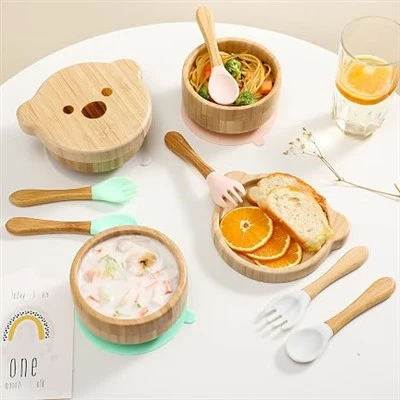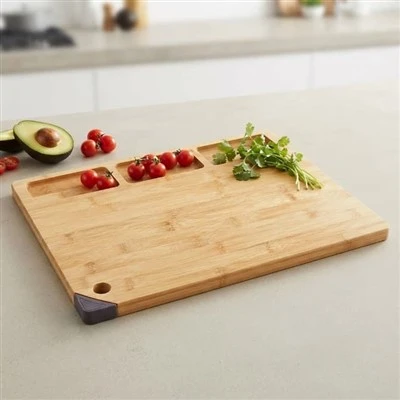








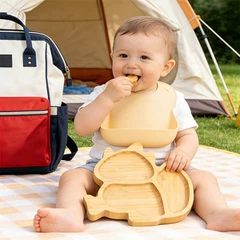

When you visit a physical store or browse online platforms, you'll find bamboo trays that look similar but vary in price from $10 to over $100. This price difference is not accidental, but stems from fundamental differences in material grade, manufacturing process, quality control, safety certifications, and long-term durability. Many of these differences are not obvious at the time of purchase but often become apparent after a period of use, potentially leading to problems such as cracking, deformation, or safety hazards. Understanding the key differences between high-quality bamboo trays and lower-priced products can help consumers make informed decisions between budget and quality, choosing products that truly stand the test of time, meet their usage needs and quality expectations, and avoid paying a higher long-term cost due to choosing a cheaper option.
What Quality Indicators Should You Look for in Bamboo Trays?
When first encountering bamboo trays, experienced buyers can quickly identify key quality indicators, details that are easily overlooked by novices. Surface finish is one of the most intuitive and important criteria. Gently touching the tray surface in different directions, a high-quality bamboo tray should feel smooth and delicate, without burrs, rough spots, or noticeable unevenness. High-quality bamboo bathroom trays usually undergo multiple fine polishing processes, while lower-priced products often have poorly finished edges or corners, affecting not only the feel but also posing a risk of scratching skin or fabrics.
Weight also reflects the quality of materials and construction. For a common 12×16 inch size, a high-quality bamboo tray typically weighs between 600–800 grams, 【1】feeling substantial but not heavy in the hand. Significantly lighter weight often indicates thin, low-density material and insufficient durability; while unusually heavy products may use excessive glue or low-quality fillers to "mimic" high-density bamboo.

Checking Lamination Process and Structural Details
For bamboo tableware trays and storage products using a laminated structure, the quality of lamination almost determines the lifespan. Focus on checking the edges and corners, observing whether the bamboo strips are tightly fitted without gaps. Even small gaps can indicate insufficient compression or poor quality adhesive, which can easily lead to cracking or delamination later. High-quality products have fine, evenly colored glue lines, while lower-end products often show excess glue and noticeable color differences.
Finally, turning the tray over to inspect the bottom is equally important. Reliable manufacturers will treat all visible and invisible surfaces consistently; the bottom should not have noticeable roughness, unpolished areas, or manufacturing defects. Poorly finished bottoms are often a sign of overall insufficient quality control, and these problems not only affect the appearance but also directly shorten the product's lifespan.

How Can You Identify Safe, Non-Toxic Bamboo Products?
For bamboo trays that come into direct contact with food or are used in children's environments, safety must be the top priority. The most critical risk lies in the adhesives used in the laminated structure. Some low-end products may release formaldehyde, a widely recognized health hazard. Reputable manufacturers mitigate this problem at the source by using low-emission adhesives and conducting third-party testing.
Key Considerations for Formaldehyde Emission Standards
When purchasing, prioritize products certified with E0 or E1 emission grades. 【2】These two European standards limit formaldehyde release to ≤0.5 mg/L and ≤1.5 mg/L, respectively, and require verification by independent laboratories. This effectively ensures that bamboo plates and trays do not continuously release harmful volatile organic compounds during daily use. For the US market, compliance with California Proposition 65 (Prop 65) is also an important safety endorsement, especially for retail and children's product channels.【3】

Additional Assurance for Food Contact Safety
For bamboo food trays, plates, and utensils that come into contact with food, FDA food contact safety certification is an almost indispensable requirement. This certification ensures that the material itself and the surface coating do not transfer harmful substances to food during use. While bamboo naturally possesses food-safe properties, the real risk often comes from the adhesives and surface treatment processes, which must be verified through certification.
It is worth noting that trustworthy manufacturers usually clearly indicate relevant certification information on product documentation, test reports, or packaging. If a bamboo tray claiming to be suitable for food or children's use lacks any authoritative safety certification, buyers should be highly vigilant and consider it a potentially risky product.
| Certification | What It Means | Why It Matters | Priority Level |
|---|---|---|---|
| E0/E1 Emission Standard | Formaldehyde ≤0.5/1.5 mg/L | Protects indoor air quality, prevents VOC exposure | Essential for all products |
| FDA Food Contact Approval | Safe for direct food contact | No harmful chemical migration into food | Critical for serving/dining items |
| FSC Certification | Sustainably sourced bamboo | Environmental responsibility verified | Important for eco-conscious buyers |
| LFGB (German Food Law) | Stringent European food safety | Higher standards than basic FDA | Premium quality indicator |
| ISO 9001 | Quality management system | Consistent manufacturing standards | Indicates serious manufacturer |
What Are the Key Design Features That Enhance Functionality?
Beyond the materials themselves and safety certifications, what truly distinguishes high-quality, functional bamboo trays from ordinary products is a series of design details guided by practical use scenarios. These designs are not merely decorative, but represent a systematic consideration of stability, comfort, and durability.
Handle Design and Ergonomics
The handle directly determines the user experience of the tray, yet it is often underestimated. The handles of high-quality bamboo trays should be integrally molded with the main body or seamlessly integrated, not added later. Hollowed-out handles should have rounded edges without sharp corners, ensuring comfort even during prolonged use; burrs or sharp edges usually indicate insufficient processing. Raised handles should be securely fixed; a light press or shake can reveal any looseness, which foreshadows structural risks during future use.
Size is also crucial. The handle opening needs to be large enough for smooth operation even with wet hands or while wearing oven mitts. 【4】A practical standard is typically a width of at least 3–4 inches and a height of approximately 1.5 inches. Furthermore, bamboo bathtub trays with features like wine glass slots, book rests, or electronic device holders demonstrate a clear scenario-based design approach, rather than simply pursuing aesthetic differences.

Edge Treatment and Structural Details
Edges and corners are the areas that best reveal the quality of manufacturing. High-quality bamboo trays should have even, smooth edge transitions and consistent texture, often indicating multiple sanding and fine finishing processes. Lower-end products often have sharp corners, irregular rounded edges, or rough surface connections, which not only affect the feel but also increase the risk of bumps and cracks.
The corner areas are particularly critical-they bear concentrated stress during handling and weight-bearing. A well-structured tray will show a continuous, tight laminated structure at the corners to enhance strength; conversely, gaps, excess glue, or obvious repair marks usually indicate insufficient pressing or processing quality, making them more prone to failure during long-term use.

How Does Finish Quality Affect Performance and Longevity?
The surface treatment directly determines the resistance of bamboo trays to moisture, stains, and wear during long-term use. Understanding the characteristics of different surface treatments helps buyers make more suitable choices based on their usage scenarios and maintenance preferences.
Common Surface Treatment Types and Differences
Natural oil-based coatings penetrate the bamboo fibers, enhancing the texture, preserving the natural feel, and providing basic moisture resistance. This type of treatment is easy to repair locally, but its durability is limited. It is suitable for users who value natural texture and are willing to perform regular maintenance. Bamboo storage trays used in the kitchen or frequently used typically require re-oiling every 2–3 months to maintain their protective effect.
Film-forming coatings (such as polyurethane, varnish, or specialized bamboo sealants) form a continuous protective layer on the surface, significantly improving water resistance, stain resistance, and wear resistance. Modern water-based polyurethanes, while meeting food safety standards, provide more durable protection and are ideal for bamboo trays and tableware. These coatings require less frequent maintenance, but if damaged, repair is more difficult and costly.

How to Judge Coating Quality Before Purchasing
When purchasing in person, gently scratch the surface in an inconspicuous area with your fingernail. A high-quality coating should not easily show scratches, nor should it appear cloudy or lose its shine; a low-quality coating may show wear immediately. Then, observe the surface from different angles under sufficient light. A high-quality product should exhibit uniform gloss and color, without sagging, bubbles, or noticeably thin areas.
For online purchases, focus on high-resolution detail images and real user reviews, paying particular attention to feedback after a period of use. If reviews frequently mention "easy to chip," "stains easily," or "surface wears quickly," even if the price is attractive, it often means the surface treatment is substandard, and the long-term experience will likely be unsatisfactory.

What Price Range Indicates Quality Bamboo Trays?
The price and quality of bamboo products are not entirely proportional, but certain price ranges do correspond to unavoidable quality limitations. When the price falls below a certain level, manufacturers often have to compromise on materials, craftsmanship, or safety. Understanding this relationship between price and quality helps consumers set reasonable expectations and avoid products that are unusually cheap and may have safety or durability issues.
Economy (US$10–20)
Bamboo trays in this price range are typically basic models suitable only for light, infrequent use. They have thin structures, simple designs, limited functionality, and often use basic oil-based coatings, requiring frequent maintenance. Safety and environmental certifications are also relatively limited.
These products are suitable for short-term use, rental properties, or consumers who are comfortable with a 2–3 year replacement cycle. However, excessive formaldehyde emissions and insufficient coating durability are common problems in this price range; it's crucial to verify basic safety certifications before purchasing.

Mid-Range (US$20–45)
This is the best value-for-money range for most consumers. Bamboo bathroom trays, serving trays, and storage items in this price range typically feature more stable laminated structures, food-grade surface coatings, and reasonable and verifiable certification standards (minimum E1, commonly E0).
In terms of design and details, these products are significantly superior to entry-level products. With normal use and proper maintenance, they can last 5–8 years. This price range is the most competitive, and it's where professional manufacturers who prioritize quality and reputation are most concentrated.

High-End (US$45–100 and above)
The premium price of high-end bamboo trays comes from several factors: more mature, higher-density bamboo materials, finer hand-finishing, more complex or customized functional designs, and a more comprehensive certification system (such as FSC, LFGB, and some organic or environmental certifications).
These products are primarily aimed at demanding users, professional use scenarios, or the gift market. In these contexts, the appearance, texture, attention to detail, and long-term stability justify the price. With proper use and maintenance, high-end bamboo trays can last 10–15 years or more, making them a true long-term investment.

How Important Are Brand Reputation and Customer Reviews?
In a bamboo product market flooded with numerous generic manufacturers and private labels, brand reputation itself serves as a crucial indicator of quality. Brands with a long operating history need to continuously maintain their market reputation, and therefore have a greater incentive to maintain consistent standards in material selection, manufacturing processes, and quality control. In contrast, anonymous sellers or short-term brands often lack this constraint, and their product quality is more prone to fluctuations.
How to Effectively Interpret Online Reviews
Consumer reviews can reflect the performance of bamboo trays in real-world usage, but only if they are properly filtered and interpreted. Prioritize reviews that describe specific usage scenarios and timeframes, such as "delamination occurred after three months of use" or "the surface coating started peeling off quickly." Such feedback, whether positive or negative, is more valuable than simple "very useful" or "very disappointed" comments.
The number of reviews is also crucial. Products with hundreds of reviews provide more statistically significant overall feedback; products with only a few reviews are often insufficient to represent long-term or general user experience. Be especially wary of recurring negative descriptions – if multiple reviews mention deformation, coating failure, or safety issues, even if the price is attractive, you should choose with caution.

Particularly important are user-submitted photos showing the product's condition after extended use. Photos documenting bamboo bathtub trays or serving trays after several months of use can visually reflect surface durability, coating stability, and overall structural reliability, and their reference value far exceeds official product images.
What Questions Should You Ask Before Purchasing?
After understanding the basic evaluation criteria, buyers should verify the key attributes of bamboo trays before placing an order, especially in online purchasing scenarios where physical inspection is not possible. Systematic pre-purchase verification can significantly reduce quality and compliance risks.
Key Pre-Purchase Verification Points
First, directly confirm the product's compliance and safety certifications. Ask specifically: "Does it have E0 or E1 formaldehyde emission certification?" If it involves food or kitchen use, further confirm whether it has FDA food contact certification. For sellers with unclear certification information, request relevant test documents or certificate copies. Reputable manufacturers usually truthfully disclose the type of adhesive used in the lamination process, while evasive or vague answers are often a potential risk signal.
Secondly, understand the return and exchange policy in advance. Even high-quality bamboo trays may be damaged or defective during transportation; a clear and reasonable return mechanism is essential. Overly strict or unreasonable return terms often mean the seller wants to shift quality risks to the buyer.
For customized orders or bulk purchases, requesting samples before placing a formal order is crucial. Reputable suppliers are usually willing to provide samples (possibly for a reasonable fee) so that buyers can evaluate the actual workmanship, surface treatment, and structural quality. Sample confirmation not only reduces purchasing uncertainty but is also an important step in selecting reliable long-term partners.
Finding Reliable Bamboo Tray Suppliers
Whether furnishing your home, stocking retail inventory, or sourcing for hospitality projects, partnering with established bamboo tray manufacturers ensures quality, safety compliance, and fair pricing. Direct manufacturer relationships eliminate middleman markups while providing access to customization options and expert guidance.
Our manufacturing expertise spans 15+ years producing certified bamboo serving trays, bamboo bath caddies, organizational products, and custom solutions for international markets. We maintain comprehensive quality control, hold relevant safety certifications, and offer competitive factory-direct pricing for both retail and wholesale customers.
Our address
No. 3, Wuyi 3rd Road, Jian'ou City, Nanping City, Fujian Province, 353100
Phone Number
+86-15907191067
sales@szmsl68.com

FAQ
Q: What's the minimum quality I should accept for bamboo trays?
A: At minimum, bamboo trays should display E1 formaldehyde emission certification (E0 preferred), smooth surfaces without splinters, consistent lamination without visible gaps, and uniform finishing on all surfaces including undersides. For food-contact bamboo serving platters, FDA approval is essential. Products lacking these baseline quality indicators risk safety issues, premature failure, or both regardless of attractive pricing. Never compromise on safety certifications even when budget-constrained.
Q: Are expensive bamboo trays really worth the premium price?
A: Premium bamboo bath caddies and serving accessories justify higher prices when superior construction, comprehensive certifications, advanced features, and exceptional finishing meet your needs and budget. For daily-use items or professional applications, premium products' 10-15 year lifespans versus 2-3 years for budget alternatives often deliver better lifetime value. However, mid-range products ($20-45) typically offer optimal value for most consumers, balancing quality and cost effectively without unnecessary premium features.
Q: Can I trust bamboo tray certifications displayed online?
A: Legitimate certifications from recognized organizations (FDA, FSC, LFGB, E0/E1) are verifiable and backed by documentation. Request certification documents or verification numbers for suspicious claims. Reputable bamboo tray manufacturers prominently display authentic certifications and readily provide supporting documentation. Be skeptical of vague claims like "eco-friendly" or "natural" without specific certifications-these may indicate greenwashing rather than verified attributes. When in doubt, research the certifying organization and verify the manufacturer's certification status directly.
References and Technical Notes
[1] Weight specifications based on industry standards for laminated bamboo serving trays of standard dimensions
[2] E0/E1 emission standards defined by European EN 120 formaldehyde testing protocol, representing ≤0.5mg/L and ≤1.5mg/L respectively
[3] California Proposition 65 requirements for products sold in California, regulating exposure to chemicals known to cause health issues
[4] Handle dimension recommendations from ergonomic design principles for comfortable grip and safe handling
Technical Terms Glossary:
Formaldehyde: Volatile organic compound used in some adhesives; health concern requiring regulation and certification
VOC (Volatile Organic Compounds): Carbon-based chemicals that evaporate at room temperature, potentially causing health effects
Lamination: Manufacturing process bonding multiple bamboo strips with adhesives to create solid panels
FSC (Forest Stewardship Council): International certification verifying sustainable forest management practices
FDA (Food and Drug Administration): US agency regulating safety of food-contact materials
LFGB: German Food and Feed Code setting stringent safety standards for food-contact products
E0/E1 Standards: European formaldehyde emission classifications for wood and bamboo products
Delamination: Separation of laminated layers due to adhesive failure or moisture damage
Authoritative Resources and Consumer Protection
Food and Drug Administration - Food Contact Substances: https://www.fda.gov/food/food-ingredients-packaging
Forest Stewardship Council Certification: https://www.fsc.org/
Consumer Product Safety Commission: https://www.cpsc.gov/
Environmental Protection Agency - Safer Choice Program: https://www.epa.gov/saferchoice
California Office of Environmental Health Hazard Assessment (Prop 65): https://oehha.ca.gov/proposition-65
International Organization for Standardization: https://www.iso.org/
Better Business Bureau - Product Reviews: https://www.bbb.org/