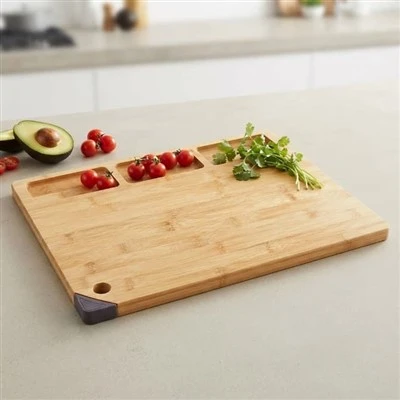




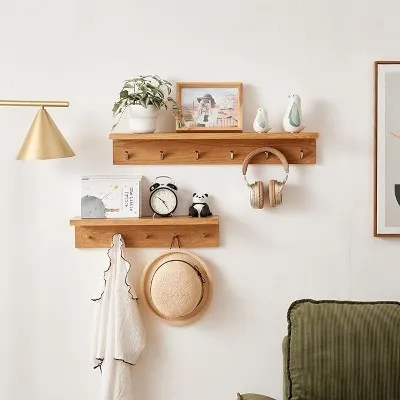


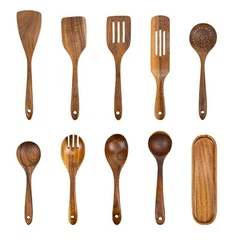
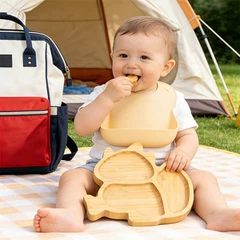

Standing in front of the home goods aisle or browsing online, consumers often face a not-so-simple choice: bamboo trays or traditional wooden trays? This decision is not only about appearance but also directly impacts environmental performance, durability, maintenance costs, and long-term value. While both possess natural beauty and versatility, differences in material properties give them distinct advantages in different usage scenarios. Understanding these key differences can help consumers make a more informed choice, ensuring the tray truly meets their needs, lifestyle, and commitment to sustainability.
What Are the Fundamental Differences Between Bamboo and Wood?
Before comparing the finished products, understanding the fundamental differences between bamboo and traditional wood at the botanical and structural levels helps explain why bamboo trays and wooden trays perform differently across various performance metrics. Although bamboo is similar to wood in appearance and use, scientifically, it belongs to the grass family, not true wood [1]-a difference that has profound implications for strength, durability, and sustainability.
Bamboo's cellular structure consists of longitudinally arranged vascular bundles, with these high-strength fiber bundles embedded in softer parenchyma tissue, making up approximately 40% fiber and 60% parenchyma tissue overall [2]. This structure gives bamboo extremely high tensile strength along the grain while maintaining a low density. In contrast, traditional hardwoods such as oak, maple, and walnut have a more uniform cellular structure, with an interwoven network of fibers providing more balanced multi-directional strength, but also resulting in higher density and weight.
Growth cycle is one of the most significant differences between the two materials. Bamboo used for producing tableware trays and household items typically reaches harvestable maturity within 3–5 years, with some varieties growing as much as 91 centimeters (36 inches) per day during their peak growth period [3]. In contrast, most hardwoods require 20–50 years to reach usable size. This vast difference in growth rate not only directly impacts raw material costs but also gives bamboo a significant advantage in sustainability assessments. This also explains why bamboo products remain competitive in price even though their manufacturing often requires lamination and fine processing.

Density and Hardness Comparison
The Janka Hardness Test [4] is an industry standard for measuring a material's resistance to indentation. It measures the force required to press a 11.28 mm diameter steel ball halfway into the material's surface. Natural bamboo has a Janka hardness of approximately 1380 pounds-force (lbf), while carbonized, darker bamboo is approximately 1180 lbf. For comparison, red oak is approximately 1290 lbf, hard maple is approximately 1450 lbf, and black walnut is approximately 1010 lbf. These data indicate that bamboo trays are comparable to, or even superior to, many common hardwoods in terms of hardness, giving them excellent scratch and dent resistance in everyday use, making them particularly suitable for high-frequency use scenarios such as bamboo cutlery trays and bathroom trays.
However, hardness is not the sole determinant of durability. Bamboo fibers are highly oriented, making them exceptionally strong in the direction of the grain, but relatively more sensitive to perpendicular stress. High-quality bamboo trays typically utilize a multi-layered cross-laminated process to optimize fiber orientation, significantly enhancing structural stability, especially in load-bearing areas, thereby effectively compensating for this material limitation.
How Do Environmental Impacts Compare Between Bamboo and Wood Trays?
As environmental factors increasingly influence consumer decisions, more consumers are opting for products that effectively reduce their ecological footprint. A comparison of the sustainability of bamboo trays and traditional wooden trays reveals that the differences extend far beyond simply "whether or not they are renewable," encompassing aspects such as carbon sequestration efficiency, growth cycles, and resource utilization methods.
Carbon Sequestration Capacity and Climate Impact
Bamboo forests absorb significantly more carbon dioxide than hardwood forests of the same land area. Studies show that bamboo forests can absorb approximately 12 tons of carbon dioxide per hectare per year, while mixed hardwood forests typically absorb 8–9 tons, a difference of about 35% [5]. This means that bamboo tableware and related products have a more significant climate advantage at the source stage of their life cycle.
At the same time, bamboo releases about 35% more oxygen during growth than most hardwoods, further enhancing its overall ecological value beyond carbon capture. This highly efficient photosynthesis makes bamboo forests a raw material source that combines productivity and environmental benefits in the context of climate change.

Growth Cycle and Resource Regeneration Model
Bamboo's rapid growth and regenerative capacity further amplify these advantages. Bamboo forests used to manufacture bamboo trays do not require replanting; after harvesting, they naturally regenerate from the existing root system and reach harvestable maturity again within 3–5 years. Mature bamboo culms are selectively harvested, while new shoots continue to grow, maintaining the forest canopy and ecosystem functions throughout the cycle. This "continuous harvesting without deforestation" model means that commercial utilization of bamboo involves virtually no forest degradation.
In contrast, even traditionally managed hardwood forests typically require a 20–50 year rotation cycle. While well-managed hardwood forests also provide carbon storage and ecosystem services, each tree can only contribute raw material value once within a generation during its long growth cycle.

Certification Systems and Sustainability Conclusions
Forest Stewardship Council (FSC) certification [6] provides a unified standard for the responsible sourcing of both bamboo and hardwood, ensuring that raw materials meet environmental and social standards. However, in terms of biological growth characteristics and resource utilization efficiency, bamboo still demonstrates greater sustainable potential in most household tray applications.
| Environmental Factor | Bamboo Trays | Hardwood Trays | Winner | Significance |
|---|---|---|---|---|
| Growth to harvest | 3-5 years | 20-50 years | Bamboo | Faster renewable resource cycling |
| Carbon sequestration rate | 12 tons CO₂/hectare/year | 8-9 tons CO₂/hectare/year | Bamboo | Enhanced climate change mitigation |
| Replanting required | No (regenerates naturally) | Yes | Bamboo | Reduced soil disturbance, labor |
| Pesticide/fertilizer needs | Minimal to none | Often required | Bamboo | Lower chemical environmental impact |
| Biodegradability | 1-3 years | 1-4 years | Comparable | Both decompose naturally |
| Manufacturing energy | Moderate (lamination process) | Low to moderate | Context-dependent | Varies by product complexity |
What About Durability and Longevity in Real-World Use?
Practical Durability: Bamboo Trays vs. Wooden Trays
While theoretical material properties are important, performance in years of daily use often provides a more accurate measure of value. The durability of bamboo and wooden trays depends primarily on their specific use, maintenance, and manufacturing quality.
Moisture Resistance and Bathroom Applications
Bamboo bathtub trays exhibit a natural advantage in humid environments. Bamboo contains approximately 1-2% silica, [8] giving it superior natural water resistance compared to most hardwoods. With a waterproof coating, bamboo trays absorb less water than oak, maple, or walnut, reducing warping, swelling, and dimensional changes. Field studies show that properly maintained bamboo bathroom trays can last 8-12 years, while hardwood products typically last only 5-8 years. [9] This advantage stems from its longitudinal vascular bundle structure, which limits lateral moisture movement, the primary cause of warping in traditional wood. However, this advantage relies on proper surface treatment and regular maintenance; untreated bamboo is equally susceptible to moisture damage and deformation.

Kitchen Durability and Stain Resistance
Independent laboratory tests show that bamboo trays maintain structural integrity after simulating over 10 years of household use, comparable to high-quality hardwood products. [10] Failure modes differ between materials: bamboo primarily shows surface cracking or delamination along the lamination lines, while solid wood cracks along the grain or separates at the joints.
In practical applications, proper manufacturing processes and maintenance often determine durability more than the material itself. For buyers, choosing high-quality bamboo trays and providing appropriate care can result in long-term performance comparable to, or even better than, high-quality hardwoods.

How Do Maintenance Requirements Compare?
The long-term performance of bamboo and wooden trays depends not only on the materials themselves but also on daily care. Both share similar basic care principles-avoiding prolonged soaking, using gentle cleaning methods, and regular maintenance-but subtle differences affect user experience and maintenance frequency.
Cleaning and Disinfection
1. Hand washing is recommended: Neither bamboo nor wooden trays are suitable for dishwashers; they should be hand-washed with mild soap and dried immediately.
2. Antibacterial advantages: Bamboo is naturally antibacterial, with approximately 99.8% fewer bacteria on its surface after standard cleaning compared to polyethylene cutting boards, and less than untreated hardwoods [11]. This makes bamboo food trays more attractive in food safety and health-conscious markets.
3. Surface cleanability: Laminated bamboo is smooth and relatively non-porous, making it easier to clean; coarse-grained hardwoods (such as oak, ash, and hickory) can harbor residue, while fine-grained hardwoods (maple, cherry) are nearly as easy to clean as bamboo.

Maintenance and Surface Protection
Regular oiling: Both materials require regular maintenance with food-grade mineral oil to maintain a moisture barrier and prevent drying.
1. Maintenance frequency: Bamboo has naturally lower oil content, so it is recommended to oil it every 2-3 months; hardwoods with higher oil content (such as teak and walnut) can be oiled every 3-4 months.
2. Surface durability: With a high-quality protective coating (food-grade polyurethane, natural oil, or specialized bamboo coating), the surface durability of bamboo and wooden trays is similar. Service life depends more on the quality and application of the coating than on the base material itself.
Click here to learn how to care for your bamboo tray.
Which Material Offers Better Value for Different Applications?
The pricing of bamboo and wooden trays presents a complex value structure, influenced by product category, quality level, and regional market. Understanding these price dynamics helps buyers and consumers make informed choices based on their budget and usage needs.
Entry-Level Products
Bamboo trays are typically 15%–30% cheaper than comparable hardwood products, thanks to bamboo's rapid growth, lower raw material costs, and efficient factory production.
Example: A basic 12"x16" bamboo tray retails for $15–25; a similar-sized maple or oak tray sells for $25–40.
This price advantage makes bamboo trays more attractive in scenarios with limited budgets or when bulk purchases are required.
Mid-to-High-End Products
High-quality bamboo bathtub trays (extended size, with phone holder and wine glass slot) retail for $35–55, comparable to high-end hardwood trays ($40–65).
In this price range, material choice depends more on aesthetic preferences, sustainability considerations, and specific performance requirements, rather than simply cost differences.

| Application Category | Bamboo Price Range | Wood Price Range | Best Choice | Reasoning |
|---|---|---|---|---|
| Basic serving trays | $15-25 | $25-40 | Bamboo | Cost advantage, adequate performance |
| Bath caddies | $35-55 | $40-65 | Bamboo | Superior moisture resistance |
| Decorative display | $20-45 | $30-80 | Preference | Aesthetic choice dominates |
| Heavy-duty serving | $30-60 | $35-70 | Wood (exotic hardwoods) | Maximum weight capacity |
| Kitchen organizers | $12-28 | $18-35 | Bamboo | Hygiene, durability, value |
Value Analysis Based on Lifespan
Product value is not only reflected in the initial purchase price but also in its lifespan and replacement frequency. Assuming proper maintenance:
Bamboo trays: Average price of approximately $20, lasting 10–15 years, resulting in low long-term costs and high cost-effectiveness.
Entry-level wooden trays: Priced at approximately $15, but with a lifespan of only 5–7 years, requiring frequent replacements and increasing overall costs.
High-quality hardwood trays: Priced at $50–80, lasting over 20 years, representing a higher initial investment but significant long-term value.
What About Aesthetics and Design Versatility?
Bamboo Trays
Color and Texture: Natural bamboo is light beige in color with a uniform and fine texture, naturally accented by bamboo nodes. It is suitable for minimalist, Scandinavian, coastal, and modern designs. Carbonized bamboo is caramel brown, making it easier to integrate into traditional or transitional styles.
Design Flexibility: Laminated bamboo allows for complex curves, integrated handles, and varying thicknesses through the arrangement and bonding of bamboo strips, making it suitable for the development of modern, practical products.

Wooden Trays
Color and Texture: Offers a wide range of options, from light-colored maple and ash to dark walnut and purpleheart, making it easy to match interior decor or create visual contrast.
Design Flexibility: Suitable for fine carving, mortise and tenon joinery, or handcrafted artistic processing, showcasing unique craftsmanship and aesthetic appeal, especially suitable for high-end custom or decorative trays.

How Do Health and Safety Considerations Compare?
Bamboo Trays
Natural Antimicrobial Properties: Bamboo contains bamboo quinone, which has natural antibacterial properties, [12] inhibiting bacterial growth and making bamboo food trays, cutting boards, and utensil storage boxes more hygienic for everyday use.
Chemical Exposure: Modern laminated bamboo products use environmentally friendly adhesives that meet E0/E1 standards, [13] significantly reducing formaldehyde release. Food contact surfaces typically use FDA-approved mineral oil or food-grade bamboo oil coatings to ensure safety.
Wooden Trays
Natural Antimicrobial Properties: Some hardwoods (teak, cedar, oak) contain natural antimicrobial compounds, but most common hardwoods (maple, cherry, walnut) rely on coatings and cleaning maintenance to ensure hygiene.
Chemical Exposure: Similar to bamboo trays, food contact surfaces must use food-grade coatings (mineral oil, walnut oil, or water-based polyurethane) to avoid health risks.
Making the Right Choice for Your Specific Needs
The "better" material depends entirely on specific applications, priorities, and circumstances. Bamboo trays excel for moisture-exposed applications (bathroom accessories), budget-conscious purchases without sacrificing quality, sustainability-focused consumers, and minimalist aesthetic preferences. Wooden trays shine when specific color matching proves essential, maximum load capacity matters (exotic hardwoods' superior strength), traditional or rustic aesthetics align with décor, or showcasing premium craftsmanship justifies investment.
Many households benefit from both materials in different applications-bamboo bath caddy trays for bathrooms, walnut serving boards for formal entertaining, bamboo organizers for daily kitchen use, and decorative wooden trays for styling. This mixed approach optimizes each material's strengths while avoiding compromise.
Source Quality Bamboo and Wooden Trays
Whether you've decided on bamboo trays, wooden alternatives, or a combination approach, sourcing from reputable manufacturers ensures product quality, safety compliance, and fair pricing. Working directly with experienced producers provides access to customization options, bulk pricing, and expert guidance for commercial buyers or discerning consumers.
Our manufacturing expertise spans over 15 years producing premium bamboo serving trays, bamboo bath caddies, bamboo kitchen organizers, and custom solutions for international retail, hospitality, and wholesale clients, with comprehensive quality control and competitive factory-direct pricing.
Our address
No. 3, Wuyi 3rd Road, Jian'ou City, Nanping City, Fujian Province, 353100
Phone Number
+86 18926524157
sales03@szmsl68.com

FAQ
Q: Are bamboo trays stronger than wood trays?
A: Bamboo trays offer comparable or superior strength to most common hardwoods along grain direction. Bamboo's tensile strength exceeds steel pound-for-pound, while its Janka hardness (approximately 1,380 lbf for natural bamboo) compares favorably to oak (1,290 lbf) and walnut (1,010 lbf). However, exotic hardwoods like hickory (1,820 lbf) or Brazilian walnut (3,680 lbf) surpass bamboo in raw hardness. For typical household applications, bamboo serving trays and organizers provide more than adequate strength with advantages in moisture resistance and sustainability.
Q: Do bamboo trays require more maintenance than wooden trays?
A: Maintenance requirements for bamboo trays and wooden alternatives are remarkably similar-both prohibit dishwashers, require hand washing with mild soap, need immediate drying after cleaning, and benefit from periodic conditioning with food-grade mineral oil. Bamboo may require slightly more frequent conditioning (every 2-3 months versus 3-4 months for oily woods) due to lower natural oil content, but this minor difference rarely impacts user experience significantly. Both materials reward minimal care with decades of service.
Q: Which is more environmentally friendly: bamboo or wood trays?
A: Bamboo trays generally offer superior environmental profiles compared to conventional hardwood products. Bamboo reaches harvest maturity in 3-5 years versus 20-50 years for hardwoods, regenerates without replanting, requires no pesticides or fertilizers, and absorbs 35% more carbon dioxide than equivalent hardwood forests. However, sustainably managed hardwood forests certified by FSC also provide legitimate environmental benefits. The manufacturing process matters equally-locally produced wooden trays may have smaller carbon footprints than bamboo products shipped internationally. For most consumers prioritizing sustainability, bamboo bath caddies and serving accessories represent the more eco-conscious choice.
References and Technical Notes
[1] Bamboo botanical classification from International Network for Bamboo and Rattan (INBAR) taxonomic database
[2] Cellular composition analysis from peer-reviewed research in Wood Science and Technology journal
[3] Growth rate records documented by Guinness World Records and botanical research institutions
[4] Janka hardness scale methodology defined by ASTM D1037 standard testing procedures
[5] Carbon sequestration comparative data from studies published in Global Change Biology journal
[6] Forest Stewardship Council certification standards for sustainable forest management practices
[7] E0-grade adhesive emission standards defined by European EN 120 formaldehyde testing protocol
[8] Silica content measurements from chemical composition analysis in Industrial Crops and Products journal
[9] Durability field study data from consumer product longevity research tracking bathroom accessories
[10] Independent laboratory testing results from accelerated aging protocols simulating long-term use
[11] Antimicrobial efficacy research published in Journal of Applied Microbiology comparing surface materials
[12] Bamboo kun antimicrobial properties documented in peer-reviewed microbiological research
[13] E0/E1 emission standards represent formaldehyde levels ≤0.5mg/L and ≤1.5mg/L respectively per European standards
Technical Terms Glossary:
Vascular bundles: Longitudinal fiber structures in bamboo containing conductive tissues for water and nutrient transport
Parenchyma: Soft tissue filling spaces between vascular bundles in bamboo's cellular structure
Janka hardness: Standardized measurement of wood/bamboo hardness using force required for steel ball penetration
Tensile strength: Material's resistance to breaking under tension or pulling forces
Carbon sequestration: Process of capturing and storing atmospheric carbon dioxide in plant biomass
Lamination: Manufacturing technique bonding multiple thin layers to create thicker composite material
Formaldehyde: Volatile organic compound historically used in adhesives, now restricted due to health concerns
Bamboo kun: Natural antimicrobial agent found in bamboo providing bacterial resistance
Authoritative Resources for Further Research
International Network for Bamboo and Rattan (INBAR): https://www.inbar.int/
Forest Stewardship Council Certification: https://www.fsc.org/
US Forest Products Laboratory Research: https://www.frs.fs.usda.gov/
ASTM International Testing Standards: https://www.astm.org/
Food and Drug Administration - Food Contact Materials: https://www.fda.gov/food
Environmental Protection Agency - Sustainable Materials: https://www.epa.gov/
Wood Database - Species Comparisons: https://www.wood-database.com/