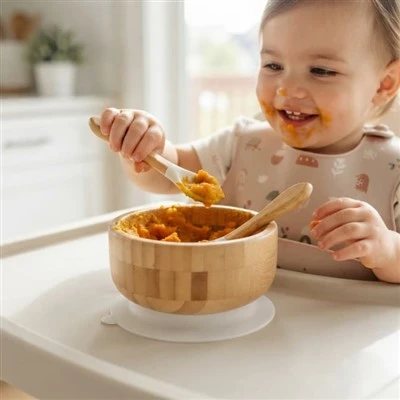




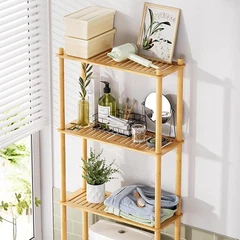
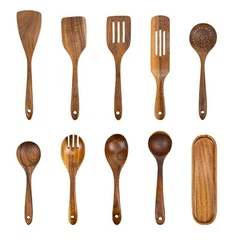


The lifespan of a bamboo tray doesn't solely depend on its purchase price or initial quality; the key factor is proper maintenance. Even high-quality bamboo trays can deform or crack within months if they are constantly exposed to moisture or lack regular maintenance. Conversely, a moderately priced product, with proper care, can remain in good condition for many years.
This guide will systematically introduce proven methods for maintaining bamboo products, helping you preserve the appearance, structural integrity, and functionality of your bamboo trays in various usage scenarios. Whether it's a bamboo bathroom shelf in a humid environment or a frequently used bamboo serving tray, mastering these core maintenance principles will significantly extend the product's lifespan. With proper care, bamboo trays can become durable household items worth investing in, rather than just short-lived decorative pieces.
Why Does Proper Care Matter for Bamboo Trays?
Bamboo's unique internal structure, while providing excellent strength and toughness, also makes it highly sensitive to its environment and maintenance methods. Unlike traditional hardwoods with dense, uniform grain, bamboo is composed of numerous vascular bundles embedded in parenchyma tissue. This structure, while enhancing toughness, also creates natural "water channels"-once the surface protective layer is damaged, moisture is rapidly absorbed.
Studies show that unprotected bamboo can absorb up to approximately 12% of its own weight in water. This means that if bamboo trays are exposed to humid environments for extended periods without proper maintenance, their aging and performance degradation will accelerate significantly.
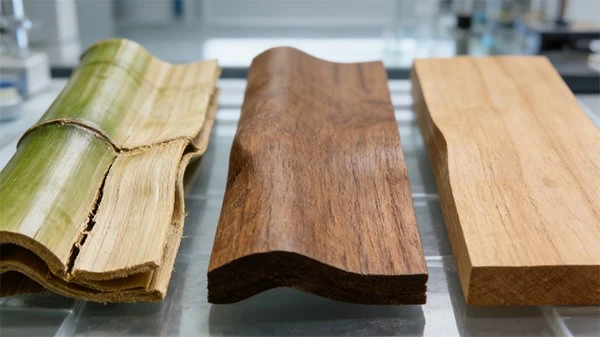
Even after basic processing, residual natural sugars and starches in the bamboo can still attract insects and fungi. In high-humidity environments, inadequately protected bamboo products may develop mold, odors, or structural softening within 2–3 weeks. Proper maintenance measures can create a stable barrier on the bamboo surface, effectively blocking these biological risks while maintaining the appearance quality of bamboo bathroom trays and kitchen accessories.
Temperature changes are also a significant factor affecting the lifespan of bamboo products. Compared to oak or maple, bamboo expands and contracts approximately 30% more under temperature fluctuations. Without consistent maintenance, this repeated change creates stress within the material, leading to warping, delamination, or surface cracking.
Understanding these material characteristics and implementing targeted maintenance methods can significantly extend the practical lifespan of bamboo trays from the common 2–3 years to 10–15 years or even longer, making them truly reliable long-term household items.
What Are the Daily Care Essentials for Bamboo Trays?
Routine maintenance may seem simple, but it plays a crucial role in the long-term condition of bamboo trays. The core principle of all daily care is simple: minimize the time moisture remains on the surface and promptly remove any residue that could damage the protective layer, thus preventing moisture from penetrating the internal structure of the bamboo.
Clean Immediately After Use
For bamboo serving trays and other trays that come into contact with food, cleaning immediately after use is the most important daily maintenance step. Food residue, especially those containing acidic components (such as citrus juice, vinegar-based sauces, and tomato products), sugar, or grease, can begin to weaken the surface coating within 30–60 minutes of contact. Once the protective layer is damaged, stains and moisture can more easily penetrate the bamboo, causing long-term problems.
The ideal cleaning method is to use warm water at 35–40°C with a mild, pH-neutral detergent. Water that is too hot will soften the natural lignin in the bamboo and weaken the adhesive strength in the laminated structure; water that is too cold will not effectively dissolve grease. Use a soft cloth or non-abrasive sponge for cleaning, avoiding steel wool or rough cleaning pads, which can leave fine scratches on the surface, creating pathways for moisture and bacteria to penetrate.

Drying is Equally Crucial
After cleaning, the bamboo tray should be thoroughly dried immediately with a clean, absorbent towel, rather than air-dried. If moisture remains in the corners, around the handles, or along the edges of the tray for extended periods, it will significantly accelerate the water absorption and aging process of the bamboo. For products frequently used in humid environments (such as bamboo bathroom trays), it is recommended to use a lint-free microfiber towel, which is significantly more absorbent than ordinary cotton towels.

Common Mistakes to Avoid
Some seemingly harmless cleaning habits can actually cause long-term and irreversible damage to bamboo trays. Never soak bamboo products in water for extended periods-even 10–15 minutes is enough for a significant amount of moisture to penetrate the laminated structure through the glued seams. Therefore, bamboo cutlery storage boxes and trays are not suitable for the common "soaking" cleaning method.
Using a dishwasher is one of the most common and destructive mistakes. The continuous high temperatures, highly alkaline detergents, and strong water flow inside a dishwasher can accelerate the aging of surface coatings, the failure of adhesive layers, and structural deformation. One dishwasher cycle can be equivalent to 3–6 months of natural wear and tear under hand-washing conditions; repeated washing can easily lead to serious damage such as delamination and cracking.
Furthermore, avoid placing hot cookware directly on bamboo trays. Although bamboo has some resistance to high temperatures, sudden thermal shock can create stress concentrations within the material. Over time, this can lead to the propagation of microcracks, ultimately resulting in warping or cracking. Using a heat-resistant mat is a simple and effective preventive measure.

How Should You Deep Clean and Sanitize Bamboo Trays?
In addition to daily cleaning, regular deep cleaning helps remove accumulated residue and is also an important opportunity to check the overall condition of bamboo trays, allowing you to identify and address problems before they develop into irreversible damage. The professional recommendation is: for frequently used bamboo trays, deep cleaning every three months is ideal, and the frequency can be adjusted appropriately based on usage intensity and environmental humidity.
Natural and Safe Deep Cleaning Method
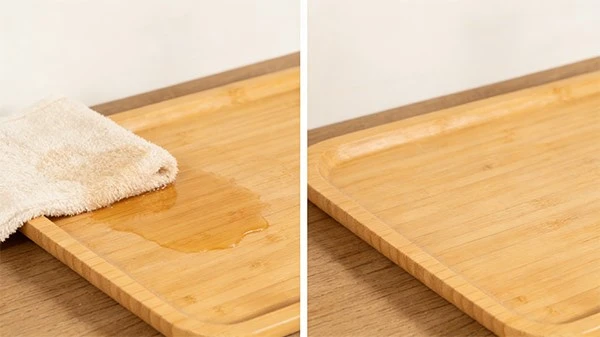
Diluting white vinegar with water in a 1:3 ratio creates an effective and food-safe cleaning solution suitable for bamboo kitchen storage racks, plates, and trays. The approximately 5% acetic acid content in household white vinegar effectively breaks down grease and stubborn residue while also providing a gentle antibacterial effect.
Dip a soft cloth into the solution and gently wipe the surface along the bamboo grain, then rinse thoroughly with clean water and dry immediately. It's important to note that the vinegar solution should not remain on the bamboo surface for more than 2-3 minutes to avoid long-term acidic contact affecting the gloss and stability of the surface coating.
Dealing with Stubborn Stains and Odors
For difficult-to-remove stains or odors, a paste can be made by mixing baking soda and water in a 3:1 ratio. This method is gentle and will not scratch the bamboo surface, making it particularly suitable for treating tea stains and tannin deposits on bamboo tea trays, or soap scum on bamboo bathroom shelves.
Apply the paste to the affected area, gently rub in a circular motion, then rinse thoroughly and dry completely, avoiding any remaining moisture.

| Cleaning Challenge | Recommended Solution | Application Method | Frequency | Safety Notes |
|---|---|---|---|---|
| Daily food residue | Mild dish soap + lukewarm water | Soft cloth, immediate wipe | After each use | Dry thoroughly |
| Grease buildup | White vinegar solution (1:3) | Apply, wait 2 min, rinse | Monthly | Rinse completely |
| Stains or odors | Baking soda paste | Gentle circular motion | As needed | Avoid abrasive pressure |
| Sanitization | Hydrogen peroxide 3% | Spray, wait 5 min, rinse | Quarterly | Food-safe concentration |
| Finish restoration | Food-grade mineral oil | Thin coat, 12-hour absorption | Every 3-6 months | Wipe excess thoroughly |
Sanitization Without Damage
For thorough sanitization of bamboo trays used with raw foods or in bathroom settings, hydrogen peroxide at 3% concentration provides effective antimicrobial action without the harsh chemical effects of bleach-based sanitizers. Studies demonstrate that 3% hydrogen peroxide eliminates 99.9% of common bacteria including E. coli and Salmonella within 5 minutes of contact[10]. Spray or wipe the solution across all surfaces, allow the recommended contact time, then rinse with clean water and dry thoroughly.
Avoid chlorine bleach or ammonia-based cleaners, which can lighten bamboo's natural color, degrade protective finishes, and create long-term structural weaknesses. These harsh chemicals also pose environmental concerns during disposal, contradicting the sustainability principles that often motivate bamboo tray purchases initially.
What Conditioning Treatments Extend Bamboo Tray Lifespan?
Even with excellent daily care, bamboo trays gradually lose protective oils and finishes through normal use, exposure to cleaning agents, and environmental factors. Periodic conditioning replenishes these protective elements, maintaining moisture barriers that prevent the absorption, warping, and cracking that characterize neglected bamboo products.
Selecting Appropriate Conditioning Products
Food-grade mineral oil represents the gold standard for conditioning bamboo serving trays, bamboo cutting boards, and any surfaces contacting food. Unlike vegetable oils (olive, canola, coconut) that can turn rancid and develop unpleasant odors over time, mineral oil remains stable indefinitely. Pharmaceutical-grade mineral oil, available at pharmacies for approximately $5-8 per 16-ounce bottle, ensures purity without additives that could affect food safety or bamboo integrity.
For bamboo bathroom trays and decorative items not contacting food, specialized bamboo conditioning oils containing blends of mineral oil, beeswax, and carnauba wax provide enhanced protection. These formulations create more durable moisture barriers particularly beneficial in high-humidity environments. Quality bamboo conditioning products typically cost $12-18 per 8-ounce container, with each bottle sufficient for 20-30 applications on standard-sized trays.

Application Techniques for Maximum Protection
Effective conditioning requires more than simply wiping oil across surfaces. Begin by ensuring bamboo trays are completely clean and thoroughly dry-conditioning over residues or moisture traps contaminants beneath the oil layer, creating conditions for bacterial growth or finish degradation. Apply conditioning oil liberally using lint-free cloths, working with bamboo's grain direction to encourage penetration into cellular structures.
Allow the oil to absorb for 15-20 minutes, then apply a second coat to any areas appearing dry or dull, indicating high absorption capacity. After the absorption period, thoroughly wipe away all surface oil-leaving excess oil creates sticky surfaces that attract dust and may develop rancid odors over time. The bamboo should feel slightly smoother and richer in color, but not oily to touch.
Conditioning frequency depends on usage intensity and environmental exposure. Bamboo cutlery trays in daily use benefit from quarterly conditioning, while decorative bamboo serving platters used monthly may need conditioning only twice annually.
Bamboo bath caddy trays exposed to steam and moisture warrant more frequent attention-every 6-8 weeks maintains optimal protection in these challenging environments.

How Do Environmental Factors Affect Bamboo Tray Maintenance?
Environmental conditions dramatically influence bamboo tray longevity and maintenance requirements. Understanding these relationships allows owners to optimize placement and adjust care routines, preventing problems before they develop.
Humidity Control and Seasonal Adjustments
Relative humidity between 40-60%[11] represents the ideal range for bamboo trays, matching the moisture content equilibrium bamboo achieves during manufacturing. Environments consistently below 30% relative humidity-common in heated homes during winter or arid climates-cause bamboo to lose moisture, leading to shrinkage, cracking, and potential delamination in laminated products. Conversely, humidity consistently above 70% encourages moisture absorption, swelling, and creates conditions favorable for mold growth.
For homes with humidity extremes, strategic placement protects bamboo trays. Avoid positioning bamboo bathroom trays directly adjacent to showers or tubs where they receive constant steam exposure. In kitchens, store bamboo utensil organizers away from dishwashers and range hoods that generate localized humidity or heat. Consider using room humidifiers in winter or dehumidifiers in humid climates to maintain optimal conditions for bamboo products alongside other benefits for health and home preservation.

Sunlight and Temperature Management
Direct sunlight exposure fades bamboo's natural color and accelerates finish degradation through UV radiation. Studies show that unprotected bamboo exposed to direct sunlight for 4-6 hours daily experiences color lightening of 2-3 shades within 6 months[12]. Position bamboo serving trays away from windows receiving intense afternoon sun, or use UV-filtering window films to protect displayed items.
Temperature stability matters equally. Avoid storing bamboo trays near heat sources like radiators, heating vents, or appliances generating significant warmth. Temperature fluctuations exceeding 10°C (18°F) within short periods create expansion-contraction cycles stressing bamboo's cellular structure and adhesive bonds.
What Are the Warning Signs of Bamboo Tray Deterioration?
Early detection of problems can often prevent damage from becoming irreversible. Learning to recognize these early warning signs can transform reactive repairs into proactive maintenance, significantly extending the overall lifespan of bamboo trays.
Visual and Tactile Warning Signs
Surface cracking is one of the most common and easily overlooked signs. If small cracks appear perpendicular to the bamboo grain, it usually indicates that the bamboo is too dry or has lacked proper maintenance for a long time. These cracks may not affect use in the short term, but they mean the bamboo is gradually becoming brittle and requires increased maintenance frequency.
In contrast, cracks along the laminated seams are more concerning, often indicating that the adhesive is beginning to fail. If not addressed promptly, the cracks will continue to widen, eventually requiring professional repair or even replacement.
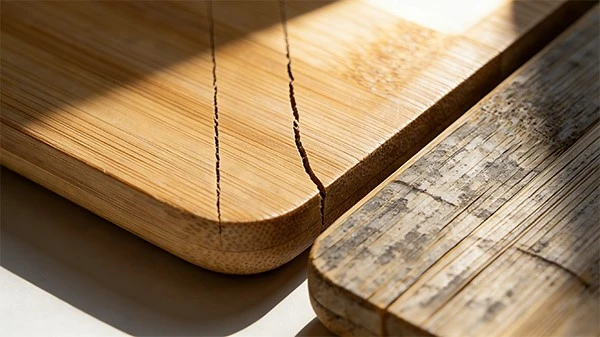
Color changes are also highly indicative
Changes in texture are often a sign of accelerated deterioration. For example, if a previously smooth surface becomes rough, retains a sticky feeling even after thorough cleaning, or if the seams become loose or slightly deformed, it indicates that the bamboo structure is being damaged and requires prompt intervention.
For bamboo trays of high value or sentimental significance, consulting a professional furniture or wood product restorer while the damage is still manageable can often prevent more serious and irreversible damage.

Professional Restoration and When to Replace Bamboo Trays
Despite excellent care, bamboo trays eventually reach the end of their functional lifespan. Understanding when restoration remains viable versus when replacement becomes necessary prevents investing time and resources in salvaging items beyond effective repair.
Professional bamboo restoration can address moderate finish damage, light surface staining, and minor structural issues. Furniture restoration specialists equipped with proper materials can reapply protective finishes, perform limited crack repairs, and restore compromised surfaces to functional condition. Restoration costs typically range from $30-80 depending on item size and damage extent-economically viable only for high-quality or irreplaceable pieces.
However, severe delamination, extensive cracking, persistent mold penetration after professional cleaning, or structural failures indicate bamboo trays have reached replacement time. Attempting to continue using severely compromised bamboo products poses hygiene concerns for food-contact items and safety risks for load-bearing applications like bamboo bed trays or serving platters.
Source Premium Bamboo Trays Built for Longevity
While proper care extends any bamboo tray's lifespan, starting with quality manufacturing provides the foundation for decades of service. Items constructed with superior materials, food-safe finishes, and expert craftsmanship respond better to maintenance and resist deterioration more effectively than budget alternatives.
For businesses seeking reliable bamboo product suppliers or consumers wanting direct access to manufacturer-quality items, partnering with experienced bamboo specialists ensures access to products engineered for longevity.
Our manufacturing team brings over 15 years of bamboo product expertise, producing bamboo serving trays, bamboo bath caddies, bamboo cutlery organizers, and custom bamboo solutions meeting international quality standards with competitive wholesale pricing.
Our address
No. 3, Wuyi 3rd Road, Jian'ou City, Nanping City, Fujian Province, 353100
Phone Number
+86-15907191067
sales@szmsl68.com

FAQ
Q: Can I use cooking oil to condition my bamboo serving tray?
A: It's best to use food-grade mineral oil. Cooking oils such as olive or coconut oil can oxidize and become rancid over time, while mineral oil remains stable and is better suited for bamboo food-contact surfaces.
Q: How can I remove stubborn stains from my bamboo bath caddy?
A: For light stains, use a paste of baking soda and water with a soft cloth. For hard-water mineral deposits, diluted white vinegar can help loosen buildup. Rinse thoroughly and dry immediately. Avoid abrasive pads and harsh cleaners that may damage the finish.
Q: Is it normal for my bamboo cutlery tray to develop small cracks?
A: Fine surface cracks can occur when bamboo becomes too dry or is exposed to changes in humidity. Regular conditioning can help reduce the risk. However, cracks along glue lines or deep splits that continue to spread may indicate a structural problem and should be inspected or replaced.
Q: How long should properly cared-for bamboo trays last?
A: A quality bamboo tray can last many years with proper care. Actual lifespan depends on the bamboo quality, construction, finish, frequency of use, and exposure to moisture. Regular cleaning, thorough drying, and occasional oiling can help extend its service life.
References and Technical Notes
[1] Bamboo cellular structure detailed in research from the Journal of Forestry Research, documenting vascular bundle arrangement in bamboo species
[2] Water absorption capacity measured in studies published by the International Network for Bamboo and Rattan (INBAR) using standardized moisture testing protocols
[3] Fungal colonization timeline from research in International Biodeterioration & Biodegradation journal examining untreated bamboo exposure to moisture
[4] Thermal expansion coefficient comparisons from Wood Science and Technology journal comparing bamboo to common hardwoods
[5] Acid degradation rates of bamboo finishes studied in research published by the Forest Products Laboratory, US Department of Agriculture
[6] Lignin softening temperatures documented in Biomass and Bioenergy journal research on bamboo thermal properties
[7] Dishwasher detergent pH levels from consumer product testing data published by independent testing laboratories
[8] Bamboo thermal degradation threshold from research in Journal of Thermal Analysis and Calorimetry
[9] Household vinegar acetic acid concentration standardized by FDA regulations for food products
[10] Hydrogen peroxide antimicrobial efficacy documented in Journal of Hospital Infection testing against common pathogens
[11] Optimal humidity range for wood and bamboo products established by museum conservation standards from Smithsonian Institution
[12] UV degradation effects on bamboo from research in Construction and Building Materials journal documenting color changes under controlled sun exposure
Technical Terms Glossary:
Vascular bundles: Tube-like structures in bamboo containing xylem and phloem tissues for water and nutrient transport
Parenchyma tissue: Soft, living cells filling spaces between vascular bundles in bamboo's structure
Lignin: Natural polymer providing rigidity and strength to plant cell walls, particularly abundant in bamboo
Delamination: Separation of laminated layers due to adhesive failure, often from moisture or thermal stress
Checking: Fine surface cracks in wood or bamboo caused by differential shrinkage during moisture loss
Carbonized bamboo: Bamboo heat-treated to achieve darker color and increased surface hardness
Mineral oil (food-grade): Highly refined petroleum-derived oil safe for food contact, used for conditioning bamboo
Authoritative Resources and Care Guidelines
International Network for Bamboo and Rattan: https://www.inbar.int/
US Forest Products Laboratory - Wood and Bamboo Care: https://www.frs.fs.usda.gov/
Smithsonian Museum Conservation Institute: https://www.si.edu/mci
Food and Drug Administration - Food Contact Substances: https://www.fda.gov/food
American Cleaning Institute - Cleaning Product Safety: https://www.cleaninginstitute.org/
US Environmental Protection Agency - Safer Choice: https://www.epa.gov/saferchoice
National Wood Flooring Association - Care Guidelines: https://www.nwfa.org/