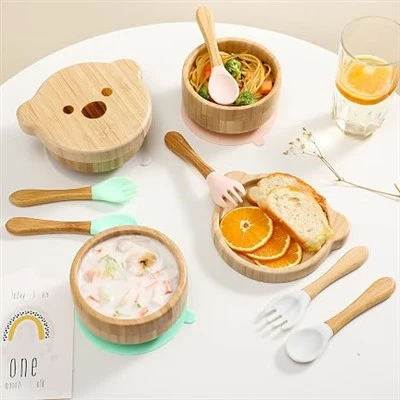

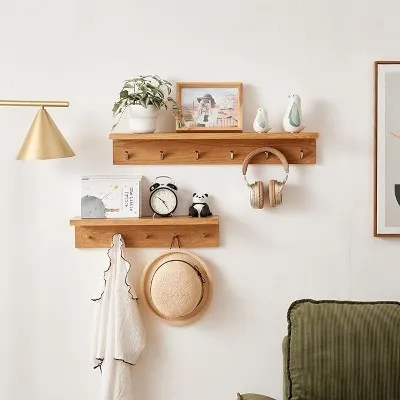


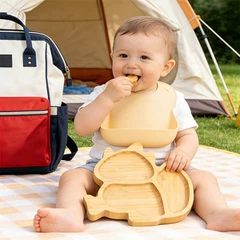

With the rise of sustainable lifestyles, consumer preferences are shifting towards more eco-friendly home products. Bamboo trays stand out, gaining popularity due to their renewability, versatility, and simple, natural aesthetic. Today, bamboo trays are ubiquitous – from modern Scandinavian-style kitchens to traditional Asian tea ceremonies – offering both practicality and beauty.
Studying which countries and regions have the strongest demand for bamboo trays helps reveal how culture, lifestyle habits, and environmental awareness influence consumer purchasing behavior. For B2B buyers, importers, and brands, these insights are crucial for making informed decisions regarding product development, sourcing strategies, and market positioning in an increasingly sustainability-conscious market.
North America: Leading the Sustainable Lifestyle Movement
North America, particularly the United States and Canada, has become the largest consumer market for bamboo trays outside of Asia. This trend is primarily driven by increased environmental awareness, the prevalence of healthy lifestyles, and the continued influence of social media. In 2023, US consumers spent approximately $128.9 billion on sustainable products, 【1】with bamboo home goods accounting for a significant share, demonstrating strong market acceptance of eco-friendly materials.
The rapid adoption of bamboo trays in North America is primarily due to the region's strong focus on reducing plastic use and finding renewable material alternatives. Compared to traditional hardwoods that require a 20-50 year growth cycle, 【2】bamboo matures in just 3-5 years, and its low-carbon, sustainable characteristics perfectly align with North American consumers' pursuit of an environmentally conscious lifestyle.

Social Media Drives the Popularity of Bamboo Products
Social media platforms have further amplified this consumer trend. Between 2022 and 2023,【3】 searches for "sustainable home decor" on Pinterest increased by 87%, with bamboo products frequently appearing in related content. The natural texture and minimalist appearance of bamboo make products like bamboo breakfast trays and bamboo bathtub trays common choices for home decor bloggers and lifestyle content creators.
The Canadian market also shows strong demand, particularly in major cities like Vancouver, Toronto, and Montreal. With Canada implementing a ban on single-use plastics in 2023, consumer acceptance of eco-friendly alternatives has significantly increased. Bamboo bathtub trays and cutlery storage trays are gradually becoming everyday household items, meeting practical needs while reflecting an embrace of sustainable values.
Europe: Where Tradition Meets Modern Sustainability
European markets exhibit sophisticated preferences for bamboo trays, with demand varying significantly across regions. Northern European countries-particularly Germany, Sweden, Denmark, and the Netherlands-lead the continent in bamboo product consumption. Germany's sustainable products market reached €15.2 billion in 2023[4], with home goods representing approximately 23% of this total.
| Country | Market Size (Million €) | Annual Growth Rate | Primary Use Case |
|---|---|---|---|
| Germany | 95.6 | 12.4% | Kitchen & dining organization |
| United Kingdom | 78.3 | 10.8% | Bathroom accessories & serving |
| France | 62.1 | 9.7% | Tea service & food presentation |
| Sweden | 41.2 | 14.2% | Minimalist home organization |
| Netherlands | 38.7 | 11.9% | Multi-purpose household use |
Scandinavian design principles emphasize minimalism, functionality, and natural materials, which has led to a steady demand for bamboo cutlery trays and plates in Nordic households. The Swedish philosophy of "Lagom" (just right) aligns perfectly with the sustainable properties and simple aesthetics of bamboo. With brands like IKEA continuously launching bamboo home and kitchen product lines, the awareness and acceptance of bamboo in the mainstream European consumer market are constantly increasing. According to IKEA's public data, bamboo products currently account for approximately 8% of their kitchen accessories sales,【5】 reflecting the growth potential of this material in the mass market.

United Kingdom: Rapid Growth in Demand for Bamboo Bathroom Accessories
The UK market shows particularly strong interest in bamboo bathtub caddies and extendable bath trays. Influenced by traditional bathing culture and increasing consumer environmental awareness, the UK is developing a high-end bathroom products segment centered around the "home spa experience." Data shows that sales of bamboo bathtub trays in the UK increased by 34% year-on-year in 2023,【6】 indicating that consumers are actively choosing bathroom accessories that combine functionality and sustainability.
France: Demand Driven by a Dining Culture that Values Aesthetics and Craftsmanship
The French market's preference for bamboo trays is deeply influenced by its dining culture and hospitality traditions. In France, tableware is not only a practical item but also an important part of the dining experience. Bamboo plates and tea trays are favored by consumers for their natural texture and simple design, which enhance the presentation of the table. French buyers particularly value the craftsmanship and design details of products, and are willing to pay a premium for high-quality bamboo products that combine practicality and aesthetic value.

Asia-Pacific: The Cultural Heartland of Bamboo Utilization
The Asia-Pacific region is both the world's largest production center for bamboo trays and a significant consumer market, although its consumption patterns differ significantly from those of European and American markets. In countries such as China, Japan, Vietnam, and Thailand, bamboo has a history of use spanning hundreds of years, deeply integrated into daily life and cultural traditions. Bamboo trays are not only practical items but also embody aesthetic and lifestyle values.
Japan: Deep Integration of Traditional Aesthetics and Bamboo Trays
The Japanese market is a prime example of this cultural integration. Traditional Japanese aesthetics emphasize "wabi-sabi" (finding beauty in nature and imperfection) and simplicity, which highly complements the natural texture and lightweight feel of bamboo. Bamboo tea trays have long been an important tool in the Japanese tea ceremony, while bamboo serving trays are widely used in Japanese inns and high-end dining establishments. Data shows that the Japanese market for bamboo home furnishings reached 42.8 billion yen (approximately US$287 million) in 2023, 【7】reflecting the continued vitality of this traditional material in modern consumption.

China: A Core Market with Both Global Production Capacity and Local Consumption Potential
China occupies a unique position in the global bamboo products industry, being both the largest source of bamboo resources, accounting for approximately 32% of the world's bamboo resources, 【8】and a rapidly upgrading consumer market. With the popularization of sustainable living concepts, consumers in first-tier cities such as Shanghai, Beijing, and Shenzhen are re-evaluating bamboo products from a more modern perspective. Bamboo kitchen storage trays and dressing table storage boxes, for example, are widely favored by middle-class families due to their combination of practicality and natural beauty.
The Chinese market also exhibits significant generational differences. Older consumers tend to view bamboo products as traditional and durable daily necessities, while younger urban consumers are more inclined to see them as environmentally friendly, design-oriented lifestyle products. This shift in consumer perception is driving manufacturers to continuously upgrade designs, combining traditional bamboo trays with modern home aesthetics to meet the needs of the new generation of consumers.

| Region | Traditional Use | Modern Application | Market Growth (2023) |
|---|---|---|---|
| East Asia | Food service, storage | Lifestyle & wellness products | 18.3% |
| Southeast Asia | Agricultural tools, containers | Home organization & décor | 21.7% |
| South Asia | Food preparation, transport | Kitchen & bathroom accessories | 15.4% |
Southeast Asian countries such as Vietnam, Thailand, and Indonesia are simultaneously playing a dual role as both a global manufacturing base for bamboo trays and an emerging consumer market. Taking Vietnam as an example, its bamboo product exports reached US$375 million in 2023, 【9】with bamboo trays and related accessories accounting for a significant portion, demonstrating its maturity and stable production capacity in the international supply chain.
With continued regional economic growth and increasing urbanization, consumer demand in the Southeast Asian domestic market is also accelerating. More and more middle-class families are focusing on home furnishings that offer both value for money and environmental friendliness. Locally produced bamboo trays, due to their controllable price, stable supply, and alignment with sustainability principles, are gradually replacing some imported plastic products. This trend not only expands the domestic market but also further strengthens the region's strategic position in the global bamboo product value chain.

Australia and New Zealand: Pioneering Eco-Conscious Markets
In terms of bamboo tray consumption, the Australian and New Zealand markets perform far beyond their population size. Strong environmental awareness, a prevalent outdoor lifestyle, and a mature understanding of sustainability have made these two countries high-per-capita consumption markets with stable growth.
In 2023, Australian consumers spent approximately A$2.1 billion on sustainable home goods, 【10】with bamboo products being one of the fastest-growing categories. The popularity of bamboo serving trays and round bamboo trays is closely related to the local lifestyle that emphasizes socializing and hospitality – family gatherings often naturally extend between indoor and outdoor spaces. Meanwhile, with increased investment in home health and relaxation, bamboo bathtub trays are also becoming a popular choice in bathroom accessories.

The New Zealand market is equally noteworthy. Long-standing commitments to zero waste and carbon neutrality have led to a high acceptance of sustainable materials in home consumption. Bamboo cutlery trays and kitchen storage items have become standard in many households, and consumers are systematically replacing plastic products with bamboo alternatives. Despite New Zealand's limited population (approximately 5.1 million), its choices in sustainable living often have a demonstrative effect and influence surrounding and larger markets.
Latin America: An Emerging Market with Tremendous Potential
While currently representing a smaller share of global bamboo tray consumption, Latin American markets are experiencing rapid growth. Countries like Brazil, Colombia, and Mexico are witnessing increased demand driven by growing middle classes, urbanization, and rising environmental awareness.
Brazil's bamboo product market grew by 28% in 2023[11], with bamboo trays and organizational products gaining popularity in urban centers. The country's abundant bamboo resources-Brazil possesses the largest bamboo diversity in the Americas-position it to become both a major producer and consumer. Mexican consumers, particularly in metropolitan areas like Mexico City and Guadalajara, are increasingly incorporating bamboo bathroom trays and kitchen accessories into their homes.
Why Do These Regions Prefer Bamboo Trays? Analyzing the Key Advantages
Bamboo trays have maintained their popularity across multiple global markets due to a series of core advantages that transcend cultural and geographical boundaries. While consumers in different regions may prioritize different aspects, bamboo's overall performance in terms of environmental friendliness, practicality, and design adaptability makes it a highly versatile home solution in the international market.
Environmental Sustainability: A Core Value with Global Consensus
Bamboo's eco-friendly attributes are fundamental to its global appeal. As a rapidly renewable material, bamboo has a much shorter growth cycle than traditional hardwoods, and its carbon dioxide absorption and oxygen release per unit volume are approximately 35% higher. 【12】Against the backdrop of increasing concern about climate change and carbon reduction, bamboo dinner trays and storage trays offer consumers a choice that balances practicality with environmental responsibility.
Furthermore, the biodegradability of bamboo products effectively addresses global concerns about long-term plastic waste. Compared to plastic products that can persist in landfills for hundreds of years, bamboo trays can naturally decompose within 1-3 years under appropriate conditions. 【13】This characteristic is particularly valued in markets where zero-waste principles are prevalent-such as California, Berlin, and Melbourne-driving the continued penetration of bamboo products in these regions.

Durability and Functionality: Supporting Long-Term Use Scenarios
In addition to environmental factors, bamboo trays also excel in performance. Bamboo possesses excellent tensile and compressive strength, 【14】allowing bamboo dinner trays and bathroom storage racks to remain lightweight while still meeting the demands of frequent daily use. This balance of strength and weight makes them highly suitable for use in homes, hotels, and commercial spaces.
Moreover, bamboo naturally possesses certain antibacterial properties, giving it an advantage in food contact and humid environments. This is a significant plus for consumers and buyers who prioritize health and hygiene standards.【15】

Design Adaptability: Meeting Diverse Aesthetic Needs
The highly adaptable appearance of bamboo trays allows them to seamlessly integrate into interior design styles across different cultural backgrounds. From Japanese minimalism and Scandinavian functionalism to the natural and rustic elements favored in the UK and US markets, bamboo's natural texture and neutral tones provide a gentle and unobtrusive visual effect. Through different surface treatment processes-such as natural bamboo, carbonized bamboo, or custom dyeing-manufacturers have further expanded the design possibilities of their products, allowing bamboo trays to function as both practical items and decorative highlights in a space. This design flexibility is a key reason why bamboo trays have gained recognition in diverse markets such as Tokyo, London, and Los Angeles.

Economic Factors Driving Regional Preferences
Pricing plays a decisive role in different regional markets. In mature markets such as Europe and the United States, bamboo trays are typically priced higher than plastic products, but still offer a significant price advantage compared to hardwood trays. This price range perfectly caters to middle-class and upper-middle-class consumers who prioritize both sustainability and quality, making bamboo trays a "cost-effective upgrade option."
In major Asian producing countries, bamboo products demonstrate even stronger price competitiveness due to local raw materials and manufacturing advantages. Compared to imported alternatives, bamboo trays are more readily accepted by the mass market. For example, in China or Vietnam, the retail price of bamboo cutlery storage boxes is often 30%-50% lower than comparable imported plastic products, while also offering superior durability and aesthetic appeal. This combination of "controllable price and higher value" has driven the widespread adoption of bamboo products in local markets and further solidified their core position in the global supply chain.
| Price Comparison (USD) | Bamboo | Plastic | Hardwood | Consumer Preference Driver |
|---|---|---|---|---|
| Basic serving tray | $15-25 | $8-12 | $35-60 | Balanced value & sustainability |
| Bath caddy | $25-45 | $15-20 | $65-95 | Premium positioning, wellness focus |
| Cutlery organizer | $12-22 | $6-10 | $30-50 | Functional upgrade, eco-conscious choice |
How Cultural Values Shape Bamboo Tray Preferences
People's cultural understanding of nature and sustainable development profoundly influences the acceptance of bamboo trays in different regions. In East Asian markets, long-established values emphasizing harmony and coexistence between humans and nature make bamboo products more readily accepted as a "natural" everyday choice. Japan's "Mottainai" philosophy advocates cherishing resources and reducing waste, while traditional Chinese culture emphasizes balance with natural elements. These concepts collectively form a stable cultural foundation, allowing bamboo tea trays and related products to naturally integrate into daily life and consumption patterns.

In contrast, while Western markets lack a similar traditional philosophical background, they have gradually developed a new consumer narrative centered on environmental responsibility and sustainable lifestyles in recent years. In North America and Europe, the rise of "conscious consumerism" and "responsible consumption" has created positive social acceptance for bamboo breakfast trays and other sustainable products. These products not only meet functional needs but also serve as a tangible way for consumers to express their environmental stance and lifestyle choices.
Future Trends: Where Will Bamboo Tray Demand Grow Next?
The emerging markets of the Middle East, particularly the UAE and Saudi Arabia, are gradually becoming the next growth area for bamboo tray applications. As countries in the region increase investment in sustainable development projects and promote economic diversification, market demand for eco-friendly home goods is rapidly expanding. Policies and infrastructure plans, exemplified by Dubai's sustainable city projects and the environmental goals within Saudi Arabia's "Vision 2030," are continuously raising public environmental awareness, creating favorable conditions for the market penetration of bamboo products.

Meanwhile, the Eastern European market-including Poland, the Czech Republic, and Hungary-also shows significant growth potential. Driven by stricter EU environmental regulations and increased consumer purchasing power, sustainable alternative products are rapidly entering the mainstream consumer market. As consumer habits in these countries gradually align with those of Western Europe, the acceptance of practical products such as bamboo cutlery organizers and kitchen trays is continuously increasing, becoming a new growth point in local retail and home goods categories.
Connecting With a Trusted Bamboo Products Supplier
For businesses and consumers seeking high-quality bamboo trays and related products, partnering with experienced manufacturers ensures access to superior craftsmanship and reliable supply chains. Whether you're looking for bamboo serving trays for your restaurant, bamboo bath caddies for your retail store, or custom solutions for your brand, connecting with established suppliers opens doors to premium bamboo products that meet international quality standards.
Our team specializes in bamboo product manufacturing with over 15 years of industry experience, serving clients across North America, Europe, Australia, and Asia with customized solutions and competitive pricing
Phone Number
+86-15907191067
sales@szmsl68.com

FAQ
Q: Why are bamboo trays more expensive than plastic alternatives in Western markets?
A: Bamboo trays typically cost more than plastic due to several factors: sustainable harvesting practices, artisanal manufacturing processes, international shipping costs, and import duties. However, they offer superior durability (lasting 5-10 years vs. 1-2 years for plastic), better aesthetics, and environmental benefits that justify the price premium for most consumers. In Asian production regions, bamboo products often cost less than imported plastics.
Q: Do bamboo trays require special care or maintenance?
A: Bamboo trays require minimal special care. Wash with mild soap and warm water, avoiding prolonged soaking or dishwasher use. Occasional treatment with food-safe mineral oil (for kitchen items) maintains the bamboo's natural moisture and prevents cracking. Proper care ensures bamboo serving trays and other items remain functional and attractive for many years.
Q: Are bamboo products truly more sustainable than wooden alternatives?
A: Yes, bamboo trays offer significant sustainability advantages over conventional wood products. Bamboo reaches harvestable maturity in 3-5 years compared to 20-50 years for hardwoods, regenerates without replanting from existing root systems, and absorbs more carbon dioxide during growth. Additionally, bamboo cultivation requires no pesticides or fertilizers, further reducing environmental impact.
Q: Which bamboo tray styles are most popular globally?
A: Bamboo serving trays and bamboo bath caddies consistently rank as the most popular styles globally, though preferences vary by region. North American and European consumers favor extendable bath caddies and large serving trays, while Asian markets show stronger demand for tea trays and traditional food service items. Bamboo utensil organizers enjoy universal popularity across all regions as practical kitchen essentials.
References and Notes
[1] Sustainable products market data from Nielsen Consumer LLC, "Sustainable Shoppers Report 2023"
[2] Growth cycle comparison based on International Network for Bamboo and Rattan (INBAR) research data
[3] Pinterest Predicts 2023 trend report, sustainable home category analytics
[4] German Federal Statistical Office (Destatis), sustainable consumer goods market analysis
[5] IKEA Annual Report 2023, kitchen accessories product category breakdown
[6] UK Home Products Association market research, bathroom accessories segment
[7] Japan Bamboo Association, annual market value assessment converted at 149 JPY/USD
[8] Food and Agriculture Organization of the United Nations (FAO), Global Forest Resources Assessment
[9] Vietnam Customs General Department export statistics, HS code 4602 (basketwork products)
[10] Australian Bureau of Statistics, sustainable household products expenditure survey
[11] Brazilian Association of Bamboo and Rattan Producers, annual market growth report
[12] Carbon sequestration data from peer-reviewed study in Journal of Sustainable Forestry
[13] Biodegradation timeline from Composting Council research on natural materials
[14] Mechanical properties comparison from International Journal of Materials Science research
[15] Antimicrobial properties study published in International Biodeterioration & Biodegradation
Technical Terms:
Carbon sequestration: The process of capturing and storing atmospheric carbon dioxide
Tensile strength: The resistance of a material to breaking under tension
Biodegradability: The capability of a material to decompose naturally through biological processes
Carbonized bamboo: Bamboo heat-treated to achieve darker coloration and increased hardness
Zero-waste movement: Lifestyle philosophy aimed at eliminating waste sent to landfills and incinerators
Authoritative Sources and Further Reading
International Network for Bamboo and Rattan (INBAR): https://www.inbar.int/
Food and Agriculture Organization - Bamboo Resources: https://www.fao.org/forestry/bamboo/en/
European Bamboo Society: https://www.bamboo-eu.org/
American Bamboo Society: https://www.bamboo.org/
Sustainable Furnishings Council: https://www.sustainablefurnishings.org/
Forest Stewardship Council: https://www.fsc.org/
World Wildlife Fund - Sustainable Materials Guide: https://www.worldwildlife.org/
United Nations Environment Programme: https://www.unep.org/