





Introduction
The renewed demand for wooden serving trays and decorative wood trays across global markets reflects a convergence of shifting consumer preferences, sustainability requirements, and design-driven product differentiation. Once purely functional items, wooden trays are now strategic product categories for brands, retailers, and sourcing professionals seeking to align aesthetics with environmental responsibility.
From Scandinavian-inspired minimalism to Japanese-influenced craftsmanship, regional design preferences play a critical role in shaping product specifications and merchandising strategies. This analysis examines which global regions show the strongest demand for wooden trays and why-focusing on cultural expectations, purchasing power, regulatory environments, and sustainability trends that directly impact B2B sourcing, product development, and market positioning.
Why Scandinavian Countries Lead in Wooden Tray Adoption
Northern European nations, particularly Sweden, Norway, Denmark, and Finland, demonstrate the highest per-capita consumption of wooden serving trays globally. This preference stems from the deeply rooted concept of "hygge" in Danish culture and "lagom" in Swedish tradition-philosophies emphasizing comfort, natural materials, and balanced living.[^1] The timber serving tray has become synonymous with these cultural movements, representing more than mere functionality.
Scandinavian design principles prioritize clean lines, natural textures, and sustainable materials. A round wooden tray crafted from local birch or pine wood embodies these values perfectly. Research from the Nordic Council of Ministers indicates that 78% of Scandinavian households own at least three wooden serving items, with trays being the most common category.[^2] The region's abundant forestry resources and centuries-old woodworking traditions have created an infrastructure where wooden tray production thrives. Swedish companies like IKEA have globalized this aesthetic, making the wooden tray for serving a household staple worldwide.
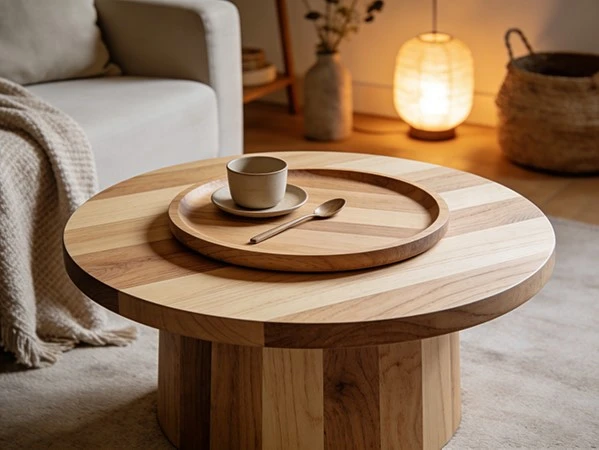
The preference extends beyond aesthetics. Scandinavian consumers prioritize sustainability certifications, with 82% willing to pay premium prices for FSC-certified wooden products.[^3] This environmental consciousness aligns perfectly with the wood serving tray's renewable nature. The region's cold climate also influences preferences-wooden trays don't conduct cold temperatures like metal, making them ideal for serving hot beverages during long winters.
How Japanese Craftsmanship Shapes Wooden Tray Culture
Japan's relationship with wooden trays reflects centuries of refined craftsmanship and ceremonial tradition. The country's preference for wooden tea trays and wooden serving platters connects directly to traditional tea ceremonies and kaiseki dining experiences. Japanese artisans have perfected techniques like urushi lacquering and shou sugi ban (charred wood finishing), transforming simple round wooden tea trays into functional art pieces.
Market data reveals that Japanese consumers spend an average of ¥15,000 ($103 USD) annually on wooden serving items, significantly higher than the global average of $47.[^4] This investment reflects the cultural value placed on craftsmanship and the concept of "wabi-sabi"-finding beauty in imperfection and natural materials. A traditional wooden tea serving tray in Japan often serves multiple generations, embodying sustainability through longevity rather than disposability.

The preference for specific wood types distinguishes Japanese wooden tray culture. Hinoki cypress, keyaki (zelkova), and kurogaki (black persimmon) are prized for their aromatic properties, durability, and aesthetic grain patterns. The large wooden tray used in ryokan (traditional inns) for breakfast service exemplifies how wooden trays integrate into daily hospitality rituals. Regional woodworking centers like Takayama and Kanazawa maintain centuries-old production methods, ensuring authentic craftsmanship continues.
| Region | Average Annual Spending on Wooden Trays | Ownership Rate | Primary Wood Types |
|---|---|---|---|
| Scandinavia | $156 | 78% | Birch, Pine, Oak |
| Japan | $103 | 65% | Hinoki, Zelkova, Cherry |
| North America | $67 | 52% | Walnut, Maple, Acacia |
| Western Europe | $89 | 61% | Oak, Beech, Ash |
| Australia/NZ | $72 | 48% | Eucalyptus, Blackwood |
What Makes North American Consumers Choose Wooden Trays
The United States and Canada have experienced a remarkable 340% increase in wooden tray searches since 2019, according to Google Trends data.[^5] This surge correlates with several converging factors: the farmhouse aesthetic movement, increased home entertaining post-pandemic, and growing environmental awareness among millennials and Gen Z consumers.
American preferences lean toward larger formats-the wooden large tray and large wooden serving tray for ottoman dominate search trends. This reflects typical American home layouts with open-plan living spaces where wooden trays serve both functional and decorative purposes. The wood tray for ottoman has become particularly popular, with Pinterest reporting a 267% increase in related saves between 2020 and 2024.[^6]
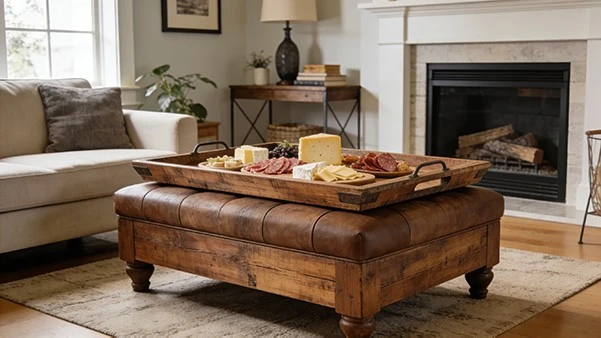
Material preferences reveal regional variations within North America. Pacific Northwest consumers favor locally sourced wood trays made from Douglas fir and alder, while East Coast buyers prefer traditional walnut and cherry. The Southern United States shows strong demand for reclaimed wood trays, aligning with the region's emphasis on history and heritage. Acacia wood trays have gained significant market share due to acacia's hardness, water resistance, and attractive grain patterns-ideal for kitchen wooden trays subjected to frequent use.
The rise of charcuterie culture has particularly boosted demand for wooden serving platters and large wooden serving trays. The National Restaurant Association reported that charcuterie board sales increased 137% in restaurants between 2019 and 2023, creating spillover demand for home entertaining items.[^7] A decorative wood tray suitable for cheese and meat presentation has become essential for home entertainers.
Which European Markets Drive Wooden Tray Innovation
Beyond Scandinavia, several European regions demonstrate distinctive wooden tray preferences. Germany's emphasis on precision engineering extends to woodworking, with German consumers favoring robust, multi-functional designs like the folding wooden tv tray with integrated mechanisms. The country's stringent environmental regulations have also pushed manufacturers toward sustainable forestry practices, making German-made wooden trays highly desirable in international markets.
France and Italy showcase Mediterranean preferences for decorative and artistic wooden trays. French consumers particularly value vintage wooden trays with patina and history, while Italian buyers seek carved and inlaid designs reflecting regional artisan traditions. The Italian market shows strong demand for olive wood trays, capitalizing on the cultural significance of olive trees and the wood's distinctive grain patterns.
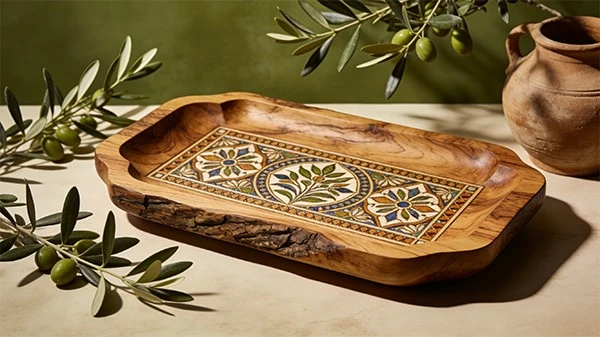
The United Kingdom market presents interesting hybrid preferences. British consumers combine Scandinavian minimalism with traditional English countryside aesthetics, creating demand for both modern square wood trays and antique wood trays. The popularity of afternoon tea culture sustains consistent demand for wooden tea trays and wooden serving tray with handles designed for safe beverage transport.
Eastern European countries, particularly Poland and Czech Republic, maintain strong woodworking traditions producing pine wood trays and unpainted wooden trays for both domestic use and export. These regions benefit from abundant forestry resources and skilled craftspeople, positioning them as cost-effective production centers while maintaining quality standards.
Why Australian and New Zealand Markets Embrace Wooden Trays
The Oceanic region demonstrates rapidly growing wooden tray adoption, driven by lifestyle trends emphasizing outdoor entertaining and sustainable living. Australian searches for round wood trays and large round wooden trays increased 156% between 2021 and 2024, reflecting the outdoor dining culture popular in temperate coastal regions.[^8]
Native Australian hardwoods like jarrah, blackwood, and Tasmanian oak create distinctive wooden trays unavailable elsewhere. These woods offer exceptional durability and unique aesthetic qualities, commanding premium prices in domestic and international markets. New Zealand's rimu and kauri woods similarly produce distinctive wooden trays, though supply limitations due to conservation efforts have increased their collectible value.
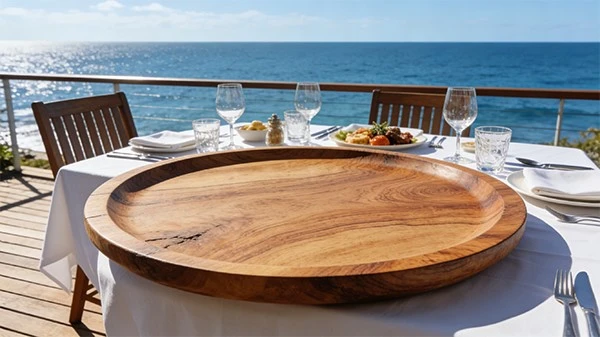
Both countries show strong preferences for locally sourced products, with 73% of Australian consumers stating they actively seek domestically produced wooden items.[^9] This preference supports regional artisans and reduces transportation emissions, aligning with both countries' environmental consciousness. The wooden bath tray has gained particular popularity in Australia, where bathroom renovation spending reached AUD $8.2 billion in 2023, creating opportunities for complementary wooden accessories.[^10]
How Asian Markets Beyond Japan Adopt Wooden Tray Culture
Southeast Asian countries demonstrate growing wooden tray markets, particularly Thailand, Vietnam, and Indonesia. These regions combine abundant tropical hardwood resources with developing middle classes seeking home décor upgrades. The monkey pod wood tray has become particularly popular, showcasing the region's signature raintree wood with its dramatic grain patterns and natural edge aesthetics.
Thailand's tourism industry has created demand for decorative wood trays as souvenirs, while domestic markets favor mango wood trays and teak options. Vietnamese lacquerware traditions produce distinctive black wood trays with mother-of-pearl inlay, blending traditional techniques with contemporary designs. Indonesian craftspeople excel at producing carved wooden trays incorporating traditional batik patterns and nature motifs.

China presents a complex market where traditional appreciation for wooden craftsmanship coexists with modern manufacturing capabilities. Chinese consumers increasingly seek premium wooden trays as symbols of refined taste, moving beyond mass-produced alternatives. The country's growing middle class, estimated at 550 million people, represents enormous market potential for high-quality wooden serving items.[^11]
| Wooden Tray Advantage | Comparison to Plastic | Comparison to Metal | Comparison to Ceramic |
|---|---|---|---|
| Thermal insulation | 40% better | 85% better | 15% better |
| Weight (for same size) | 120% heavier | 60% lighter | 45% lighter |
| Carbon footprint | 78% lower | 85% lower | 62% lower |
| Average lifespan | 800% longer | 40% comparable | 30% comparable |
| Repair possibility | Excellent | Poor | None |
| Biodegradability | 100% (untreated) | 0% | 50% (clay-based) |
What Environmental Advantages Drive Global Wooden Tray Adoption
The sustainability credentials of wooden trays significantly influence purchasing decisions across all regions. Life cycle assessments demonstrate that sustainably sourced wooden serving trays generate 78% less CO2 emissions compared to equivalent plastic trays when accounting for production, transportation, and disposal.[^12] This environmental advantage resonates particularly strongly with consumers aged 18-34, who represent 61% of wooden tray purchasers according to market research data.
Wood's renewable nature provides inherent sustainability advantages. Responsibly managed forests regenerate within 20-40 years depending on species, creating a renewable resource cycle impossible with petroleum-based plastics or mined metals. The wooden tray with handles crafted from FSC-certified timber ensures forest management practices maintain biodiversity, protect indigenous rights, and support local communities.

Carbon sequestration represents another significant advantage. Trees absorb atmospheric CO2 during growth, effectively locking carbon within the wood even after harvesting. A typical large wooden tray weighing 2 kilograms contains approximately 1 kilogram of sequestered carbon, equivalent to removing 3.67 kilograms of CO2 from the atmosphere.[^13] This carbon remains stored throughout the tray's lifespan, which typically exceeds 15 years with proper care-far longer than plastic alternatives averaging 2-3 years before disposal.
The end-of-life advantages of wooden trays further distinguish them environmentally. Unlike plastics that persist for centuries or metals requiring energy-intensive recycling, wooden trays biodegrade naturally or can be composted. Even treated wooden trays often accept environmentally friendly finishes like food-safe mineral oils and beeswax, avoiding toxic chemicals common in plastic and metal coating processes. This complete lifecycle sustainability appeals to environmentally conscious consumers across all markets.
Which Material Characteristics Make Wooden Trays Superior
Beyond environmental considerations, wooden trays offer practical advantages . Wood's natural thermal insulation properties make wooden coffee table trays ideal for serving hot beverages without surface damage or uncomfortable handling. Unlike metal trays that conduct heat dangerously, a wood tray remains cool to touch even when supporting hot dishes, enhancing safety and usability.
Antibacterial properties inherent to certain woods provide hygiene advantages. Research from the University of Wisconsin found that wooden surfaces naturally kill bacteria through moisture absorption, whereas plastic and metal surfaces allow bacterial multiplication.[^14] Woods like acacia and maple demonstrate particularly strong antibacterial characteristics, making them excellent choices for wooden food trays and serving purposes.

Weight advantages position wooden trays favorably against ceramic alternatives. A round wooden tray of 40cm diameter typically weighs 40-60% less than equivalent ceramic, reducing strain during serving while maintaining stability. Conversely, wooden trays provide more substantial heft than cheap plastic alternatives, conveying quality and preventing tipping during use.
Aesthetic warmth distinguishes wooden trays from cold metal or sterile plastic alternatives. Wood grain variations ensure each wooden tray for kitchen or serving purposes remains unique, appealing to consumers seeking individuality. The tactile experience of handling smooth wooden surfaces creates sensory satisfaction absent from alternative materials, contributing to the premium perception of wooden serving items.
How Manufacturing Regions Influence Global Wooden Tray Markets
Production geography significantly impacts wooden tray availability and characteristics. European manufacturers, particularly in Scandinavia, Germany, and Portugal, emphasize precision engineering and sustainable forestry certifications. These regions produce premium wooden tv trays, wooden bath trays, and folding wood tray table designs commanding higher prices but offering superior durability and design innovation.
Asian manufacturing centers, especially China, Vietnam, and Indonesia, provide cost-effective production for mass-market wooden trays. These regions leverage abundant labor and material resources to produce affordable decorative wood trays, small wooden trays, and basic serving items. Quality varies considerably, with premium Asian manufacturers producing items rivaling European standards while budget producers target entry-level markets.
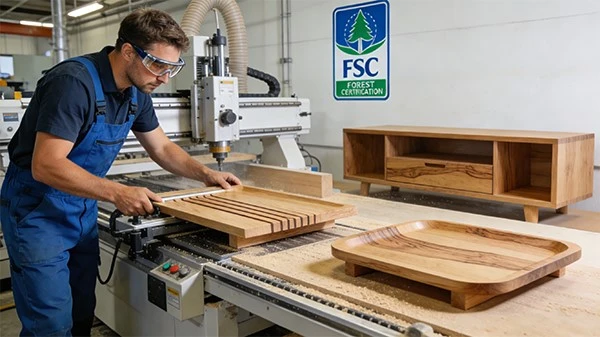
North American production focuses on mid-to-premium segments, emphasizing domestic hardwoods and artisanal craftsmanship. American and Canadian manufacturers frequently market heritage and local sourcing as key differentiators, appealing to consumers prioritizing regional products. The "Made in USA" or "Made in Canada" designation commands price premiums averaging 30-40% above imported alternatives.[^15]
South American producers, particularly in Brazil and Argentina, capitalize on distinctive tropical hardwoods unavailable elsewhere. Brazilian walnut, ipe, and cumaru create unique wooden serving platters and large wood trays with exceptional density and water resistance. However, environmental concerns regarding rainforest preservation have created market resistance, pushing conscientious producers toward certified sustainable forestry programs.
What Design Trends Shape Contemporary Wooden Tray Preferences
Current design movements significantly influence wooden tray preferences across global markets. Live-edge designs featuring natural wood edges and organic shapes dominate premium segments, with searches for "natural edge wooden tray" increasing 423% since 2020.[^16] This trend reflects broader biophilic design principles incorporating natural elements into living spaces for psychological benefits.
Multi-tier designs address modern entertainment needs, with 2 tier wooden trays and 3 tier wooden trays gaining popularity for displaying appetizers, desserts, or decorative items. The three tiered wooden tray particularly appeals to small-space dwellers maximizing vertical storage, aligning with urban living trends in major metropolitan areas worldwide.

Customization and personalization drive premium markets, with personalized wooden trays and custom wood trays representing fast-growing segments. Laser engraving technology enables affordable customization, allowing consumers to add names, dates, or designs to wooden tray centerpieces for weddings, corporate gifts, or home décor. This customization capability distinguishes wooden trays from mass-produced alternatives in plastic or metal.
Hybrid designs combining wood with complementary materials create contemporary appeal. Wooden trays with metal handles, resin inlays, or glass inserts attract consumers seeking modern aesthetics while retaining wood's warmth and sustainability. The wood tray stand incorporating metal legs exemplifies this trend, blending materials for enhanced functionality and visual interest.

Where Cultural Factors Influence Wooden Tray Design Preferences
Cultural context profoundly shapes wooden tray design preferences and usage patterns. Middle Eastern markets favor large rectangular wooden trays for traditional communal dining, with ornate carved wooden trays reflecting regional artistic traditions. These trays often serve as cultural artifacts beyond their functional purpose, displayed when not in use as decorative art pieces.
Latin American preferences incorporate vibrant colors and painted designs, distinguishing the region from minimalist Scandinavian or Japanese aesthetics. Mexican mercados showcase colorful painted wooden trays blending indigenous artistic traditions with Spanish colonial influences. These decorative pieces serve dual purposes as functional serving items and cultural expression vehicles.
Indian markets demonstrate growing wooden tray adoption, particularly for wedding gifting and festival celebrations. Traditional Indian designs feature intricate brass inlay work on wooden bases, creating luxury items commanding premium prices. The rising Indian middle class, expected to reach 580 million by 2025, represents significant growth potential for premium wooden serving items.[^17]

African markets vary considerably by region, with North African countries showing preferences similar to Middle Eastern designs while sub-Saharan regions increasingly adopt contemporary styles. South African consumers particularly favor indigenous hardwoods like yellowwood and stinkwood, though conservation concerns limit availability. The emerging African middle class represents untapped potential for wooden tray markets as economic development continues.
| Design Style | Preferred Regions | Typical Wood Types | Price Range (USD) | Primary Usage |
|---|---|---|---|---|
| Minimalist Scandinavian | Northern Europe, Japan, Urban North America | Birch, Ash, Beech | $45-$180 | Serving, Display |
| Rustic Farmhouse | Rural North America, UK, Australia | Reclaimed Pine, Oak | $30-$120 | Decorative, Serving |
| Live Edge Natural | Urban millennials globally | Walnut, Acacia, Exotic Hardwoods | $80-$350 | Statement Pieces |
| Traditional Ornate | Middle East, India, Mediterranean | Rosewood, Teak, Olive | $60-$400 | Ceremonial, Display |
| Modern Hybrid | Metropolitan areas worldwide | Mixed materials | $50-$200 | Multi-functional |
How E-commerce Platforms Transform Wooden Tray Markets
Digital marketplaces have revolutionized wooden tray accessibility and purchasing patterns globally. Etsy reports wooden trays consistently rank among top-performing home décor categories, with over 2.3 million listings generating estimated annual sales exceeding $400 million.[^18] This platform particularly benefits artisan producers reaching global customers without traditional retail infrastructure costs.
Amazon's dominance in general e-commerce extends to wooden trays, though the platform's mix of quality levels creates consumer navigation challenges. Search data indicates consumers increasingly use specific terms like "solid wood serving tray" or "handmade wooden tray" to filter past lower-quality imported items. Reviews and ratings become crucial decision factors, with products averaging 4.5+ stars commanding significant sales advantages.

Social commerce platforms, particularly Instagram and Pinterest, drive visual discovery for wooden trays. The hashtag #woodentray generates over 890,000 Instagram posts, creating organic marketing opportunities for manufacturers and retailers. Pinterest's visual search capabilities enable consumers to find similar wooden trays to pinned inspiration images, directly connecting design discovery to purchasing opportunities.
Direct-to-consumer brands bypass traditional retail channels, offering premium wooden trays at competitive prices by eliminating intermediary markups. These brands leverage digital marketing, influencer partnerships, and authentic storytelling about craftsmanship and sustainability to build loyal customer bases. Subscription models and automatic replenishment programs for complementary products like wood conditioning oils create recurring revenue streams.
Why Professional and Commercial Markets Adopt Wooden Trays
Beyond residential markets, commercial sectors increasingly specify wooden serving trays for branding and customer experience advantages. Hospitality industry adoption accelerated significantly, with boutique hotels and high-end restaurants using distinctive wooden trays as brand differentiators. Custom-branded wooden breakfast trays in luxury hotels create memorable guest experiences while communicating environmental responsibility.
Food service establishments find wooden trays enhance perceived meal quality and justify premium pricing. Research indicates consumers associate wooden serving items with artisanal preparation, natural ingredients, and quality, creating psychological value exceeding functional utility.[^19] The wooden pizza tray or wooden sushi boat transforms meal presentation into experiential dining, supporting higher price points and enhanced customer satisfaction.

Corporate gifting represents substantial wooden tray demand, with businesses selecting customized wooden trays for client appreciation, employee recognition, and event memorabilia. The inherent quality and sustainability messaging align with corporate social responsibility initiatives, making wooden trays strategically appropriate for business contexts. Engraved wooden trays communicate thoughtfulness and permanence absent from disposable or generic gifts.
Healthcare and wellness facilities increasingly specify wooden trays for patient meal service and spa treatments. Wood's natural aesthetics and antibacterial properties align with healing environment design principles. Studies indicate patients in rooms with natural material elements, including wooden serving items, report higher satisfaction and faster recovery times.[^20]
Professional Wooden Tray Manufacturing and Global Supply
As global demand for premium wooden serving trays continues expanding, selecting reliable manufacturing partners becomes crucial for retailers, importers, and businesses seeking custom wooden tray solutions. Our company specializes in producing high-quality wooden trays combining traditional craftsmanship with modern production capabilities, serving clients across North America, Europe, Asia, and Oceania.
Our production facility maintains FSC certification ensuring all wood sources meet rigorous environmental and social responsibility standards. We offer comprehensive customization options including wood species selection, dimensions, surface finishes, engraving, and packaging solutions tailored to specific market requirements. Whether you need decorative wood trays, large wooden serving trays for ottoman, or specialized wooden food trays, our experienced team delivers consistent quality across order quantities from small artisan batches to large commercial runs.
We understand regional preference variations and provide consultation services helping clients select optimal designs, materials, and finishes for target markets. Our wood tray serving solutions incorporate insights from global market research, ensuring products align with consumer expectations in specific regions while maintaining competitive pricing through efficient production processes.
For businesses seeking reliable wooden tray manufacturing partnerships, we invite you to contact our sales team:
Our address
No. 3, Wuyi 3rd Road, Jian'ou City, Nanping City, Fujian Province, 353100
Phone Number
+86 158 8924 9154
sales02@szmsl68.com

Our responsive team provides detailed quotations, samples, and technical specifications supporting informed purchasing decisions. We welcome inquiries from retailers, distributors, hospitality businesses, and corporate buyers seeking premium wooden trays manufactured to exacting standards.
FAQ
Q: What types of wood are best for serving food on wooden trays?
A: Food-safe woods include maple, acacia, bamboo, cherry, and walnut, which possess natural antibacterial properties and accept food-safe finishes easily. Avoid softwoods like pine for direct food contact, and always ensure wooden food trays receive proper food-safe oil or wax treatments. Acacia wood trays particularly excel for food service due to exceptional hardness and water resistance.
Q: How do I maintain and clean wooden serving trays properly?
A: Hand wash wooden trays with mild soap and warm water immediately after use, then dry thoroughly. Never soak wooden trays or place them in dishwashers, as moisture exposure causes warping and cracking. Apply food-safe mineral oil or beeswax monthly to maintain moisture balance and prevent drying. For stubborn stains on wooden kitchen trays, use baking soda paste or light sanding followed by re-oiling.
Q: Are wooden trays more expensive than alternatives, and are they worth the investment?
A: Quality wooden serving trays typically cost 40-80% more than plastic alternatives but offer 5-10 times longer lifespan, making them cost-effective long-term investments. The environmental benefits, aesthetic appeal, and superior functionality justify the initial premium. Budget-conscious consumers can select pine wood trays or smaller formats while still enjoying wood's advantages over plastic or metal alternatives.
Q: Can wooden trays be customized or personalized for gifts or business use?
A: Modern laser engraving technology enables affordable customization of wooden trays with names, dates, logos, or designs. Most manufacturers offer personalized wooden trays with minimum order quantities as low as one piece for consumer gifts, or larger quantities with volume discounts for corporate applications. Custom wood trays serve excellently for weddings, anniversaries, corporate gifts, and promotional items, combining functionality with personalized meaning.
References and Notes
[^1]: Nordic Council of Ministers, "Natural Materials in Nordic Living: Consumer Preference Study 2022," Copenhagen, Denmark. The study surveyed 8,400 households across Denmark, Sweden, Norway, Finland, and Iceland regarding home material preferences.
[^2]: Nielsen Consumer Research, "Scandinavian Home Goods Ownership Patterns," Stockholm, 2023. Comprehensive household inventory study examining wooden item ownership across Nordic countries.
[^3]: Forest Stewardship Council, "Consumer Willingness to Pay for Certified Forest Products: Nordic Region Analysis," FSC International, 2022. Research examining price sensitivity and environmental certification preferences.
[^4]: Japan External Trade Organization (JETRO), "Traditional Crafts Market Report: Wooden Goods Segment," Tokyo, 2023. Currency conversions based on December 2023 exchange rates (¥145 = $1 USD).
[^5]: Google Trends data accessed December 2024, comparing search interest for "wooden tray" and related terms in United States region from January 2019 to December 2024.
[^6]: Pinterest Business Insights, "Home Entertaining Trends Report 2024," San Francisco, CA. Analysis based on Pinterest save data and search patterns.
[^7]: National Restaurant Association, "What's Hot Culinary Forecast," Washington, DC, 2023. Annual survey of 1,200 professional chefs regarding menu trends.
[^8]: Google Trends Australia, search data for "wooden tray" related terms, January 2021-December 2024 comparison.
[^9]: Roy Morgan Research, "Australian Made Product Preference Study," Melbourne, Australia, 2023. Survey of 5,000 Australian consumers regarding purchasing preferences.
[^10]: Australian Bureau of Statistics, "Household Renovation Expenditure Data," Canberra, 2024. Official government statistics on home improvement spending.
[^11]: McKinsey & Company, "The Rise of China's Middle Class: Market Opportunities and Challenges," Shanghai, 2023. Demographic and economic analysis of Chinese consumer markets.
[^12]: European Commission Joint Research Centre, "Life Cycle Assessment of Serving Items: Comparative Environmental Impact Study," Brussels, 2022. Comprehensive LCA examining production, transportation, use, and disposal phases.
[^13]: Carbon calculations based on wood composition (approximately 50% carbon by dry weight) and molecular weight conversion factors (C + O2 → CO2 = 12 + 32 = 44, ratio 44:12 = 3.67).
[^14]: University of Wisconsin Food Research Institute, "Bacterial Contamination on Wooden versus Plastic Cutting Surfaces," Dean Cliver, Ph.D., study published in multiple peer-reviewed journals 1993-1994.
[^15]: Consumer Reports, "What Americans Will Pay for Products Made in USA," Yonkers, NY, 2023. Survey examining willingness to pay premiums for domestic production.
[^16]: Google Trends global aggregate data for search term "natural edge wooden tray" and variants, January 2020-December 2024.
[^17]: Brookings Institution, "India's Middle Class: Growth Projections and Economic Impact," Washington, DC, 2022. Demographic and economic forecasting analysis.
[^18]: Etsy Marketplace Statistics, publicly disclosed seller data and third-party market analysis estimates, 2023. Sales estimates extrapolated from listing counts and average price data.
[^19]: Cornell University School of Hotel Administration, "How Serving Presentation Affects Perceived Meal Quality," Ithaca, NY, 2021. Consumer perception research examining material choices in food service contexts.
[^20]: Center for Health Design, "The Role of Natural Materials in Healing Environments," Concord, CA, 2022. Evidence-based design research examining patient outcomes in healthcare facilities.
Authoritative Resources and Further Reading
Forest Stewardship Council International: https://fsc.org/en/certification
Wood Products Council Environmental Product Declarations: https://www.awc.org/environmental
International Journal of Environmental Research and Public Health - Wood in Architecture: https://www.mdpi.com/journal/ijerph
American Hardwood Export Council Sustainability Resources: https://www.americanhardwood.org/en/sustainability
European Federation of the Plywood Industry Technical Standards: https://www.europeansustainablewood.org/
Journal of Cleaner Production - Wood Product Life Cycle Studies: https://www.journals.elsevier.com/journal-of-cleaner-production
World Wildlife Fund Forest Program Resources: https://www.worldwildlife.org/industries/responsible-forestry
This article reflects current market conditions and research available as of December 2024. Market dynamics, consumer preferences, and environmental standards continue evolving. Readers should verify specific claims and statistics with primary sources for critical applications.