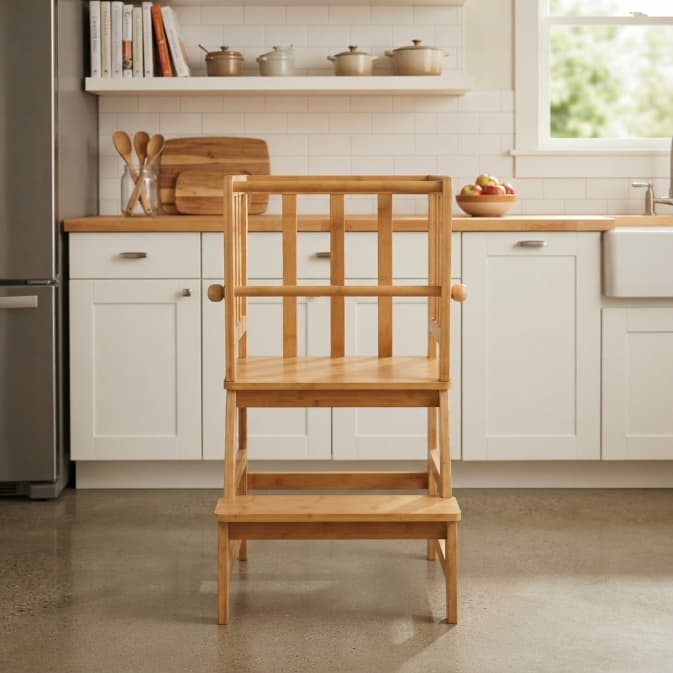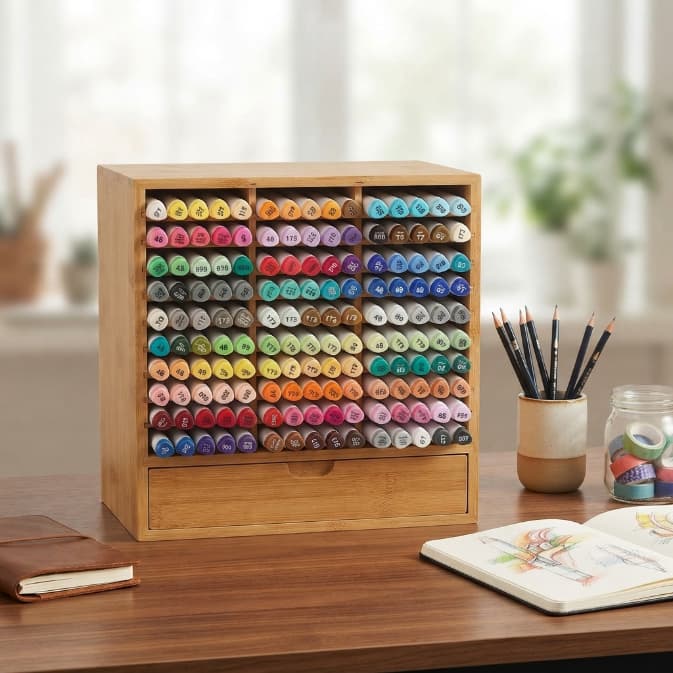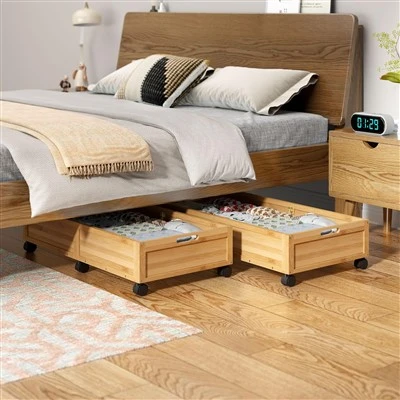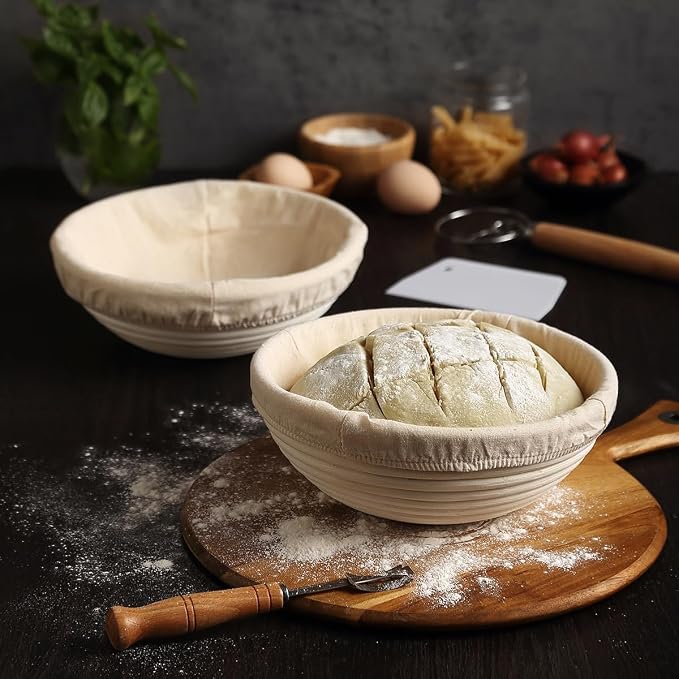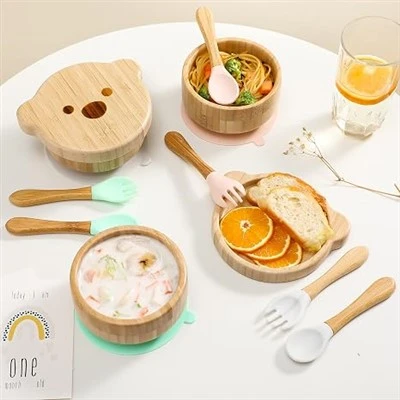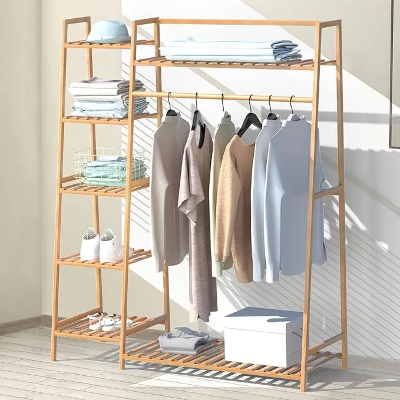




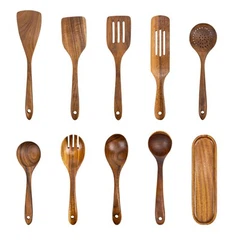



Sourcing bamboo racks from China can be a cost-effective choice for retailers, distributors, and private label brands-but only when you choose the right supplier and understand the key sourcing and compliance requirements.
China is the world's leading bamboo manufacturing hub, with Fujian Province at the heart of its bamboo processing industry. For buyers looking for reliable quality, competitive pricing, and flexible OEM options, Fujian offers a strong sourcing base.
Why Fujian Is a Leading Bamboo Manufacturing Hub
China's bamboo industry is one of the largest in the world. According to Xinhua News Agency, China's bamboo industry generated approximately CNY 541 billion (USD 74.2 billion) in total output value in 2023. China also accounts for around 75% of global bamboo exports. In Fujian, bamboo, wood, and grass product exports reached CNY 14.26 billion in the first seven months of 2024, while bamboo furniture exports grew by 19% year on year.
Fujian has several advantages for bamboo rack manufacturing.
First, raw material availability. Fujian has extensive bamboo resources, including Moso bamboo (Phyllostachys edulis), one of the main species used in bamboo furniture and storage products.[¹] Local access to bamboo helps reduce transportation costs and supports a stable material supply.

Second, a well-developed manufacturing cluster. Jian'ou, Nanping, and surrounding areas have a large number of bamboo processing companies, along with suppliers for bamboo panels, hardware, packaging, and other production needs. This concentrated supply chain helps manufacturers control costs and shorten production lead times.
Third, convenient export logistics. Fujian's proximity to major ports such as Fuzhou and Xiamen provides efficient access to international shipping routes. This is an important advantage for exporters supplying customers in North America, Europe, Australia, and other markets.[²]
For buyers sourcing bamboo dish racks, spice racks, bakers racks, shoe racks, or other bamboo storage products, Fujian offers a strong combination of raw material access, manufacturing expertise, supply chain support, and export infrastructure.
How Do You Distinguish a Real Manufacturer From a Trading Company?
One of the most important decisions when sourcing bamboo racks is whether you are working with a direct manufacturer or a trading company.[³] This can affect pricing, quality control, customization, and long-term supply reliability.
A direct manufacturer owns or operates production facilities and manages the manufacturing process, from bamboo processing to assembly and packaging. A trading company purchases finished products from manufacturers and resells them to overseas buyers.
Trading companies are not necessarily a problem. They can be useful when buyers need small quantities or products from multiple factories. However, if you are building a long-term bamboo rack program, working directly with a manufacturer can provide greater visibility into production, customization, and quality control.

5 Signs You May Be Dealing with a Direct Manufacturer
A verifiable factory location
Check whether the supplier's registered or provided address corresponds to an actual production facility rather than only an office.
Factory audit access[⁴]
A genuine manufacturer should generally be able to arrange a factory visit or audit with reasonable notice.
Real production photos
Ask for recent photos or videos showing your specific product being manufactured. Stock images alone don't prove manufacturing capability.
Reasonable sample lead times
For standard catalog products, manufacturers can often provide samples within 7–15 working days, depending on the product and production schedule.
Strong technical knowledge
During product discussions, ask specific questions about bamboo moisture content, adhesive grades, kiln drying, panel construction, and surface finishes.[⁵] A manufacturer should be able to explain its production specifications and quality controls in detail.
These checks won't prove a supplier's manufacturing status on their own, but together they provide a much clearer picture before you place an order.

What Sourcing Channels Provide the Best Access to Verified Bamboo Rack Manufacturers?
Multiple sourcing channels exist for accessing Chinese bamboo rack manufacturers, and each carries a different quality verification profile and cost structure.
| Sourcing Channel | Quality Verification | Cost Transparency | Best For |
|---|---|---|---|
| Trade shows (Canton Fair, CIFF) | High - in-person factory verification possible | Medium - competitive but opaque | First-time buyers; relationship-building |
| B2B platforms (Alibaba, Made-in-China) | Low - claims unverified by platform | High - easy price comparison | Initial shortlisting; price benchmarking |
| Sourcing agents (verified) | High - agent provides factory vetting | Medium - agent fee adds cost | Buyers without China presence |
| Trade intelligence platforms (Panjiva, ImportGenius) | Very high - actual shipment records | N/A | Verifying manufacturer export track record |
| Direct referral from industry network | High - trusted third-party validation | Low - no competitive tension | Experienced buyers with industry connections |
| International Trade Centre Trade Map | High - verified export data by company | N/A | Market intelligence; supplier identification |
The Canton Fair, held twice a year in Guangzhou, is one of the most useful places to meet Chinese bamboo product suppliers in person. Meeting suppliers face-to-face allows buyers to review samples, discuss production capabilities, and ask detailed questions about their factories and export experience.
For additional supplier verification, trade intelligence platforms such as Panjiva can provide useful information on a company's export history, including shipment records, product descriptions, and trading partners.
A supplier with a long and consistent export record is generally easier to evaluate than one with little or no documented shipping history. However, shipment data should be used alongside factory audits, business license checks, product samples, and compliance documentation rather than as the only measure of manufacturing capability.
Exhibition


What Technical Specifications Must Buyers Verify Before Placing an Order?
Most sourcing problems happen when product specifications are not clearly verified before an order is placed. For bamboo racks, six technical details deserve particular attention.
1. Bamboo Panel Construction
Cross-laminated bamboo panels[⁶] use alternating grain directions between layers, which helps improve dimensional stability and reduce warping during humidity changes.
Ask the supplier for cross-section photos of the panel edge so you can verify the construction. Don't assume that terms such as "compressed bamboo" mean the same thing-compressed bamboo[⁷] and cross-laminated bamboo are different manufacturing methods.
2. Moisture Content
Moisture content has a direct impact on bamboo's dimensional stability.
For products intended for temperate markets, a moisture content of around 7–8% is commonly specified, while products for tropical climates may require a higher target depending on local conditions.
Ask the manufacturer for moisture measurement records before shipment. Consistent monitoring is a good indication that moisture is being actively controlled during production and storage.

3. Adhesive System
The adhesive affects both structural durability and formaldehyde emissions.
Ask the supplier what adhesive system is used and request the relevant adhesive technical documentation and compliance test reports. If CARB Phase 2 compliance is required for your market, make sure the report applies to the specific product and materials being ordered.[⁸][⁹]
4. Surface Finish
The finish protects the bamboo from moisture and is particularly important for kitchen products.
Ask what coating or oil is used and request the relevant product safety or technical documentation. For food-contact applications, confirm that the finish is suitable for the intended use and market requirements.[¹⁰]
5. Finish Coverage
Don't inspect only the visible surfaces. Check the underside, cut edges, joints, and corners of the sample.
Incomplete finish coverage can leave exposed bamboo vulnerable to moisture absorption. These areas are often difficult to evaluate from product photos but are easy to identify on a physical sample.
6. Load Capacity
If a supplier claims that a shelf can hold 20 kg, ask how that figure was determined.
The supplier should be able to provide test data, a testing method, or a third-party report supporting the stated capacity. Clear testing documentation helps buyers avoid unsupported performance claims and ensures the product specification matches its intended use.
GL Certificate


Final Check
Before confirming an order, don't rely only on the supplier's catalog or product photos. Request samples, technical specifications, test reports, and production records where applicable. A clear specification at the beginning can prevent much more expensive quality problems later.
What Compliance Documentation Must Be Secured Before Goods Ship?
Compliance documentation is not an afterthought - it is a prerequisite for market entry in every developed economy, and securing it after goods have shipped is significantly more expensive and time-consuming than building it into the sourcing process from the outset.
| Market | Required Documentation | Issuing Standard / Body | Verification Method |
|---|---|---|---|
| United States | CARB Phase 2 test report | California Air Resources Board (CARB) | Cross-reference certificate with lab's online verification portal |
| United States (Amazon FBA) | CARB Phase 2 + Certificate of Conformity | CPSC / Amazon compliance team | Submit via Seller Central compliance portal |
| European Union | REACH compliance declaration + test report | European Chemicals Agency (ECHA) | Supplier declaration supported by material SDS |
| European Union | CE marking (product-specific) | EU regulatory bodies | Verified by product category against relevant directive |
| United Kingdom | UKCA marking + UK REACH | UK Health and Safety Executive | Mirrors EU REACH; separate UK-specific documentation |
| All markets | Food-safe finish documentation | FDA 21 CFR 172.878 / EU Food Contact Regulation | MSDS from finish product supplier |
| Global (premium retail) | ISO 9001:2015 quality management certification | International Organization for Standardization | Verify certificate number via ISO database |
SGS, Bureau Veritas, and Intertek are widely recognized third-party testing organizations used by retailers, importers, and manufacturers worldwide.
For bamboo racks sold in the U.S., a CARB Phase 2 test report should clearly identify the product or material tested and, where relevant, the specific bamboo panel and adhesive system used. Whether a report meets your requirements depends on the product specification and applicable regulations, so always confirm that the report covers the exact product you are purchasing.
Before accepting a supplier's compliance claim, verify the report or certificate number directly with the issuing laboratory when an online verification service is available. This simple check can help confirm that the document is genuine and has not been reused for a different product.
How Should a Buyer Structure the First Sourcing Engagement With a New Manufacturer?
The way you work with a new supplier matters just as much as the supplier you choose. A structured evaluation process helps identify quality or compliance issues before you commit to larger orders.
Step 1: Submit a Clear Product Brief
Provide the supplier with your product type, dimensions, finish, compliance requirements, target market, target price, and estimated annual volume. The more specific the brief, the more accurate the supplier's quotation will be.
Step 2: Review the Manufacturer's Proposal
Compare the supplier's product specifications, pricing at different order volumes, sample lead time, compliance documents, and tooling requirements if customization is involved.
Step 3: Order and Evaluate Samples
Inspect the physical sample for:
Finish consistency
Joint strength and fit
Dimensional accuracy
Hardware function
Packaging quality
Agree on acceptable dimensional tolerances with the supplier before mass production.

Step 4: Conduct a Factory Audit
An in-person or third-party factory audit[¹¹] can help verify the supplier's production equipment, workforce, quality control procedures, and compliance documentation.
Step 5: Place a Trial Order
Start with a trial production order at the agreed MOQ[¹²]. For a new supplier, consider arranging a pre-shipment inspection through SGS, Bureau Veritas, or QIMA before the goods leave the factory.
Step 6: Review the Shipment Before Scaling Up
After the goods arrive, compare the shipment with the approved sample and agreed specifications. Document any quality issues and complete a written quality review before moving to larger orders.
How Long Does the Process Take?
A complete sourcing process can take 60–90 days, depending on product complexity, sampling, factory audits, testing, and production schedules.
Taking extra time during the first order can help reduce quality problems, compliance issues, and supply chain risks as your purchasing volume grows.
Direct Bamboo Rack Manufacturing from Fujian, China
Our facility in Jian'ou City, Nanping, Fujian specializes in manufacturing and exporting bamboo storage products for global retailers, distributors, and private label brands.
Our product range includes:
Bamboo dish racks
Bamboo spice racks
Bamboo bakers racks
Bamboo countertop shelves
Bamboo shoe racks
Bamboo bathroom shelves

We support international buyers with:
CARB Phase 2 documentation
E0 adhesive compliance documentation
Food-safe finish documentation
Factory audit support
OEM/ODM customization services
👉 Request Our Product Catalog
👉 Submit Your Sourcing Brief
👉 Arrange a Factory Audit
FAQ
Q: How can I tell if an Alibaba bamboo rack supplier is a real factory?
A: Check three things: ask for the business license, verify the company's export records on platforms like Panjiva or ImportGenius, and request same-day photos or videos of your product in production. A genuine factory can usually provide all three quickly.
Q: Is a pre-shipment inspection worth the cost?
A: Yes-especially for your first order. A standard inspection by SGS or Bureau Veritas typically costs USD 280–380 and can help identify quality issues before shipment. The inspection cost is usually much lower than the cost of receiving defective products.
Q: Which cities should I visit when sourcing bamboo racks in Fujian?
A: Focus on Jian'ou and the Nanping area, where many bamboo rack manufacturers are located. Spend 2–3 days visiting factories, and allow another half day in Fuzhou if you need to meet freight forwarders or discuss shipping arrangements.
Annotations
[¹] Moso bamboo (Phyllostachys edulis) - the dominant bamboo species in Chinese commercial production, accounting for approximately 70% of China's total bamboo forest cover; the primary raw material for bamboo rack, furniture, and flooring manufacturing due to its large culm diameter (up to 15 cm), rapid growth to structural maturity in 5–6 years, and favorable mechanical properties.
[²] FOB (Free On Board) - an international trade term (Incoterms 2020) under which the seller bears all costs and risks until goods are loaded onto the vessel at the named port of export; the standard pricing basis for manufactured goods exported from Chinese factories.
[³] Trading company - a commercial intermediary that purchases goods from manufacturers and resells them to international buyers without owning production capacity; offers lower headline MOQ and broader product range than direct manufacturers, but with embedded margin, reduced quality control visibility, and limited customization capability.
[⁴] Factory audit - a systematic on-site assessment of a manufacturer's production facility covering equipment capability, workforce verification, quality management systems, compliance documentation, and environmental and social compliance; conducted in-person by the buyer or by a third-party inspection agency such as SGS, Bureau Veritas, or QIMA.
[⁵] Moisture content (MC) - the mass of water in bamboo expressed as a percentage of the dry weight; the critical manufacturing variable governing dimensional stability. Target range: 7–8% MC for temperate markets, 10–12% for tropical markets, per US patent 5,976,644 on commercial bamboo processing.
[⁶] Cross-laminated bamboo panel - a structural composite panel manufactured by bonding bamboo strips under heat and pressure with grain directions alternating between layers; the alternating grain counters differential moisture-induced dimensional movement, producing significantly greater warp resistance than single-direction laminated panels.
[⁷] Compressed bamboo - a manufacturing process in which bamboo strips are softened and compressed under high pressure, producing a denser, harder panel than standard lamination; distinct from cross-laminated bamboo and used in different applications.
[⁸] E0 adhesive grade - the most stringent formaldehyde emission classification for adhesives used in composite bamboo panels: ≤ 0.05 ppm; requires moisture-resistant resin systems (phenol-formaldehyde or polyurethane) that also provide superior long-term bond durability under humidity cycling compared to standard urea-formaldehyde adhesives.
[⁹] CARB Phase 2 - formaldehyde emission regulations issued by the California Air Resources Board governing composite wood and bamboo panel products sold in the United States; mandatory for products entering the U.S. market, enforced at import and retail levels.
[¹⁰] Food-safe finish / USP-grade mineral oil - surface treatment products certified as safe for incidental contact with food-preparation surfaces; USP-grade mineral oil is designated by the FDA under 21 CFR 172.878 as safe for food-contact surface application.
[¹¹] Third-party inspection agency - an independent commercial organization contracted to conduct factory audits, pre-shipment product inspections, and compliance verification on behalf of buyers; SGS, Bureau Veritas, Intertek, and QIMA are the four most widely recognized globally.
[¹²] MOQ (Minimum Order Quantity) - the smallest production run a manufacturer is willing to accept per product SKU; reflects fixed production setup and quality control overhead costs that must be recovered across the minimum unit count.
Authoritative References
Xinhua News Agency (2025). Bamboo Material Flourishes with Profits, Innovation, Low Carbon Footprint. https://english.news.cn/20250217/5619727285de46ce9aea022146a2e23c/c.html
Grand View Research (2025). Bamboos Market Size, Share & Trends Analysis Report, 2025–2030. https://www.grandviewresearch.com/industry-analysis/bamboos-market
Grand View Research (2024). Bamboo Furniture Market Size, Share & Growth Report, 2030. https://www.grandviewresearch.com/industry-analysis/bamboo-furniture-market
SGS Group. Consumer Products & Retail - Testing, Inspection and Certification. https://www.sgs.com/en/industry/consumer-products-and-retail
SGS Group. Product Inspection Services - Consumer Goods Supply Chain. https://www.sgs.com/en-us/industry/consumer-products-and-retail/product-inspection
Food and Agriculture Organization of the United Nations (FAO). World Bamboo Resources - Global Forest Resources Assessment. https://www.fao.org/4/a1243e/a1243e00.htm