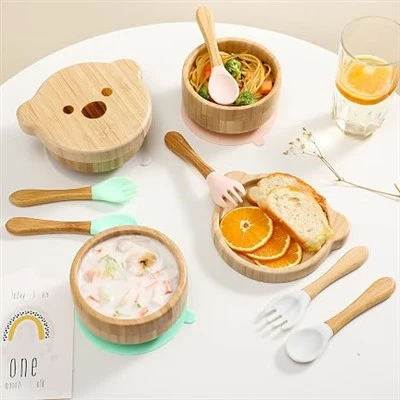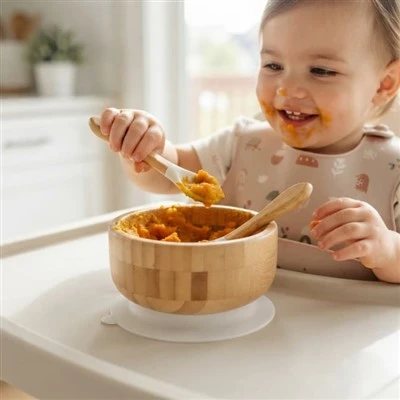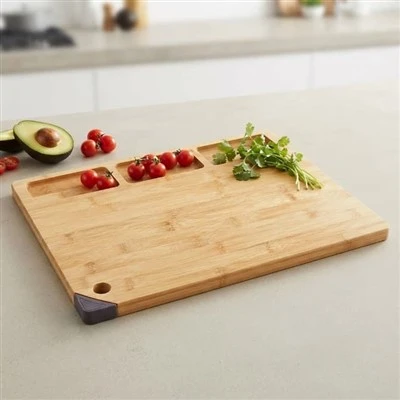







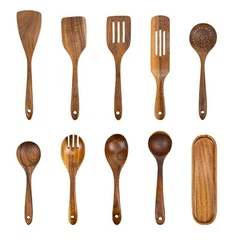


Bamboo kitchen utensils are cooking and serving tools made from bamboo, a fast-growing grass known for its strength, light weight, and natural appearance. Common products include spatulas, cooking spoons, tongs, ladles, turners, and complete utensil sets.
Once seen mainly as an eco-friendly alternative to plastic and other materials, bamboo utensils are now a mainstream choice for both home kitchens and retail product lines.
In this guide, we'll look at what bamboo kitchen utensils are, the main types available, their key benefits, and what to check when evaluating quality-whether you're buying for your kitchen or sourcing products for wholesale and private label programs.
Why Are Bamboo Kitchen Utensils Gaining Popularity?
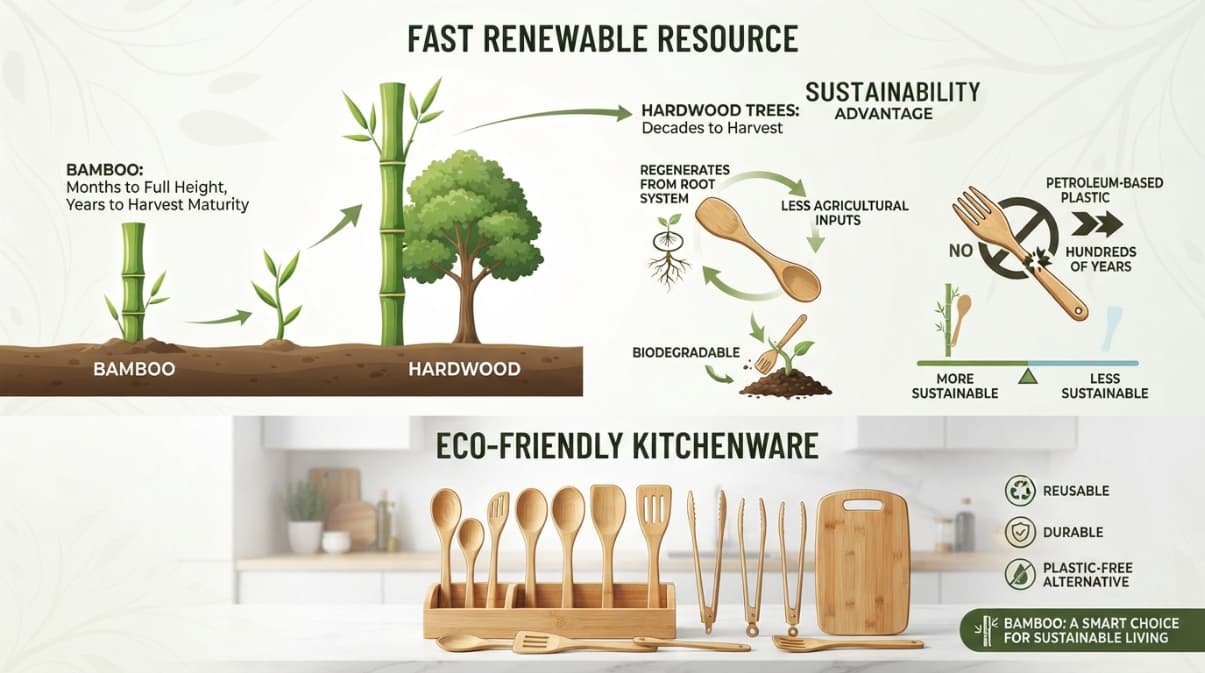
Consumer interest in bamboo kitchen utensils has grown alongside demand for plastic-free and reusable kitchen products. One reason is bamboo's rapid growth, which allows it to regenerate much faster than conventional hardwood trees.
Bamboo is one of the fastest-growing plants in the world. Depending on the species and growing conditions, some varieties can grow exceptionally quickly, reach their full height within a few months, and mature for harvesting within several years. By comparison, many hardwood trees require several decades to reach harvestable maturity.
This rapid growth gives bamboo a renewable raw material advantage and helps support a stable supply for kitchenware manufacturers.
Is Bamboo More Sustainable Than Plastic?
Bamboo has a clear advantage over petroleum-based plastic when it comes to renewability. Bamboo can regenerate from its existing root system after harvesting, reducing the need for replanting. It also generally requires fewer agricultural inputs than many conventional crops.
At the end of its useful life, untreated bamboo is biodegradable and can break down naturally under suitable conditions. Plastic, by contrast, can remain in the environment for very long periods.
However, sustainability depends on more than the material itself. Harvesting practices, manufacturing processes, finishes, packaging, transportation, and product lifespan all affect the overall environmental impact.
For this reason, bamboo kitchen utensils are widely used in eco-friendly kitchenware, reusable kitchen products, and plastic-free kitchen categories.
What Types of Bamboo Kitchen Utensils Are Available?
The category spans far more than a single spoon design. Manufacturers typically group bamboo kitchen utensils by function: cooking tools, eating cutlery, and serving accessories.
| Utensil Type | Primary Use | Common Search Terms |
|---|---|---|
| Bamboo spatula / turner | Flipping and stirring in pans | bamboo spatula, bamboo wok spatula |
| Bamboo cooking spoons | Stirring sauces, soups, batters | bamboo cooking spoons, bamboo soup spoon |
| Bamboo tongs | Serving salad, tossing pasta, grilling | bamboo tongs, bamboo salad tongs |
| Bamboo ladle | Serving soups and stews | bamboo ladle |
| Bamboo forks & sporks | Eating, plating, mini serving | bamboo forks, bamboo spork |
| Bamboo cutlery sets | Reusable dining or travel kits | bamboo cutlery set, bamboo travel cutlery set |
| Bamboo scoops | Portioning dry goods, ice, flour | bamboo scoops |
Bamboo Cooking Utensils vs. Bamboo Cutlery: What's the Difference?
Bamboo cooking utensils are built for heat contact and repeated stovetop use - spatulas, ladles, and stirring spoons fall here. Bamboo cutlery, by contrast, is designed for the table: forks, knives, and eating spoons that touch food directly rather than a hot pan.
Retailers often bundle both into a single bamboo kitchen utensil set, which is why this term consistently ranks as one of the highest-volume searches in the category.
What Are the Key Benefits of Bamboo Kitchen Utensils?
Sustainability isn't the only reason bamboo utensils are popular. Their combination of light weight, durability, and cookware-friendly performance also makes them practical for everyday use.
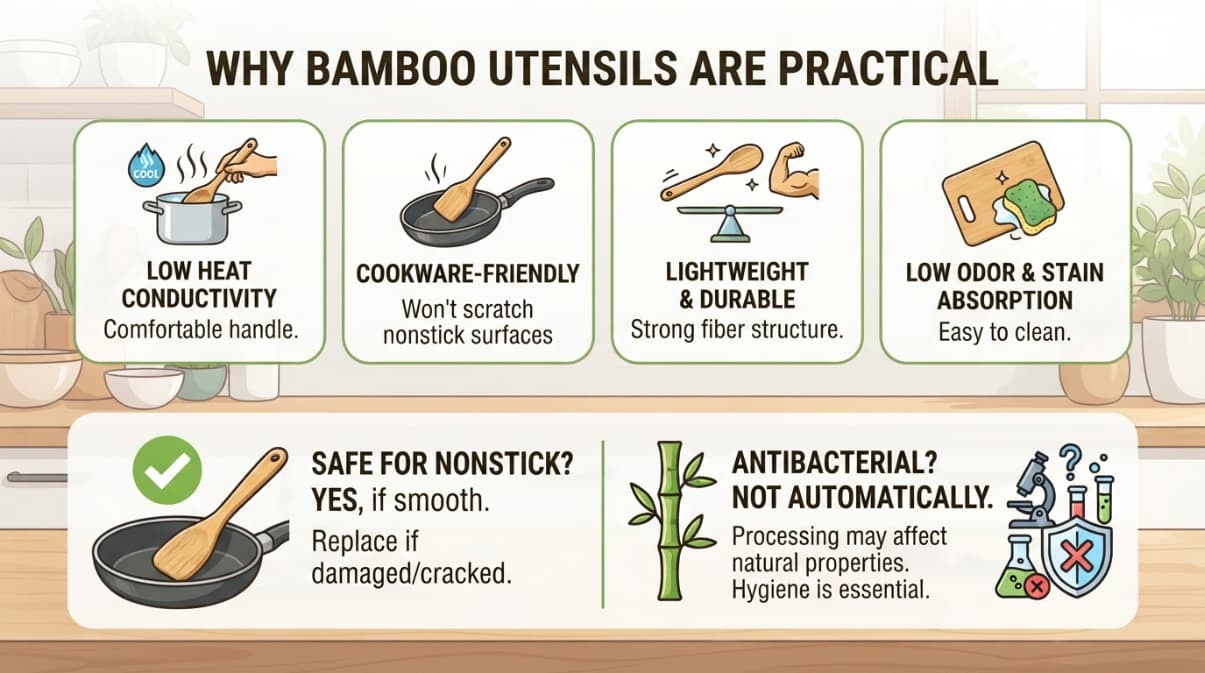
Low heat conductivity: Bamboo conducts much less heat than metal, so handles are generally more comfortable to hold during cooking.
Cookware-friendly: Bamboo is softer than metal and is suitable for use with nonstick, ceramic, and enamel cookware.
Lightweight and durable: Bamboo has a strong fiber structure that provides good durability without adding unnecessary weight.
Low odor and stain absorption: A properly finished bamboo surface is less likely to absorb food odors and stains than unfinished softwood.
Are Bamboo Kitchen Utensils Safe for Nonstick Cookware?
Yes. Bamboo is relatively soft compared with metal, so it is much less likely to scratch nonstick coatings during normal use.
This makes bamboo cooking utensils a practical choice for nonstick, ceramic, and enamel cookware.
However, any utensil can become abrasive if its surface develops cracks, splinters, or rough edges. Replace or refinish damaged utensils when necessary.
Do Bamboo Utensils Have Antibacterial Properties?
Bamboo is sometimes promoted as naturally antibacterial because certain bamboo species contain a compound commonly known as bamboo kun. Some laboratory studies have reported antimicrobial activity in natural bamboo materials against microorganisms such as E. coli and Staphylococcus aureus.
However, this does not mean that finished bamboo kitchen utensils are automatically antibacterial. Processing methods such as steaming, carbonization, gluing, and lamination can affect the natural compounds in bamboo.
For this reason, buyers should not rely on antibacterial claims without relevant standardized test data for the finished product.
Regardless of the material, proper hygiene remains essential. Bamboo utensils should be washed after use, dried thoroughly, and replaced when they develop deep cracks, mold, or significant surface damage.
| Material | Heat Safety | Scratch Risk to Cookware | Biodegradable | Typical Lifespan |
|---|---|---|---|---|
| Bamboo | High (poor heat conductor) | Very low | Yes | 2–5 years with care |
| Plastic (nylon/silicone) | Moderate (can warp/melt) | Very low | No | 1–3 years |
| Stainless steel | High | High on nonstick coatings | Recyclable, not biodegradable | 10+ years |
| Untreated hardwood | High | Very low | Yes | 3–6 years |
How Should You Choose the Best Bamboo Kitchen Utensils?
Not all bamboo kitchen utensils are made to the same standard. Buyers evaluating a bamboo kitchen utensil set, whether for personal use or retail import, should check construction quality before price.
What Should Buyers Look for in a Bamboo Kitchen Utensil Set?
Look past the marketing language and inspect the actual build. The best bamboo kitchen utensils share a few consistent traits regardless of brand.
| Quality Signal | What to Check | Why It Matters |
|---|---|---|
| Finish | Food-grade mineral oil or beeswax, not synthetic lacquer | Avoids chemical transfer to food |
| Grain | Tight, uniform grain with no visible glue lines on solid pieces | Indicates mature bamboo, not scrap laminate |
| Edges | Smooth, sanded, no splinters at joints | Prevents micro-cracking and bacteria pockets |
| Certification | FSC sourcing or third-party food-safety testing | Confirms sustainable harvest and safe materials |
| Handle balance | Even weight distribution, comfortable grip | Reduces hand fatigue during extended cooking |
Organic bamboo cooking utensils, harvested without pesticide-heavy farming, are increasingly requested by buyers focused on both sustainability and food safety - a niche worth stocking alongside standard bamboo kitchen accessories lines.
How Do You Care for Bamboo Kitchen Utensils?
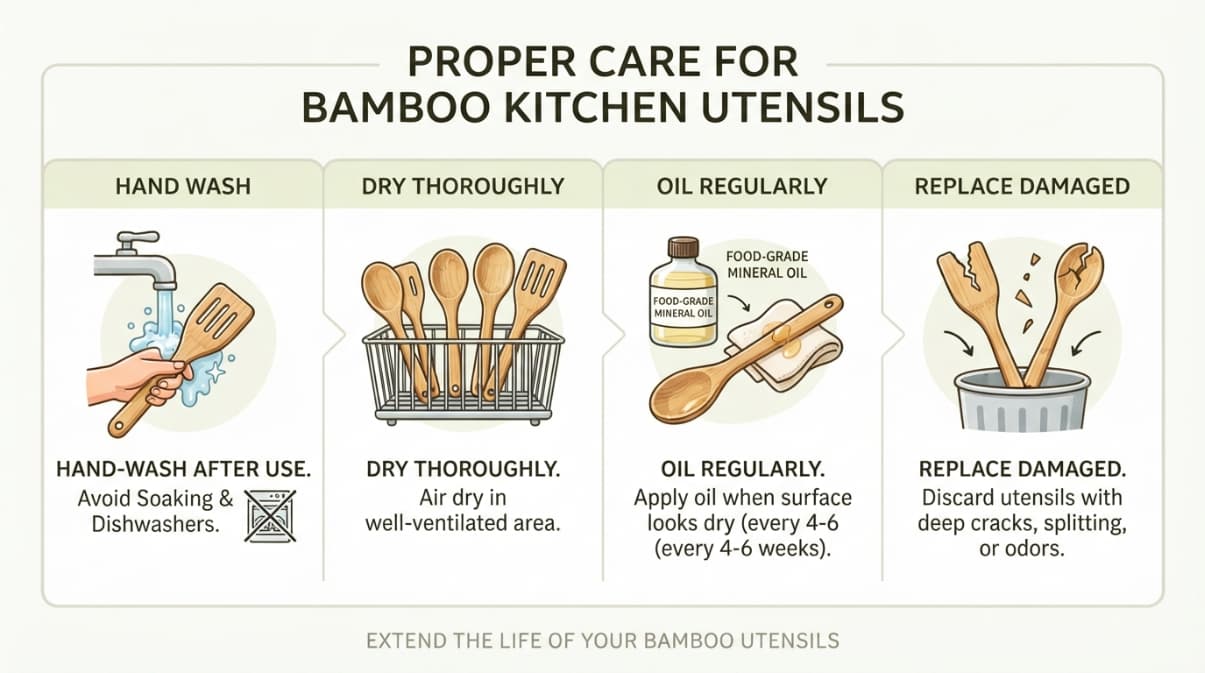
Proper care can significantly extend the life of bamboo kitchen utensils. A few simple habits make a big difference:
Hand-wash after use. Avoid prolonged soaking and frequent dishwasher use, as heat and moisture can cause bamboo to swell, dry out, or crack.
Dry thoroughly. Place utensils upright or in a well-ventilated area rather than leaving them in a damp pile.
Oil regularly. Apply food-grade mineral oil when the surface begins to look dry, typically every 4–6 weeks with regular use.
Replace damaged utensils. Discard utensils with deep cracks, splitting, severe grooves, or persistent odors that cannot be removed through normal cleaning.
How Long Do Bamboo Kitchen Utensils Last?
A quality bamboo utensil can last several years with proper care. Actual service life depends on how often it is used, how it is cleaned, and the quality of the bamboo and finish.
Regular cleaning, thorough drying, and occasional oiling help slow surface wear and reduce the risk of cracking or splitting.
The Bottom Line
Bamboo kitchen utensils combine renewable material, lightweight durability, cookware-friendly performance, and natural biodegradability. From individual cooking spoons and spatulas to complete bamboo utensil sets, there are options for everyday kitchens as well as retail and wholesale programs.
When sourcing bamboo kitchen utensils, look beyond appearance and compare the bamboo material, construction, finish, food-contact compliance, and production quality to find the right product for your market.
For wholesale and private label buyers, our bamboo kitchen utensil range is available with different designs, finishes, packaging options, and OEM customization.
FAQ
Q: Are bamboo kitchen utensils better than wooden ones?
A: Both can be safe and durable. Bamboo is generally harder and more moisture-resistant than many common softwoods, while also growing much faster.
Q: Can bamboo kitchen utensils go in the dishwasher?
A: It's best to avoid it. Prolonged heat and moisture can cause bamboo to crack or warp. Hand-wash and air-dry for longer product life.
Q: Do bamboo utensils affect the taste of food?
A: No, not when properly finished and maintained. However, untreated or poorly maintained bamboo can absorb food odors over time.
Notes and Definitions
Bamboo kun - a naturally occurring antimicrobial compound found in bamboo fiber, believed to help the living plant resist bacteria and fungi.
Bacteriostatic - describes a material or substance that inhibits bacterial growth without necessarily killing existing bacteria.
Food-contact material - any material intended to touch food during preparation, cooking, or serving, generally subject to food-safety regulation in most markets.
FSC (Forest Stewardship Council) - an independent certification confirming a wood or bamboo product came from responsibly managed forestry.
Lignin/cellulose - structural plant compounds that give bamboo its rigidity and resistance to decay.
References
Bamboo for the Future: From Traditional Use to Industry 5.0 Applications - NCBI PMC
Transcriptome Sequencing and Analysis of the Fast Growing Shoots of Moso Bamboo - NCBI PMC
The Antibacterial Performance of Natural Bamboo Fiber - SWST
Bamboo Is the Fastest Growing Plant on Earth - Guadua Bamboo
High-strength, multi-mode processable bamboo bioplastic - PMC / Nature Communications