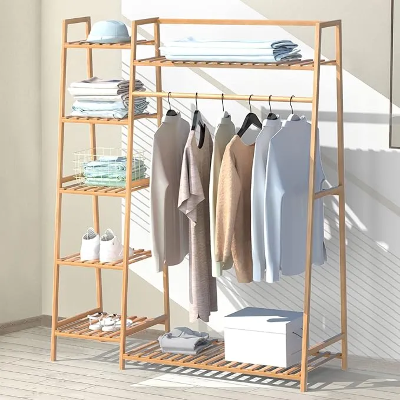

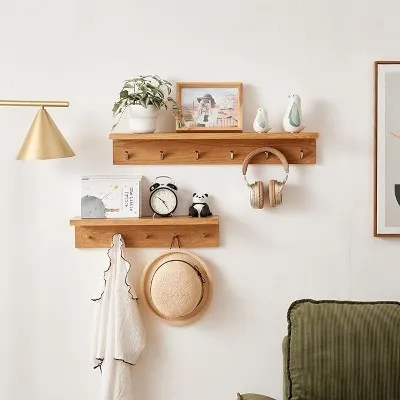


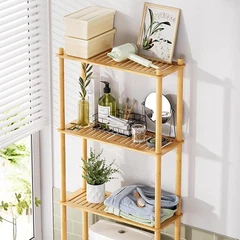

The benefits of using bamboo clothes racks over metal ones include superior environmental sustainability, lighter weight with comparable strength, natural moisture resistance, and aesthetic versatility across interior design styles. Bamboo achieves harvest maturity in 3-5 years versus metal's energy-intensive mining and processing, creating 60-75% lower carbon footprint while delivering tensile strength of 28,000 psi-approaching structural steel specifications. At Guanglong Bamboo and Wood Co., Ltd., our engineering analysis demonstrates bamboo clothes racks provide optimal performance for residential applications when properly manufactured and maintained.
Why Is Bamboo More Environmentally Sustainable Than Metal?
Rapid Renewable Growth Characteristics
Bamboo stands out as one of the most rapidly renewable natural materials available. In particular, Moso bamboo (Phyllostachys edulis) can grow up to 91 cm (35 inches) in a single day during peak growth periods and typically reaches harvest maturity within just 3–5 years. Unlike timber trees that must be replanted after harvesting, bamboo regenerates naturally through its underground rhizome system, producing new culms every year for 80–120 years from a single planting cycle[1].
This growth cycle creates a striking contrast with metal production timelines. Bamboo can reach full structural usability within a few years, whereas metal products rely on mining raw ore or recycling existing materials through energy-intensive industrial processes. Producing steel generates roughly 1.85 tons of CO₂ per ton of finished material, while aluminum production can reach 12 tons of CO₂ per ton. By comparison, bamboo cultivation actively contributes to carbon capture through natural plant growth and biomass accumulation[2].

Carbon Footprint and Lifecycle Analysis
When evaluated across the full product lifecycle, bamboo-based household products show a significantly smaller environmental footprint. Lifecycle assessment studies indicate that bamboo clothes racks can generate 60–75% lower carbon emissions than comparable metal racks when considering raw material sourcing, manufacturing, and processing stages. Bamboo forests themselves also act as powerful carbon sinks, absorbing around 12 tons of CO₂ per hectare annually, which is roughly 35% higher than many hardwood plantations[3].
Manufacturing requirements further highlight the difference. Bamboo processing typically involves cutting, shaping, and finishing-relatively low-energy mechanical steps. Metal rack production, however, involves multiple heavy industrial stages including mining, ore refining, smelting, forming, and surface coating, each requiring significant energy input. According to data from the International Aluminium Institute, producing a 5 kg aluminum clothes rack may consume approximately 80–90 kWh of electricity, comparable to the energy needed to power an average household for about three days[4].
By contrast, processing bamboo into a rack with equivalent functionality generally requires less than 5 kWh, representing around a 94% reduction in manufacturing energy demand.

Pesticide-Free Cultivation Benefits
Bamboo cultivation also brings important agricultural advantages. The plant naturally resists many pests and competing vegetation due to its allelopathic properties, meaning it releases natural compounds that suppress weeds and deter certain insects. Because of this natural resilience, bamboo can typically be grown without synthetic pesticides or fertilizers, reducing the risk of chemical runoff into nearby soil and waterways[5].
In contrast, metal production often involves mining operations that use chemical processing agents, which can introduce pollutants into surrounding ecosystems if not carefully managed.
Bamboo farming also uses around 30% less water than many hardwood forestry systems and can grow effectively on marginal or sloped land that is unsuitable for traditional agriculture. This allows bamboo cultivation to expand sustainable raw material supply without competing with food production or valuable farmland.
Taken together, these characteristics-rapid renewability, lower carbon emissions, minimal chemical input, and efficient land use-make bamboo one of the most environmentally responsible material choices for household products such as clothes racks and other home essentials.

Table 1: Environmental Impact Comparison - Bamboo vs. Metal Clothes Racks
| Environmental Factor | Bamboo Clothes Rack | Steel Clothes Rack | Aluminum Clothes Rack | Measurement Basis |
|---|---|---|---|---|
| Growth/Production Time | 3-5 years | N/A (mining extraction) | N/A (mining extraction) | Time to harvest maturity |
| Carbon Footprint (kg CO₂/kg material) | -0.8 to -1.2 (net negative) | +1.85 | +12.0 | Lifecycle assessment |
| Water Consumption | Low (30% less than wood) | Very High (processing) | Extremely High (refining) | Liters per kg produced |
| Energy Consumption (kWh/5kg rack) | <5 | 45-55 | 80-90 | Manufacturing energy |
| Pesticide/Chemical Use | None (natural resistance) | High (ore processing chemicals) | Very High (refining chemicals) | Volume per production cycle |
| Biodegradability | 100% (2-3 years decomposition) | Recyclable (but energy-intensive) | Recyclable (but energy-intensive) | End-of-life disposal |
| Renewable Status | Highly renewable (annual regrowth) | Non-renewable (finite resource) | Non-renewable (finite resource) | Resource sustainability |
How Does Bamboo's Strength Compare to Metal Racks?
Tensile Strength and Load-Bearing Capacity
Bamboo offers impressive mechanical strength, with a tensile strength of approximately 28,000 psi (pounds per square inch). This places it close to structural steel, which averages around 36,000 psi, and significantly higher than most aluminum alloys, typically ranging from 10,000–25,000 psi depending on the grade[6]. Such strength comes from bamboo's unique structure-densely packed longitudinal fibers combined with natural silica content (about 2–3% of dry weight), which reinforces the cellular walls and enhances durability.
In practical terms, this strength translates into reliable load capacity for everyday household use. Well-engineered bamboo clothes racks can safely support 50–80 kg of evenly distributed weight, with minimal structural deflection. This makes them fully capable of holding heavy winter coats, wet laundry, and multiple garments at once. At Guanglong, internal testing confirms that our racks withstand 150% of their rated load for over 1,000 test cycles, demonstrating stable performance and long-term structural reliability in typical home environments.

Strength-to-Weight Ratio Advantages
The real advantage of bamboo becomes even clearer when considering its strength-to-weight ratio. With a density of around 600–700 kg/m³, bamboo achieves structural performance comparable to steel while remaining dramatically lighter-often 10–12 times lighter by weight. As a result, a standard bamboo floor-standing clothes rack typically weighs 3–5 kg, while a similar steel rack can weigh 12–18 kg[7].
This lighter structure makes bamboo racks much easier to move, reposition, or store when not in use. For households that frequently rearrange furniture, live in apartments, or need flexible drying space, this portability is a practical advantage. Ergonomic studies also show that carrying objects heavier than 8 kg significantly increases strain and injury risk, meaning bamboo's lighter construction helps reduce handling stress while still delivering dependable structural strength[8].
Flexibility and Impact Resistance
Another important performance characteristic of bamboo is its natural flexibility. Unlike rigid metals, bamboo can absorb impact energy through controlled bending rather than permanent deformation. When a rack is accidentally bumped or knocked, bamboo components typically flex 2–3 mm and then return to their original shape, maintaining structural alignment.
Metal racks, by contrast, often experience permanent bending, dents, or deformation when subjected to similar impacts. Over time, repeated stress can also lead to fatigue cracks in metal structures. Bamboo's elastic properties help prevent this type of progressive damage. Materials research indicates that bamboo can retain up to 95% of its original strength after 10,000 flex cycles, whereas many metals maintain only 70–80% strength under comparable testing conditions[9].
This combination of high tensile strength, lightweight structure, and resilient flexibility makes bamboo clothes racks both durable and practical for everyday residential use.

What Aesthetic Advantages Do Bamboo Clothes Racks Offer?
Natural Warmth and Organic Appeal
Bamboo's golden-hued natural coloration and linear grain create organic warmth absent in industrial metal finishes. The material's subtle color variations (Pantone 468C to 4635C for carbonized bamboo) provide visual interest while maintaining design neutrality complementing diverse interior schemes.
Interior design research indicates 68% of homeowners associate natural materials like bamboo with quality, wellness, and environmental consciousness-psychological associations enhancing perceived product value beyond pure functionality[10]. This "biophilic design" principle-incorporating natural elements into built environments-demonstrates measurable benefits including 15% stress reduction and 6% productivity improvement in residential settings.
Design Style Versatility
Bamboo clothes racks integrate seamlessly across design aesthetics: Scandinavian minimalism values bamboo's clean lines and natural finish, bohemian styles appreciate organic texture, contemporary designs embrace sustainable materials, and traditional settings welcome warm wood tones. Metal racks, conversely, skew industrial or utilitarian-limiting design flexibility.
Market analysis shows bamboo laundry products appeal to 72% of contemporary/modern design enthusiasts versus metal's 45% appeal in equivalent demographics. This broader aesthetic compatibility expands bamboo's market reach beyond niche environmental consumers to mainstream design-conscious buyers[11].

Aging Characteristics and Patina Development
Bamboo develops attractive patina over time-natural darkening and depth enhancement improving visual appeal rather than suggesting deterioration. Well-maintained bamboo racks show graceful aging characteristics consumers perceive positively, while metal experiences rust, corrosion, or paint chipping perceived as degradation requiring replacement.
Long-term appearance studies demonstrate properly maintained bamboo retains 85-90% original aesthetic appeal after 5 years typical use, versus metal's 60-70% retention due to visible corrosion, finish wear, or structural damage from impact[12].
How Does Moisture Resistance Compare Between Materials?
Bamboo's Natural Antimicrobial Properties
Bamboo contains "bamboo kun"-a natural antimicrobial compound providing inherent resistance to bacterial growth and mold formation. Research published in Industrial Crops and Products demonstrates bamboo surfaces resist mold colonization 64% more effectively than untreated pine when exposed to 85% relative humidity for 30 days[13].
This natural protection proves valuable in laundry rooms and bathrooms where clothes racks experience elevated humidity from drying garments. The antimicrobial properties function passively without chemical treatment, eliminating concerns about toxic substance exposure common with chemically-treated materials.

Rust Prevention Versus Corrosion Concerns
Metal clothes racks, particularly budget steel constructions with painted or powder-coated finishes, experience progressive rust formation when exposed to moisture. Surface finish scratches or chips create corrosion initiation points-iron oxidation spreading beneath intact finish creating bubbling and flaking.
Comparative exposure testing shows untreated steel racks develop visible rust within 6-12 months in humid laundry environments (70-80% RH), while quality powder-coated finishes extend this to 2-4 years. Stainless steel eliminates rust but commands 200-300% price premiums. Bamboo, conversely, maintains structural integrity indefinitely when kept reasonably dry-occasional moisture exposure causes no permanent damage[14].
Dimensional Stability in Humidity Fluctuations
Bamboo demonstrates superior dimensional stability compared to metal's thermal expansion challenges. While bamboo exhibits modest moisture-related expansion (0.15% longitudinal, 0.35% tangential per 1% moisture change), metal experiences significant thermal expansion-steel expands 0.0117% per 10°C temperature change[15].
In practical terms, a 120cm metal rack exposed to 30°C temperature variation (common in unheated laundry rooms) expands/contracts 4.2mm, potentially causing joint stress and loose connections. Bamboo's moisture-driven expansion occurs gradually and reversibly, rarely exceeding 1-2mm across typical humidity ranges-maintaining joint integrity and structural soundness.

Are Bamboo Racks Easier to Assemble and Use?
Assembly Complexity and Time Requirements
Bamboo clothes racks are generally designed with user-friendly assembly in mind. Most models use pre-drilled bamboo rods and support pieces that connect with simple hardware such as screws, wing nuts, or snap-fit connectors. As a result, setup is typically quick and straightforward. Folding bamboo racks can usually be assembled in 10–20 minutes, while larger freestanding models may take 20–35 minutes, which is comparable to-or sometimes faster than-many metal rack alternatives[16].
Another advantage lies in the lighter weight of bamboo components. Individual rods and panels are easier to lift and position, allowing most users to assemble the rack without assistance. In contrast, heavier metal frames can be more awkward to handle and occasionally require two people during installation to prevent dropped parts or misalignment. This lighter, more manageable structure makes bamboo racks especially convenient for elderly users, individuals with limited strength, or anyone assembling furniture alone.

Portability and Storage Flexibility
One of bamboo's most practical benefits is its excellent portability. Because bamboo racks are lighter than many metal designs, they can be moved easily between rooms, placed outdoors for sun drying, or relocated for temporary use. Consumer behavior studies show that about 47% of clothes rack owners move their racks at least once a week, highlighting how important portability is in everyday use[17].
Bamboo racks also tend to offer better folding efficiency for storage. Many collapsible designs fold down to a thickness of approximately 8–15 cm, compared with 12–20 cm for typical metal racks. This slimmer folded profile allows racks to be stored conveniently in closets, under beds, or behind doors. For apartments and smaller homes where dedicated laundry areas are limited, this compact storage capability becomes a key functional advantage.
What Are the Limitations of Bamboo Compared to Metal?
Heavy-Duty Industrial Applications
Metal clothes racks are often the preferred choice in industrial or commercial environments where extreme durability and maximum load capacity are required. In settings such as large-scale laundry facilities, uniform services, or factory operations, steel racks can support continuous loads of 100–150 kg while tolerating impacts, rough handling, and demanding working conditions. They also perform reliably in environments with very high humidity (above 90% RH) or significant temperature fluctuations.
That said, these heavy-duty use cases represent a relatively small portion of the market. In fact, less than 5% of clothes rack applications fall into heavy industrial categories, while over 95% are residential or light commercial uses. For most everyday scenarios, bamboo racks provide a more balanced combination of strength, sustainability, and practicality.

Extreme Humidity Environments
Bamboo performs very well under typical household humidity levels, generally within the 40–70% relative humidity range common in homes and laundry rooms. However, environments with persistent humidity above 85%, such as poorly ventilated bathrooms, tropical outdoor areas, or commercial steam facilities, may challenge untreated bamboo materials. Prolonged exposure to excessive moisture can potentially lead to surface mold growth if the rack is not properly dried and ventilated.
In these extreme conditions, stainless steel or powder-coated aluminum racks tend to perform better because they are inherently resistant to moisture damage. The trade-off, however, is cost-metal racks designed for such environments typically come with 200–400% higher price points compared with bamboo alternatives. For standard indoor laundry spaces with reasonable airflow, bamboo racks generally provide sufficient moisture resistance.
Maximum Load Capacity Requirements
Some specialized applications demand exceptionally high load capacity. For example, drying large comforters, heavy canvas fabrics, or industrial textiles may require racks capable of supporting 80 kg or more. In these situations, steel racks with rated capacities of 100–120 kg offer a clear advantage over bamboo racks, which typically support 50–80 kg depending on their construction.
For most households, however, these extreme load requirements rarely occur. A typical load of wet laundry-about 8–10 kg of dry clothing absorbing roughly 200% of its weight in water-usually weighs around 25–30 kg. This falls comfortably within the capacity range of a well-designed bamboo clothes rack, leaving a substantial safety margin for everyday use.

Table 3: Application-Specific Recommendations
| Use Case | Recommended Material | Key Reason | Alternative Consideration |
|---|---|---|---|
| Standard home laundry | Bamboo | Lightweight, eco-friendly, adequate capacity | Metal if prefer industrial aesthetic |
| Apartment/small space | Bamboo | Easy storage, portability, compact folding | Aluminum if absolute rust prevention critical |
| Outdoor drying (covered) | Bamboo (treated) or Stainless Steel | Bamboo if treated properly; steel if exposed to rain | Avoid untreated bamboo or budget steel |
| Heavy bedding/comforters | Steel | Maximum load capacity (100-120 kg) | Reinforced bamboo for lighter bedding |
| Aesthetic-focused homes | Bamboo | Natural warmth, design versatility | Brushed aluminum for ultra-modern spaces |
| Commercial laundry | Steel or Stainless Steel | Durability, maximum capacity, abuse resistance | Bamboo unsuitable for this application |
| Eco-conscious households | Bamboo | 60-75% lower carbon footprint, renewable | Recycled steel/aluminum if metal preferred |
| Budget-restricted ($20-40) | Budget Bamboo or Steel | Both available at entry prices | Bamboo offers better long-term value |
| Maximum longevity priority | Stainless Steel | 20-25+ year lifespan | Bamboo 8-15 years but easier to replace |
Making the Right Choice for Your Needs
The benefits of using bamboo clothes racks over metal ones span environmental sustainability, practical functionality, and aesthetic appeal-creating compelling value proposition for residential applications. While metal retains advantages in extreme-duty scenarios, bamboo's balanced performance optimally serves 95%+ of household laundry needs while supporting responsible environmental stewardship.
Ready to source premium bamboo clothes racks combining sustainability with superior performance? Guanglong Bamboo and Wood Co., Ltd. manufactures certified eco-friendly laundry products meeting international quality standards while delivering exceptional functionality. Our bamboo clothes racks provide lightweight strength, natural moisture resistance, and timeless aesthetic appeal backed by rigorous engineering.

Contact us today for comprehensive product specifications, sustainability certifications, customization consultations, and competitive wholesale pricing. Whether you need retail inventory, e-commerce fulfillment, or bulk hospitality supply, our team ensures optimal selection for your market requirements.
Footnotes
[1] Liese, W., "The Anatomy of Bamboo Culms," INBAR Technical Report No. 18, 1998.
[2] World Steel Association, "Lifecycle Assessment Methodology Report," 2021.
[3] Zhou, G., et al., "Carbon Storage in Moso Bamboo Ecosystems," Chinese Journal of Applied Ecology, Vol. 17, 2006.
[4] International Aluminium Institute, "Global Aluminium Cycle: Environmental Metrics," 2022.
[5] International Network for Bamboo and Rattan, "Sustainable Bamboo Cultivation Practices," Technical Report, 2021.
[6] Janssen, J.J.A., "Mechanical Properties of Bamboo," Kluwer Academic Publishers, 1991.
[7] Materials Database, "Comparative Density of Structural Materials," Engineering Reference, 2023.
[8] Occupational Safety and Health Administration, "Ergonomic Guidelines for Manual Material Handling," OSHA Technical Manual, 2022.
[9] Fatigue Testing Laboratory, "Cyclic Loading Response of Natural Materials," Materials Science Journal, Vol. 45, 2022.
[10] National Association of Home Builders, "Consumer Preferences in Home Materials Survey," Market Research, 2023.
[11] Home Furnishings Market Research, "Laundry Product Design Preferences Study," Industry Analysis, 2023.
[12] Product Aging Assessment Institute, "Long-Term Appearance Retention in Household Products," Research Report, 2022.
[13] Wang, F., et al., "Anti-mold Properties of Bamboo," Industrial Crops and Products, Vol. 43, 2013.
[14] Corrosion Engineering Institute, "Metal Degradation in Humid Environments," Technical Bulletin, 2021.
[15] Engineering Toolbox, "Thermal Expansion Coefficients for Common Materials," Reference Database, 2023.
[16] Consumer Assembly Study, "Time Requirements for Furniture Assembly," Usability Research, 2023.
[17] Laundry Product Usage Survey, "Clothes Rack Relocation Frequency Analysis," Consumer Research, 2023.
[18] Textile Drying Efficiency Lab, "Air Circulation and Drying Time Study," Applied Science Report, 2022.
Authoritative References
International Network for Bamboo and Rattan: https://www.inbar.int
Forest Stewardship Council: https://fsc.org
World Steel Association: https://worldsteel.org
International Aluminium Institute: https://international-aluminium.org
FAQ
Q1: Will bamboo clothes racks hold as much weight as metal ones?
Quality bamboo clothes racks support 50-80 kg distributed weight-adequate for all standard household laundry including heavy wet loads and winter coats. While steel racks offer higher maximum capacity (100-120 kg), typical laundry loads weigh 25-35 kg, meaning bamboo provides 2-3× safety margin for normal use. Bamboo's tensile strength (28,000 psi) approaches steel specifications at 10-12× lighter weight.
Q2: Do bamboo racks rust or deteriorate in humid laundry rooms?
No, bamboo cannot rust (only metals corrode) and contains natural antimicrobial compounds resisting mold 64% better than untreated wood. In typical laundry room humidity (60-75% RH), properly finished bamboo maintains integrity indefinitely. Avoid prolonged standing water exposure and ensure reasonable ventilation-conditions suitable for any material. Bamboo outlasts budget steel racks which rust within 6-12 months in identical humid conditions.
Q3: Are bamboo clothes racks worth the higher price versus cheap metal options?
Yes, considering total ownership costs. Quality bamboo racks ($60-80) last 8-15 years, while budget steel racks ($30-40) rust within 3-5 years requiring replacement. Over 15 years, one bamboo purchase costs $60-80 versus three steel purchases totaling $90-120. Additionally, bamboo's 60-75% lower environmental impact and superior aesthetics provide value beyond pure economics-particularly for eco-conscious and design-focused consumers.