


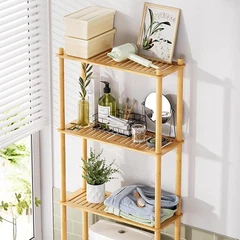
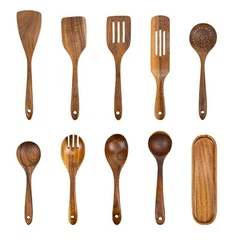
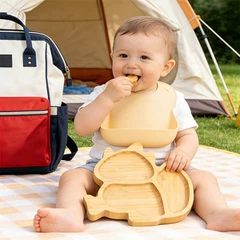

Choosing the right bamboo shelf unit for your kitchen or bathroom is a practical decision with long-term consequences. The wrong choice can warp, mould, or collapse - the right one offers years of durable, eco-friendly storage. This guide breaks down every key factor so you can invest with confidence.
Why Bamboo? Understanding the Material Before You Buy
Bamboo is often mistaken for wood, but botanically it is a type of grass. Despite this classification, its fiber structure delivers remarkable mechanical performance-its fibre-to-weight tensile strength can rival that of steel¹. Because of this unique property, bamboo shelving units offer an excellent balance of visual appeal and structural durability, making them a popular option for modern home storage.
That said, the quality of bamboo shelving products can differ significantly. Genuine laminated bamboo, produced by compressing dense bamboo strips under high pressure, provides far greater strength and durability. In contrast, some products marketed as "bamboo" are actually MDF or composite boards with a thin bamboo veneer², which rely heavily on resin-based cores rather than solid bamboo structure. Checking the product specifications carefully before purchasing is essential.

What Is the Difference Between Solid Bamboo and Bamboo Composite Shelves?
Shelves made from solid laminated bamboo generally offer higher density and improved resistance to humidity, deformation, and heavy loads. Composite alternatives may appear visually similar, but they typically consist of MDF panels covered with a decorative bamboo surface layer. In environments such as bathrooms, kitchens, or other humid areas, these composite boards are more prone to swelling, bending, or surface separation over time.
When evaluating bamboo shelving products, it is advisable to confirm details such as the actual bamboo content and the type of adhesive used during manufacturing. High-quality products that comply with CARB Phase 2³ standards use low-formaldehyde adhesives, helping maintain healthier indoor air quality while ensuring long-term product safety.
How Does Moisture Resistance Affect Bamboo Bathroom Shelf Performance?
Moisture is one of the biggest factors affecting the durability of bamboo bathroom shelves. In a typical bathroom environment, relative humidity can rise above 90% during showers⁴. If the bamboo surface is not properly sealed, the material can absorb moisture quickly, which may lead to swelling, color changes, or even mold formation over time.
To improve moisture resistance, it is important to choose shelves finished with protective coatings such as polyurethane or spar varnish. These finishes create a protective layer over the bamboo surface, helping to reduce water absorption. Even when a shelf has a high-quality coating, it should not be installed directly in areas exposed to constant water spray, and good bathroom ventilation should always be maintained.

Which Finish Provides the Best Moisture Protection for Bamboo Kitchen Shelves?
Among common finishing options, polyurethane is widely considered one of the most effective coatings for bamboo kitchen shelves because it forms a durable and water-resistant surface. For spaces exposed to higher humidity levels, spar varnish (a marine-grade finish) can provide even stronger protection against moisture and environmental changes.
To maintain long-term performance, shelves used in humid areas should have their protective finish reapplied every 12–18 months⁵, particularly in regions with consistently high humidity, such as coastal climates.
Table 1: Bamboo Shelf Finish Types Compared
| Finish Type | Moisture Resistance | Durability | Best For |
|---|---|---|---|
| Polyurethane | High | 3–5 years | Kitchens & bathrooms |
| Spar Varnish | Very High | 5+ years | High-humidity bathrooms |
| Oil/Wax | Moderate | 1–2 years | Low-humidity areas only |
| Unfinished | None | Months | Dry storage only |
Size, Load Capacity, and Design: What Dimensions Should a Bamboo Shelf Have?
Before buying a bamboo shelving unit, it's important to measure the available space carefully. Consider the shelf's height, width, and depth, as well as its distance from nearby sinks, faucets, or heat sources. Shelves that extend too far over a sink or cooking area may be exposed to constant moisture or heat, which can shorten the product's lifespan and create potential safety concerns.
Another factor many buyers overlook is load capacity. A typical 4-tier bamboo storage shelf with wall anchoring can usually support around 10–15 kg per shelf in standard consumer models, while higher-end designs may handle up to 25 kg per tier⁶. Always verify the load rating listed in the technical specifications rather than relying solely on promotional descriptions.

Freestanding vs. Wall-Mounted Bamboo Shelving: Which Is Better?
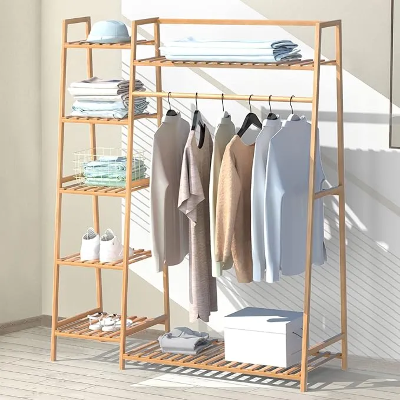
Freestanding bamboo shelves are popular because they are easy to install and can be moved whenever needed. They require no drilling and work well for renters or flexible room layouts. However, taller units may become unstable if weight is distributed unevenly. For shelves over 120 cm in height, using anti-tip straps or wall anchors is strongly recommended to improve safety.
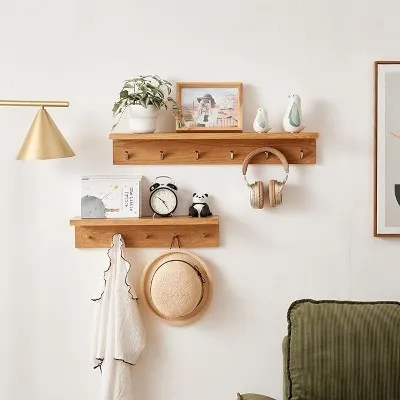
Wall-mounted bamboo shelves, on the other hand, are ideal for saving floor space and typically provide better stability. When installing them, make sure the wall structure can safely support the weight. Standard plasterboard alone may not be sufficient unless appropriate cavity anchors rated for the required load are used. Proper installation ensures the shelf remains secure while supporting stored items.
Sustainability and Indoor Air Quality: Are Your Bamboo Shelves Truly Eco-Friendly?
Bamboo reaches harvest maturity in just 3–5 years, compared with 20–50 years for many hardwood species⁷. This rapid growth cycle makes bamboo a highly renewable material-provided it is harvested through responsible forestry practices. When choosing bamboo shelving products, it is advisable to look for certifications such as FSC⁸ (Forest Stewardship Council) or PEFC⁹ (Programme for the Endorsement of Forest Certification), which indicate that the raw materials come from sustainably managed sources.
Another important factor is the adhesive used in laminated bamboo construction. Some bonding agents can release volatile organic compounds (VOCs) into indoor environments over time. Products that comply with CARB Phase 2 standards limit formaldehyde emissions to below 0.05 ppm³, helping maintain safer indoor air quality-especially important in enclosed spaces like kitchens and bathrooms.

Does the Best Bamboo Shelf Unit for Small Bathrooms Require Certification?
While certifications are not legally required in Australia, they serve as reliable indicators of product quality, environmental responsibility, and indoor safety. For compact bathrooms with limited ventilation, choosing shelves that combine CARB Phase 2 compliance with FSC-certified materials is widely considered a best-practice approach. Together, these standards help ensure the product meets both health and sustainability expectations.
Table 2: Key Certifications for Bamboo Shelf Units
| Certification | What It Covers | Why It Matters |
|---|---|---|
| FSC | Responsible bamboo sourcing | Ensures sustainable harvesting |
| PEFC | Chain-of-custody for forest products | Supports ecosystem preservation |
| CARB Phase 2 | Formaldehyde emission limits | Protects indoor air quality |
| Low-VOC | Total volatile organic compounds | Reduces off-gassing in enclosed rooms |
How to Safely Anchor and Install a Freestanding Bamboo Shelf Unit
Stability is a critical factor when installing shelving, especially in homes with children or pets. According to the U.S. Consumer Product Safety Commission, furniture tip-over incidents result in roughly 22,500 emergency room visits each year¹⁰. Using anti-tip brackets or wall anchor kits can significantly reduce this risk and greatly improve overall household safety.
For wall-mounted installations in Australia, it is helpful to note that timber studs are typically spaced 450 mm or 600 mm apart¹¹. When installing shelves expected to hold more than 10 kg, securing them directly into the studs with 65 mm timber screws provides the most reliable support. If installation must be done on plasterboard without direct stud access, use cavity wall anchors rated for at least 1.5 times the anticipated load to ensure adequate strength.

What Are the Best Maintenance Practices to Extend the Life of Bamboo Shelving?
Regular care can significantly extend the lifespan of bamboo shelves. Wipe surfaces once a week with a slightly damp cloth to remove dust and moisture buildup. Avoid strong chemical cleaners, as they can damage protective finishes. In most cases, mild soap and water are sufficient to keep the surface clean while preserving the coating.
In bathrooms or other humid environments, it is advisable to inspect the protective finish every six months. If the coating shows signs of wear, reapplying polyurethane or a similar sealant can help restore moisture resistance and maintain durability.
For bamboo kitchen shelves placed near cooking areas, grease accumulation can gradually weaken the finish. Periodically wiping the surface with a diluted white vinegar solution is an effective way to remove grease while maintaining the integrity of the protective coating.
FAQ
Q1: Can bamboo shelves be used in a shower recess?
No. Even sealed bamboo should not be placed in direct shower spray zones. Use stainless steel or teak for wet shower environments.
Q2: How often should I re-seal a bamboo bathroom shelf?
Every 12–18 months in high-humidity bathrooms. Inspect the finish every 6 months and reapply where worn.
Q3: Is bamboo shelving safe near food preparation areas? Yes, provided the adhesives and finish are CARB Phase 2-compliant. Avoid shelves with unknown adhesive compositions near direct food contact surfaces.
Notes & References
¹ Amada, S. et al. (1997). Bamboo as a composite structure and its mechanical properties. Journal of Materials Science Letters.
² MDF (Medium Density Fibreboard): A composite wood product bonded with resin; highly susceptible to moisture swelling.
³ CARB Phase 2: California Air Resources Board standard limiting formaldehyde emissions to ≤0.05 ppm for composite wood products. arb.ca.gov
⁴ Building Science Corporation. Indoor Humidity and Moisture Control. buildingscience.com
⁵ Fine Homebuilding. Finishing Wood Surfaces in Wet Areas.
⁶ Load ratings reviewed across SONGMICS, Homfa, and Millwood Pines product specifications, 2023–2024.
⁷ World Bamboo Organization. Bamboo Facts. worldbamboo.net
⁸ FSC (Forest Stewardship Council): International non-profit certifying responsible forest management. fsc.org
⁹ PEFC (Programme for the Endorsement of Forest Certification): World's largest forest certification system. pefc.org
¹⁰ U.S. Consumer Product Safety Commission. Furniture Tip-Over Report, 2022. cpsc.gov
¹¹ National Construction Code (NCC) of Australia. ncc.abcb.gov.au
Authoritative Resources
Forest Stewardship Council - Certification Standards
CARB Composite Wood Products Regulations
World Bamboo Organization - Bamboo Facts
Building Science Corporation - Moisture Control
Australian Product Safety - ACCC