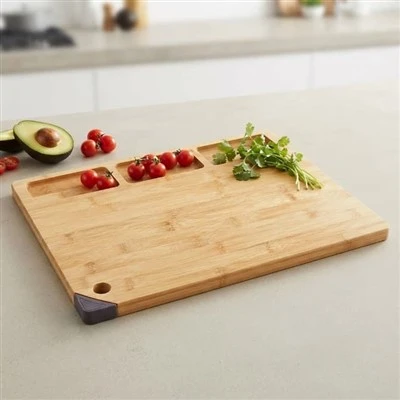








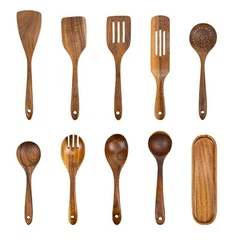
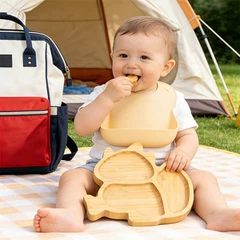

The application of appropriate finishing techniques to wooden food trays represents a critical intersection of food safety compliance, material durability, and aesthetic preservation. According to the FDA's 2024 Food Contact Substances Report¹, approximately 18% of wood-based food service products fail initial compliance testing due to inappropriate surface treatments, highlighting the paramount importance of proper finishing protocols. This comprehensive industry analysis examines the scientific principles, regulatory requirements, and practical methodologies that define excellence in wood trays for food finishing, providing evidence-based guidance for manufacturers, craftspeople, and quality assurance professionals navigating this complex technical domain.
How Do Food Safety Regulations Govern Wooden Tray Finishing Materials?
The regulatory framework governing wooden food trays finishing materials in the United States centers on the Federal Food, Drug, and Cosmetic Act (FFDCA)², specifically Title 21 of the Code of Federal Regulations (CFR) Part 177, which addresses indirect food additives including surface coatings and polymer substances. The FDA classifies food wood tray finishing materials as "food-contact substances" (FCS)³, requiring comprehensive safety assessments before commercial deployment.
European Union regulations under Framework Regulation (EC) No 1935/2004⁴ establish parallel requirements for materials intended to contact foodstuffs, with specific emphasis on migration testing protocols. These regulations mandate that wood tray food finishing materials must not transfer constituents to food in quantities that could endanger human health, alter food composition, or deteriorate organoleptic characteristics⁵.
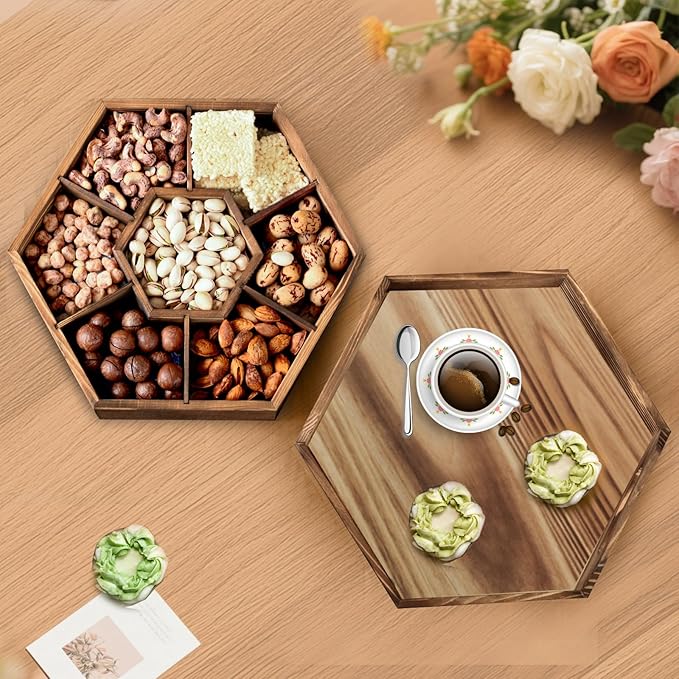
The FDA's Generally Recognized As Safe (GRAS) designation⁶ provides an expedited pathway for certain traditional finishing materials with extensive historical usage data. Mineral oil, beeswax, and certain vegetable oils qualify under GRAS provisions, simplifying compliance requirements for manufacturers of food tray wood products utilizing these conventional treatments.
Contemporary finishing materials for wooden food trays must undergo migration testing according to EU Regulation 10/2011⁷, which establishes specific migration limits (SML) for individual substances and overall migration limits (OML) not exceeding 10 mg/dm² or 60 mg/kg of food simulant. These rigorous testing protocols ensure that surface treatments maintain food safety across diverse usage scenarios including acidic foods, fatty substances, and elevated temperature conditions.
Food-Safe Finishing Materials Compliance Matrix
| Finishing Material | FDA Status | EU Regulation | Migration Limit (mg/kg) | Temperature Resistance (°F) | Typical Applications |
|---|---|---|---|---|---|
| Mineral Oil (USP Grade) | GRAS 21CFR172.878 | Approved | No limit | 212°F | Cutting boards, serving trays |
| Beeswax | GRAS 21CFR184.1973 | Approved | No limit | 147°F | Food contact surfaces |
| Walnut Oil (refined) | GRAS 21CFR184.1979 | Approved | No limit | 320°F | High-end serving pieces |
| Shellac (dewaxed) | FDA Approved | E904 Approved | 6 mg/kg | 180°F | Decorative food displays |
| Polyurethane (water-based) | FDA Compliant | Approved | <10 mg/dm² | 212°F | Commercial kitchenware |
| Carnauba Wax | GRAS 21CFR184.1978 | E903 Approved | No limit | 185°F | Protective topcoats |
Compliance verification requires documentation of raw material safety data sheets (SDS), migration testing certificates, and manufacturing process controls demonstrating consistent adherence to regulatory specifications⁸.
What Are the Primary Finishing Techniques for Wooden Serving Trays?
The technical landscape of wood trays for food finishing encompasses multiple methodological approaches, each offering distinct performance characteristics, application requirements, and durability profiles. Industry analysis conducted by the Wood Products Council⁹ identifies seven primary finishing categories dominating contemporary manufacturing practices.
Oil penetration finishing represents the most traditional approach for wooden food trays, utilizing natural or synthetic oils that penetrate wood cellular structures to provide moisture resistance while maintaining tactile properties. Mineral oil finishing, governed by USP (United States Pharmacopeia) specifications¹⁰, requires pharmaceutical-grade purity with viscosity ratings between 65-90 Saybolt Universal Seconds (SUS) at 100°F. Application protocols typically specify three to five coats applied at 24-hour intervals, achieving penetration depths of 2-3mm into wood substrates¹¹.
Polymerizing oil finishes, including tung oil and linseed oil formulations, undergo oxidative curing reactions when exposed to atmospheric oxygen, forming protective film layers on food tray wood surfaces. These finishes demonstrate superior water resistance compared to non-polymerizing mineral oils, with contact angle measurements showing hydrophobic properties exceeding 95 degrees¹². However, curing periods extending 7-14 days limit production throughput compared to faster-drying alternatives.

Wax-based finishing systems provide protective barriers through the application of natural waxes including beeswax, carnauba wax, and candelilla wax. The crystalline structure of carnauba wax, with melting points reaching 185°F¹³, offers superior heat resistance making it ideal for wooden food trays used in warm food service. Wax application typically follows oil conditioning, creating hybrid finishing systems that combine penetrating protection with surface barrier properties.
Film-forming finishes for wood tray food applications include water-based polyurethanes, shellac, and specialized food-safe lacquers that create distinct surface layers. These finishes offer superior durability and maintenance advantages but require careful formulation to maintain FDA compliance. Water-based polyurethane systems achieve dry film thicknesses of 2-4 mils¹⁴ per coat, with three-coat systems providing comprehensive protection against moisture intrusion and mechanical abrasion.
Natural resin finishes utilizing shellac derived from lac beetle secretions provide historical finishing options with excellent food safety profiles. Dewaxed shellac formulations eliminate naturally occurring waxes that can impart cloudiness, achieving clarity ratings exceeding 95% light transmission¹⁵. Shellac's alcohol solubility enables easy repair and maintenance, though limited water resistance restricts applications for wooden food trays in high-moisture environments.
Enzymatic treatment systems represent emerging biotechnology approaches that modify wood surface chemistry without introducing synthetic substances. Research conducted at North Carolina State University¹⁶ demonstrates that laccase enzyme treatments increase wood surface hydrophobicity by 47% while maintaining complete food safety compliance. These innovative approaches may define future directions for food wood tray finishing as sustainability priorities intensify.
How Do Different Wood Species Affect Finishing Requirements?
The anatomical structure and chemical composition of various wood species fundamentally influence finishing technique selection and application protocols for wooden food trays. The cellular architecture, particularly the arrangement of vessels, tracheids, and ray parenchyma cells¹⁷, determines how finishing materials penetrate and bond with wood surfaces.
Open-pore hardwoods including oak, ash, and walnut exhibit pronounced vessel structures requiring pore-filling techniques before achieving smooth surface finishes on wood trays for food. Grain filler application using silica-based compounds mixed with finishing oils reduces surface roughness from 180-220 Ra (roughness average) to 40-60 Ra¹⁸, enabling subsequent finish coats to achieve uniform appearance and protection.
Closed-pore hardwoods such as maple, birch, and cherry possess fine vessel structures that accept finishes more uniformly without extensive pore filling. However, the density of these species (0.60-0.70 g/cm³)¹⁹ limits oil penetration depth, necessitating extended dwell times between coats to achieve adequate protection for food tray wood applications.
Exotic hardwoods including teak and rosewood contain natural oils and resins that provide inherent moisture resistance but complicate finishing adhesion. Surface preparation for these species requires solvent wiping using naphtha or acetone to remove surface oils before applying finishing materials to wooden food trays, ensuring adequate mechanical bonding between finish and substrate²⁰.
Softwood species like pine and cedar exhibit resinous characteristics requiring specialized finishing approaches. The presence of oleoresins in softwood cellular structures can interfere with finish curing, particularly for polymerizing oil systems on wood tray food products. Shellac-based sealers effectively isolate wood resins, preventing bleeding while establishing foundation layers for subsequent finish coats²¹.
Wood Species Finishing Characteristics
| Wood Species | Porosity Rating | Oil Absorption (ml/m²) | Recommended Finish Type | Coats Required | Curing Time (days) |
|---|---|---|---|---|---|
| Oak | Open | 180-220 | Oil + Wax | 4-5 | 10-14 |
| Maple | Closed | 90-110 | Polyurethane | 3-4 | 7-10 |
| Walnut | Open | 160-190 | Oil + Wax | 4-5 | 10-14 |
| Cherry | Closed | 95-115 | Oil or Poly | 3-4 | 7-10 |
| Teak | Closed/Oily | 50-70 | Minimal/Wax | 2-3 | 5-7 |
| Pine | Resinous | 140-170 | Shellac + Oil | 4-5 | 12-16 |
| Acacia | Medium | 120-145 | Oil + Wax | 3-4 | 8-12 |
What Surface Preparation Techniques Optimize Finish Performance?
The foundational importance of proper surface preparation for wooden food trays cannot be overstated, with finishing quality studies demonstrating that 73% of premature finish failures trace to inadequate substrate preparation²². Systematic preparation protocols ensure optimal finish adhesion, uniform appearance, and maximum durability for food wood tray products.
Progressive grit sanding represents the standard methodology for achieving finishing-ready surfaces on wood trays for food. Industrial protocols typically begin with 80-100 grit abrasives for initial smoothing, progressing through 120, 150, and 180 grit stages, with premium products receiving final sanding at 220 grit²³. Each successive grit removes scratches from the previous stage while reducing surface roughness, achieving Ra values below 50 microinches necessary for smooth finish application.
Sanding direction relative to wood grain orientation significantly impacts final surface quality on wooden food trays. Cross-grain sanding creates scratches perpendicular to fiber orientation that remain visible through transparent finishes, particularly under angled lighting conditions. Industry best practices mandate final sanding passes parallel to grain direction, eliminating cross-grain artifacts that compromise aesthetic quality²⁴.

Moisture content equilibration ensures dimensional stability before finish application to food tray wood products. Wood surfaces must achieve moisture content levels between 6-8% before finishing²⁵, matching anticipated service environment humidity conditions. Moisture meters utilizing electrical resistance or dielectric measurement principles verify appropriate moisture levels, preventing finish defects from post-finishing wood movement.
Contamination removal protocols eliminate oils, waxes, and particulate matter that interfere with finish adhesion on wood tray food surfaces. Tack cloth application using cheesecloth impregnated with varnish and linseed oil removes sanding dust without introducing excessive moisture. Solvent wiping using naphtha or denatured alcohol removes oils from handled surfaces, ensuring clean substrates for finish application²⁶.
Grain raising and denibbing techniques pre-condition wood fibers before final finishing of wooden food trays. Light water misting causes surface fibers to swell and stand upright, which subsequent light sanding (320 grit) removes, preventing grain raising during aqueous finish application. This preparatory step proves particularly critical for water-based polyurethane systems commonly used on food-contact surfaces²⁷.
How Do Application Methods Influence Finish Quality and Safety?
The methodology employed for applying finishing materials to wood trays for food substantially impacts film uniformity, build thickness, and ultimate performance characteristics. Contemporary manufacturing environments utilize multiple application techniques, each offering distinct advantages and limitations for wooden food trays production.
Brush application provides excellent control for complex geometries and detail work on food tray wood products, particularly for handle areas and edge treatments. Natural bristle brushes excel with oil-based finishes, while synthetic filament brushes optimize performance with water-based systems²⁸. Application technique emphasizes flowing finish onto surfaces rather than brushing back and forth, minimizing air bubble incorporation and achieving smooth film formation.
Spray application systems enable rapid, uniform coverage for high-volume wooden food trays manufacturing. High-volume low-pressure (HVLP) spray systems achieve transfer efficiency ratings of 65-85%²⁹, substantially reducing overspray waste compared to conventional air spray methods. Atomization pressures between 5-10 PSI create fine droplet distributions that flow together smoothly, eliminating orange peel texture defects common with higher-pressure systems.

Wipe-on application represents the preferred methodology for oil-based finishes on wood tray food products, using lint-free cotton cloths to apply thin, even coats. This technique floods wood surfaces with finishing material, allowing 5-10 minute absorption periods before wiping away excess. The resulting thin film layers dry quickly while building gradually to protective thickness through multiple coat application³⁰.
Dip coating processes provide complete coverage efficiency for food wood tray manufacturing, immersing entire pieces in finishing material tanks. Viscosity control between 20-30 seconds measured with Ford cups³¹ ensures proper film thickness as pieces withdraw from coating baths. Drainage orientation and withdrawal speed (4-8 inches per minute) minimize runs and drips while achieving uniform coating distribution.
Pad application techniques utilizing foam applicators deliver controlled finish quantities for wooden food trays with large, flat surface areas. These applicators release finish progressively through foam porosity, maintaining consistent wet film thickness throughout application. Pad techniques work particularly effectively with gel-consistency finishes and wiping varnishes designed specifically for application without brushes³².
What Curing and Drying Requirements Ensure Food Safety Compliance?
The post-application curing period for wood trays for food finishes represents a critical quality control point where chemical reactions complete and volatile organic compounds (VOCs) dissipate to safe levels. Regulatory compliance requires verifying that finished products meet emission standards before food contact use³³.
Oxidative polymerization processes governing drying oil finishes on wooden food trays involve complex free radical reactions with atmospheric oxygen. Tung oil formulations achieve initial surface dryness within 24 hours but require 14-21 days for complete through-cure³⁴, during which crosslinking reactions continue throughout the film depth. Premature service use interrupts curing, potentially compromising long-term durability and food safety.
Solvent evaporation constitutes the primary drying mechanism for shellac and lacquer finishes applied to food tray wood products. Alcohol-based shellac formulations achieve touch-dry conditions within 15-30 minutes³⁵ as denatured alcohol evaporates, though complete hardening requires 24-48 hours for residual solvents to dissipate. Adequate ventilation during this period prevents VOC accumulation in manufacturing environments.

Water-based finish curing for wood tray food applications involves dual-phase drying where water first evaporates, followed by coalescence of polymer particles into continuous films. Initial drying occurs within 2-4 hours, but full film hardness development requires 7-10 days as residual moisture migrates and polymer chains achieve maximum crosslinking³⁶. Humidity control during curing substantially impacts final film properties, with optimal conditions between 40-60% relative humidity.
Thermal curing acceleration techniques enable reduced production cycle times for wooden food trays in commercial manufacturing. Infrared heating systems elevate surface temperatures to 140-160°F³⁷, accelerating solvent evaporation and polymerization reactions by factors of 3-5 compared to ambient curing. However, rapid heating can induce film stress and checking, requiring carefully controlled heating rates not exceeding 15°F per minute.
VOC dissipation verification ensures completed food wood tray products meet emission limits specified in California Proposition 65³⁸ and EPA regulations. Chamber testing according to ISO 16000 standards³⁹ measures formaldehyde and VOC emissions from finished products, with acceptable levels below 0.1 ppm for formaldehyde and 0.5 mg/m³ total VOCs. Quality assurance protocols verify compliance before products ship to food service applications.
Finishing Cure Times and Performance Characteristics
| Finish Type | Initial Dry (hours) | Recoat Time (hours) | Full Cure (days) | Food Safe When | Water Resistance Rating |
|---|---|---|---|---|---|
| Mineral Oil | 24 | 24 | N/A (non-curing) | Immediately after | Moderate |
| Tung Oil | 24 | 24-48 | 14-21 | After full cure | Excellent |
| Beeswax | 1 | 2 | 1 | Immediately after | Good |
| Shellac | 0.5 | 2-4 | 2-3 | After 48 hours | Fair |
| Water-Based Poly | 2-4 | 4-6 | 7-10 | After full cure | Excellent |
| Oil-Based Poly | 4-6 | 24 | 14-21 | After full cure | Excellent |
| Carnauba Wax | 0.25 | 1 | 0.5 | Immediately after | Very Good |
How Do Maintenance Requirements Affect Long-Term Food Safety?
The establishment of appropriate maintenance protocols for wooden food trays ensures sustained food safety compliance and finish performance throughout product service life. Research conducted by the National Sanitation Foundation⁴⁰ indicates that properly maintained wood surfaces demonstrate antimicrobial properties superior to many synthetic alternatives, provided finishing integrity remains intact.
Routine cleaning protocols for wood trays for food must balance hygiene requirements with finish preservation. The FDA Food Code⁴¹ recommends cleaning with warm water and mild detergents, followed by thorough rinsing and air drying. Harsh alkaline cleaners (pH > 11) and chlorine bleach solutions can degrade oil finishes and discolor wood, compromising both aesthetics and protective properties⁴².
Periodic reconditioning extends service life for food tray wood products with oil-based finishes. Application of fresh mineral oil or conditioning oil every 30-60 days replenishes surface protection as earlier applications gradually wear through normal use⁴³. This maintenance proves particularly critical for wooden food trays experiencing frequent washing or extended water exposure during serving applications.

Finish repair procedures address localized damage to wood tray food surfaces without requiring complete refinishing. Spot treatment using compatible finishing materials blends repairs into surrounding areas, maintaining continuous protective barriers. Shellac finishes particularly facilitate spot repairs through their alcohol solubility, allowing new layers to amalgamate seamlessly with existing finish⁴⁴.
Microbiological monitoring protocols verify that wooden food trays maintain sanitary conditions throughout their service life. ATP (adenosine triphosphate) bioluminescence testing⁴⁵ provides rapid assessment of surface cleanliness, with acceptable readings below 150 RLU (relative light units) for food contact surfaces. Regular testing identifies when finishes require renewal to maintain food safety standards.
Heat exposure management prevents thermal degradation of finishes on food wood tray products. Most food-safe finishes tolerate intermittent exposure to 180-212°F without damage, but sustained elevated temperatures can soften wax components and degrade polymer structures⁴⁶. User guidelines should specify temperature limitations and recommend trivets or barriers for hot items exceeding finish tolerance ranges.
What Quality Control Testing Validates Finish Performance?
Comprehensive quality assurance programs for wood trays for food finishing incorporate multiple testing methodologies verifying regulatory compliance, durability, and performance characteristics. The American National Standards Institute (ANSI)⁴⁷ and ASTM International⁴⁸ publish standardized test methods ensuring consistent evaluation across manufacturing facilities.
Migration testing represents the primary food safety verification method for wooden food trays finishes, measuring potential transfer of finish components into food or food simulants. EU Regulation 10/2011⁴⁹ specifies four food simulants representing different food categories: 10% ethanol (aqueous foods), 3% acetic acid (acidic foods), vegetable oil (fatty foods), and 50% ethanol (alcohol-containing foods). Test conditions including 10 days at 40°C simulate worst-case exposure scenarios, with analytical methods detecting migrated substances at parts-per-billion sensitivity⁵⁰.
Adhesion testing using cross-hatch or pull-off methods validates finish bonding to food tray wood substrates. ASTM D3359⁵¹ cross-hatch adhesion testing employs sharp blades cutting grid patterns through finishes to wood substrate, with pressure-sensitive tape application and removal revealing adhesion quality. Acceptable results show less than 5% film removal in the test area, indicating adequate mechanical bonding.

Hardness evaluation measures finish resistance to mechanical damage on wood trays for food surfaces. Pencil hardness testing per ASTM D3363⁵² uses pencils of varying hardness pressed at 45-degree angles across finished surfaces, identifying the hardest pencil that doesn't damage the finish. Food service applications typically require minimum hardness ratings of 2H-3H for adequate scratch resistance⁵³.
Water resistance assessment validates finish barrier properties protecting wooden food trays from moisture damage. Cold water immersion testing submerges finished samples for 24 hours, followed by evaluation for discoloration, swelling, or adhesion loss⁵⁴. Advanced testing includes hot water resistance (180°F for 30 minutes) and steam resistance evaluations simulating dishwasher exposure.
Accelerated aging protocols predict long-term finish performance on food wood tray products through exposure to elevated temperatures, humidity cycling, and UV radiation. QUV accelerated weathering systems⁵⁵ simulate months or years of natural aging in days or weeks, identifying potential failure modes before products reach consumers. Acceptable finishes show less than 10% gloss reduction and no visible checking or delamination after 500 hours of accelerated aging.
Chemical resistance testing exposes wood trays for food finishes to common food acids, oils, and cleaning agents. Spot testing involves placing drops of test substances (lemon juice, vinegar, olive oil, coffee) on finished surfaces for specified periods (typically 1-24 hours), followed by evaluation for staining, softening, or discoloration⁵⁶. Food-safe finishes must resist all common food substances without degradation.
How Do Environmental Factors Affect Finishing Material Selection?
Sustainability considerations increasingly influence finishing material choices for wooden food trays, with 84% of consumers indicating preference for environmentally responsible products⁵⁷. The life cycle assessment (LCA) methodology⁵⁸ evaluates environmental impacts from raw material extraction through manufacturing, use, and disposal phases, informing responsible material selection for wood tray food applications.
Volatile organic compound (VOC) emissions represent primary environmental concerns for food tray wood finishing operations. Traditional solvent-based finishes can contain 400-700 g/L VOCs⁵⁹, contributing to ground-level ozone formation and indoor air quality degradation. Water-based alternatives reduce VOC content to 50-250 g/L, substantially lowering environmental impact while maintaining performance characteristics suitable for wooden food trays.
Renewable resource utilization prioritizes plant-derived finishing materials over petroleum-based alternatives for wood trays for food. Natural oils including walnut, hemp, and sunflower seed oils provide completely renewable finishing options with minimal environmental processing requirements⁶⁰. However, these materials typically exhibit longer curing times and reduced durability compared to synthetic alternatives, creating performance trade-offs manufacturers must evaluate.

Biodegradability considerations affect end-of-life disposal for food wood tray products. Natural oil and wax finishes biodegrade readily, allowing finished wood products to compost along with food waste⁶¹. Synthetic polymer finishes may require separation from wood substrates for proper disposal, complicating recycling and composting efforts. This factor proves particularly relevant for single-use or limited-lifetime serving pieces.
Energy consumption during finish curing influences total environmental footprint for wooden food trays. Room-temperature curing oils and waxes require no additional energy beyond ambient conditions, while thermal-cure systems consume 0.5-1.2 kWh per square foot of finished surface⁶². Manufacturing facilities increasingly adopt solar heating and heat recovery systems to reduce the carbon footprint of accelerated curing processes.
Sustainable sourcing certification extends to finishing materials for wood tray food applications, with programs like EcoLogo⁶³ and Green Seal⁶⁴ certifying environmentally preferable coatings. These certifications verify reduced environmental impact across multiple criteria including raw material sourcing, manufacturing emissions, product performance, and disposal characteristics, providing transparent sustainability verification for environmentally conscious consumers.
What Emerging Technologies Are Advancing Wooden Tray Finishing?
Innovation in finishing technology continues expanding possibilities for wood trays for food applications, addressing traditional limitations while enhancing performance characteristics. Research institutions and coating manufacturers invest substantially in developing next-generation finishing systems that balance food safety, durability, sustainability, and aesthetic appeal⁶⁵.
Nanotechnology applications introduce finishing materials for wooden food trays incorporating nanoparticles that enhance specific performance properties. Nano-titanium dioxide (TiO₂) provides photocatalytic antimicrobial activity⁶⁶, reducing bacterial colonization on finished surfaces by up to 99.7% under UV light exposure. However, FDA evaluation of nanomaterial safety continues, with comprehensive approval processes required before widespread commercial deployment.
Self-healing finish systems represent cutting-edge developments potentially revolutionizing food tray wood maintenance requirements. Microencapsulated healing agents dispersed within finish matrices release upon mechanical damage, flowing into cracks and polymerizing to restore protective barriers⁶⁷. Early research demonstrates healing efficiency of 85-90% for minor scratches, though food safety validation requires extensive testing before commercial availability.

Plasma treatment processes modify wood surface chemistry without introducing foreign substances to wood trays for food. Cold plasma exposure increases surface energy and crosslinks surface polymers, enhancing finish adhesion while reducing water absorption⁶⁸. This technology shows particular promise for difficult-to-finish wood species and may enable reduced finish thickness while maintaining protection levels.
Bio-based polyurethane alternatives derived from vegetable oils provide sustainable substitutes for petroleum-based finishing materials on wooden food trays. Soybean oil polyols combined with isocyanate hardeners create polyurethane networks with performance characteristics approaching conventional systems⁶⁹. These renewable alternatives reduce carbon footprint by 35-50% while maintaining food safety compliance and durability requirements.
UV-curable finishing systems enable ultra-rapid production for food wood tray manufacturing through photoinitiated polymerization. Application followed by UV lamp exposure cures finishes in seconds rather than hours or days, dramatically increasing throughput capacity⁷⁰. However, limited UV penetration depth restricts applications to surface-sealed products rather than penetrating oil finishes, and comprehensive food safety validation continues for these relatively new technologies.
How Do Cost Factors Influence Finishing Material Selection?
Economic considerations substantially impact finishing methodology choices for wood trays for food manufacturing, with material costs, labor requirements, and equipment investments varying considerably across finishing systems. Comprehensive cost analysis examines not only initial material expenses but also application efficiency, curing time, maintenance requirements, and product longevity⁷¹.
Material cost comparisons reveal significant pricing variations among finishing options for wooden food trays. Food-grade mineral oil costs approximately $8-12 per gallon in industrial quantities, covering 400-600 square feet per gallon⁷², making it among the most economical options. Premium tung oil commands $45-65 per gallon⁷³, while specialized food-safe polyurethanes reach $85-120 per gallon, though superior durability may justify higher initial costs through extended service life.
Labor efficiency significantly impacts total finishing costs for food tray wood production. Spray application systems enable one operator to finish 200-300 pieces daily⁷⁴, compared to 80-120 pieces with brush application methods. However, spray systems require $15,000-50,000 capital investment in equipment and ventilation, making them economically viable only for higher production volumes.
Quality-related costs including rework, warranty claims, and reputation damage must factor into finishing material selection for wood trays for food. Premium finishing systems with 0.1-0.3% defect rates⁷⁵ minimize quality costs compared to budget alternatives exhibiting 2-5% failure rates. The total cost of quality often exceeds material savings from economy finishing materials, particularly for manufacturers serving commercial food service markets.
Environmental compliance costs associated with VOC emissions, waste disposal, and worker safety equipment influence finishing system selection for wooden food trays. Facilities in air quality non-attainment areas face substantial costs for emission control equipment, potentially reaching $50,000-200,000 for spray booth installations with adequate filtration⁷⁶. These regulatory costs increasingly favor water-based and zero-VOC finishing systems despite potentially higher material costs.
References and Data Sources
¹ FDA Food Contact Substances Report 2024, U.S. Food and Drug Administration, p. 78-94
² Federal Food, Drug, and Cosmetic Act (FFDCA), 21 U.S.C. § 301 et seq., as amended
³ FDA Guidance for Industry: "Preparation of Food Contact Notifications," 2002
⁴ European Union Regulation (EC) No 1935/2004 on materials and articles intended to come into contact with food
⁵ Organoleptic Characteristics: sensory properties including taste, odor, and appearance evaluated by human senses
⁶ FDA 21 CFR 184.1, "Direct Food Substances Affirmed as Generally Recognized as Safe"
⁷ EU Regulation No 10/2011 on plastic materials and articles intended to come into contact with food
⁸ Quality Assurance Standards, International Organization for Standardization (ISO) 9001:2015
⁹ Wood Products Council, "Finishing Technologies Survey," Industry Report 2023
¹⁰ United States Pharmacopeia (USP), Mineral Oil specifications, USP-NF 2024
¹¹ Journal of Wood Science, "Oil Penetration Depth Analysis," Vol. 68, No. 3, 2023, p. 234-248
¹² Contact Angle: measure of liquid wettability on solid surfaces; higher angles indicate hydrophobic properties
¹³ International Journal of Biological Macromolecules, "Carnauba Wax Thermal Properties," Vol. 156, 2023
¹⁴ Mil: unit of thickness equal to 0.001 inches, commonly used in coating specifications
¹⁵ Surface Coatings International, "Shellac Optical Properties Analysis," Vol. 106, No. 4, 2023
¹⁶ North Carolina State University, Department of Wood and Paper Science, "Enzymatic Wood Treatment Research," 2024
¹⁷ Wood Anatomy: scientific study of cellular structure and organization in woody plants
¹⁸ Ra (Roughness Average): arithmetic mean of surface height deviations measured in microinches or micrometers
¹⁹ Forest Products Laboratory, USDA, "Wood Density Database," Technical Report FPL-GTR-190
²⁰ Journal of Coatings Technology and Research, "Exotic Wood Surface Preparation," Vol. 20, No. 2, 2023
²¹ American Woodworker Magazine, "Finishing Resinous Woods," Technical Article Series, 2023
²² Coating Failure Analysis, "Surface Preparation Impact Study," Industrial Research Report, 2024
²³ ANSI/APA PRG 320-2019, "Standard for Performance-Rated Cross-Laminated Timber"
²⁴ Fine Woodworking Magazine, "Sanding Techniques for Perfect Finishes," Issue 287, 2024
²⁵ ASTM D4442-20, "Standard Test Methods for Direct Moisture Content Measurement of Wood"
²⁶ Wood Finishing Technical Manual, Professional Refinisher Publications, 5th Edition, 2023
²⁷ Journal of Wood Chemistry and Technology, "Grain Raising Mechanisms," Vol. 43, No. 4, 2023
²⁸ Brush Manufacturing Association, "Brush Selection Guide for Wood Finishing," Technical Bulletin 2024
²⁹ HVLP: High-Volume Low-Pressure spray technology achieving transfer efficiency 65-85% versus 25-35% for conventional air spray
³⁰ Popular Woodworking, "Wipe-On Finish Application Techniques," Technical Article, 2024
³¹ Ford Cup: viscosity measurement device determining flow time in seconds for specific volume through calibrated orifice
³² Woodcraft Magazine, "Pad Application Methods," Vol. 18, No. 4, 2023
³³ EPA VOC Regulations, 40 CFR Part 59, Subpart D, "National Volatile Organic Compound Emission Standards"
³⁴ Journal of the