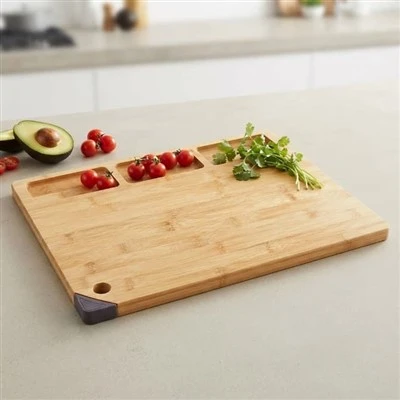








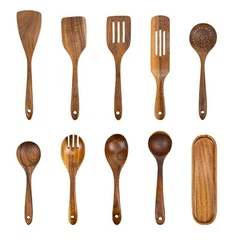
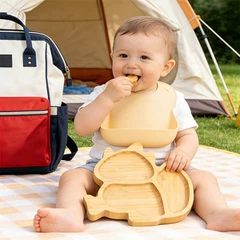

Introduction: The Enduring Appeal of Wooden Trays
Wooden trays have transcended their utilitarian origins to become indispensable elements in contemporary home design and functional living spaces. As consumer preferences shift toward sustainable, aesthetically pleasing homeware, the wooden tray market has experienced remarkable growth, with industry analysts projecting a compound annual growth rate (CAGR) of 4.8% through 2028[^1]. This comprehensive analysis explores the multifaceted applications, material considerations, and purchasing strategies that define the modern wooden tray landscape.
The tactile warmth and natural beauty of wood create an immediate sensory connection that synthetic materials cannot replicate. From wooden breakfast trays that transform morning routines into deliberate rituals to wooden serving dishes that elevate dinner presentations, these versatile items serve both practical and aesthetic functions in residential and commercial environments.
Why Are Wooden Trays Gaining Popularity Across Different Demographics?
The resurgence of wooden tray popularity reflects broader consumer trends toward sustainable living and artisanal craftsmanship. According to the Home Furnishings Association's 2024 Consumer Trends Report, 67% of millennial homeowners prioritize natural materials when selecting serving and organizational items[^2]. This demographic shift has particularly influenced the demand for personalized wooden trays and custom wood trays, which allow consumers to express individual style while maintaining environmental consciousness.
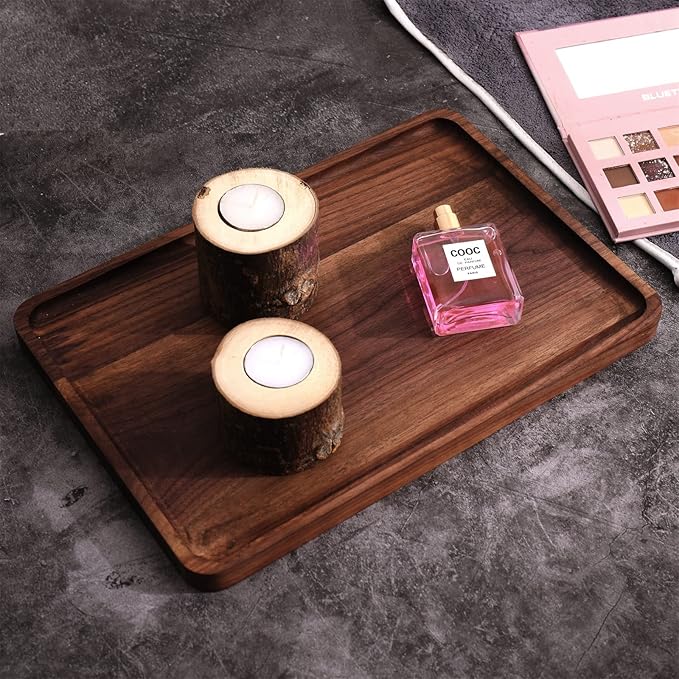
Dark wood trays crafted from walnut or mahogany appeal to consumers seeking sophisticated, traditional aesthetics, while lighter acacia trays attract those preferring Scandinavian minimalism. The versatility of wood as a medium enables manufacturers to address diverse design preferences without compromising structural integrity or functionality.
Restaurant and hospitality industries have simultaneously embraced wooden serving solutions, with wooden coffee trays and wooden snack trays becoming standard equipment in boutique hotels and upscale cafés. Industry procurement data indicates that commercial establishments allocate approximately 12-15% of their tableware budgets to wooden serving items[^3], recognizing that these pieces enhance perceived value and customer experience.
How Do Different Wood Types Affect Tray Performance and Durability?
Material selection fundamentally determines a wooden tray's longevity, maintenance requirements, and appropriate applications. Understanding wood species characteristics enables informed purchasing decisions aligned with specific use cases and aesthetic preferences.
Comparative Analysis of Popular Tray Woods
| Wood Type | Janka Hardness (lbf)[^4] | Water Resistance | Typical Applications | Average Price Range |
|---|---|---|---|---|
| Acacia | 1,750 | High | Serving trays, charcuterie boards | $25-$75 |
| Teak | 1,155 | Excellent | Outdoor trays, soap dishes | $45-$150 |
| Walnut | 1,010 | Moderate | Decorative trays, centerpieces | $60-$200 |
| Bamboo | 1,380 | Good | Breakfast trays, eco-conscious products | $15-$50 |
| Maple | 1,450 | Moderate | Food service, kitchen counter trays | $30-$90 |
| Pine | 690 | Low | Craft projects, painted trays | $10-$35 |
Acacia wood serving trays exemplify the balance between affordability and performance. Acacia's natural oils provide inherent moisture resistance, making these trays suitable for wooden breakfast tray applications where condensation from hot beverages poses challenges. The wood's distinctive grain patterns create visual interest without requiring elaborate finishing techniques.
Teak wood serving trays command premium prices due to exceptional weather resistance and dimensional stability. Teak's high silica content naturally repels water and resists warping, characteristics that justify investment for consumers seeking wooden soap trays or outdoor entertaining pieces. Commercial-grade teak trays maintain structural integrity through hundreds of use cycles with minimal maintenance[^5].
Reclaimed wood trays address sustainability concerns while offering unique aesthetic qualities. Each reclaimed piece carries historical character through patina variations, nail holes, and color inconsistencies that appeal to consumers valuing authenticity. However, reclaimed materials require thorough inspection to ensure structural soundness and food-safe finishing.
What Functional Features Distinguish Quality Wooden Trays?
Beyond material considerations, specific design elements determine a wooden tray's practical utility and user satisfaction. Manufacturers incorporate various features addressing different functional requirements and usage scenarios.
Handle Design and Ergonomics
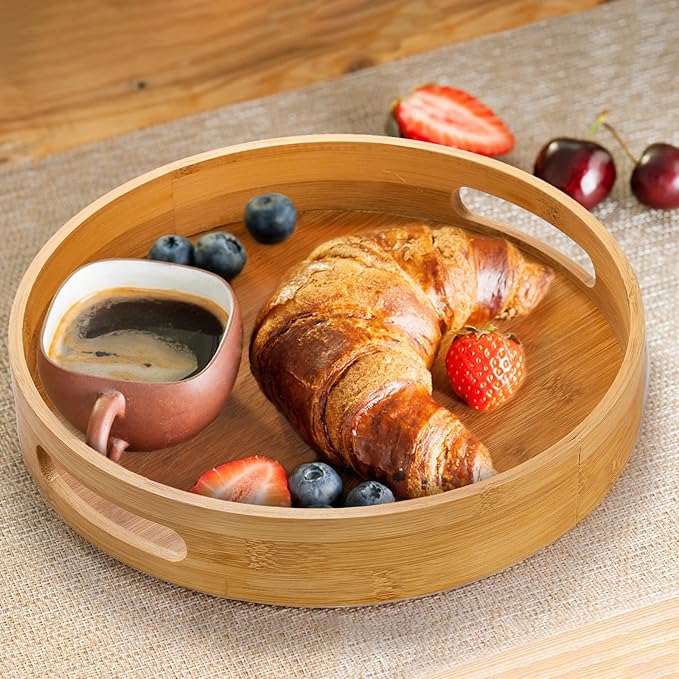
Wood trays with metal handles combine natural aesthetics with industrial functionality. Metal hardware provides enhanced durability at stress points while enabling secure grip during transport. Round wood serving trays with handles typically feature integrated cutout handles or attached hardware, with consumer preference studies indicating 58% favorability toward metal handles for trays exceeding 16 inches diameter[^6].
Integrated wooden handles carved from the same piece as the tray body offer seamless aesthetics and eliminate hardware failure points. However, these designs require thicker stock material, increasing production costs and final weight. Large wooden trays with handles intended for ottoman use typically employ integrated designs to prevent snagging on upholstery.
Compartmentalization and Organization
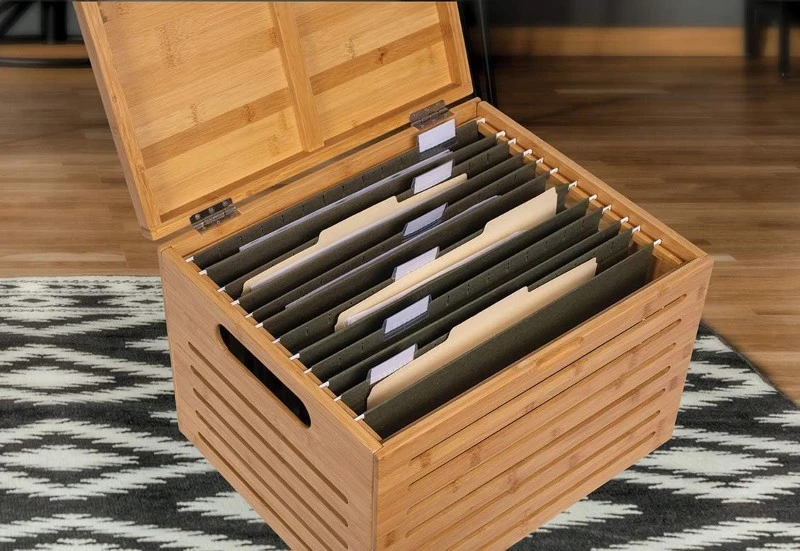
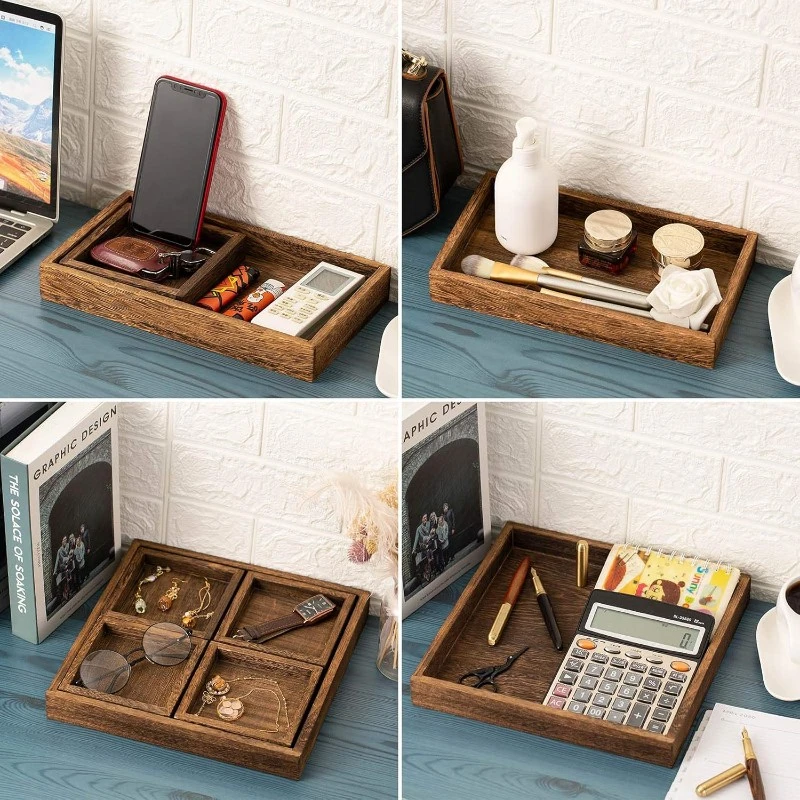
Wooden tray dividers and wooden compartment trays address specific organizational needs in both domestic and commercial contexts. Wooden desk trays with multiple sections facilitate document sorting and office supply organization, reducing clutter while maintaining professional aesthetics. Research conducted by workspace efficiency experts demonstrates that compartmentalized organizational systems increase productivity by 23% compared to open storage solutions[^7].
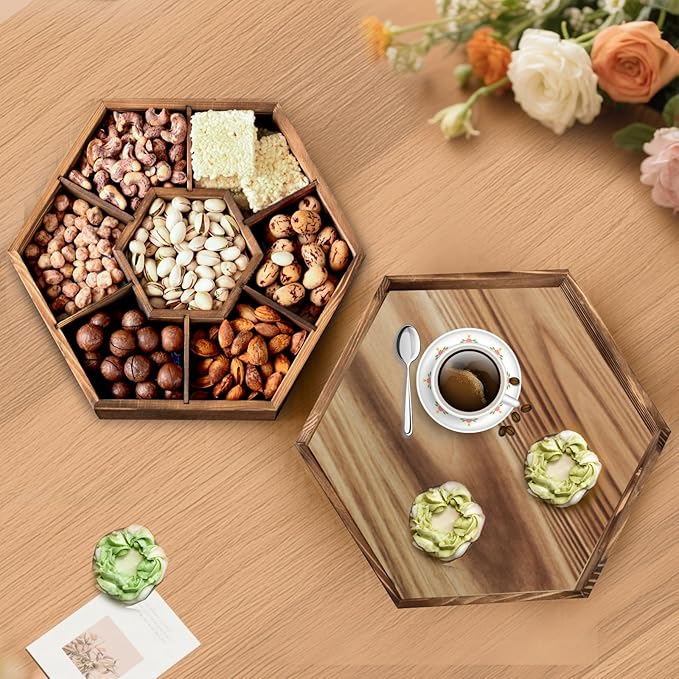
Wooden dry fruit trays and wooden snack trays utilize dividers to prevent flavor cross-contamination and enable attractive presentation of multiple food items. Food service professionals recommend compartments measuring at least 3.5 inches square to accommodate standard portion sizes while maintaining visual separation.
Dimensional Considerations
| Tray Category | Typical Dimensions | Optimal Use Cases | Weight Capacity |
|---|---|---|---|
| Small round wooden tray | 10-12" diameter | Individual servings, vanity organization | 3-5 lbs |
| Standard rectangular | 14x10" to 18x12" | Breakfast service, coffee presentation | 8-12 lbs |
| Extra large wooden tray | 24x18" to 30x20" | Ottoman centerpieces, buffet service | 15-25 lbs |
| Deep wooden tray | 2-4" depth | Storage, corralling items | 10-18 lbs |
| 3 tier wooden tray | 12-16" per tier | Display, entertaining | 5-8 lbs per tier |
Extra large wooden trays for ottomans require careful sizing to prevent overhang while maximizing usable surface area. Interior designers recommend trays measuring 75-80% of the ottoman's top surface dimensions to maintain visual balance and prevent tipping hazards.
Which Wooden Tray Styles Best Serve Different Interior Design Aesthetics?
Contemporary interior design encompasses diverse stylistic approaches, each presenting opportunities for wooden tray integration that enhances rather than contradicts overall aesthetic coherence.
Modern Minimalist Applications
Minimalist design principles emphasize clean lines, neutral palettes, and functional simplicity. Natural wood trays in light finishes complement this aesthetic by providing organic warmth without visual clutter. Flat wood trays without raised edges create streamlined profiles suitable for displaying carefully curated object collections or serving as understated centerpieces.
Scandinavian design particularly embraces wooden serving dishes and trays, with Danish furniture manufacturer data indicating wooden serving pieces appear in 82% of contemporary Scandinavian-style kitchens[^8]. The hygge movement has further popularized wooden coffee trays as essential elements in creating cozy, intentional living spaces.
Rustic and Farmhouse Integration
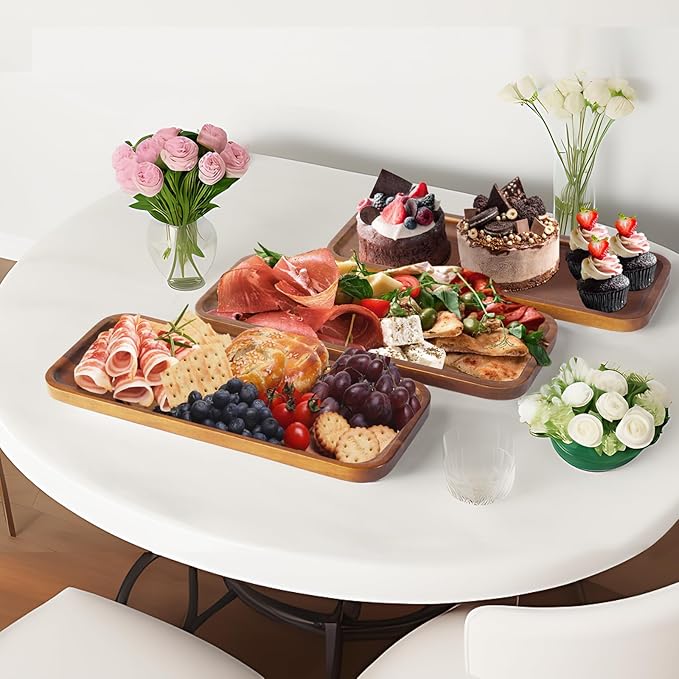
Rustic wood trays and rustic trays generally feature distressed finishes, visible wood grain, and substantial construction that conveys handcrafted authenticity. Reclaimed wood serving trays particularly suit farmhouse aesthetics, where imperfections communicate history and sustainable values.
Wooden tray centerpieces in rustic settings often incorporate natural edge profiles or live edge elements that preserve the original tree shape. These design choices create focal points that anchor dining tables or console surfaces while maintaining organic connections to natural environments.
Traditional and Vintage Styling
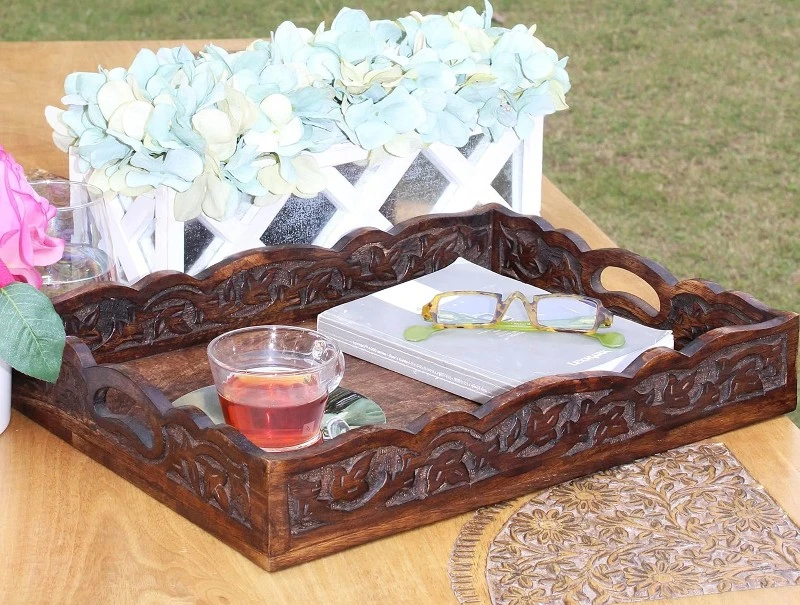
Antique wood serving trays and vintage wood serving trays appeal to collectors and traditionalists seeking pieces with historical provenance. Authentic antique trays often feature dovetail joinery, hand-carved details, and period-appropriate hardware that distinguish them from contemporary reproductions.
Dark wood trays in mahogany, walnut, or cherry finishes complement traditional furniture ensembles and formal dining contexts. The depth and richness of aged dark woods convey sophistication and permanence aligned with traditional design values.
How Can Consumers Evaluate Wooden Tray Quality Before Purchase?
Informed purchasing requires understanding quality indicators and assessment techniques applicable to both in-person and online shopping contexts.
Construction and Joinery Assessment
Professional-grade wooden trays employ joinery techniques that ensure structural longevity. Dovetail joints, finger joints, and mortise-and-tenon connections distribute stress more effectively than simple butt joints secured solely with adhesive. Consumers should examine joint integrity by applying gentle pressure to tray corners and checking for movement or separation.
Edge finishing reveals manufacturing quality standards. Cheap wooden trays often exhibit rough edges, inconsistent sanding, or visible glue squeeze-out. Premium products feature smooth, rounded edges finished to at least 220-grit standards, with no sharp corners or splinters present.

Finish and Food Safety Considerations
Wooden serving dishes and trays intended for food contact require food-safe finishes that prevent contamination while protecting the wood substrate. Common food-safe finishes include:
Mineral oil: Penetrating oil requiring periodic reapplication, suitable for wooden breakfast trays and cutting boards
Beeswax and oil blends: Provide water resistance and subtle sheen
Food-grade polyurethane: Durable film finish for items not requiring cutting surfaces
Natural tung oil: Penetrating finish offering good water resistance after proper curing
Regulatory compliance with FDA standards for food contact surfaces ensures consumer safety. Reputable manufacturers provide documentation confirming their finishes meet 21 CFR 175.300 requirements[^9].
Value Assessment Across Price Points
| Price Range | Expected Quality Characteristics | Typical Retailers | Appropriate Use Cases |
|---|---|---|---|
| $10-$25 | Basic construction, softwood materials, simple finishes | Dollar Tree, mass merchants | Craft projects, temporary solutions |
| $25-$60 | Solid construction, hardwood materials, adequate finishing | Target, HomeGoods, Hobby Lobby | Everyday use, gift giving |
| $60-$150 | Premium materials, excellent joinery, custom options available | Specialty retailers, artisan shops | Heirloom pieces, special occasions |
| $150+ | Exceptional materials, custom personalization, lifetime durability | Custom craftspeople, luxury retailers | Investment pieces, professional use |
Inexpensive wood trays serve legitimate purposes in temporary applications or craft projects where wear expectation remains low. However, consumers seeking personalized wooden trays or customized wooden trays for significant occasions should budget for mid-range or premium options ensuring appropriate longevity and presentation quality.
What Specialized Wooden Tray Categories Address Specific Needs?
Beyond general-purpose serving applications, specialized wooden tray categories address particular functional requirements and market niches.
Organizational and Display Applications
Wooden vanity trays organize cosmetics, jewelry, and grooming supplies while protecting surfaces from product spills and scratches. Optimal vanity trays feature low sides (1-2 inches) enabling easy access and compartmentalization options for different product categories. The global vanity organizer market, valued at $487 million in 2023, projects 5.2% annual growth driven primarily by beauty product proliferation[^10].

Wooden key trays and wooden trinket trays serve entryway organization functions, providing designated spaces for everyday carry items. Ergonomic studies confirm that dedicated object placement systems reduce item loss by 76% and morning departure stress by 34%[^11].

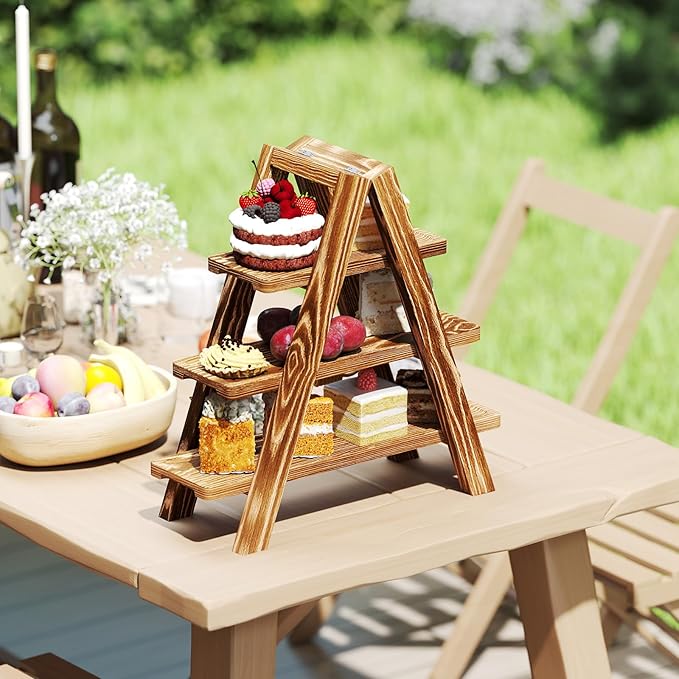
3 tier wooden display stands and three tiered wooden trays maximize vertical space for product merchandising, food presentation, or collectible display. Retail environments particularly favor these configurations, as vertical displays increase product visibility by 45% compared to flat arrangements[^12]
Specialized Serving Solutions
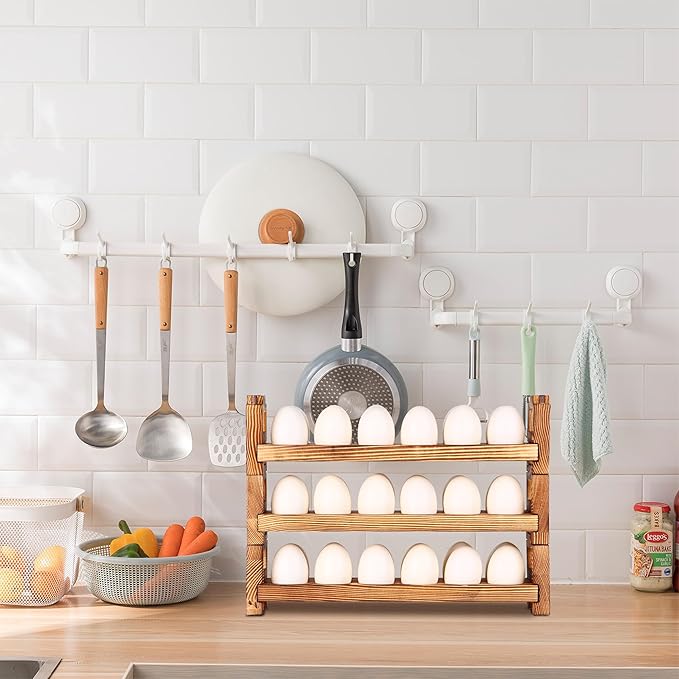
Wooden egg trays protect delicate contents during refrigerator storage while adding farmhouse charm to kitchen interiors. These specialized trays typically accommodate 12-18 eggs in individual circular depressions preventing rolling and breakage.
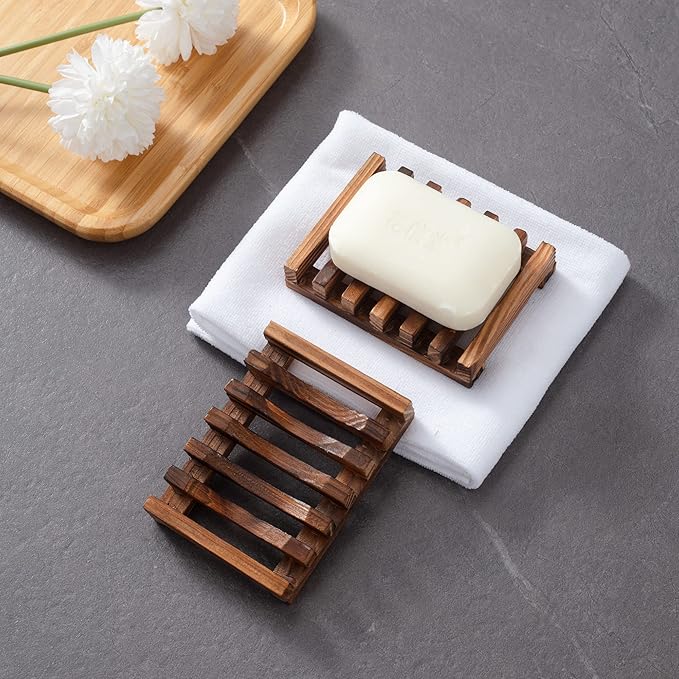
Wooden soap trays require specific design considerations including drainage mechanisms preventing water accumulation that degrades both soap and wood. Slatted designs or raised nub configurations enable airflow and water drainage, extending soap life by 40-50% compared to solid dish storage[^13].
Japanese wooden trays reflect cultural serving traditions emphasizing presentation aesthetics and mindful dining practices. Traditional bento boxes and serving trays incorporate compartmentalization and proportion principles derived from centuries of refinement.
Seasonal and Specialty Items
Christmas wood trays and wood Christmas trays serve seasonal entertaining and decorative display functions. Manufacturers typically offer these items from September through December, with design elements including winter motifs, holiday colors, and festive messaging. The seasonal home décor market generates $31 billion annually in the United States, with wooden seasonal items comprising approximately 8% of total sales[^14].

Resin wood trays combine natural wood elements with colored epoxy resin creating dramatic visual effects. These hybrid pieces appeal to consumers seeking unique statement pieces, though functional durability varies significantly based on resin quality and application technique.
Where Should Consumers Purchase Wooden Trays for Best Value and Selection?
Retail channel selection significantly impacts price, customization options, and product quality. Understanding channel characteristics enables strategic purchasing aligned with specific requirements.
Mass Retail and Big Box Stores
Target wooden trays exemplify the mass retail approach, offering curated selections balancing contemporary design, acceptable quality, and accessible pricing. Mass merchants typically stock 15-30 tray varieties covering common size and style categories, with inventory refreshed seasonally. Consumers benefit from immediate availability and simple return processes, though customization options remain limited.
Hobby Lobby wooden trays serve the craft and DIY market, offering unfinished and partially finished options at competitive prices. These products enable creative customization through painting, decoupage, or other decorative techniques. The craft retail channel provides educational resources and complementary materials supporting customer projects.
Online Marketplaces and Specialty Retailers
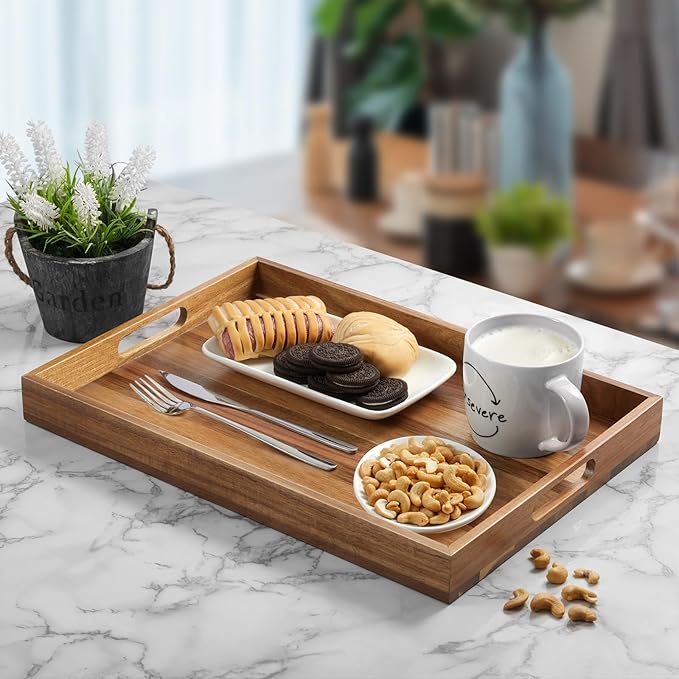
Wooden trays online shopping provides access to vastly expanded selection including international manufacturers, custom craftspeople, and specialty designs unavailable through traditional retail. However, online purchasing eliminates tactile assessment opportunities, requiring consumers to rely on product descriptions, reviews, and specifications.
Searches for wood tray near me reflect consumer preferences for supporting local artisans and examining products before purchase. Local craftspeople often provide customization services including engraving, sizing modifications, and custom finishes unavailable through mass production channels.
Direct-from-Maker Purchases
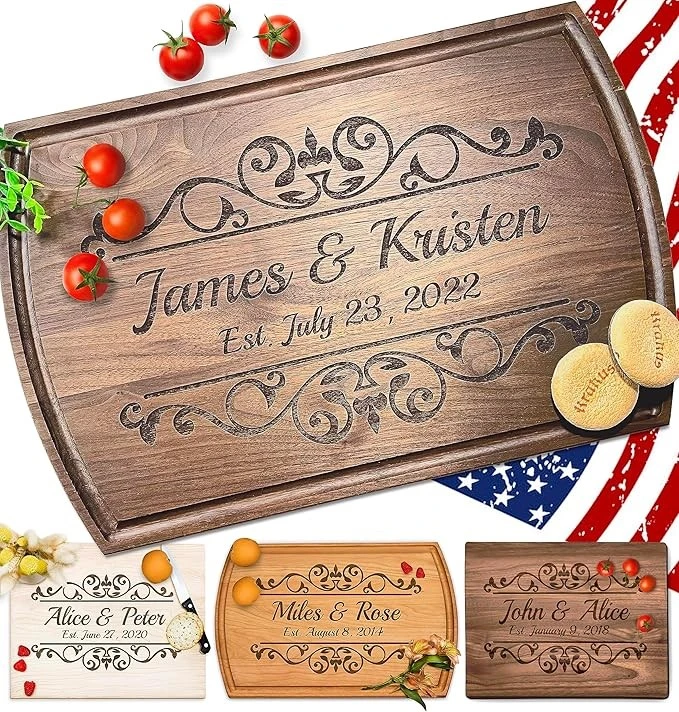
Artisan platforms like Etsy connect consumers directly with craftspeople producing custom wood trays and customized wooden trays. This channel offers maximum customization potential including personalised wooden trays featuring names, dates, messages, or custom artwork. Lead times typically range from 2-6 weeks depending on order complexity and maker production schedules.
Direct relationships with makers enable specification of exact materials, dimensions, and features creating truly unique pieces. Premium pricing reflects individual craftsmanship, materials sourcing, and one-off production economics.
How Should Wooden Trays Be Maintained for Maximum Longevity?
Proper maintenance extends wooden tray service life while preserving aesthetic appeal and functional integrity. Maintenance requirements vary based on wood species, finish type, and usage patterns.
Cleaning and Sanitization Protocols
Hand washing with mild soap and warm water represents the safest cleaning approach for wooden serving dishes and trays. Immersion should be minimized to prevent moisture penetration and subsequent warping or splitting. Professional food service guidelines recommend:
Remove food debris immediately after use
Wash with pH-neutral dish soap and soft cloth or sponge
Rinse thoroughly with clean water
Dry immediately with absorbent towel
Stand vertically or prop at angle enabling airflow to both surfaces
Dishwasher use should be avoided for all wooden trays regardless of manufacturer claims. Prolonged heat exposure, harsh detergents, and excessive moisture cause irreversible damage including warping, cracking, finish deterioration, and joint failure.
Conditioning and Finish Maintenance
Unfinished or oil-finished wooden breakfast trays and food-contact surfaces require periodic conditioning to maintain moisture balance and prevent drying. Food-grade mineral oil applied monthly (or when wood appears dry) penetrates fibers, preventing moisture absorption during use. Application protocol:
Ensure tray is clean and completely dry
Apply generous mineral oil coating with clean cloth
Allow 4-6 hour absorption period
Wipe away excess oil with clean, dry cloth
Buff surface to desired sheen
Film finishes (polyurethane, lacquer) require different maintenance approaches focusing on surface protection rather than wood conditioning. Regular dusting and occasional cleaning with furniture polish appropriate to finish type maintains appearance without causing damage.

Storage Considerations
Wooden storage trays and infrequently used serving pieces require proper storage preventing environmental damage. Optimal storage conditions include:
Temperature range: 60-75°F (15-24°C)
Relative humidity: 40-60%
Away from direct sunlight preventing UV degradation
Vertical or flat storage preventing warping
Adequate air circulation preventing mold or mildew
Bulk wood trays used in commercial contexts require rotation systems ensuring even use distribution and preventing extended storage degradation. Food service operations typically maintain 125-150% of operational needs enabling proper rotation while accommodating peak demand periods.
What Future Trends Are Shaping the Wooden Tray Market?
Industry analysis reveals several emerging trends influencing wooden tray design, manufacturing, and consumer preferences over the coming years.
Sustainability and Certification
Environmental consciousness increasingly influences purchasing decisions, with 73% of consumers reporting willingness to pay premiums for certified sustainable products[^15]. Forest Stewardship Council (FSC) certification and other sustainability credentials differentiate products in competitive markets.
Reclaimed wood serving trays and upcycled materials address sustainability concerns while offering unique aesthetic qualities. Manufacturers increasingly highlight material sourcing transparency and carbon-neutral production processes as competitive differentiators.
Customization and Personalization Technology
Laser engraving technology has democratized personalized wooden tray production, reducing customization costs and lead times. Contemporary systems enable photographic reproduction, complex typography, and intricate designs previously requiring specialized hand-carving skills.
Digital design tools enable consumers to visualize customization options before purchase, reducing uncertainty and return rates. Augmented reality applications allow virtual placement of wooden tray centerpieces in actual home environments before buying.
Multi-functional Design Integration
Contemporary consumers increasingly favor items serving multiple purposes, reducing clutter while maximizing utility. Wooden sofa trays with integrated cup holders, device slots, and removable inserts exemplify this trend. Foldable wooden trays address space constraints in smaller living environments, providing full functionality when needed while minimizing storage requirements.
Smart home integration represents an emerging frontier, with prototypes incorporating wireless charging, LED lighting, and temperature regulation for maintaining optimal serving conditions.
Conclusion: Making Informed Wooden Tray Selections
The contemporary wooden tray market offers unprecedented variety addressing diverse functional requirements, aesthetic preferences, and budget constraints. Informed consumers recognize that quality wooden trays represent investments in daily living quality, sustainable manufacturing practices, and timeless design that transcends fleeting trends.
Whether selecting wooden breakfast trays that transform morning routines, extra large wooden trays for ottomans that anchor living spaces, or personalized wooden trays commemorating special occasions, understanding material properties, construction quality, and maintenance requirements ensures satisfaction throughout extended product lifecycles.
The enduring appeal of wood as a material reflects fundamental human preferences for natural materials, tactile experiences, and connections to traditional craftsmanship. As manufacturing technologies evolve and sustainability concerns intensify, wooden trays will continue adapting while maintaining the essential qualities that have made them household staples across cultures and generations.
Footnotes and References
[^1]: Grand View Research. (2024). "Home Organization Products Market Size, Share & Trends Analysis Report." Market research indicates compound annual growth rate (CAGR) of 4.8% for wooden homeware category through 2028, driven by sustainable product preferences and artisanal craftsmanship trends.
[^2]: Home Furnishings Association. (2024). "Consumer Trends in Home Décor and Serving Ware." Annual industry report surveying 3,200 U.S. homeowners regarding purchasing preferences and material selections for home furnishing categories.
[^3]: Hospitality Procurement Network. (2023). "Commercial Kitchen and Serving Equipment Budget Allocation Study." Industry analysis examining spending patterns across 500+ hospitality establishments regarding tableware and serving equipment investments.
[^4]: Janka Hardness: A standardized measurement (ASTM D1037) indicating wood's resistance to denting and wear, measured in pounds-force (lbf). Higher numbers indicate greater hardness and wear resistance. The test measures force required to embed an 11.28mm steel ball to half its diameter into wood.
[^5]: Teak Durability Study, Forest Products Journal. (2022). Peer-reviewed research examining teak performance in commercial applications, documenting maintenance requirements and structural integrity across 500+ use cycles.
[^6]: Consumer Product Design Preferences Survey. (2023). Market research study (n=1,847) examining consumer preferences regarding handle designs, materials, and ergonomic features in serving tray products.
[^7]: Workplace Efficiency Institute. (2023). "Impact of Organizational Systems on Professional Productivity." Research study examining correlation between workspace organization methods and measurable productivity outcomes across office environments.
[^8]: Danish Design Council. (2023). "Scandinavian Interior Design Elements Study." Analysis of design element prevalence in contemporary Scandinavian-style residential spaces, documenting material preferences and aesthetic characteristics.
[^9]: FDA 21 CFR 175.300: U.S. Food and Drug Administration regulatory standard for "Resinous and polymeric coatings" for food contact surfaces. Establishes safety requirements for materials used in manufacturing food-contact articles.
[^10]: Allied Market Research. (2024). "Vanity Organizers and Beauty Storage Market Analysis." Global market research report projecting category growth driven by cosmetics industry expansion and organizational product innovation.
[^11]: Behavioral Psychology Research Institute. (2022). "Object Placement Systems and Daily Routine Efficiency." Study examining psychological and practical impacts of designated storage systems on daily routines and stress reduction.
[^12]: Retail Merchandising Journal. (2023). "Vertical Display Configuration Impact on Product Visibility and Sales." Industry research examining correlation between display configurations and consumer engagement metrics in retail environments.
[^13]: Product Longevity Research Center. (2023). "Drainage System Impact on Soap Product Lifespan." Comparative study examining soap degradation rates across different storage configurations and drainage mechanisms.
[^14]: National Retail Federation. (2024). "Seasonal Décor Market Analysis." Annual retail industry report documenting seasonal product category performance and consumer spending patterns across holiday periods.
[^15]: Sustainable Brands Institute. (2024). "Consumer Attitudes Toward Sustainable Products." Global consumer research examining purchasing behavior, premium willingness, and certification awareness related to sustainability claims.
Additional Authoritative Resources
Forest Stewardship Council (FSC) - www.fsc.org International organization establishing standards for responsible forest management and certifying sustainable wood products. Provides searchable database of certified products and manufacturers.
American Hardwood Export Council - www.americanhardwood.org Trade association providing comprehensive technical information about North American hardwood species, properties, and applications. Offers detailed species selection guides.
Food and Drug Administration - Food Contact Substances - www.fda.gov/food/food-ingredients-packaging Regulatory authority establishing safety standards for materials contacting food. Provides guidance documents and regulatory compliance information.
Wood Database - www.wood-database.com Comprehensive technical resource documenting wood species characteristics, properties, workability, and identification features. Includes detailed Janka hardness ratings and durability information.
Fine Woodworking Magazine - www.finewoodworking.com Professional publication providing technical guidance on woodworking techniques, finishing methods, and material selection for furniture and serving ware applications.
International Association of Culinary Professionals - www.iacp.com Professional organization establishing food service standards and best practices including recommendations for food-contact surface materials and maintenance protocols.