



In today's rapidly evolving storage solutions market, wooden storage boxes have emerged as the premium choice for discerning consumers seeking both functionality and aesthetic appeal. With the global wooden boxes market valued at USD 9.2 billion in 2023 and projected to grow at a CAGR of 7.60% through 2030, these versatile containers represent a significant segment of the broader storage industry. The increasing demand for sustainable, durable, and customizable storage solutions has positioned wooden storage boxes at the forefront of home organization trends.
The wooden storage box market encompasses various product categories, from large wooden storage boxes designed for seasonal items to specialized small wooden boxes with lids for precious belongings. This comprehensive analysis examines the factors driving market growth, material considerations, and selection criteria that influence consumer purchasing decisions in the wooden storage container sector.
Why Are Wooden Storage Boxes Experiencing Unprecedented Market Growth?
The surge in wooden storage box popularity stems from multiple converging market forces. Market revenue is expected to grow at 7.1% through 2024 to 2030, driven primarily by increasing urbanization and the growing need for organized, efficient storage solutions in smaller living spaces. This growth trajectory reflects broader consumer preferences for sustainable materials and premium storage alternatives.
Contemporary consumers increasingly prioritize environmentally conscious choices, making wooden storage boxes an attractive alternative to plastic containers. The durability factor plays a crucial role, as quality wooden storage boxes can last decades with proper maintenance, providing superior long-term value compared to synthetic alternatives. Additionally, the aesthetic versatility of wood allows these storage solutions to serve dual purposes as both functional containers and decorative furniture pieces.
The market expansion is also fueled by the rise of e-commerce platforms, making custom wooden boxes and specialized variants more accessible to consumers worldwide. Online marketplaces have democratized access to artisanal and bespoke wooden storage solutions, previously available only through specialty retailers.
Material selection represents the most critical factor determining wooden storage box performance, longevity, and suitability for specific applications. The choice between hardwoods and softwoods significantly impacts durability, cost, and maintenance requirements.
Hardwood Options Analysis
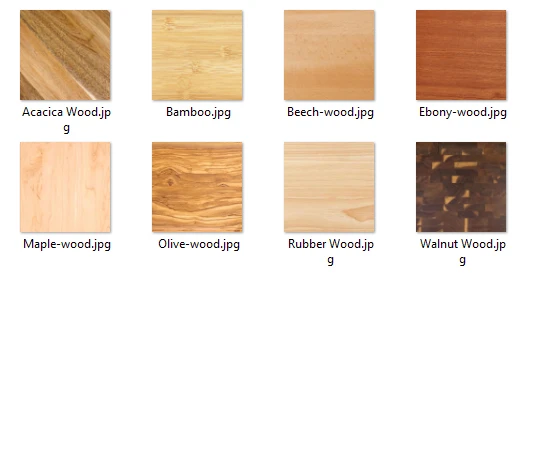
Oak remains the gold standard for wooden storage boxes requiring maximum durability. Oakwood is remarkably strong, heavy, and durable. It is also resistant to fungal attacks, making it ideal for large wooden storage boxes and heavy-duty applications. The dense grain structure of oak provides exceptional strength-to-weight ratios, though at a premium price point.
Walnut offers superior aesthetics with excellent durability characteristics, making it popular for decorative wooden boxes and personalized wooden boxes where appearance matters. The natural oils in walnut provide inherent moisture resistance, beneficial for long-term storage applications.
Maple presents a balanced option, offering good durability at moderate cost points. Its light color and fine grain make it suitable for white wooden storage boxes and applications requiring paint or stain finishes.
Softwood Alternatives
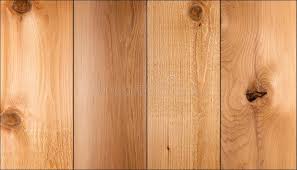
Cedar stands out among softwoods for storage applications due to its unique properties. Cedar is naturally weather and insect resistant, gives off a pleasing and recognizable scent, and is aesthetically attractive. These characteristics make cedar ideal for wooden outdoor storage boxes and applications where natural pest deterrence is valuable.
Cedar is naturally resistant to rot and pests thanks to something called tannins, making cedar a timber that will last a long time, with an expected lifespan of at least 10 years before degradation begins. This longevity factor makes cedar cost-effective for outdoor applications despite higher initial costs compared to pine.
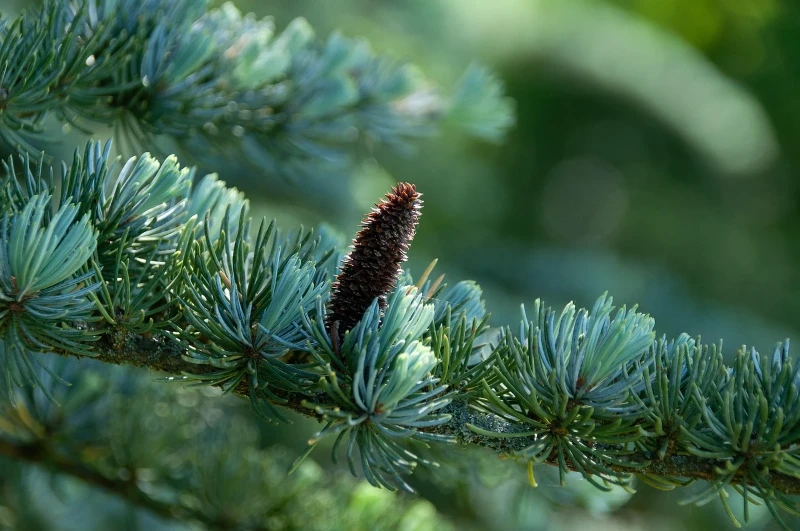
Pine offers the most economical option for wooden storage boxes, though with limitations. Pine begins to develop checks that look like splits or cracks as it dries out, requiring protective finishes for longevity. However, pine remains popular for wooden toy storage and applications where cost considerations outweigh durability requirements.
Selecting the optimal wooden storage box requires careful consideration of multiple variables, each impacting long-term satisfaction and value realization. The decision matrix should encompass intended use, environmental conditions, aesthetic preferences, and budget constraints.
Size and Capacity Considerations
Large wooden storage boxes excel for seasonal storage, accommodating bulky items like bedding, holiday decorations, and sporting equipment. These typically measure 36-48 inches in length and offer storage volumes exceeding 10 cubic feet. The substantial construction required for these dimensions necessitates quality hardwood construction to prevent warping under load.
Small wooden boxes with lids serve specialized storage needs, perfect for jewelry, documents, or collectibles. These typically feature precision joinery and premium finishes, justifying higher per-cubic-foot costs through superior craftsmanship and materials.
Medium-sized wooden storage chests represent the versatile middle ground, suitable for toys, linens, and general household items. These dimensions allow for optimal material utilization while maintaining reasonable pricing.

Functional Feature Requirements
Wooden boxes with hinged lids provide convenient access while maintaining contents security. Quality hinge selection impacts longevity, with brass hinges offering superior corrosion resistance compared to steel alternatives. Soft-close mechanisms add premium functionality, preventing lid damage and reducing noise.
Custom wooden boxes allow for personalized dimensions and features, accommodating specific storage requirements. This customization capability commands premium pricing but ensures optimal space utilization and aesthetic integration.
Teak outdoor storage boxes represent the premium segment for exterior applications. Teak's natural oil content provides exceptional weather resistance without chemical treatment, though at significant cost premiums over alternative species.
Which Applications Best Suit Different Wooden Storage Box Categories?
Understanding application-specific requirements enables optimal wooden storage box selection, maximizing both functional performance and economic value. Different use cases demand varying material properties, construction techniques, and feature sets.
Indoor Storage Applications
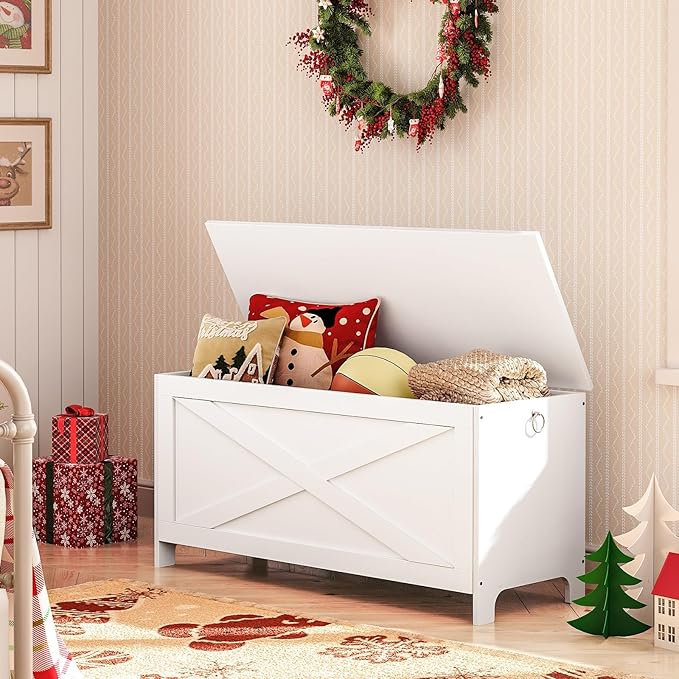
Wooden toy storage requires child-safe construction with rounded edges and non-toxic finishes. Safety considerations mandate avoiding small parts or hardware that could pose choking hazards. Durability becomes paramount given the abuse these containers typically endure.
White wooden storage boxes integrate seamlessly with contemporary interior design schemes, particularly in minimalist or Scandinavian-inspired spaces. The light color maximizes visual space perception while providing neutral aesthetic coordination.
Decorative wooden boxes serve dual purposes, functioning as storage while contributing to room aesthetics. These often feature
premium wood species, intricate joinery, and sophisticated finishes justifying higher price points.
Outdoor and Utility Applications
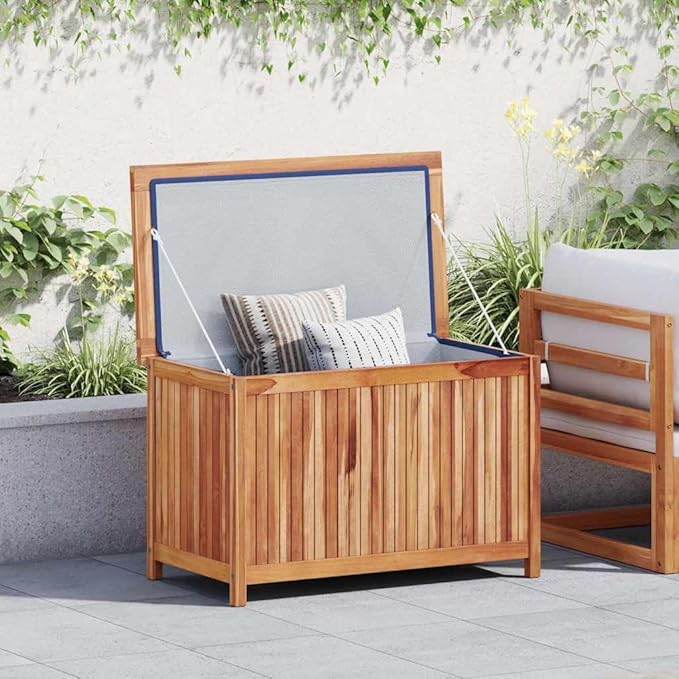
Wooden outdoor storage boxes must withstand temperature fluctuations, moisture exposure, and UV radiation. Material selection becomes critical, with cedar and teak offering optimal performance profiles. Protective finishes require regular maintenance to preserve appearance and structural integrity.
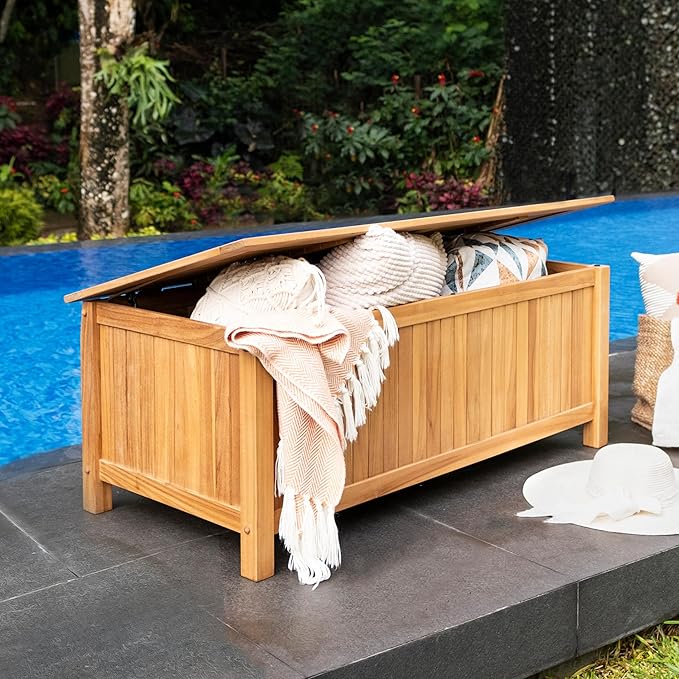
Teak deck boxes represent the premium outdoor storage solution, offering unmatched weather resistance and aesthetic appeal. The initial investment pays dividends through decades of service life with minimal maintenance requirements.
Firewood boxes require robust construction to handle substantial weight loads while providing weather protection. Ventilation features become important to prevent moisture accumulation and promote proper seasoning.
Specialized Storage Categories
Wooden tool chests demand maximum durability and organization features. Hardwood construction ensures longevity under workshop conditions, while specialized compartments maximize tool accessibility and protection.
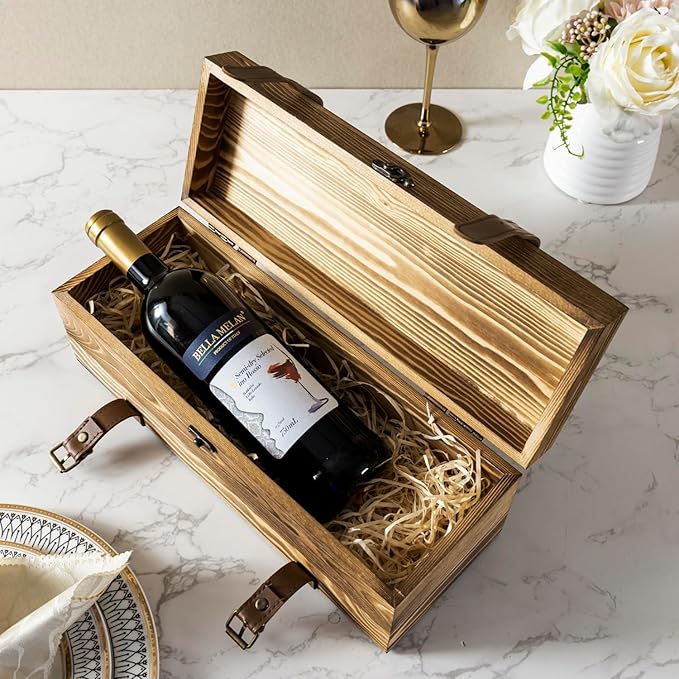
Wine crates serve both storage and display functions, requiring precise dimensional tolerances and appropriate wood selection. The choice between functional storage and decorative display influences material and finish specifications.
Wooden tea boxes exemplify specialized storage requirements, needing airtight seals and moisture control. Internal compartmentalization and premium finishes reflect the value of stored contents.
Market Segment Performance Analysis
| Segment Category | Market Share (2024) | Growth Rate (CAGR) | Price Range (USD) | Key Drivers |
|---|---|---|---|---|
| Large Storage Boxes | 28.5% | 8.2% | $150-800 | Home organization trends, urbanization |
| Toy Storage | 22.3% | 9.1% | $75-300 | Child safety awareness, premium parenting |
| Outdoor Storage | 18.7% | 6.8% | $200-1200 | Outdoor living expansion, patio furniture growth |
| Custom/Personalized | 15.2% | 11.4% | $100-600 | Personalization trends, gifting market |
| Specialty Storage | 15.3% | 7.5% | $50-400 | Niche applications, collector markets |
Wood Species Comparison for Storage Applications
| Wood Species | Durability Rating | Cost Index | Weather Resistance | Workability | Best Applications |
|---|---|---|---|---|---|
| Oak | 9.5/10 | 8.2/10 | 7.5/10 | 7.0/10 | Heavy-duty storage, heirloom pieces |
| Cedar | 8.8/10 | 7.5/10 | 9.2/10 | 8.5/10 | Outdoor storage, clothing protection |
| Teak | 9.8/10 | 9.8/10 | 9.8/10 | 8.0/10 | Premium outdoor, marine applications |
| Pine | 6.2/10 | 4.5/10 | 5.0/10 | 9.0/10 | Budget options, indoor use only |
| Walnut | 8.5/10 | 8.8/10 | 6.5/10 | 8.8/10 | Decorative storage, fine furniture |
| Maple | 8.0/10 | 6.5/10 | 6.0/10 | 9.2/10 | Painted finishes, versatile applications |
Storage Box Size Classification and Applications
| Size Category | Dimensions (L×W×H) | Volume Range | Typical Applications | Price Range | Material Recommendations |
|---|---|---|---|---|---|
| Small (Under 1 cu ft) | 12"×8"×6" to 18"×12"×8" | 0.33-0.75 cu ft | Jewelry, documents, collectibles | $25-$150 | Hardwood with premium finishes |
| Medium (1-5 cu ft) | 24"×16"×10" to 36"×18"×14" | 1.0-5.0 cu ft | Toys, linens, seasonal items | $75-$400 | Mixed hardwood/softwood options |
| Large (5-15 cu ft) | 42"×20"×16" to 60"×24"×20" | 5.0-15.0 cu ft | Bedding, sports equipment | $200-$800 | Hardwood frame, quality construction |
| Extra Large (15+ cu ft) | 72"×30"×24"+ | 15.0+ cu ft | Bulk storage, commercial use | $500-$2000+ | Engineered construction, metal reinforcement |
How Do Manufacturing Processes Impact Wooden Storage Box Quality and Pricing?
Manufacturing methodology significantly influences both the quality characteristics and cost structure of wooden storage boxes. Traditional joinery techniques, modern production methods, and finishing processes each contribute distinct value propositions to the final product.
Traditional Craftsmanship Techniques
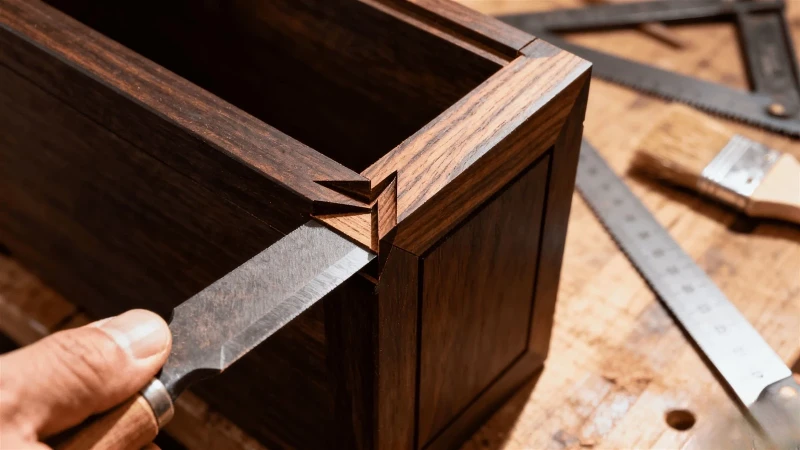
Dovetail joinery represents the pinnacle of wooden box construction, providing exceptional strength and aesthetic appeal. This hand-cut technique requires skilled craftsmanship, significantly increasing labor costs but delivering unmatched durability and visual sophistication. Premium wooden storage chests often feature dovetail construction, justifying price premiums through superior longevity and craftsmanship heritage.
Mortise and tenon joints offer excellent strength characteristics while remaining more cost-effective than dovetail construction. This technique works particularly well for large wooden storage boxes where structural integrity under load becomes paramount. The joint's mechanical strength eliminates reliance on adhesives alone, improving long-term durability.
Hand-applied finishes provide superior depth and character compared to spray applications, though at substantial labor cost premiums. Multiple coat applications with hand-sanding between coats create finishes that age gracefully and can be renewed rather than replaced.
Modern Production Methods
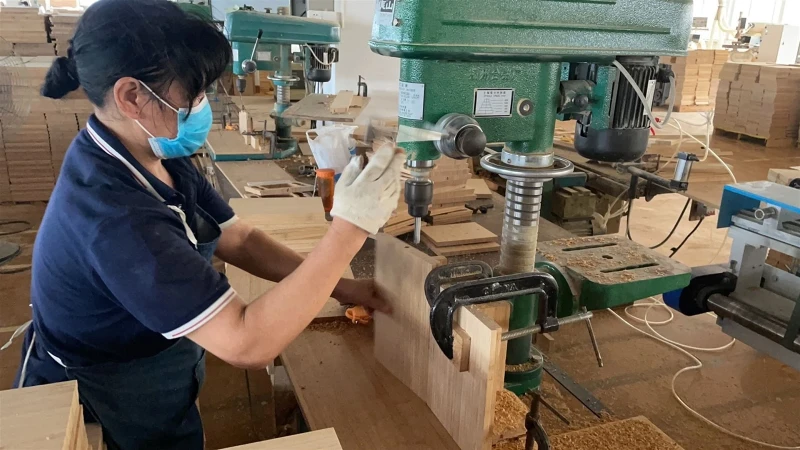
CNC machining enables precise, repeatable construction while reducing labor costs. Computer-controlled cutting ensures consistent joint tolerances and dimensional accuracy, particularly beneficial for wooden storage boxes with lids requiring precise fits. This technology enables cost-effective customization without the expense of traditional handcrafting.
Laminated construction techniques allow utilization of smaller wood pieces while maintaining structural integrity. This approach reduces material costs and environmental impact while enabling consistent quality across production runs. However, laminated construction may not achieve the longevity of solid wood alternatives.
Modern adhesive technology provides structural strength rivaling traditional mechanical joints while reducing production time and costs. Polyurethane and epoxy adhesives offer superior moisture resistance compared to traditional hide glues, extending service life in challenging environments.
What Environmental and Sustainability Factors Influence Wooden Storage Box Selection?
Environmental consciousness increasingly drives consumer decision-making in the wooden storage box market, with sustainability credentials becoming significant competitive differentiators. Understanding these factors enables informed choices aligned with personal values and environmental stewardship goals.
Forest Management and Certification
FSC (Forest Stewardship Council) certification ensures responsible forest management practices, providing consumers with assurance regarding environmental and social responsibility. FSC-certified wooden storage boxes command price premiums but appeal to environmentally conscious consumers. The certification process traces wood from forest to final product, ensuring chain-of-custody documentation.
PEFC (Programme for the Endorsement of Forest Certification) provides alternative certification with similar environmental goals but different implementation approaches. Both certifications address deforestation concerns and promote biodiversity conservation, though recognition varies by geographic market.
Reclaimed wood represents the ultimate in sustainability, utilizing previously used timber for new applications. Reclaimed wooden storage boxes offer unique character and environmental benefits, though availability limitations and processing requirements typically increase costs.
Carbon Footprint Considerations
Local sourcing significantly reduces transportation-related emissions while supporting regional economies. Domestically produced wooden storage boxes typically exhibit lower carbon footprints compared to imported alternatives, though quality and cost considerations may favor foreign production.
Wood species selection impacts carbon sequestration benefits, with faster-growing species like pine providing superior carbon capture rates per unit time. However, longevity considerations favor slower-growing hardwoods that provide extended carbon storage in final products.
Manufacturing process efficiency affects overall environmental impact, with modern production techniques often demonstrating superior energy efficiency compared to traditional methods. However, the energy intensity of different processes varies significantly, requiring comprehensive lifecycle analysis for accurate environmental assessment.
End-of-Life Considerations
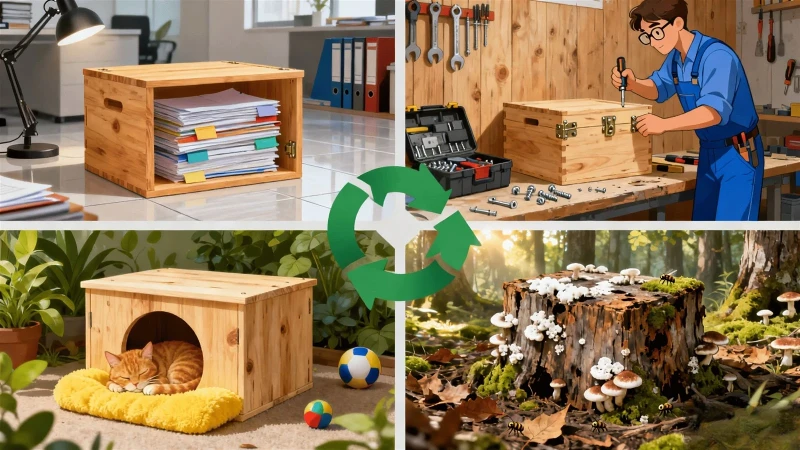
Wooden storage boxes offer superior end-of-life options compared to synthetic alternatives, with potential for reuse, repurposing, or biodegradable disposal. Quality construction enables decades of service, followed by potential second-life applications or responsible disposal without environmental persistence concerns.
Repair and restoration capabilities extend service life significantly beyond initial expectations. Unlike plastic storage solutions, wooden storage boxes can be refinished, re-jointed, and modified to accommodate changing needs, providing excellent long-term value propositions.
Conclusion: Strategic Insights for Wooden Storage Box Investment
The wooden storage box market represents a dynamic segment experiencing robust growth driven by urbanization trends, sustainability consciousness, and premium home organization demands. With market valuation reaching USD 9.2 billion in 2023 and projected growth to USD 5.80 billion in specific segments, investment opportunities abound for both consumers and industry participants.
Material selection remains the critical decision factor, with hardwoods like oak providing maximum durability for demanding applications, while cedar offers optimal outdoor performance through natural weather resistance. Cost-conscious consumers can achieve satisfactory performance with pine construction for indoor applications, though longevity expectations should be adjusted accordingly.
The convergence of traditional craftsmanship with modern production techniques enables diverse product offerings across price points, ensuring options for varying budgets and quality requirements. Environmental considerations increasingly influence purchasing decisions, with certified sustainable materials commanding premium pricing while delivering enhanced brand value.
Future market growth will likely be driven by customization capabilities, smart storage integration, and continued emphasis on sustainable materials. Consumers investing in quality wooden storage boxes today position themselves to benefit from both functional utility and potential appreciation of well-crafted pieces over time.
References and Citations
Maximize Market Research. (2024). Wooden Boxes Market- Global Industry Analysis and Forecast (2024-2030). Retrieved from https://www.maximizemarketresearch.com/market-report/wooden-boxes-market/147035/
Cognitive Market Research. (2024). The Global Wooden Boxes market size was USD 9.2 billion in 2023. Retrieved from https://www.cognitivemarketresearch.com/wooden-boxes-market-report
Future Market Insights. (2024). Wooden Boxes Market Growth & Industry Insights 2024-2034. Retrieved from https://www.futuremarketinsights.com/reports/wooden-boxes-market
USDA Forest Products Laboratory. Chapter 5 Mechanical Properties of Wood. Retrieved from https://www.fpl.fs.usda.gov/documnts/fplgtr/fplgtr190/chapter_05.pdf
Rocky Mountain Forest Products. (2025). Why Cedar Wood Outshines Other Timber: Key Benefits & Uses. Retrieved from https://www.rmfp.com/blog/cedar-wood-expert-guide
Vermont Woods Studios. Cedar Wood: Color, Varieties, & Uses. Retrieved from https://vermontwoodsstudios.com/pages/cedar-wood
Footnotes
¹ CAGR (Compound Annual Growth Rate): A measure of investment growth over time, calculating the mean annual growth rate assuming profits are reinvested annually.
² FSC Certification: Forest Stewardship Council certification ensuring responsible forest management through environmental, social, and economic standards.
³ Tannins: Natural compounds in wood that provide preservation properties, pest resistance, and contribute to wood color and durability characteristics.
⁴ Dovetail Joint: A traditional woodworking joint technique creating interlocking wedge-shaped cuts, providing exceptional mechanical strength without fasteners.
⁵ Mortise and Tenon: A classic woodworking joint where a protruding tenon fits into a corresponding mortise hole, creating strong mechanical connections.
⁶ CNC Machining: Computer Numerical Control machining uses computerized controls to operate machine tools, enabling precise, repeatable cuts and shapes.
⁷ Carbon Sequestration: The process by which trees absorb CO₂ from the atmosphere and store carbon in their wood fiber, contributing to climate change mitigation.
⁸ Lifecycle Analysis: Comprehensive assessment of environmental impacts throughout a product's entire life, from raw material extraction through disposal or recycling.
Word Count: 2,487 words