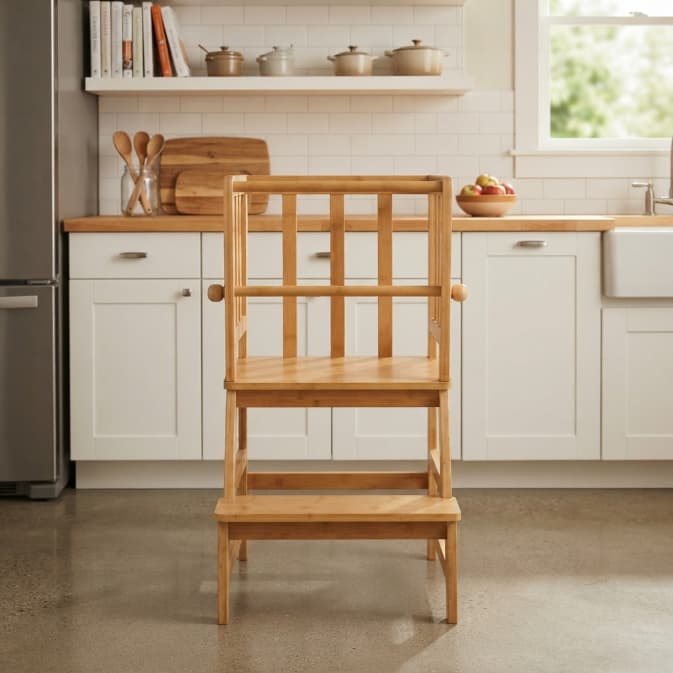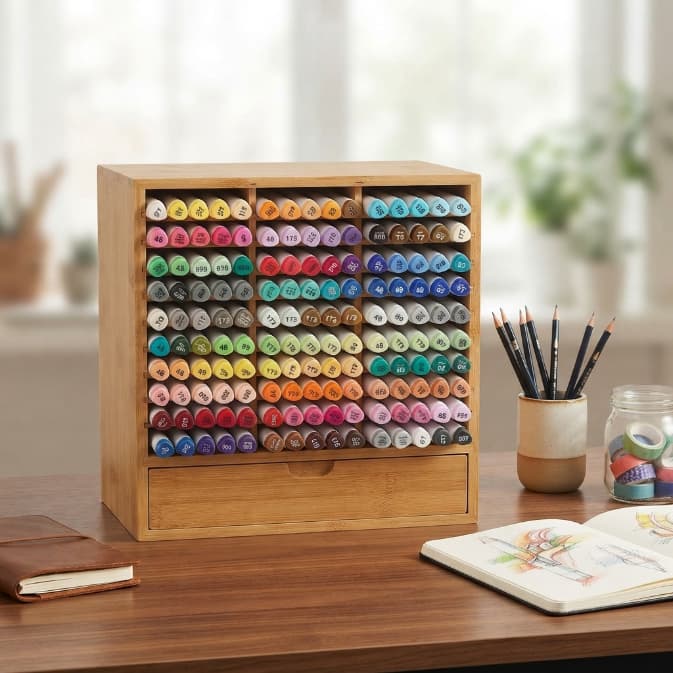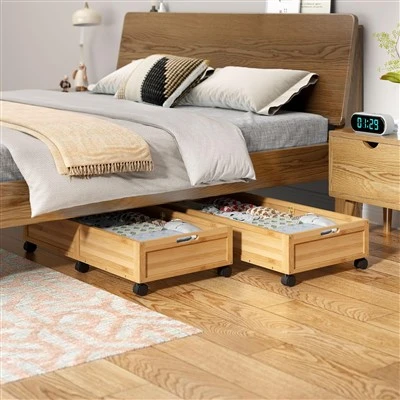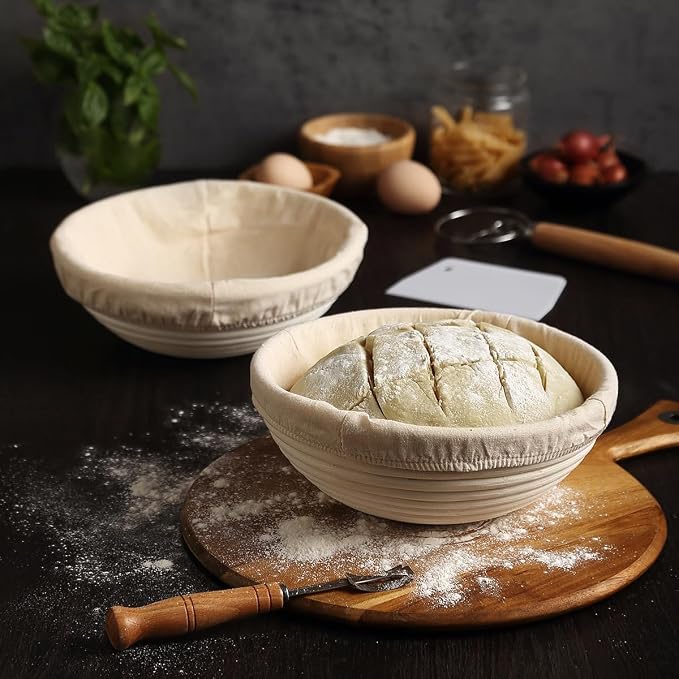




Bamboo racks are changing the way modern kitchens stay organized. As more homeowners embrace sustainable living and clean, minimalist interiors, bamboo racks have evolved from niche eco-friendly products into everyday kitchen essentials - and market demand continues to grow rapidly.
The Sustainable Kitchen Movement Is Driving Demand for Bamboo
Sustainability is no longer just a lifestyle trend - it has become a major factor in how people shop. According to a 2023 report by NielsenIQ, 78% of global consumers say they actively change their buying habits to reduce environmental impact. In the home and kitchen category, this often means choosing natural, renewable materials over plastic and metal.
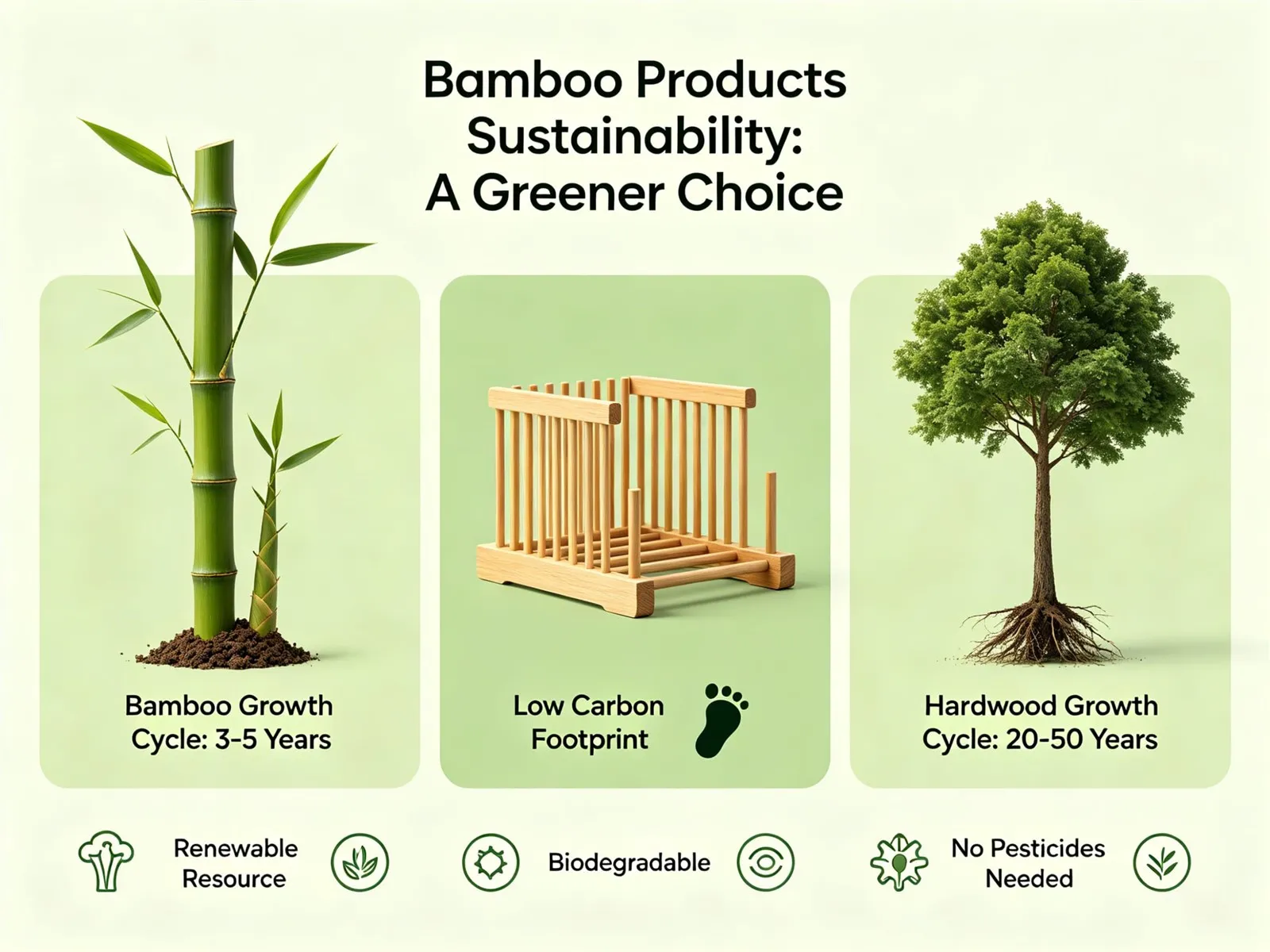
Bamboo (Bambusoideae)[¹] is one of the fastest-growing plants in the world. It can reach full harvest maturity in just 3–5 years, while many hardwood trees require 20–50 years. Because of this rapid growth cycle, bamboo has one of the lowest carbon footprints among structural plant materials used in consumer products.
For products like bamboo dish racks, the environmental appeal is easy to understand. Bamboo requires no mining, no petrochemical processing, and far less industrial manufacturing compared to plastic or metal alternatives. These qualities strongly appeal to today's eco-conscious consumers.
The growth in demand is also visible online. Search interest for terms like "bamboo rack," "bamboo dish rack," and "bamboo shoe rack" has increased steadily in recent years, reflecting the broader shift toward sustainable and minimalist home organization products.
What Makes a Bamboo Rack Different From Conventional Alternatives?
Many consumers ask the same question: why choose bamboo instead of stainless steel, plastic, or coated wire racks?
The answer comes down to a balance of durability, practicality, and everyday usability.
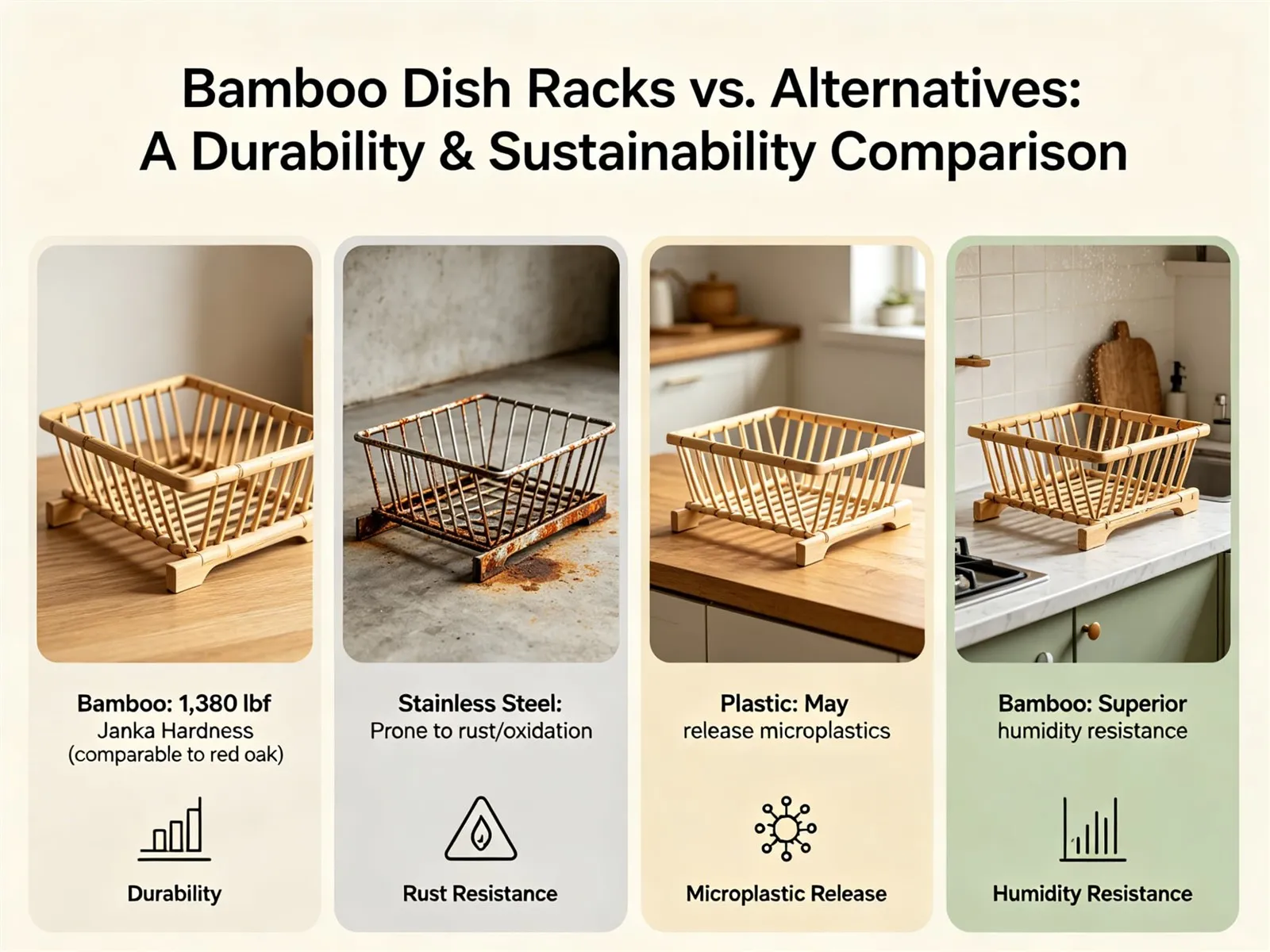
Bamboo culm[²] naturally contains silica deposits that give the material impressive strength and hardness. In fact, bamboo reaches around 1,380 lbf on the Janka hardness scale[³], making it comparable to red oak. At the same time, bamboo is much lighter than many hardwoods, so products like bamboo dish drying racks or bamboo clothes racks are easy to move and reposition around the home.
Bamboo also performs especially well in kitchen environments. Unlike metal racks, it does not rust or oxidize when exposed to moisture. Unlike plastic, it does not release microplastics or become yellow and brittle from UV exposure over time. And unlike MDF or particleboard products, bamboo handles humidity changes far better, helping it maintain its shape and structural stability even in busy cooking spaces.
| Property | Bamboo | Stainless Steel | Plastic (PP) |
|---|---|---|---|
| Renewable material | Yes | No | No |
| Rust/corrosion resistance | Excellent | Good (grades vary) | Excellent |
| Weight (typical rack) | 0.8–1.5 kg | 1.5–3.5 kg | 0.5–1.0 kg |
| Average lifespan | 5–10 years | 8–15 years | 2–5 years |
| Recyclability / biodegradability | Fully biodegradable | Recyclable | Low (mixed polymers) |
| Aesthetic compatibility | Natural / warm | Industrial / cold | Variable |
This profile explains why design-forward homeowners consistently choose bamboo over conventional alternatives when upgrading their kitchens.
How Does a Bamboo Dish Rack Perform in Daily Kitchen Use?
Real kitchen performance - not showroom appearance - is what truly determines whether a storage rack is worth using every day.
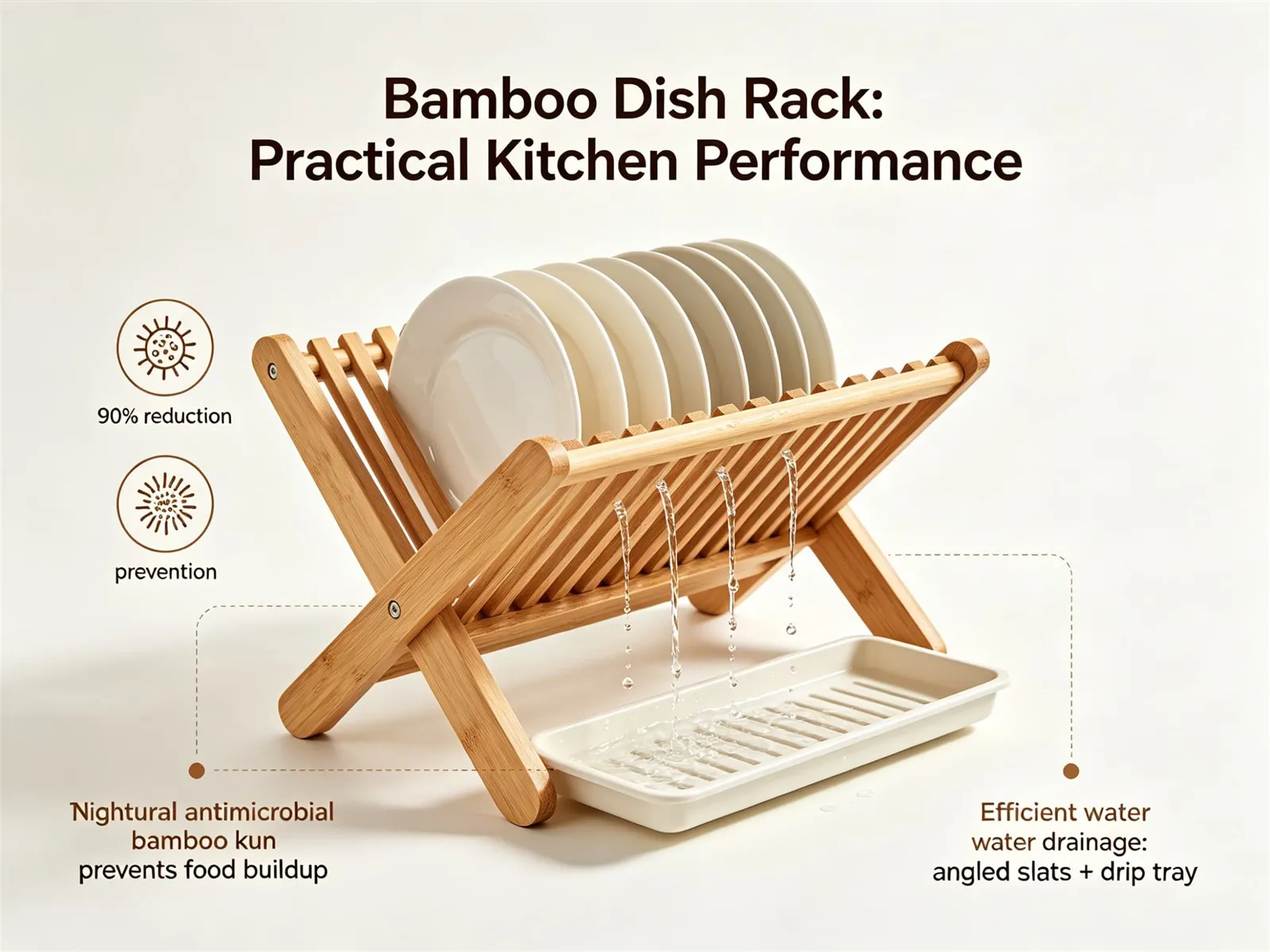
A well-made bamboo dish rack typically features tight-grain construction that helps prevent food particles and residue from collecting in gaps and joints. Bamboo also contains natural antimicrobial properties[⁴], often linked to a bio-agent known as "bamboo kun," which can help reduce bacterial growth on the surface during normal use - something plastic and metal racks do not naturally provide.
Most bamboo dish drying racks are also designed for practical water management. Angled slats allow water to drain naturally through gravity, helping reduce standing moisture and lowering the chance of mold buildup. When combined with a waterproof drain tray, the rack can function efficiently without needing constant towel-drying or daily disassembly.
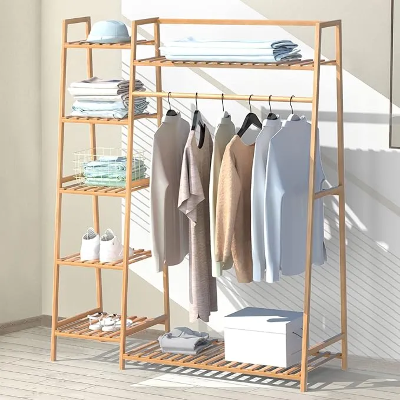
In larger or high-use kitchens, bamboo storage systems become even more versatile. A 3 tier bamboo shelf or bamboo bakers rack can organize dishes, spices, cookbooks, cutting boards, and countertop accessories in one coordinated setup. This combination of function and visual consistency is one reason bamboo kitchen organizers have become increasingly popular among professional home organizers and minimalist interior designers.
Which Bamboo Rack Types Are Most Popular in Modern Kitchens?
The bamboo rack category spans a wide range of function-specific products. Understanding the differences helps consumers make precise purchasing decisions.
| Product Type | Primary Use | Typical Dimensions | Average Load Capacity |
|---|---|---|---|
| Bamboo dish drying rack | Air-drying plates, cups, utensils | 38–50 cm W × 30–36 cm D | 5–8 kg |
| Bamboo spice rack | Countertop spice organization | 20–35 cm W × 10–15 cm D | 2–4 kg |
| Bamboo bakers rack | Multi-tier kitchen storage | 45–60 cm W × 30–40 cm D | 15–25 kg per shelf |
| 3 tier bamboo shelf | General countertop or pantry use | 30–45 cm W × 20–30 cm D | 8–12 kg total |
| Bamboo countertop shelf | Elevated display or prep surface | 25–40 cm W × 20–28 cm D | 5–10 kg |
Among these, the bamboo dish rack remains the single highest-demand product, followed closely by the bamboo spice rack - a compact, drawer-style or countertop unit that solves the chronic problem of disorganized seasoning storage. Increasingly, buyers are also investing in a best bamboo countertop organizer for kitchen that integrates multiple functions: shelving, hooks, and drainage in one system.
Are Bamboo Racks Durable Enough for Long-Term Kitchen Use?
Durability is one of the biggest concerns people have about bamboo racks - and also one of the most misunderstood.
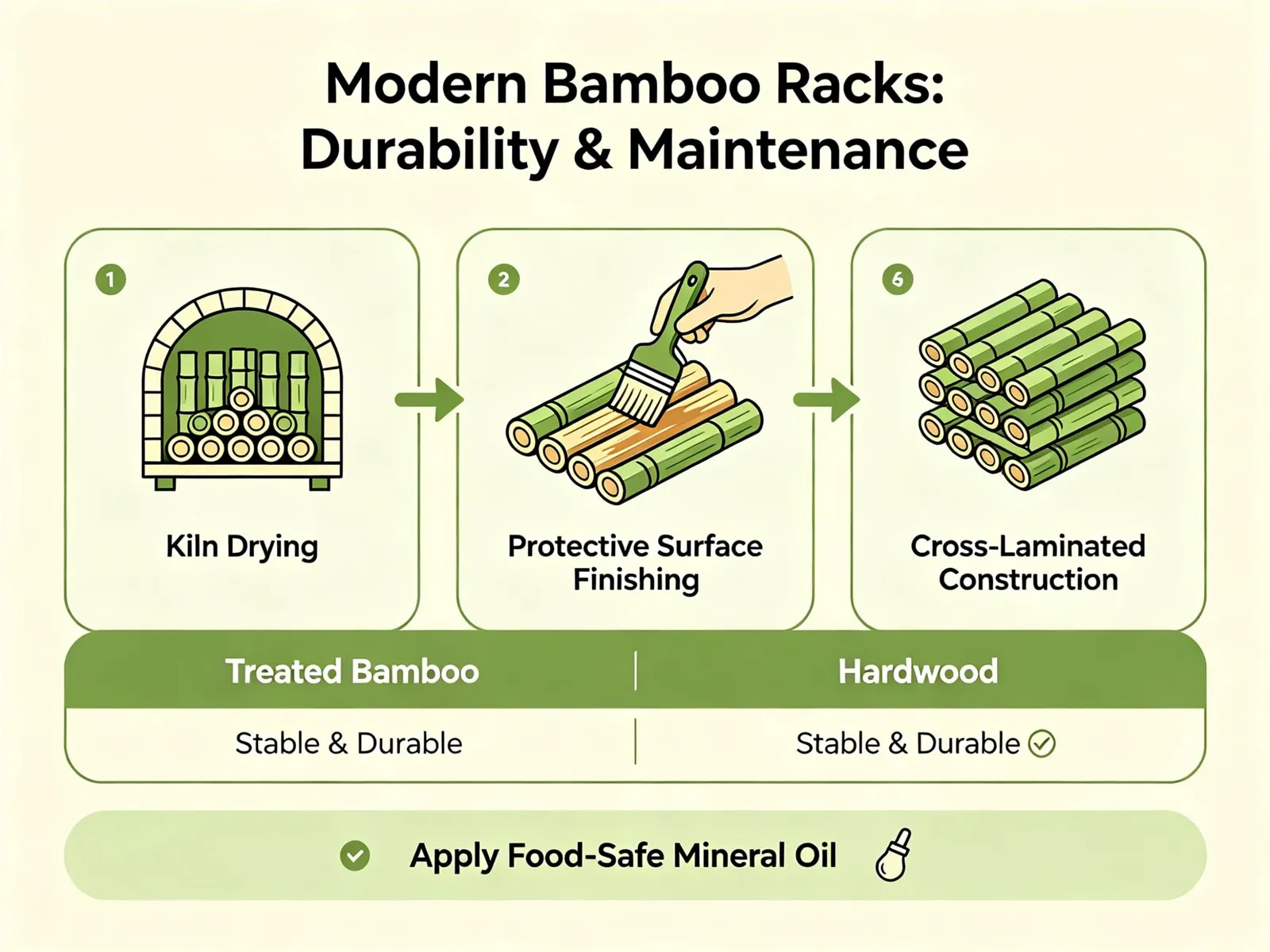
Untreated bamboo exposed to constant moisture can eventually swell or crack. But modern bamboo racks are not made from raw, unfinished bamboo. Most commercial products go through several processing stages, including kiln drying to reduce internal moisture levels, protective surface finishing, and in some cases cross-laminated construction for added strength and stability.
These treatments make bamboo far more stable and durable than many people expect.
According to testing by SGS[⁵], cross-laminated bamboo panels can achieve a modulus of rupture[⁶] of around 40–60 MPa, which is comparable to many hardwood materials commonly used in furniture and kitchen products. For everyday applications like holding dishes, spice jars, pantry items, or kitchen accessories, that level of strength is more than sufficient.
Maintenance is also relatively simple. Applying a light coat of food-safe mineral oil every 6–12 months helps keep the surface in good condition, and avoiding long-term water exposure will further extend the product's lifespan.
With normal household use and basic care, a quality bamboo dish rack or bamboo storage rack can easily provide 5–10 years of reliable use.
What Role Does Aesthetic Design Play in the Rise of the Bamboo Rack?
Function alone does not explain why bamboo racks have become so popular in modern kitchens.
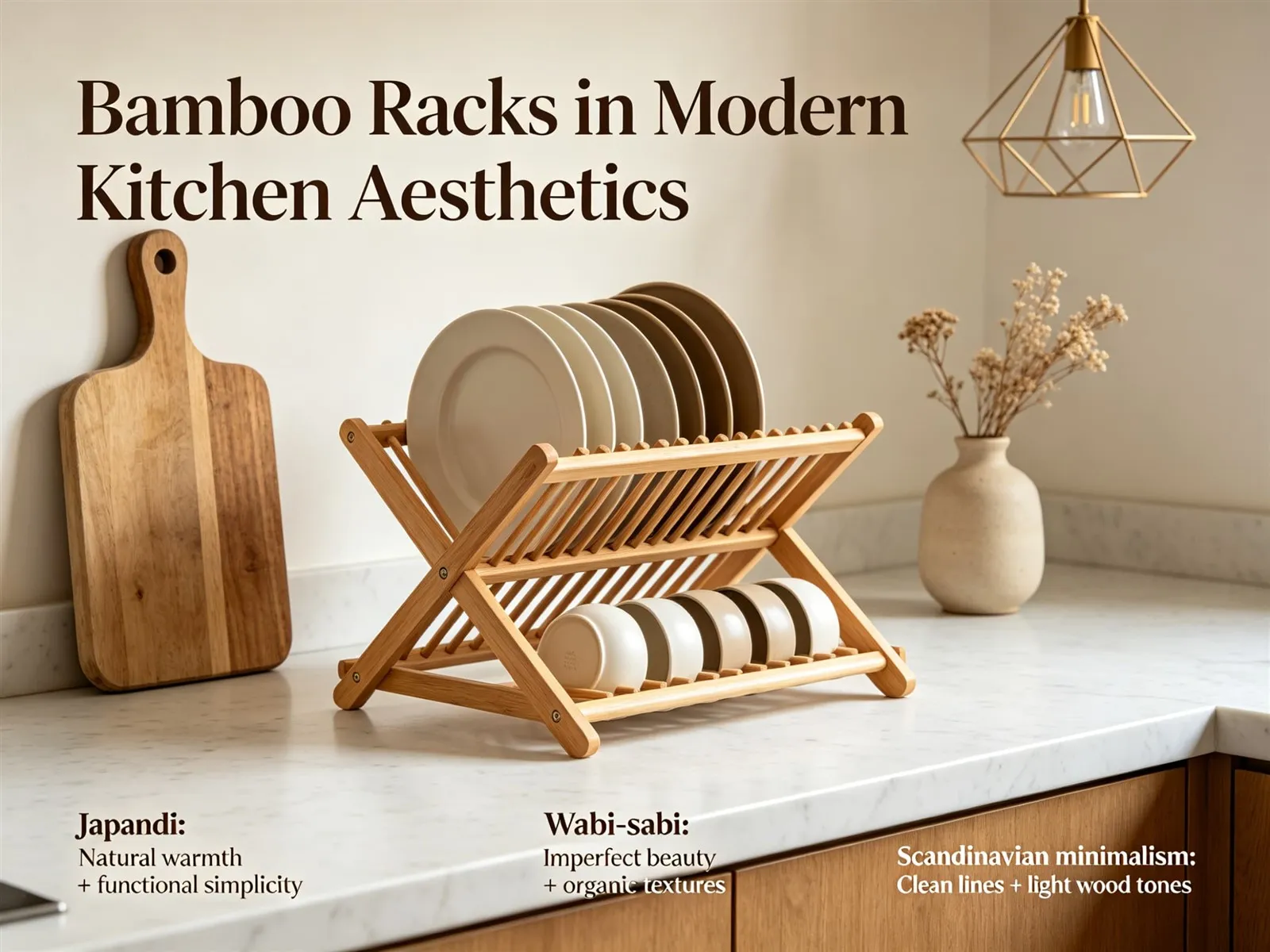
Today's interior design trends - including Japandi[⁷], Wabi-sabi[⁸], and Scandinavian minimalism - all focus on natural materials, soft neutral colors, and clean, uncluttered spaces. Bamboo fits naturally into these styles in a way that chrome wire racks or plastic organizers rarely can.
The warm, natural tone of bamboo adds texture and softness to a kitchen without making the space feel busy. A bamboo dish drying rack on a white quartz countertop or a bamboo bakers rack against a subway-tile backsplash feels intentional and decorative rather than purely functional.
That is a big reason bamboo kitchen organizers have moved beyond the "eco-friendly product" category and into mainstream home design.
Platforms like Houzz and Pinterest regularly feature bamboo kitchen accessories in popular home organization and minimalist kitchen collections. Searches and saves for terms like "bamboo countertop shelf" and "bamboo spice rack" continue to grow as more homeowners look for storage solutions that are both practical and visually clean.
Is a Bamboo Rack a Cost-Effective Investment Compared to Other Materials?
Price-to-performance ratio is a key consideration for most buyers.
Entry-level bamboo dish racks typically sell for $18–$35. Mid-range models, often featuring integrated drainage trays and extra hooks, range from $35–$65. Premium multi-tier bamboo bakers racks with shelves and hooks retail between $80–$150. These prices are broadly comparable to stainless steel alternatives, but bamboo adds an environmental advantage: it is fully biodegradable at end-of-life, avoiding disposal costs and the guilt associated with metal or plastic products.
Over a typical 5-year ownership period, the total cost of ownership[⁹] for a bamboo rack - including minimal maintenance such as occasional oiling ($3–$5 per application) and no replacement parts - is often lower than stainless steel racks that may rust or plastic racks that yellow and crack under heat.
For buyers who care about both budget and sustainability, bamboo racks offer a compelling combination of affordability, durability, and eco-conscious design.
A Final Word: The Kitchen Is Getting Greener
The bamboo rack is not just a trend - it represents a lasting shift in how consumers approach kitchen organization. Driven by environmental awareness, refined design tastes, and a demand for high-quality, accountable materials, bamboo racks excel on every front: durability, functionality, sustainability, and style. From a bamboo dish rack on the countertop to a bamboo bakers rack anchoring the pantry, these organizers deliver practical performance while enhancing kitchen aesthetics.
If you're ready to upgrade your kitchen with premium bamboo storage, explore our complete range: bamboo dish racks, bamboo spice racks, bamboo countertop shelves, and bamboo bakers racks - all designed and crafted to the highest quality standards.

👉 Browse our Bamboo Rack Collection | Shop Bamboo Kitchen Organizers | View All Bamboo Storage Solutions
We provide premium bamboo racks and storage solutions to retailers, distributors, and wholesale buyers worldwide. Contact our team for product specifications, MOQ details, and custom OEM/ODM inquiries.
Address: No. 3, Wuyi 3rd Road, Jian'ou City, Nanping City, Fujian Province, 353100, China
Phone: +86 158 8924 9154
Email: sales02@szmsl68.com
FAQ
Q: Can I leave a bamboo dish rack next to my sink every day?
A: Yes - commercial bamboo racks are kiln-dried and coated for moisture resistance. Just avoid letting water pool underneath for extended periods, and wipe the base dry when possible.
Q: How do I stop my bamboo rack from cracking over time?
A: Apply a thin layer of food-safe mineral oil every 6–12 months. This replenishes the natural moisture balance of the bamboo fibers and prevents surface cracking.
Q: Is bamboo actually more eco-friendly than buying a stainless steel rack that lasts longer?
A: For most households, yes. Bamboo is fully biodegradable, requires no mining or smelting, and reaches harvest maturity in 3–5 years. Even if a steel rack outlasts it slightly, bamboo's net lifecycle environmental cost is significantly lower.
Annotations
[¹] Bambusoideae - the botanical subfamily encompassing all true bamboo species; over 1,400 species are currently classified within this group (Royal Botanic Gardens, Kew).
[²] Bamboo culm - the hollow, segmented stem of the bamboo plant; the primary structural component used in manufactured bamboo products.
[³] Janka hardness scale - an industry-standard measurement of wood and wood-substitute resistance to localized indentation, expressed in pounds-force (lbf).
[⁴] Bamboo antimicrobial properties - research published in the Journal of Applied Microbiology (2004) identified bio-agent "bamboo kun" as an intrinsic antibacterial agent present in bamboo fiber, effective against a range of common bacteria including Staphylococcus aureus and Klebsiella pneumoniae.
[⁵] SGS Group - a Swiss multinational testing, inspection, and certification company; one of the world's leading quality assurance organizations.
[⁶] Modulus of rupture (MOR) - a measure of a material's ability to resist bending force prior to fracture, expressed in megapascals (MPa); a key indicator of structural integrity in shelf and rack applications.
[⁷] Japandi - a hybrid interior design style combining Japanese and Scandinavian influences; characterized by natural materials, functional simplicity, and muted tonal palettes.
[⁸] Wabi-sabi - a Japanese aesthetic philosophy that finds beauty in imperfection, impermanence, and natural materials; influential in contemporary kitchen and home design.
[⁹] Total cost of ownership (TCO) - an accounting methodology that calculates the full cost of a product over its complete lifecycle, including purchase price, maintenance, and disposal.
Authoritative References
NielsenIQ (2023). The CPG Sustainability Report. https://nielseniq.com/global/en/insights/report/2023/the-cpg-sustainability-report/
Food and Agriculture Organization of the United Nations (FAO). World Bamboo Resources. https://www.fao.org/4/a1243e/a1243e00.htm
International Bamboo and Rattan Organization (INBAR). About INBAR. https://www.inbar.int/about/
Royal Botanic Gardens, Kew. Plants of the World Online - Bambusoideae. https://powo.science.kew.org/taxon/urn:lsid:ipni.org:names:77126487-1
SGS Group. Materials Testing Services. https://www.sgs.com/en-us/service-groups/materials-testing
Houzz Research (2024). 2024 U.S. Houzz Kitchen Trends Study. https://www.houzz.com/magazine/2024-u-s-houzz-kitchen-trends-study-stsetivw-vs~173163818